

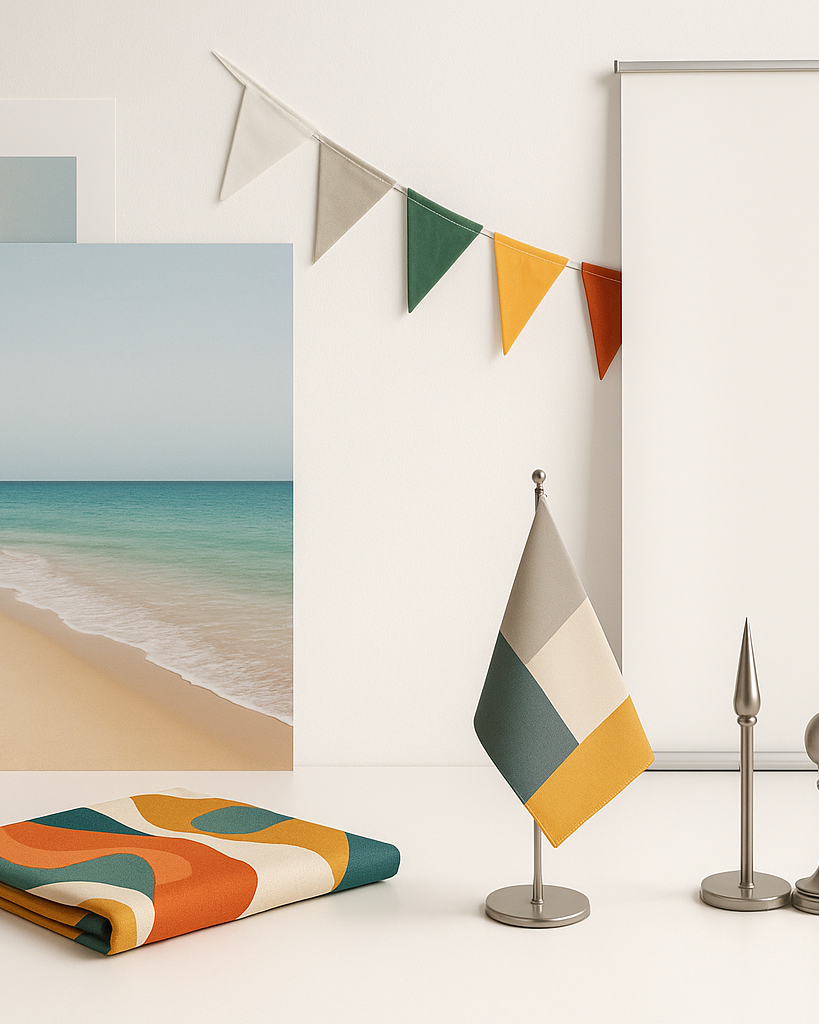
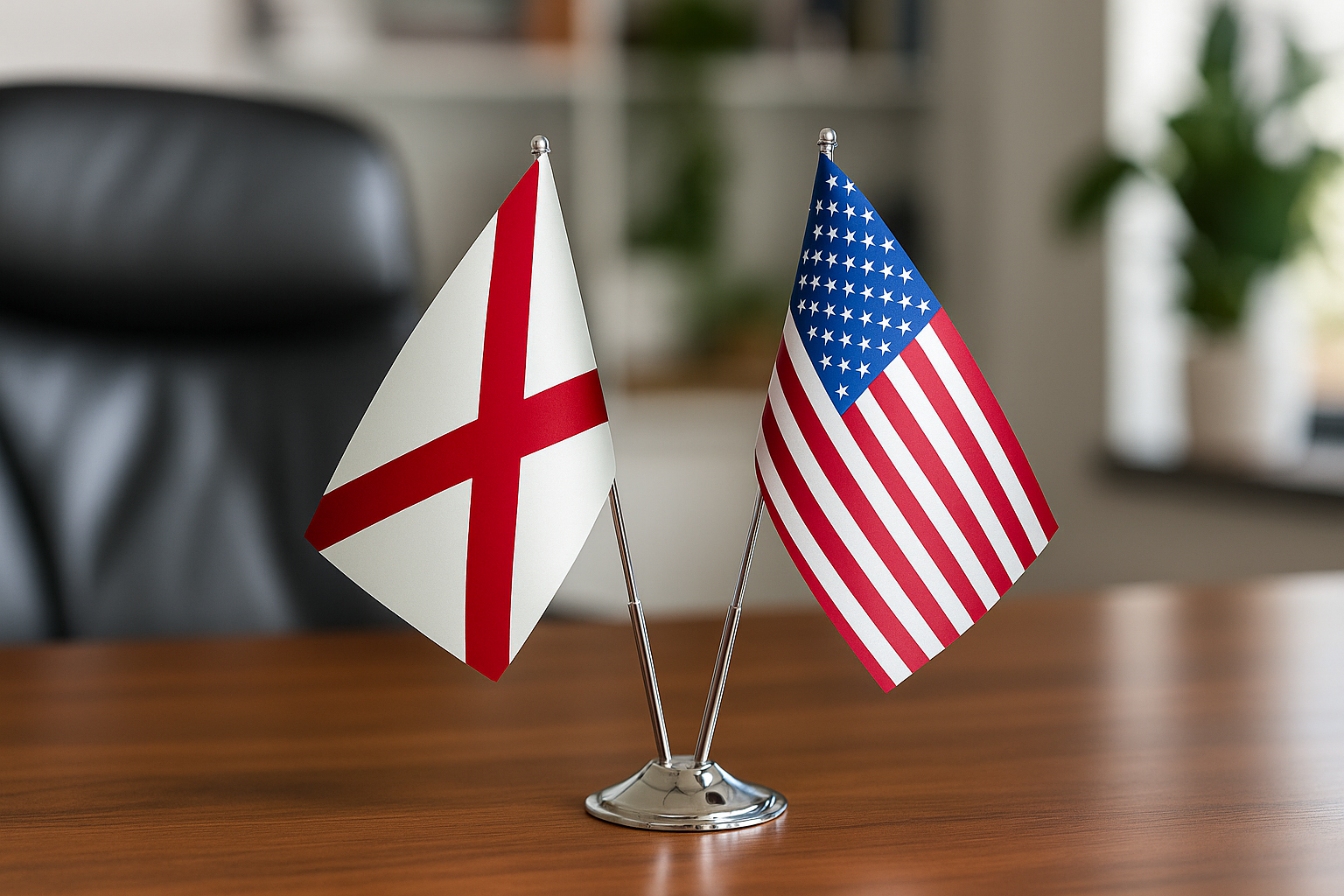
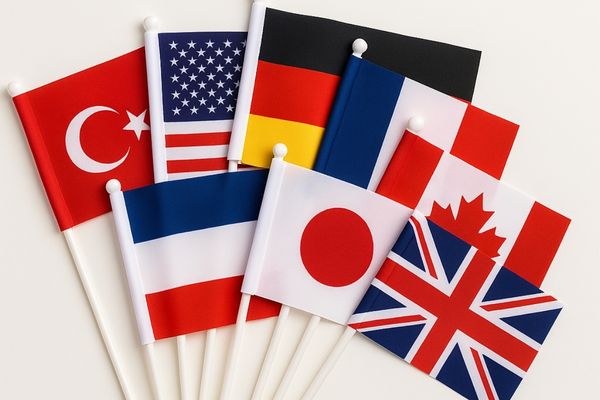

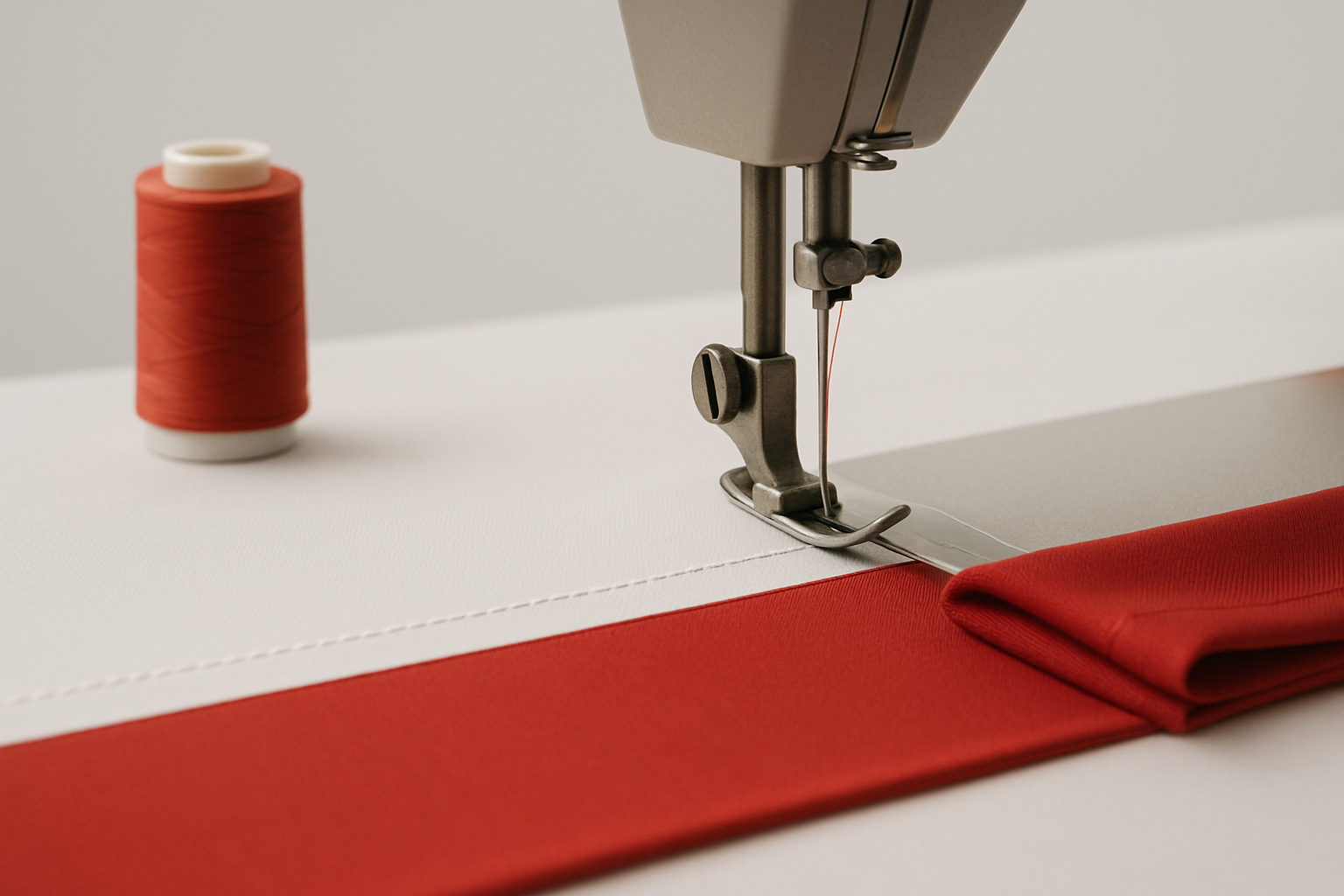

Camp pennants are the single most effective decoration for turning a bare cabin wall, a rope line between trees, or a mess hall rafter into a space that feels like it belongs to your camp. If you are planning your summer camp season or outfitting individual cabins with team spirit, the Custom Pennants collection from Asya Bayrak gives you a direct path from concept to finished pennant — custom colors, logos, and cabin names printed with vivid sublimation color that survives a full season of humid lake air and enthusiastic campers.
Which type of camp pennant actually works for this setting?
For summer camps and cabin décor, the classic triangular felt-style pennant and the swallowtail pennant are the two formats that see the most use — and the right choice depends on whether you are decorating indoors or outdoors. Traditional triangular pennants hung on cabin walls are purely decorative and benefit from a crisp, flat display surface, while swallowtail pennants with their distinctive V-cut lower edge add movement and energy when hung on outdoor lines, above activity fields, or along entrance pathways.
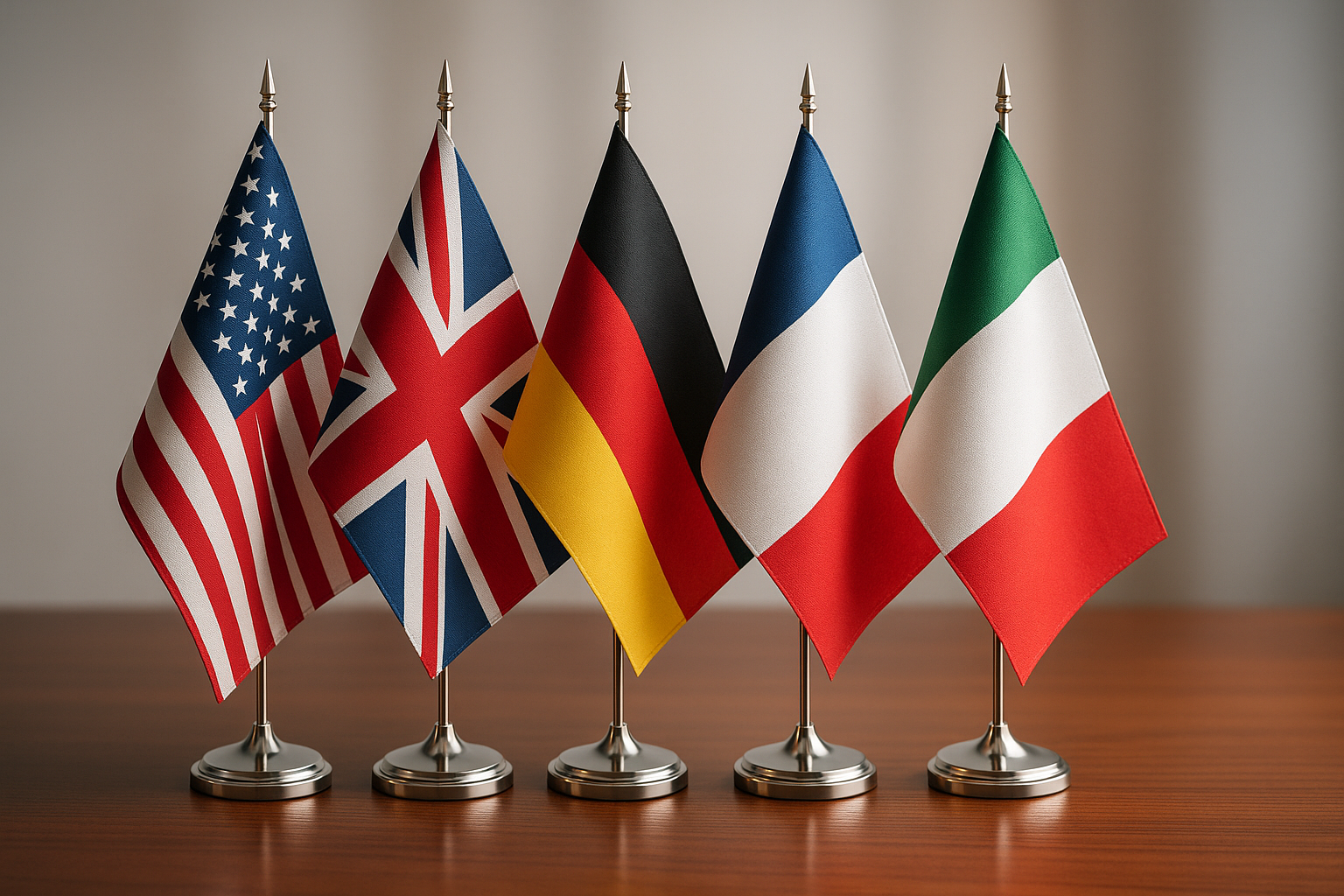
 The Premium American Flag Pennant is a strong example of what vivid sublimation color printing can do for camp spirit displays. The swallowtail design — that recognizable V-cut at the trailing edge — gives each pennant visual lift even in a light breeze, making it ideal for flagpoles at the main gate, along the dining hall path, or above the waterfront dock. Weather-resistant construction means it holds its color through morning dew, afternoon thunderstorms, and the general roughness of a camp environment. Sublimation printing locks color into the fabric rather than sitting on top of it, so the artwork will not crack or peel after repeated exposure to UV and moisture. If your camp operates a patriotic-themed program or hosts flag ceremonies, pairing this pennant with your custom cabin pennants creates a cohesive, professional look that parents and campers notice immediately.
For purely indoor cabin use — pinned above a bunk bed or mounted on a wall display board — a flat triangular format in a satin-weight fabric tends to photograph beautifully in yearbook shots and sits flush against the surface without drooping. Asya Bayrak produces pennants in Raschel knitted polyester available in weights from 80 g/m² up to 220 g/m², and satin at 100, 150, and 165 g/m². Lighter Raschel weights (80–110 g/m²) are preferred for outdoor lines where the pennant needs to catch wind and wave freely, while the heavier satin options give indoor display pieces a premium, substantial feel. If your camp has both indoor cabin décor and outdoor field decorations on the same order, grouping both into a single custom order keeps artwork consistent and reduces per-unit production cost.
How many pennants does a typical camp actually need?
Most camps underestimate quantity on the first order, and then rush a reprint mid-season. A useful planning rule is to count every location where a pennant will be seen simultaneously — cabin walls, the mess hall, the main flagpole line, activity station markers, and any end-of-session awards — and add 15–20% for replacements and keepsakes that campers take home.
A medium-sized camp with 8 cabins, a dining hall, a waterfront area, and a main entrance typically lands somewhere between 40 and 80 pennants when all locations are mapped out. Break it down by zone: each cabin might display 2–3 pennants (one above the door, one or two interior wall pieces), the dining hall commonly runs a string of 10–15 pennants along its ridge beam, and the main entrance benefits from at least 4–6 pennants on a flanking line. Activity stations — archery, arts and crafts, the dock — each benefit from 1–2 marker pennants that help new campers navigate. Finally, if your camp gives out end-of-session award pennants, budget one per cabin group per session. Bulk orders consistently reduce cost per unit, so it is worth consolidating an entire season's needs into one production run rather than placing multiple small orders.
How to lay out and string pennants across a camp property
The most effective camp pennant layouts follow sight lines — the natural paths campers walk every day — rather than trying to cover every available surface. String lines work best when they run parallel to a travel path at a height of 8–10 ft (2.4–3.0 m), which keeps pennants visible above head height but below the canopy of most established trees.
 The Pennant Flag with its swallowtail V-cut lower edge is particularly well-suited to overhead string runs because the cut creates two trailing points that move independently in the wind, producing the lively, festive motion that makes a camp entrance feel welcoming from the moment a camper steps off the bus. For cabin interiors, a single nail or adhesive strip at the top grommet or sleeve is usually sufficient for a clean wall mount. Outdoor string lines across open areas like sports fields should use braided nylon cord rated for at least 50 lb (22 kg) load to handle the combined drag of multiple pennants in a strong summer storm. Space pennants 12–18 in (30–46 cm) apart on the string for the classic bunting look, or widen to 24 in (61 cm) if you want each pennant's design to read clearly at a distance. For guidance on managing longer string runs without tangles during setup and teardown, the article on how to store pennant strings without tangles covers practical techniques that save significant time at the start and end of each session.
For wall clusters inside a mess hall or lodge, a radial fan arrangement — five or seven pennants spreading outward from a central point like a starburst — creates a dramatic focal wall that photographs well and frames a stage or podium area. Grouping pennants by cabin color in this arrangement also communicates team identity without any signage. Whatever layout you choose, plan your anchor points before ordering so you can confirm the pennant dimensions work with the available span.
Pennant Flags Collection
Browse the full range of swallowtail and custom-format pennant flags — built for outdoor durability, vivid sublimation color, and high-visibility display at any camp setting.
Browse Collection →What drives the cost of a custom camp pennant order?
Custom camp pennant pricing is shaped by four main variables: quantity, size, fabric weight, and artwork complexity. Understanding these levers lets you make trade-offs that keep a camp's budget on track without sacrificing quality where it matters most.
Quantity is the most powerful cost driver — per-unit cost drops meaningfully as an order moves from a small run into bulk territory, which is why consolidating an entire season's cabin pennants, award pennants, and decorative string pennants into one order almost always saves money compared with ordering each type separately. Size affects both material cost and print area; a pennant designed for a cabin wall can be smaller and lighter than one meant to wave on an outdoor line, so right-sizing each application keeps total cost down. Fabric weight matters too: lighter Raschel fabrics cost less per square meter than heavier satin options, but satin's sheen and surface quality can justify the difference for a premium display or keepsake pennant. Artwork complexity — number of colors, photographic elements versus flat vector logos — influences sublimation setup time, though full-color sublimation generally does not carry the per-color surcharges associated with screen printing, which is an advantage for camp logos that include gradients or multi-color crests. For a detailed breakdown of how shape and fabric interact with cost, the guide on custom pennant costs by shape and fabric is worth reading before you finalize your specifications.
When should you place your camp pennant order to avoid delays?
The safest window for placing a summer camp pennant order is 8–12 weeks before your opening day. This gives production, quality review, international shipping if required, and a buffer for any artwork revision enough time without rushing.
Custom sublimation orders involve a proof-and-approval step before production begins, and that back-and-forth on artwork alone can take 3–7 business days if the first proof requires changes. Add production lead time — typically 10–21 business days depending on order size and current queue — plus 5–14 business days for international freight, and the 8-week minimum becomes clear. Camps that open in mid-June should target an order submission date no later than mid-April, with early April being a comfortable target. Camps that run multiple sessions and want to reorder for a later session can often turn a repeat order faster since the artwork is already approved and on file. If your timeline is already tighter than 8 weeks, contact Asya Bayrak directly to ask about current production capacity — rush options may be available depending on the time of year. Early ordering also means you can request a physical sample pennant for approval before the full run is produced, which eliminates any surprise on color or finish when the full shipment arrives.
What size should camp pennants be for cabin wall display? +
Can each cabin get a different design on the same order? +
How long will outdoor camp pennants last through a full summer season? +
What fabric is best for indoor cabin pennants that campers might take home as keepsakes? +
Do I need to provide professional design files or can I submit a rough concept? +
How should camp pennants be stored at the end of the summer season? +
Is there a minimum order quantity for custom camp pennants? +
Ready to outfit your camp for the season? Start by browsing the full Custom Pennants collection to see format options and request a quote, or explore the Pennant Flags collection for swallowtail designs built specifically for outdoor and high-visibility display. If you are planning a mix of indoor cabin keepsakes and outdoor string lines, the Pennant Flag product page gives you full specification detail to finalize your order. Bulk pricing is available for corporate and institutional orders — camps, school programs, and youth organizations with multi-unit needs are encouraged to reach out for a custom quote.


