

An Antigua and Barbuda flag kept clean, properly stored, and flown within its rated wind range will stay vivid for 12 to 24 months outdoors — and significantly longer when brought inside between storms. Whether you display the bold black, blue, white, red, and gold design for a cultural event, a government office, or a diaspora celebration, the same care principles apply. You'll find size and design details throughout our America Countries Flags collection, which includes the Antigua and Barbuda flag alongside every other nation in the Americas. For a deep dive into what each color and symbol represents, see our companion article on Antigua and Barbuda flag colors and meaning.
How to Wash an Antigua and Barbuda Flag Without Ruining the Colors
Yes, most polyester flags can be machine-washed on a gentle, cold-water cycle — but only after checking the fabric weight and construction first. The Antigua and Barbuda flag is typically produced in Raschel knitted polyester (available in 80, 90, 110, or 120 g/m² for outdoor use), and cold water is non-negotiable: hot water causes the dye sublimation inks to bleed and the knitted structure to pucker. Use a mild, pH-neutral detergent — avoid bleach entirely, as it will strip the vibrant gold solar disc and the five alternating stripes of white and blue within just one wash cycle. If the flag is lightly soiled, hand-washing in a basin works even better because you control the agitation and prevent abrasion on the printed surface. Always rinse thoroughly until the water runs clear, then hang the flag flat or drape it over a smooth rod to air-dry in the shade — never use a tumble dryer on high heat, which can shrink the knit weave by up to 5% and permanently dull the colors. For satin indoor flags (available in 100, 150, or 165 g/m²), always hand-wash only; the smooth woven surface is far more vulnerable to mechanical agitation than the knitted outdoor grades.
 Spot-cleaning is the gentlest method for minor stains — dampen a soft cloth with cold water and a small drop of mild soap, then blot (never rub) the affected area in a circular motion working from the outside of the stain inward. For bird droppings or tree sap, let the area soak with a damp cloth for five minutes before blotting; scrubbing immediately will push the stain deeper into the knit structure. After spot-cleaning, rinse the treated zone with clean cold water and allow the flag to air-dry completely before folding or rolling it for storage, because moisture trapped in a folded flag accelerates mildew growth within as little as 48 hours in warm climates. If your flag sees heavy outdoor exposure in a coastal environment like the Caribbean basin, rinse it with fresh water once a week to remove salt deposits, which are mildly corrosive to synthetic dyes over time. Our USA Outdoor Flag, crafted from 110 g/m² Raschel knitted polyester, uses the same fabric family and care logic, so the washing guidance above applies equally to any Raschel flag in this weight range.
Storing Your Flag So It Stays Wrinkle-Free and Fade-Free
Correct storage is the single biggest factor that extends a flag's life beyond one season. Roll the flag loosely around a cardboard or foam tube — never fold it tightly along the same crease lines each time, because repeated folding causes permanent stress fractures in the weave that show up as pale, faded lines across the design. For the Antigua and Barbuda flag specifically, fold or roll creases in the wrong place and you risk a white crease running directly across the black triangle or the solar disc, making the damage immediately visible. Store the rolled flag in a breathable cotton or muslin bag rather than a sealed plastic bag; polyester needs to breathe slightly to prevent moisture buildup. Keep storage away from direct sunlight, fluorescent UV light, and heat sources — a cool, dry closet or drawer at a steady temperature between 60°F and 75°F (15°C–24°C) is ideal. Avoid storing flags in basements or garages where humidity swings seasonally above 60%, as mildew will form on a damp polyester flag within days even though polyester itself is non-absorbent — the dirt and dust trapped in the weave hold moisture long enough to cause problems.
What Actually Shortens a Flag's Lifespan Outdoors
UV radiation, sustained wind speed, and atmospheric pollution are the three primary enemies of any outdoor flag, and they work together faster than most people expect. UV radiation is the leading cause of color fading on polyester flags: even high-quality Raschel knit fabrics rated at 80% UV resistance will show measurable fading after six months of continuous all-day sun exposure in a tropical or high-altitude location. The black triangle on the Antigua and Barbuda flag is particularly revealing — black dyes absorb more UV energy than lighter colors, which means the fabric fibers in that zone degrade slightly faster and the triangle can develop a brownish or grayish cast before the other colors show visible change.
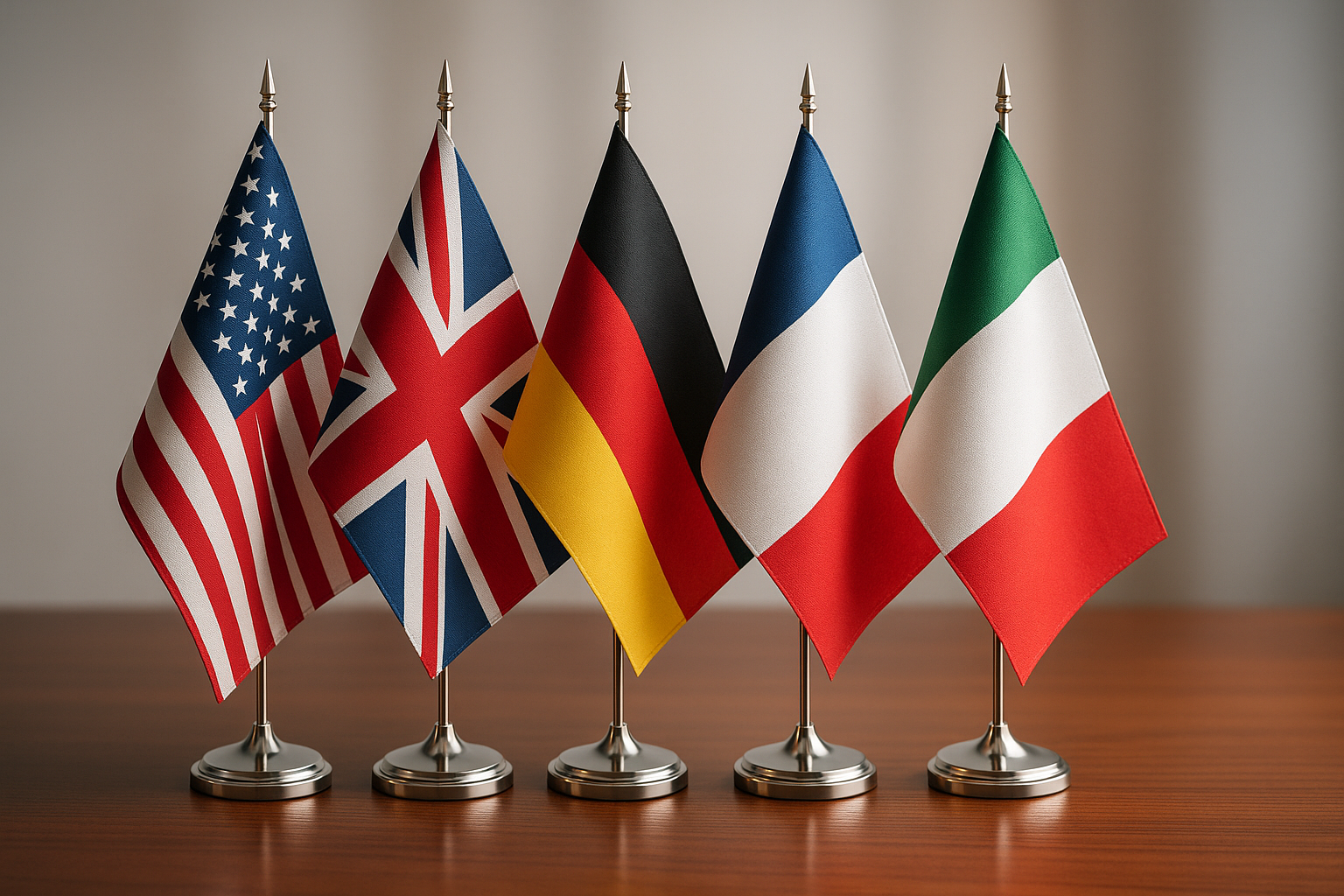
 Wind damage is the second major factor, and it is mechanical rather than chemical: every time a flag snaps in a gust, thousands of tiny fiber-to-fiber abrasions occur at the fly hem (the loose outer edge). A flag flown continuously in winds averaging above 25 mph (40 km/h) will develop fraying at the fly end within 90 days. The simple remedy is to bring the flag indoors on days with high wind warnings and to rotate between two flags so each one rests while the other flies. Atmospheric pollution — including ozone, nitrogen dioxide, and industrial particulates — reacts with synthetic dye molecules and weakens polyester fibers over time; this effect is most pronounced in urban environments and near coastal shipping lanes. Flags near busy roads or ports benefit enormously from weekly fresh-water rinsing, which removes acidic surface deposits before they have time to react with the fabric. The Deluxe United States Table Flag, designed for professional indoor settings, avoids all of these outdoor stressors entirely — a useful reminder that matching the flag type to its environment is the most effective care strategy of all.
How to Tell When It Is Time to Replace Your Flag
A flag should be replaced when fraying at the fly end extends more than 1 inch (2.5 cm) inward from the edge, or when the colors have faded to the point where the design is no longer clearly identifiable at normal viewing distance. For the Antigua and Barbuda flag, that threshold is easy to test: if the gold solar disc no longer reads as distinctly gold against the red background — appearing orange, yellow, or washed-out — the flag has exceeded its useful display life. Fly-end fraying is natural and expected, but once threads begin pulling inward toward the center design, the structural integrity of the hem is compromised and the flag will tear in the next strong wind. The header (the reinforced canvas sleeve at the hoist) also ages independently: if the brass grommets corrode, the fabric around them tears, or the canvas itself becomes stiff and brittle, it is safer to retire the flag than to risk it detaching from the pole mid-display. A well-maintained outdoor Raschel flag in a moderate climate will typically reach this replacement threshold after 12 to 18 months of regular outdoor use; indoor satin flags used for ceremonial settings can last 3 to 5 years or longer with periodic light cleaning. For guidance on choosing the right flag dimensions before purchasing a replacement, our article on standard Antigua and Barbuda flag dimensions covers every standard size and pole-height ratio in detail.

America Countries Flags
Browse every nation of the Americas — including the Antigua and Barbuda flag — in multiple sizes and fabrics suited for outdoor poles, indoor display, and desk use.
Browse Collection →How to Retire a Worn Antigua and Barbuda Flag with Dignity
When an Antigua and Barbuda flag can no longer be repaired or displayed, it deserves a respectful retirement rather than disposal in a household bin. While the US Flag Code (4 USC §§ 1–10) specifically governs the American flag's retirement, its core principle — that a worn flag should be destroyed in a dignified manner, preferably by burning — is widely adopted as best practice for national flags of any country. For the Antigua and Barbuda flag, the same dignified approach applies: a private, quiet fire in a suitable outdoor setting is the most respectful disposal method. If an open fire is not practical in your area, contact a local veterans' organization, embassy, or consular office representing Antigua and Barbuda, as many maintain official flag retirement programs. Never place a national flag in a recycling bin or general waste — even a flag that is no longer serviceable represents the identity of a sovereign nation and 47,000 citizens. If the flag material is in genuinely poor condition but the header and grommets are still intact, some flag craftspeople repurpose retired flag fabric into pouches or patches while keeping the hardware for reuse — a sustainable option that still honors the material with intention.
If you are researching other national flags with symbolic imagery, our articles on the Zimbabwe Bird on the national flag and using world flags at a school event offer additional context on flag symbolism and proper display across different settings.
Frequently Asked Questions
What do the colors on the Antigua and Barbuda flag stand for? +
What is the official meaning behind the Antigua and Barbuda flag? +
What is the standard size for an Antigua and Barbuda flag? +
Where can I buy a high-quality Antigua and Barbuda flag? +
How much does an Antigua and Barbuda flag typically cost? +
When was the Antigua and Barbuda flag first adopted, and has it changed? +
Can I machine-wash a polyester Antigua and Barbuda flag? +
How do I know if the colors on my Antigua and Barbuda flag are printed accurately? +
When your current Antigua and Barbuda flag reaches the end of its display life, replacing it promptly keeps your display accurate and respectful. Browse the full America Countries Flags collection to find the right size and fabric grade for your pole, indoor stand, or desk. If you need a matching desk presentation, the Country Desk Flags collection offers compact options for offices, conference rooms, and embassies. For a broader international display — pairing the Antigua and Barbuda flag with flags from other regions — the Country Flags collection covers nations across every continent. Bulk pricing is available for corporate orders, diplomatic missions, schools, and event organizers requiring multiple flags at consistent quality.


