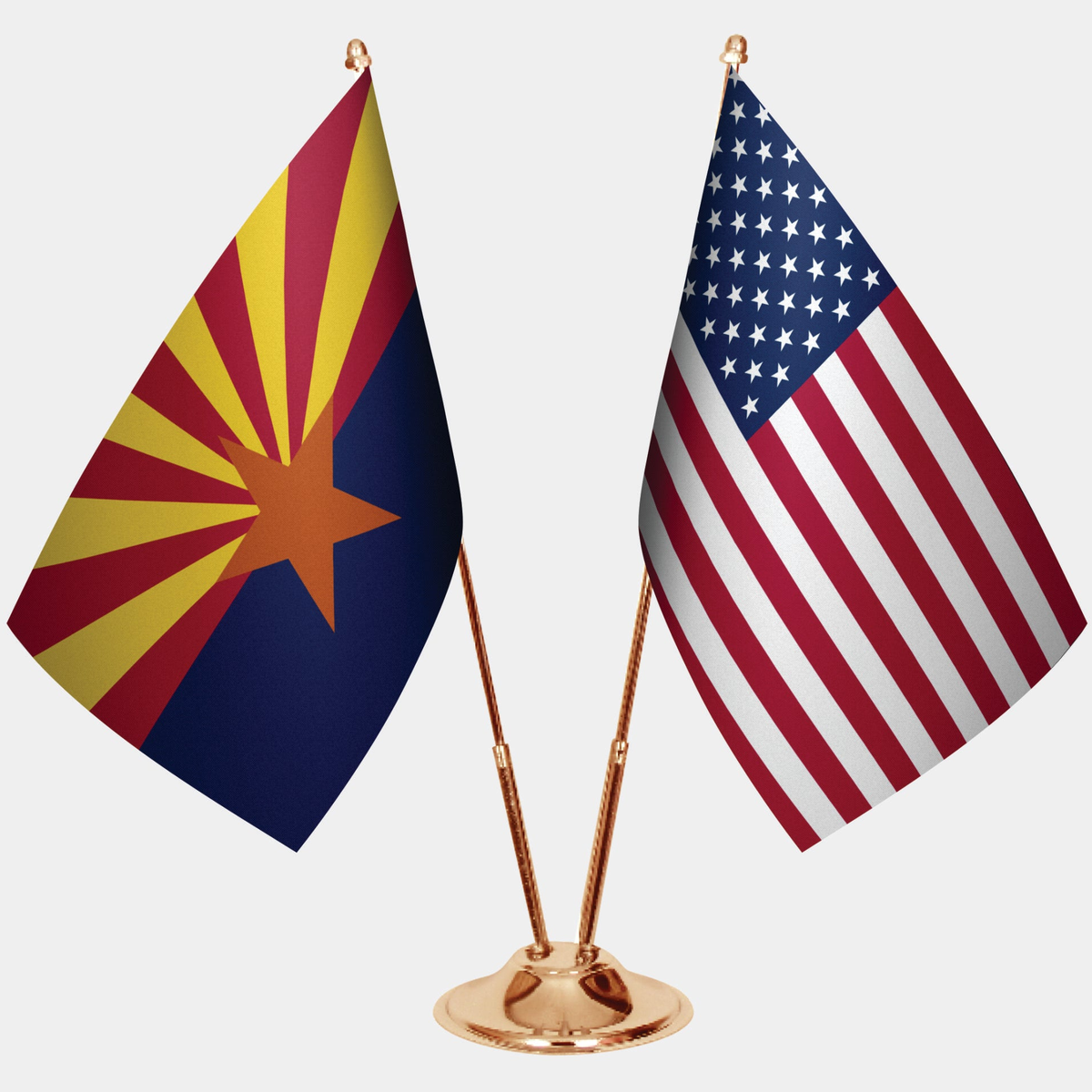

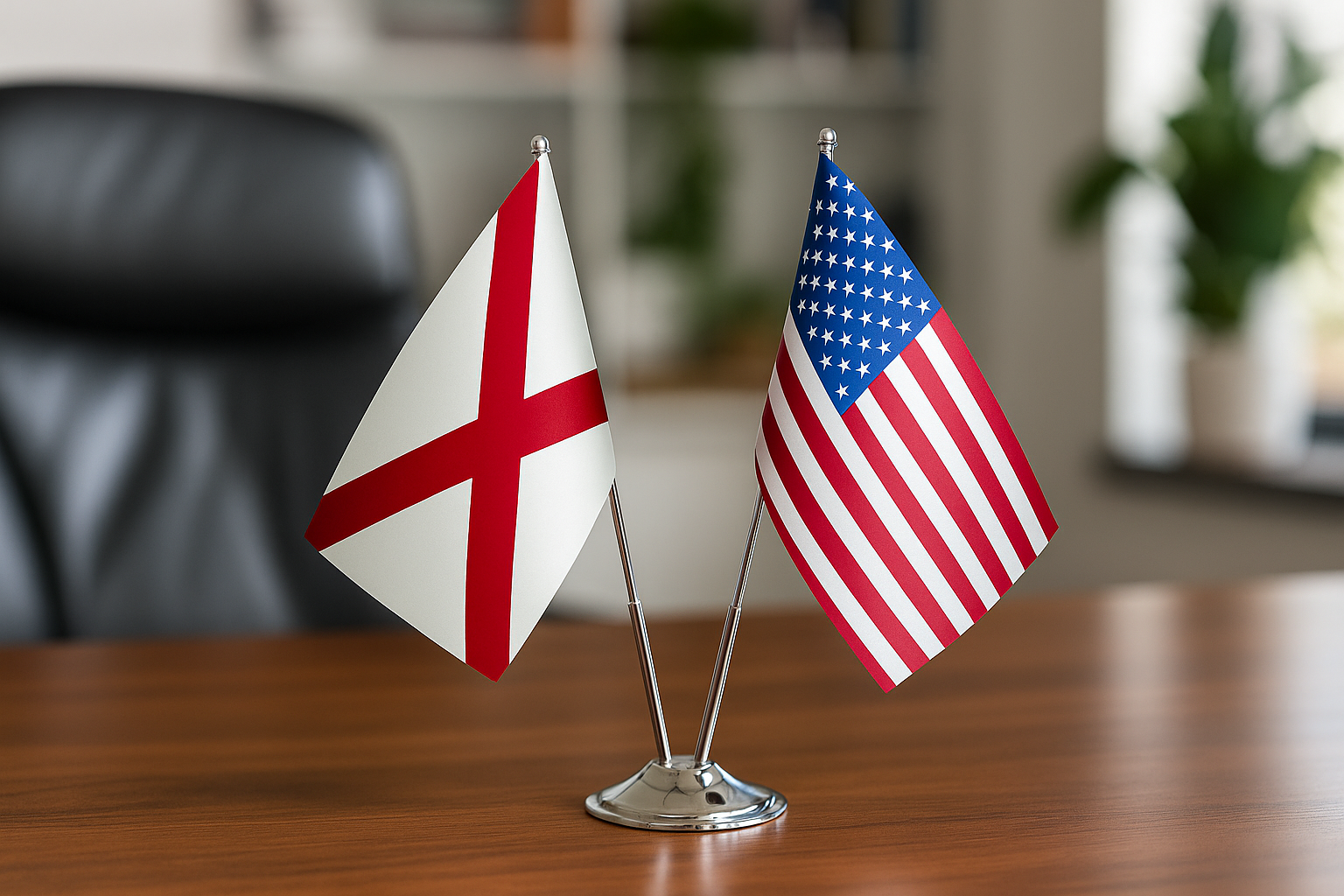




Yes, if you want to fly the United States flag after sunset, you are legally required to illuminate it — either with a dedicated light or by keeping it displayed only during daylight hours. This rule comes directly from the US Flag Code (4 USC § 6(a)), which states that the flag should not be displayed on days when the weather is inclement, and that it may be displayed around the clock only when properly illuminated during hours of darkness. Whether you are setting up a residential pole in a front yard or managing a commercial installation, choosing the right flagpoles and accessories — including lighting solutions — is a foundational step before your first nighttime display.
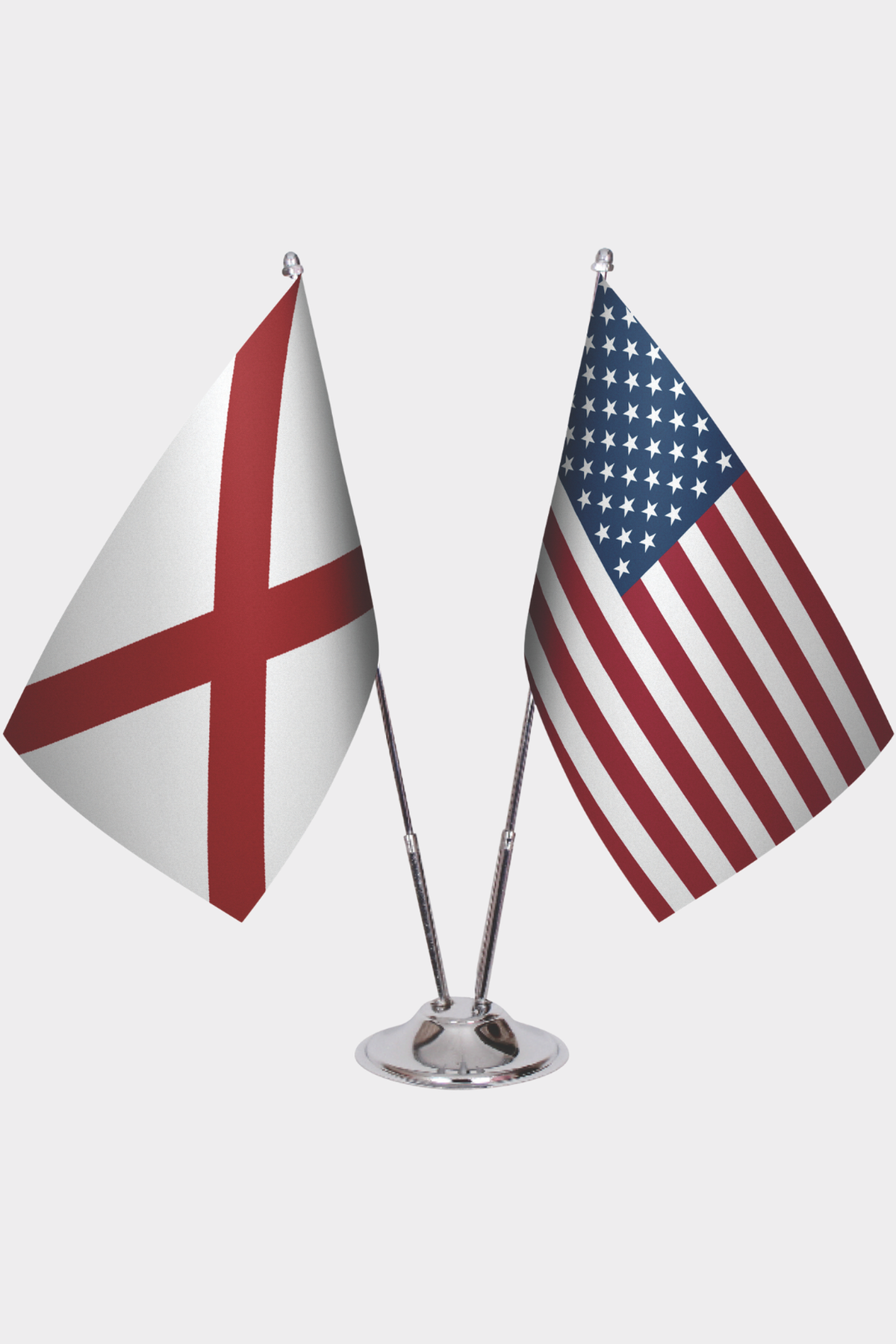
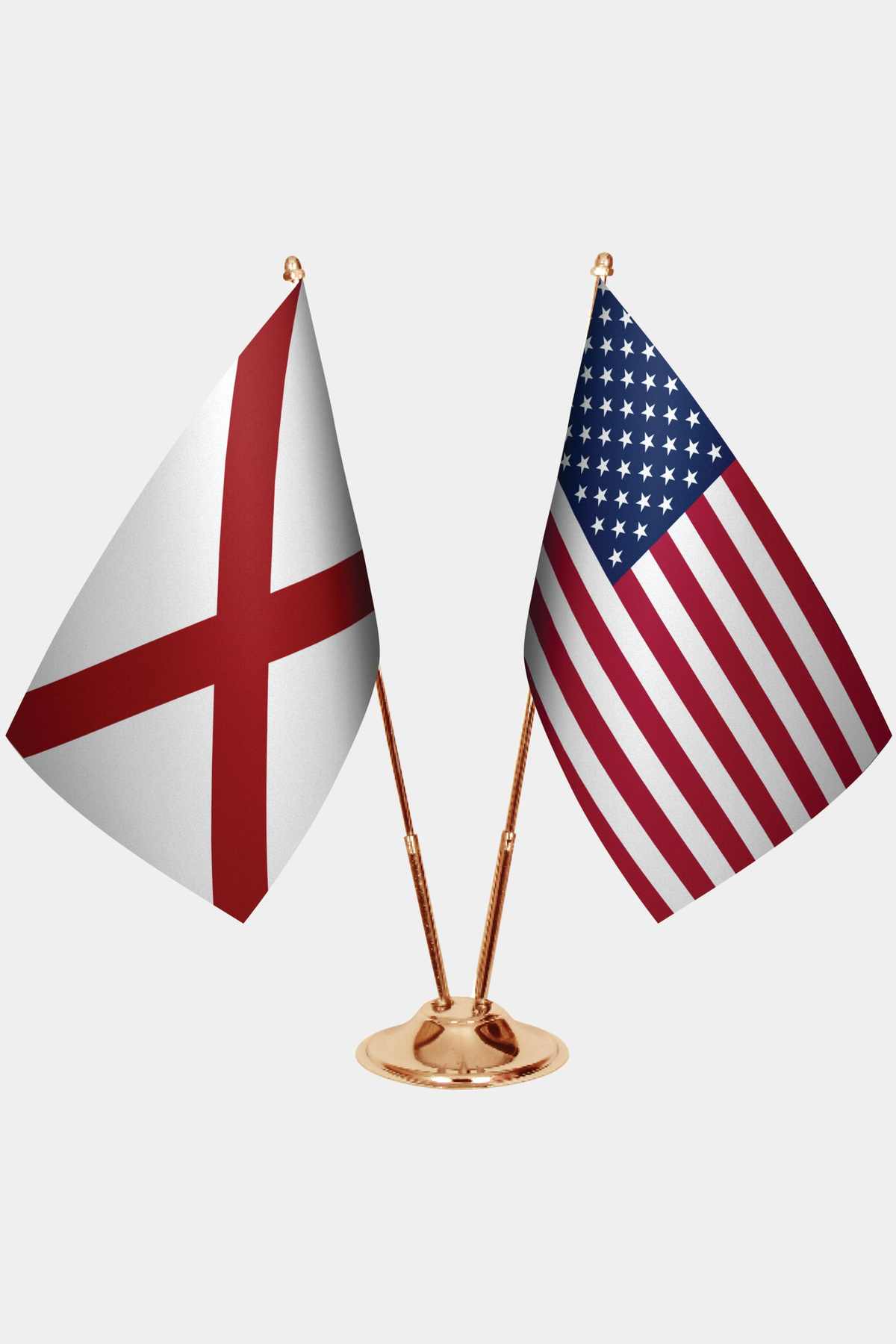
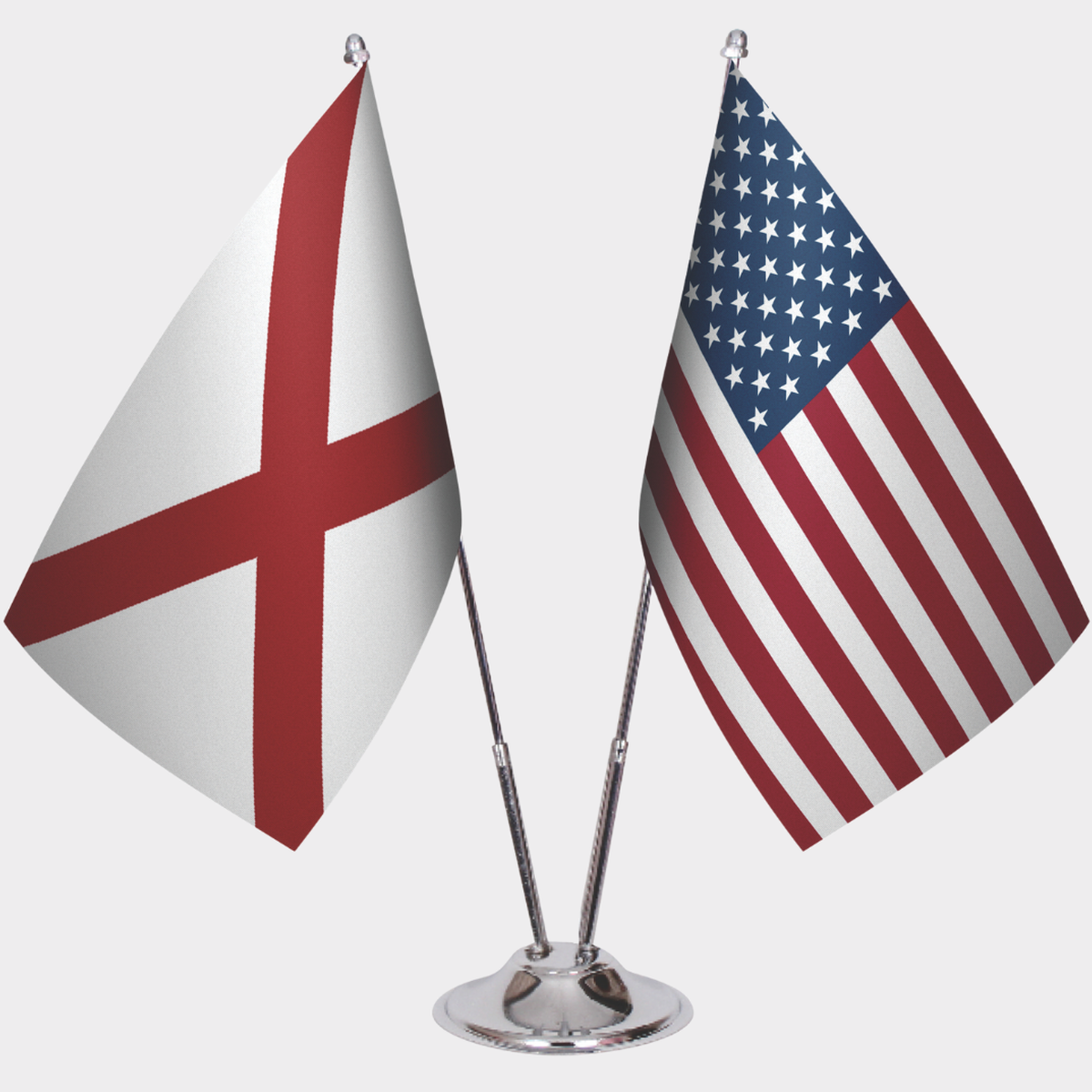
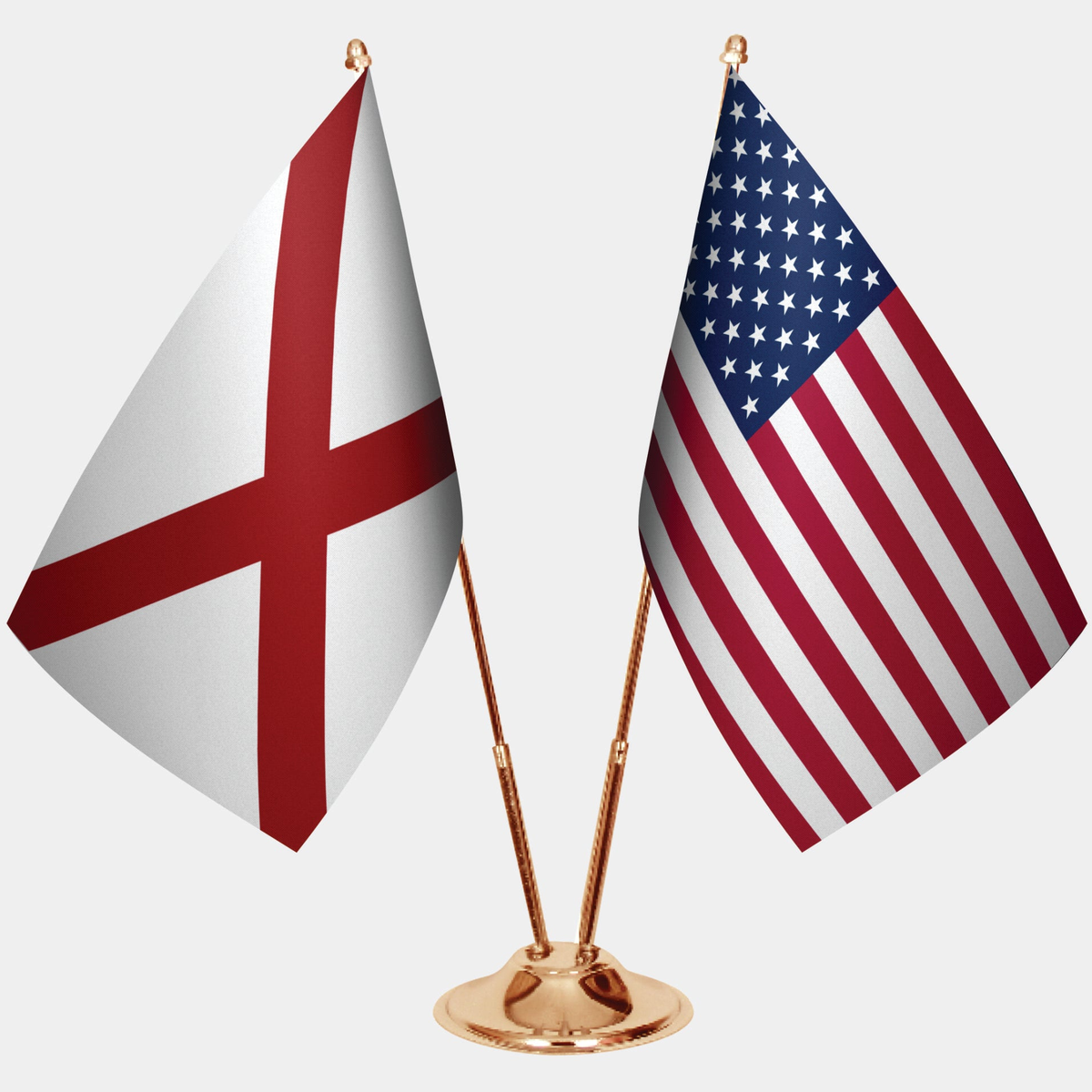
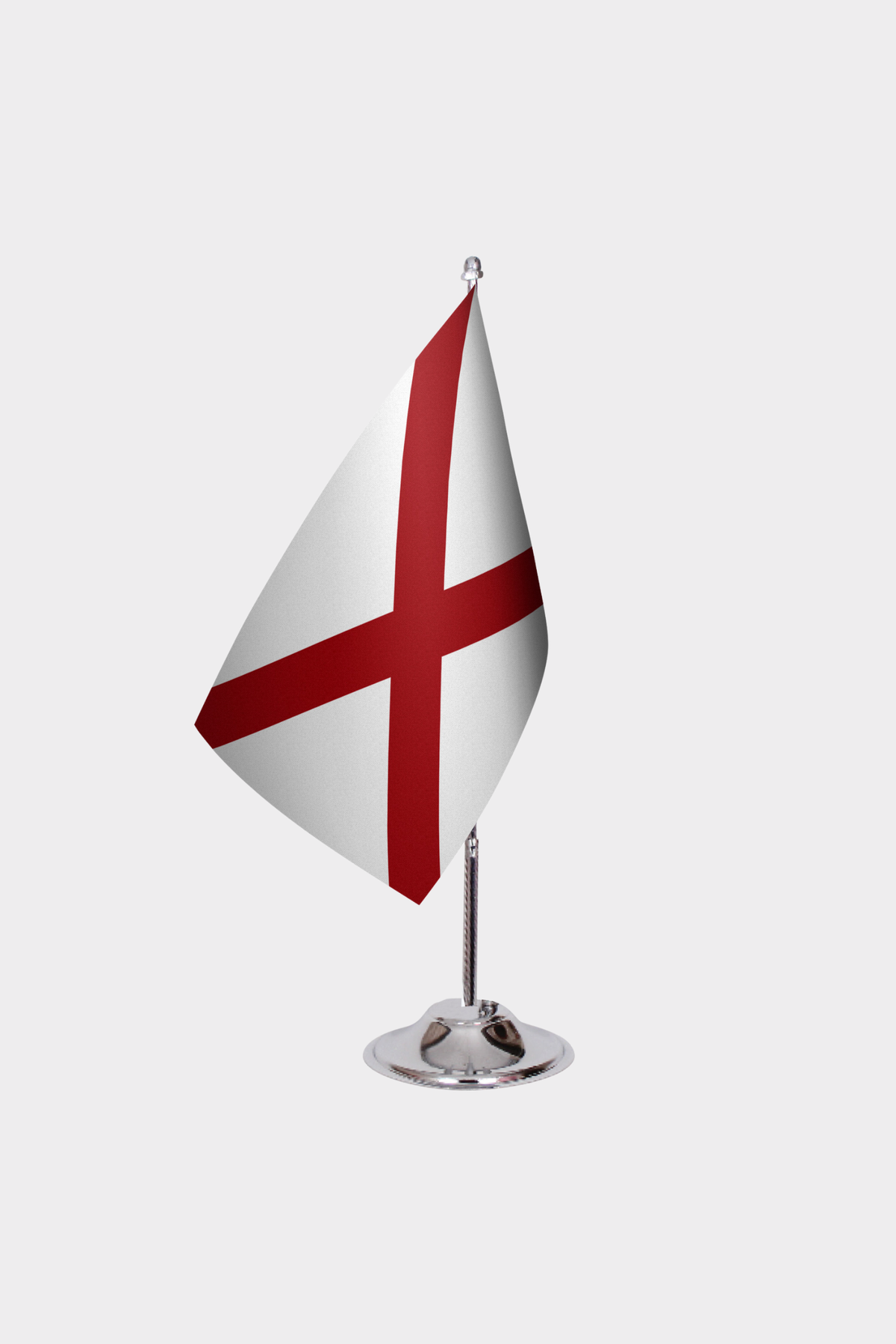
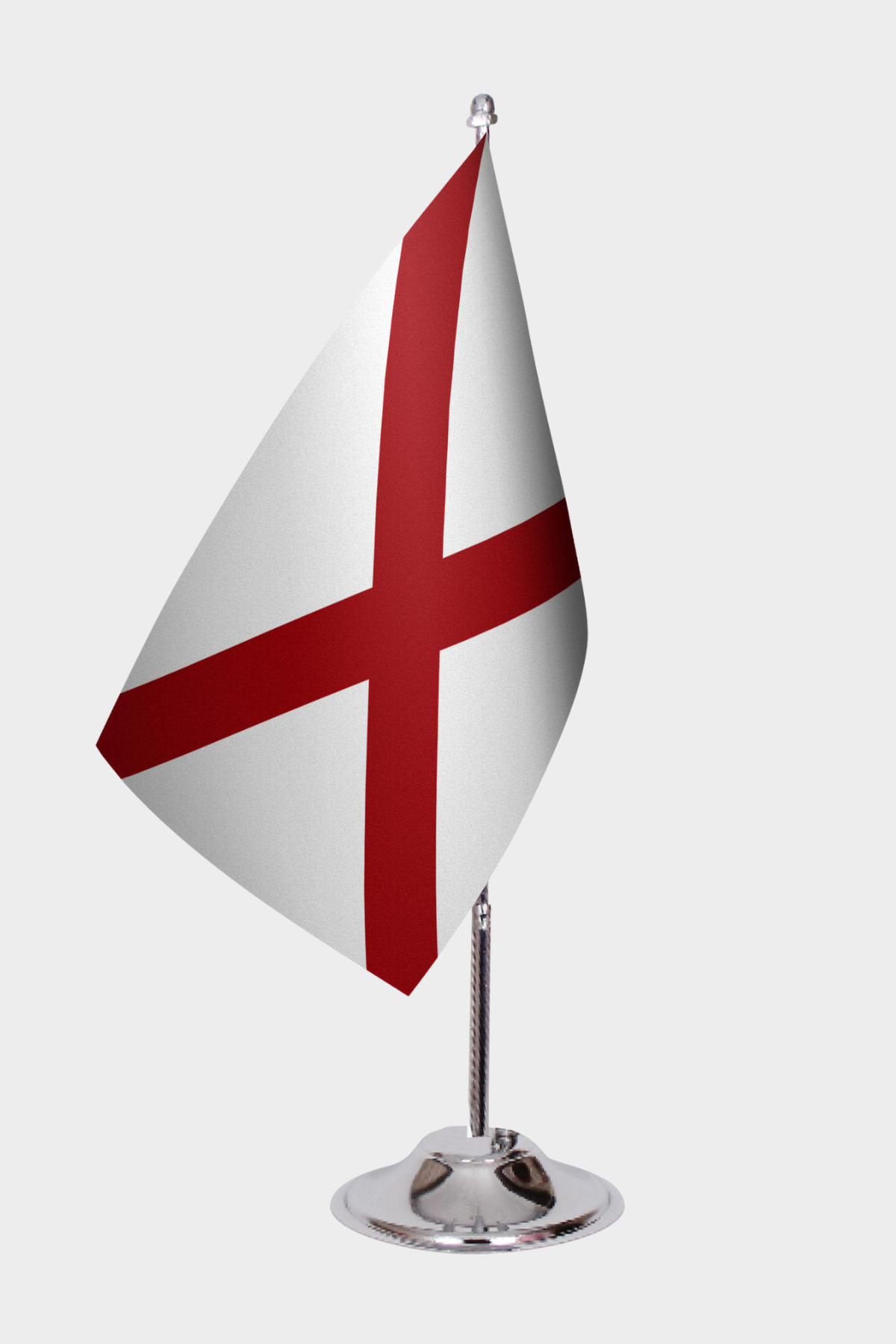
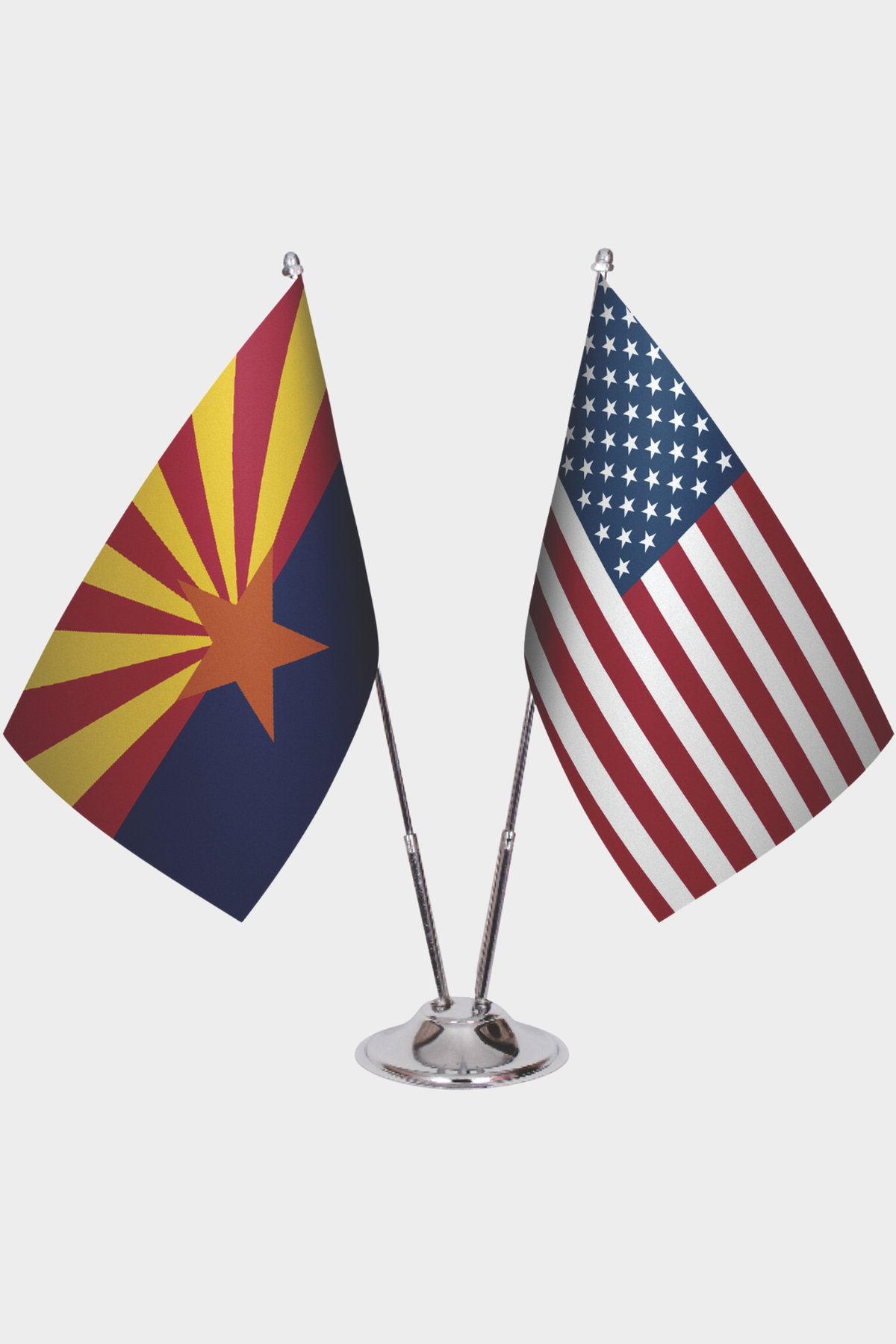
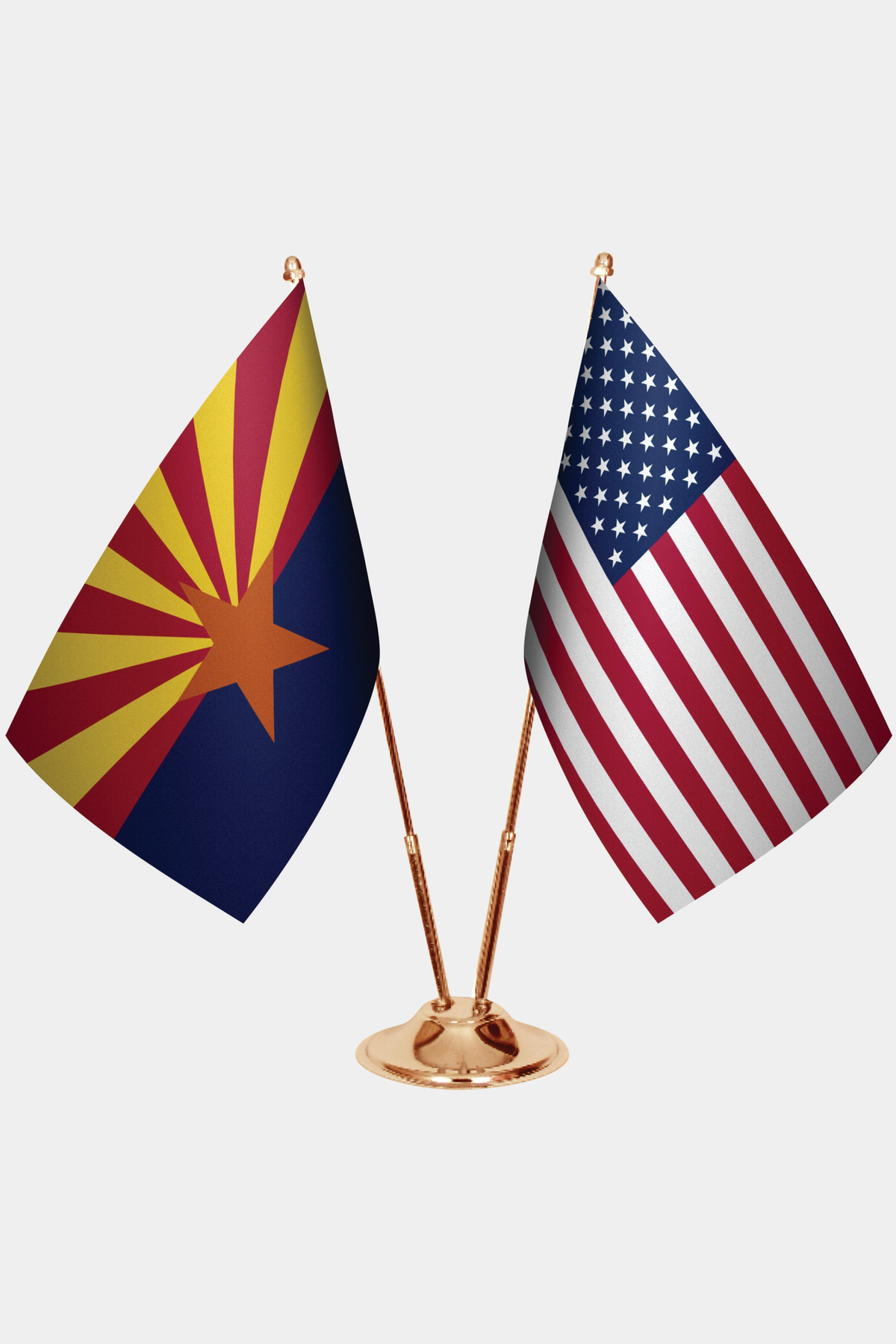
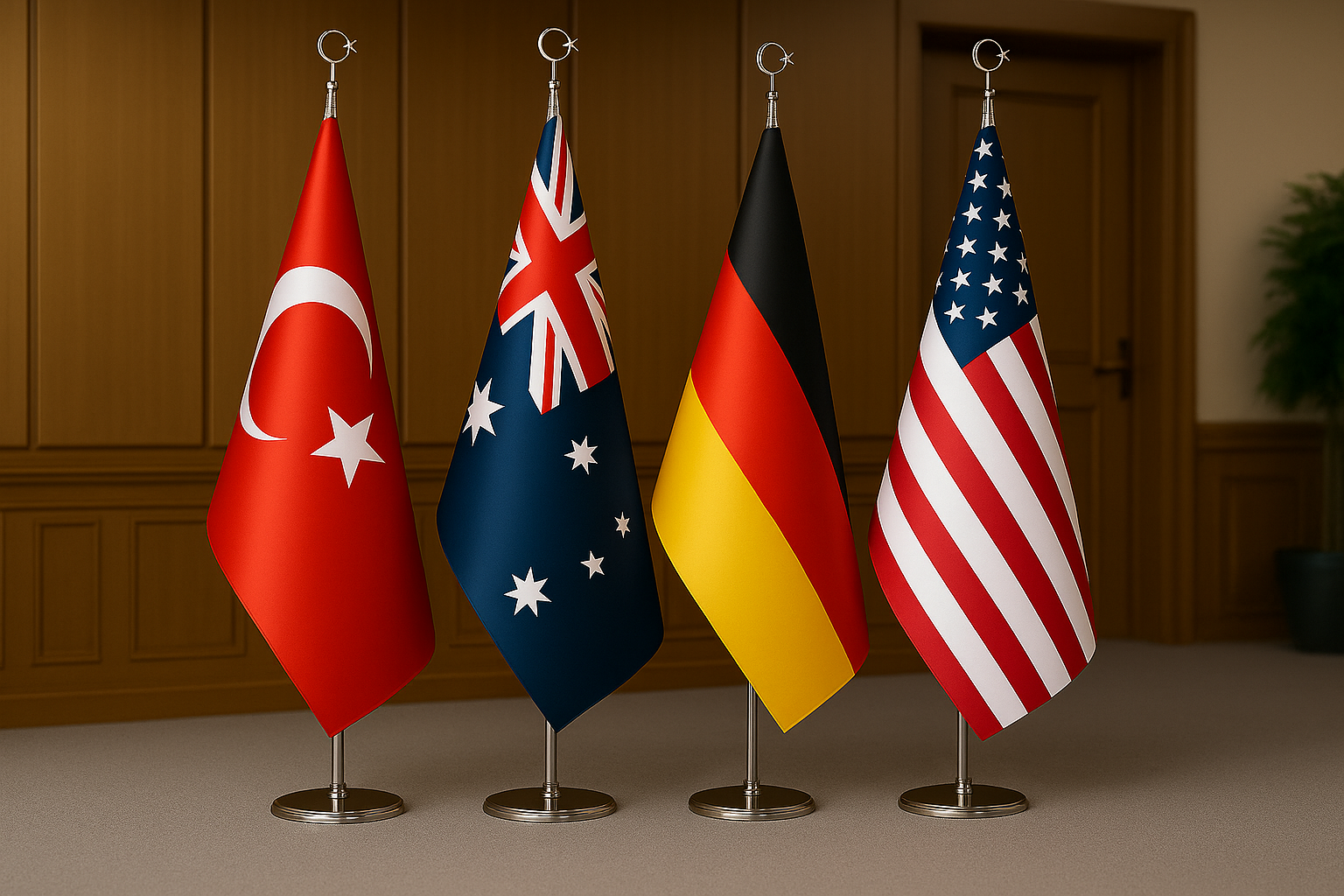
 A properly illuminated flag display starts with a stable, secure base. The Iron Base is engineered to keep freestanding poles anchored firmly, which matters especially at night when wind conditions can shift without warning and you cannot visually monitor the installation as easily as during daylight hours. A wobbly pole compromises not just the display but also the integrity of any lighting fixture mounted to it — top-mount solar lights in particular depend on the pole remaining perfectly vertical so their solar panels face the sky efficiently. Whether your flagpole stands in a driveway median, a commercial entrance, or a patio corner, a solid base is the invisible foundation of a compliant and attractive nighttime display. For setups that need extra flexibility — trade shows, events, or seasonal deployments — pairing a quality base with a lighted flagpole ensures you meet both structural and legal requirements from day one.
What the US Flag Code Actually Says About Flying at Night
The US Flag Code (4 USC § 6(a)) explicitly permits around-the-clock flag display, but only when the flag is "properly illuminated during the hours of darkness." Without illumination after sunset, the flag must be taken down. This is not a suggestion — it is federal statute, and while the Code does not carry criminal penalties for private citizens, military installations, federal buildings, and many state and local governments treat it as binding policy. The key phrase is "properly illuminated," which the Code does not define in lumen or wattage terms, leaving interpretation to common sense: the flag should be clearly visible and recognizable as the national flag throughout the night.
State laws can layer additional requirements on top of federal guidance. Several states — including Texas, South Carolina, and Florida — have adopted their own flag display statutes that mirror or reinforce the federal illumination rule for government and public buildings. Private homeowners are not typically subject to enforcement, but HOA covenants often incorporate the Flag Code by reference, making nighttime lighting a practical compliance requirement even in residential neighborhoods. The bottom line: if you want to leave your flag up after dark, a lighted flagpole is not optional.
How a Solar Lighted Flag Pole Satisfies the Illumination Requirement
A solar lighted flag pole meets the Flag Code's illumination requirement by providing continuous, automatic lighting throughout the night without requiring a wired electrical connection. Modern solar flagpole lights charge their internal lithium or NiMH batteries during daylight hours and activate automatically at dusk via a photosensor, typically delivering 6 to 12 hours of runtime on a full charge — enough to cover darkness from sunset to sunrise through most of the year in the continental United States.
The two most common configurations are top-mount solar lights, which sit directly on the finial or pole cap and project downward onto the flag, and ground-stake solar spotlights, which are positioned at the base of the pole and shine upward. Top-mount units tend to offer more even coverage because they illuminate the flag from above regardless of which direction the flag is flying, while ground-stake lights require careful positioning relative to prevailing wind direction. For a detailed breakdown of lumens, beam angles, and seasonal solar panel performance by geography, see our companion article on solar flagpole light brightness and coverage, which covers runtime, charging, and placement in depth.
What Makes a Lighted Flagpole Setup Work Through All Four Seasons
 Year-round nighttime compliance depends on more than the light itself — it depends on the entire pole system holding up through wind, rain, snow, and UV exposure. The 15 kg Rubber Base is an excellent choice for setups that need to move seasonally or that cannot be ground-anchored — its weight provides stability while the rubber construction protects flooring surfaces indoors and pavement outdoors. A lighted flagpole on a portable base gives facility managers, retailers, and homeowners the ability to bring the whole assembly inside during severe weather without losing compliance the rest of the year. Pairing a robust base with a high-quality solar light means you are not just meeting the Flag Code tonight — you are building a system that holds up for years. For guidance on how to install a more permanent residential setup, our step-by-step guide on how to install a flagpole in a front yard walks through the full process from hole depth to hardware.
Weather resistance ratings matter significantly for any outdoor lighting component. Look for solar flagpole lights rated at least IP44 (splash-proof) and ideally IP65 (dust-tight and water-jet resistant) for reliable year-round performance. In northern climates where daylight drops below 9 hours in December, a solar light with a larger panel area or a supplemental battery capacity will maintain compliant runtime even on overcast winter days. In high-wind regions, top-mount lights should be rated for sustained winds of at least 55 mph (88 km/h) and secured with locking set screws rather than friction-fit caps.
Wall-Mounted and Residential Setups That Include Lighting
Wall-mounted flagpoles present a slightly different lighting challenge because the flag hangs at an angle from the building facade rather than on a freestanding pole. Illumination options include a small top-mount solar light fitted to the pole's outer tip, a separately mounted outdoor spotlight aimed at the flag, or a low-voltage LED fixture installed above the mounting bracket. Each approach can satisfy the Flag Code's illumination requirement as long as the flag remains clearly visible after dark.
The United States Wall-Mounted Telescopic Flagpole Set is designed for residential and light-commercial facade mounting and can accommodate a solar tip light on its telescoping pole end. The telescopic design also makes it easier to adjust the pole length to ensure the flag clears architectural features that might otherwise block a ground-level spotlight's beam. Because wall-mounted poles typically extend 6 ft to 8 ft (1.8 m to 2.4 m) from the building, a tip-mounted solar light at that distance provides excellent downward illumination across the full flag face without the need for electrical wiring through the wall.

Flagpoles & Accessories
Everything you need for a compliant, durable nighttime flag display — poles, bases, hardware, and lighting-ready accessories in one place.
Browse Collection →What to Watch Out For When Choosing a Nighttime Flag Display Setup
Not every solar light on the market is suitable for flagpole use, and several common mistakes lead to either non-compliant display or premature equipment failure. Insufficient lumens is the most frequent problem: a solar light producing fewer than 100 lumens will not illuminate a 3 ft × 5 ft (0.9 m × 1.5 m) flag adequately, particularly on a pole taller than 15 ft (4.6 m). The Flag Code's "properly illuminated" standard is generally interpreted to mean the flag is recognizable as the national flag — stripes visible, canton distinguishable — which requires meaningful light output, not just a faint glow.
Battery degradation is a secondary concern. Most lithium iron phosphate (LiFePO4) batteries in quality solar lights retain 80% capacity after 500 charge cycles — roughly two years of daily use — while cheaper NiMH cells may degrade noticeably within the first year. Panel angle is critical too: a top-mount solar light whose panel faces straight up captures maximum solar energy at solar noon but underperforms at high latitudes in winter when the sun sits low on the horizon. Ground-stake lights offer the advantage of adjustable panel tilt, allowing you to optimize the angle seasonally. Always check that your chosen lighting solution is compatible with your specific pole diameter before purchasing, as mounting collar sizes vary between 1 in (25 mm) and 2 in (51 mm) across residential and commercial poles.
A Practical Checklist for Nighttime Flag Compliance
Compliant nighttime flag display comes down to five concrete decisions you make before the sun sets. Work through this checklist once and your setup will meet both federal Flag Code requirements and most state and HOA standards indefinitely.
- Choose a lighting type: Top-mount solar light for freestanding poles over 15 ft (4.6 m); adjustable ground-stake solar spotlight for shorter poles or wall-mounted setups; hardwired LED spotlight for permanent commercial installations.
- Verify lumen output: Minimum 100 lumens for a 3×5 ft flag at 15 ft (4.6 m) pole height; 200+ lumens for 20 ft (6 m) and taller poles.
- Confirm IP rating: IP44 minimum for sheltered locations; IP65 for exposed coastal, high-rain, or high-wind environments.
- Check battery runtime: Select a light rated for at least 8–10 hours of continuous runtime to cover winter nights without a charging gap.
- Secure the pole and base: Ensure your base or stand keeps the pole vertical — a leaning pole tilts solar panels off-axis and reduces overnight charge retention.
- Inspect monthly: Clean solar panels of dust and debris, check battery charge levels, and confirm the photosensor activates reliably at dusk.
- Lower the flag in severe weather: The Flag Code (4 USC § 6(c)) calls for the flag to be displayed only in fair weather unless an all-weather flag is used — nighttime storms are covered by this provision, so having a quick-release pole and holder system makes compliance easy.
How many hours does a solar flagpole light actually run overnight? +
Will a solar flag light work in winter when days are short? +
Is a top-mount solar flagpole light better than a ground spotlight? +
What diameter collar fits most residential flagpoles? +
Can I use any outdoor spotlight to illuminate my flag, or does it need to be a flagpole-specific light? +
How long do the batteries in a solar flagpole light last before they need to be replaced? +
Does flying the flag 24 hours a day cause it to wear out faster? +
Nighttime flag display done right is a combination of legal compliance, smart hardware selection, and a maintenance routine you can actually sustain. Start with a stable, appropriate pole and base from the Flagpoles & Accessories collection, match it with the right solar or wired lighting for your location and pole height, and check out our full guide on solar flagpole light brightness and coverage for in-depth technical guidance on lumens, beam angles, and seasonal performance. For mounting hardware and pole support solutions, browse the Poles & Holders collection and the Bases & Stands collection to complete your setup. Bulk pricing is available for corporate, municipal, and multi-site orders — contact us directly for volume quotes.