





Flag Day on June 14 commemorates the adoption of the Stars and Stripes on June 14, 1777, and serves as the nation's annual reminder to honor Old Glory with respectful, code-compliant display. Whether you're a first-time flag owner or a lifelong patriot brushing up on the rules, this guide covers the full history of US flag day, practical flag day display tips, and everything you need to fly the flag with pride and precision.
Few national observances blend civic duty with personal expression quite like Flag Day. Each year on June 14, communities across the country raise their flags in unison — on porches, in town squares, outside schools and businesses — creating a visual tapestry that reflects America's enduring identity. Understanding why this day exists, and how to honor it correctly, transforms the act of flag display from a casual gesture into a meaningful tradition rooted in over two centuries of history.
The Origins of Flag Day June 14: Why This Date Was Chosen
Flag Day falls on June 14 because that is the exact date in 1777 when the Continental Congress passed the Flag Resolution, formally establishing the Stars and Stripes as the national flag of the United States. That single legislative act — just 26 words long — launched a tradition that has shaped American identity ever since.
The Flag Resolution of June 14, 1777 read: "Resolved, that the flag of the thirteen United States be thirteen stripes, alternate red and white; that the union be thirteen stars, white in a blue field, representing a new constellation." The resolution was sparse on details — it said nothing about the arrangement of stars or the precise proportions — which is why early American flags varied so dramatically in design. Some had stars arranged in rows, others in circles, and a handful featured unusual patterns that reflected local craftsmanship rather than any federal standard.
The push to formally recognize June 14 as a national observance took over a century. Schoolteacher Bernard J. Cigrand is widely credited with leading the charge, organizing the first Flag Day celebration in 1885 at Stony Hill School in Waubeka, Wisconsin. His decades-long advocacy eventually caught the attention of President Woodrow Wilson, who issued a proclamation in 1916 designating June 14 as Flag Day. Congress followed with legislation in 1949, officially establishing National Flag Day — though it remains a federal observance rather than a federal holiday, meaning government offices and banks do not close.
Old Glory History: How the Flag Evolved Over 246 Years
Old Glory history spans 27 official versions of the flag, each new design triggered by the admission of a new state to the Union. The current 50-star flag has been flying since July 4, 1960 — making it the longest-serving version in American history, surpassing the 47-year run of the 48-star flag by a wide margin.
 The nickname "Old Glory" itself has a documented origin: sea captain William Driver of Salem, Massachusetts, gave that name to a large flag he received as a birthday gift in 1824 and flew aboard his ship. When the Civil War broke out, Driver reportedly hid the flag inside a quilt to protect it from Confederate forces occupying Nashville, retrieving it when Union troops arrived and raising it over the Tennessee State Capitol. The story captured the national imagination and the nickname stuck. Today, the flag on display at the Smithsonian Institution's National Museum of American History is the original Star-Spangled Banner that inspired Francis Scott Key's famous poem-turned-anthem during the War of 1812 — a 30 ft × 42 ft (9.1 m × 12.8 m) garrison flag that survived the British bombardment of Fort McHenry on September 13–14, 1814. If you want to honor this rich legacy with a high-quality flag of your own, the USA Outdoor Flag collection at Asya Bayrak offers durable, weather-resistant options built for long-term display. From the Betsy Ross 13-star design to the modern 50-star standard, each iteration of the flag carries the weight of the historical moment that created it, making Flag Day an ideal occasion to reflect on how far the country — and its symbol — has traveled.
Each new star was added on the Fourth of July following a state's admission, a tradition codified by the Flag Act of 1818. Hawaii's addition in 1960 brought the count to 50, and the design — created by 17-year-old Robert Heft as a high school project — has remained unchanged ever since. Heft initially received a B− for the project; his teacher raised the grade to an A after Congress adopted the design.
Understanding the US Flag Code for Flag Day Display
The US Flag Code (4 USC §§ 1–10) is the primary federal authority governing respectful flag display, and Flag Day is explicitly referenced within it as a day when all Americans are encouraged to fly the flag. While the Code carries no criminal penalties for civilians, it establishes the standards that define proper, honorable display.
Key provisions every flag-flyer should know include the following. The flag should be hoisted briskly and lowered ceremoniously. When displayed on a staff or pole, the union (blue field) should always be at the peak — never at half-staff unless the President or a state governor has ordered it. On Flag Day itself, it is entirely appropriate to fly the flag at full staff; half-staff is reserved for mourning proclamations, and flying a fresh, properly maintained flag at full height is the correct way to celebrate the occasion. The flag should never touch the ground, the floor, water, or merchandise. It should not be used as apparel, bedding, or drapery, though flag-themed (not flag-identical) clothing is commonplace and not a violation of the Code for civilians.
Illumination is another critical rule that many people overlook. According to the Flag Code, the flag should only be displayed from sunrise to sunset on buildings and staffs outdoors — unless it is properly illuminated during darkness. If you want to fly your flag 24 hours a day, ensure a light source is directed at it throughout the night. This is a particularly relevant rule for Flag Day celebrations that extend into the evening hours.
Flag Day Display: Practical Rules for Homes and Businesses
Proper flag day display comes down to five fundamentals: correct orientation, appropriate sizing, proper illumination, respectful handling, and timely retirement of worn flags. Getting all five right ensures your display honors the flag rather than inadvertently violating the Code.
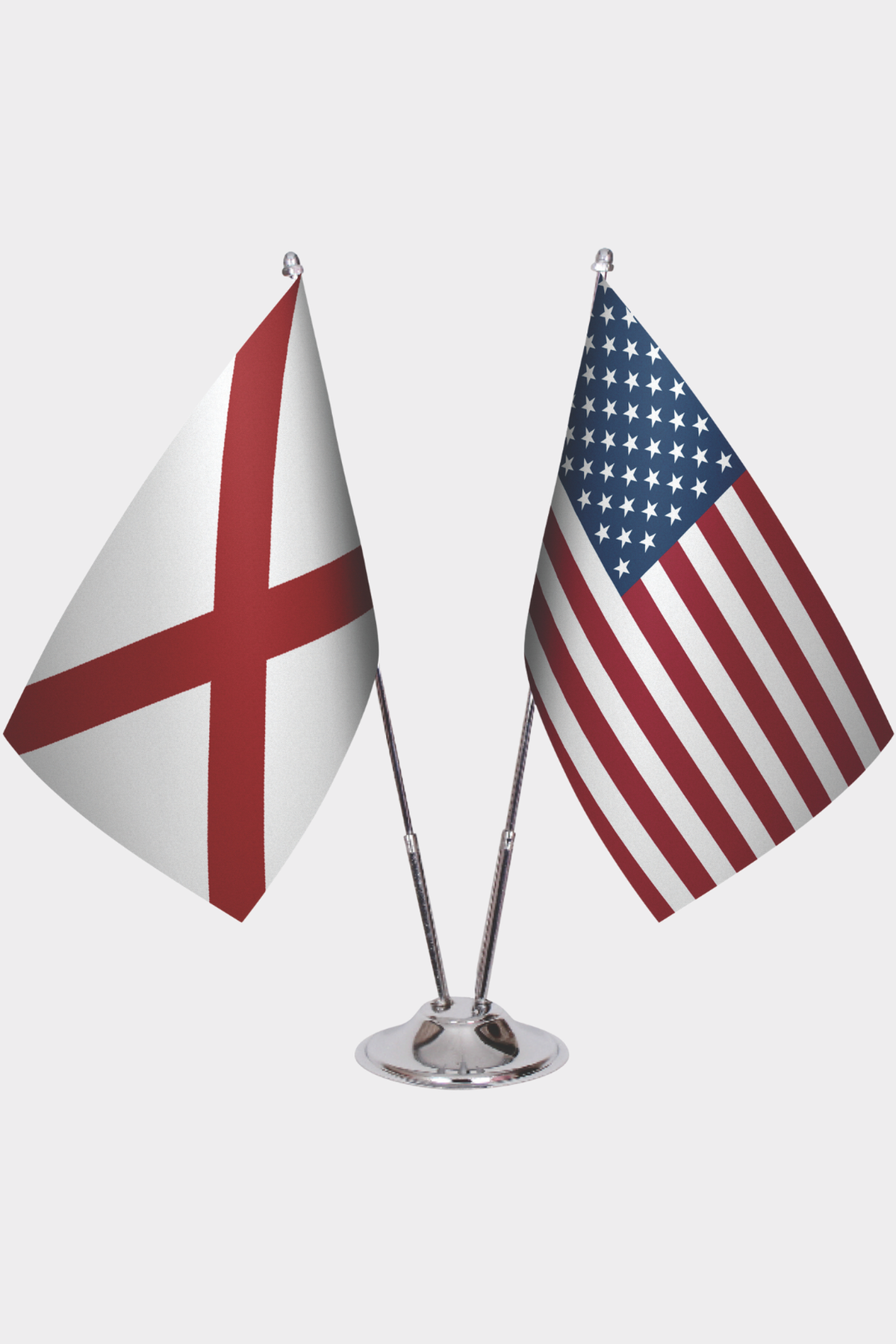
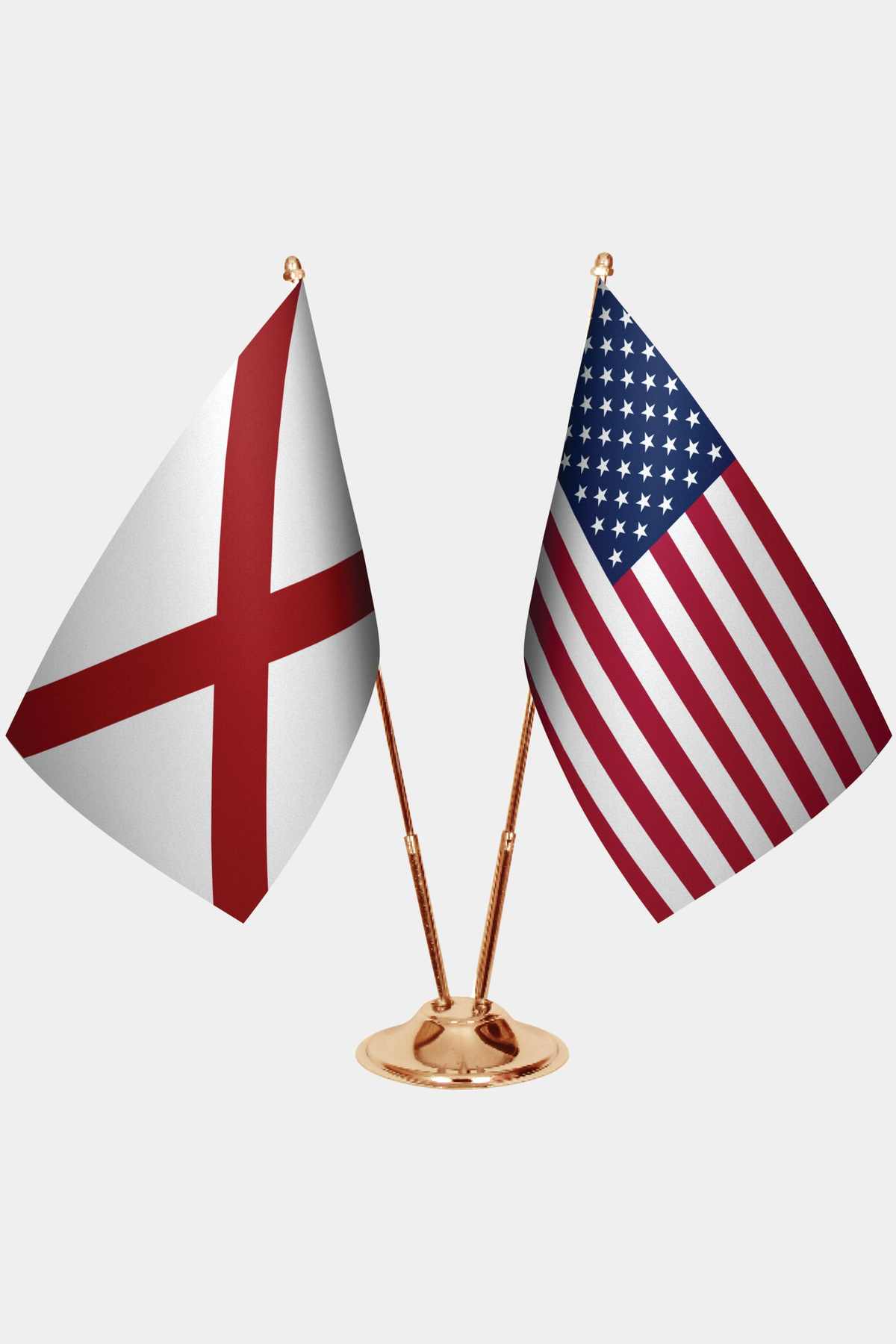
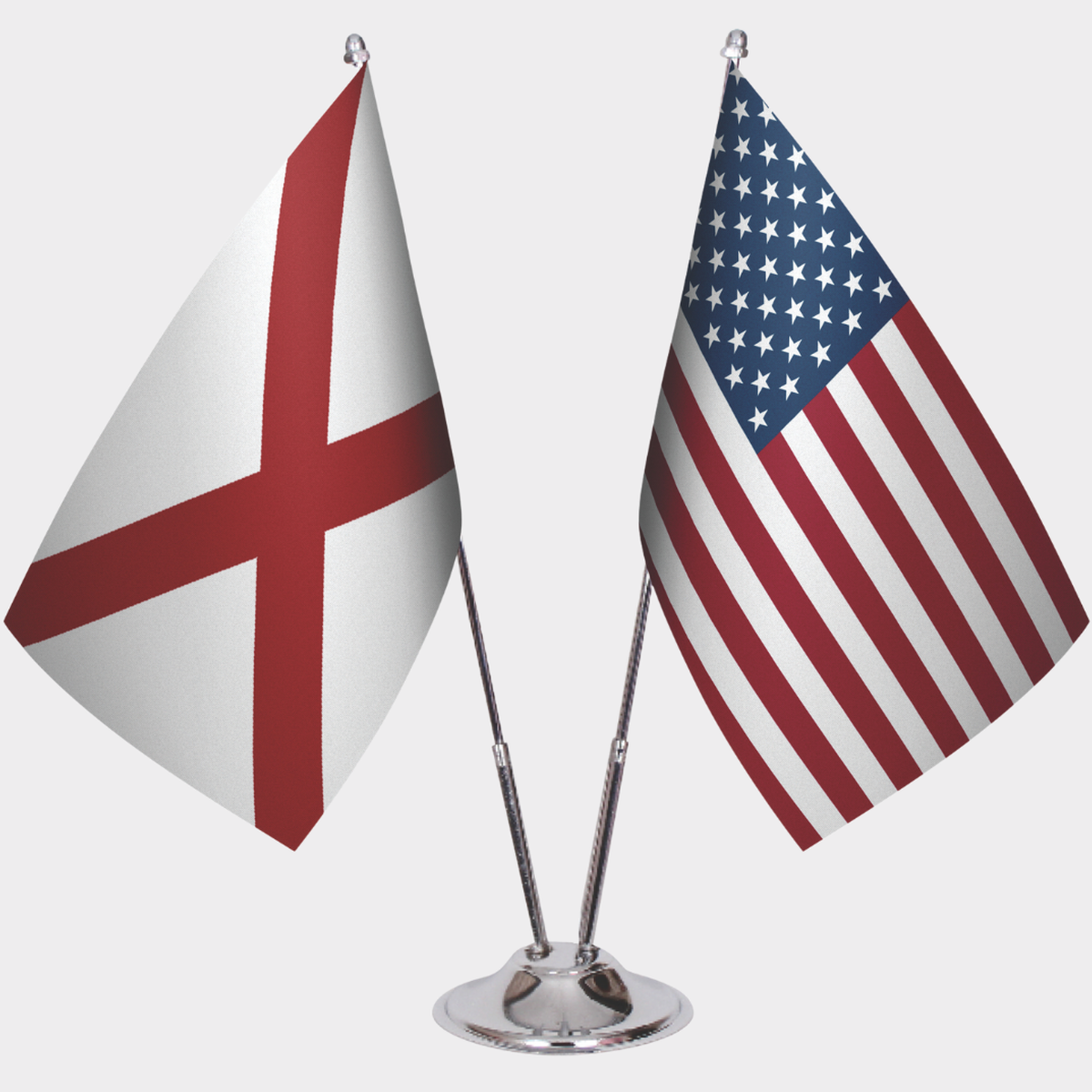
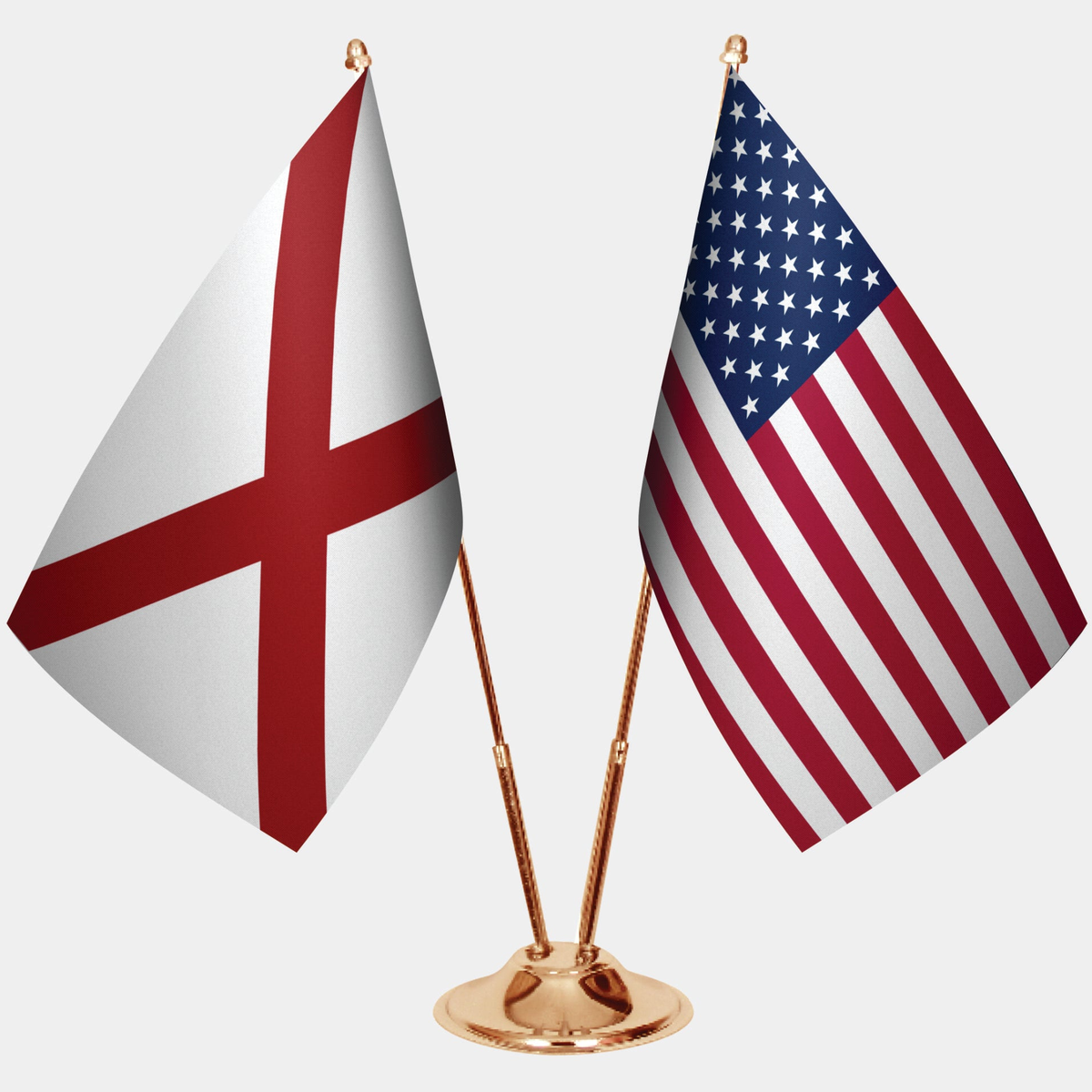
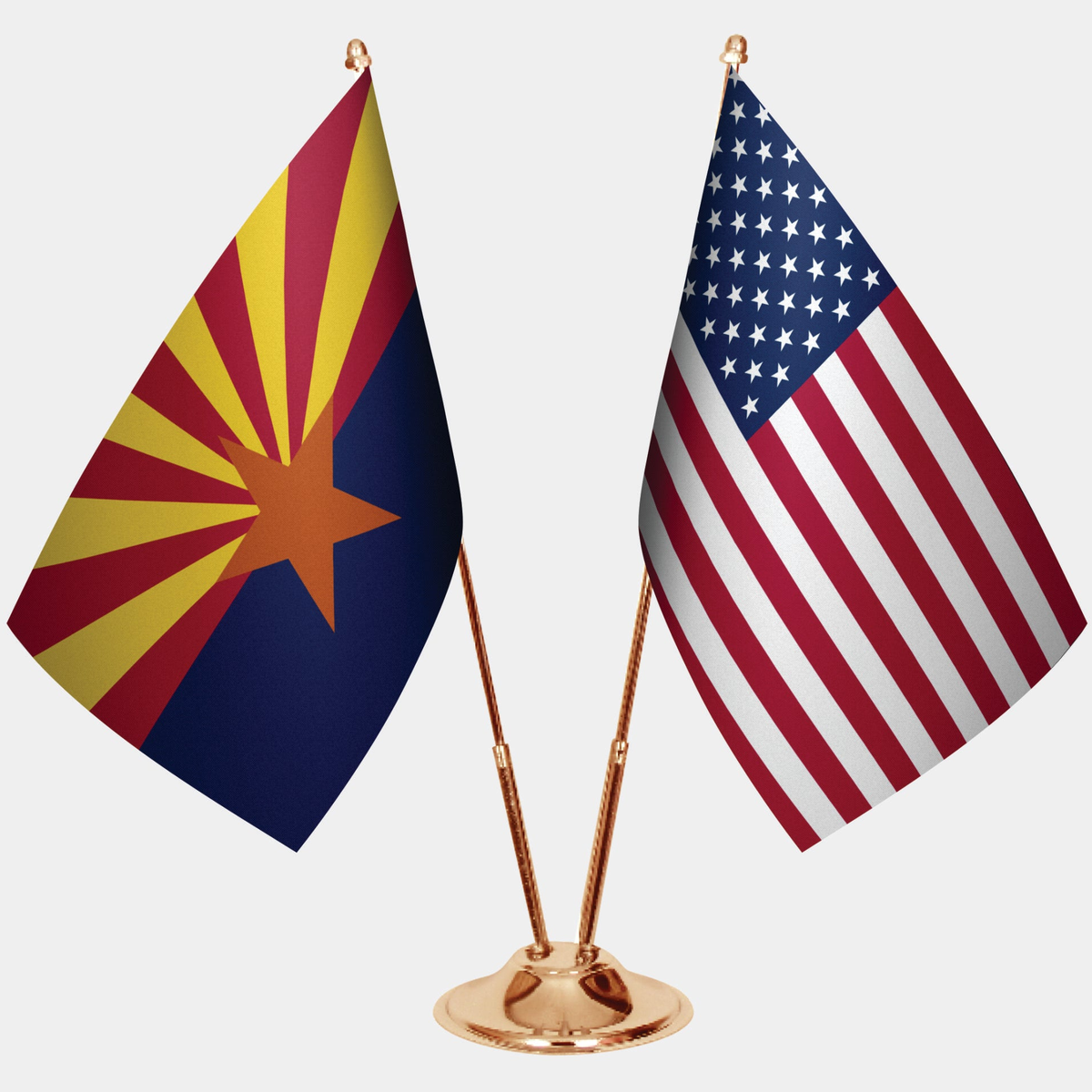
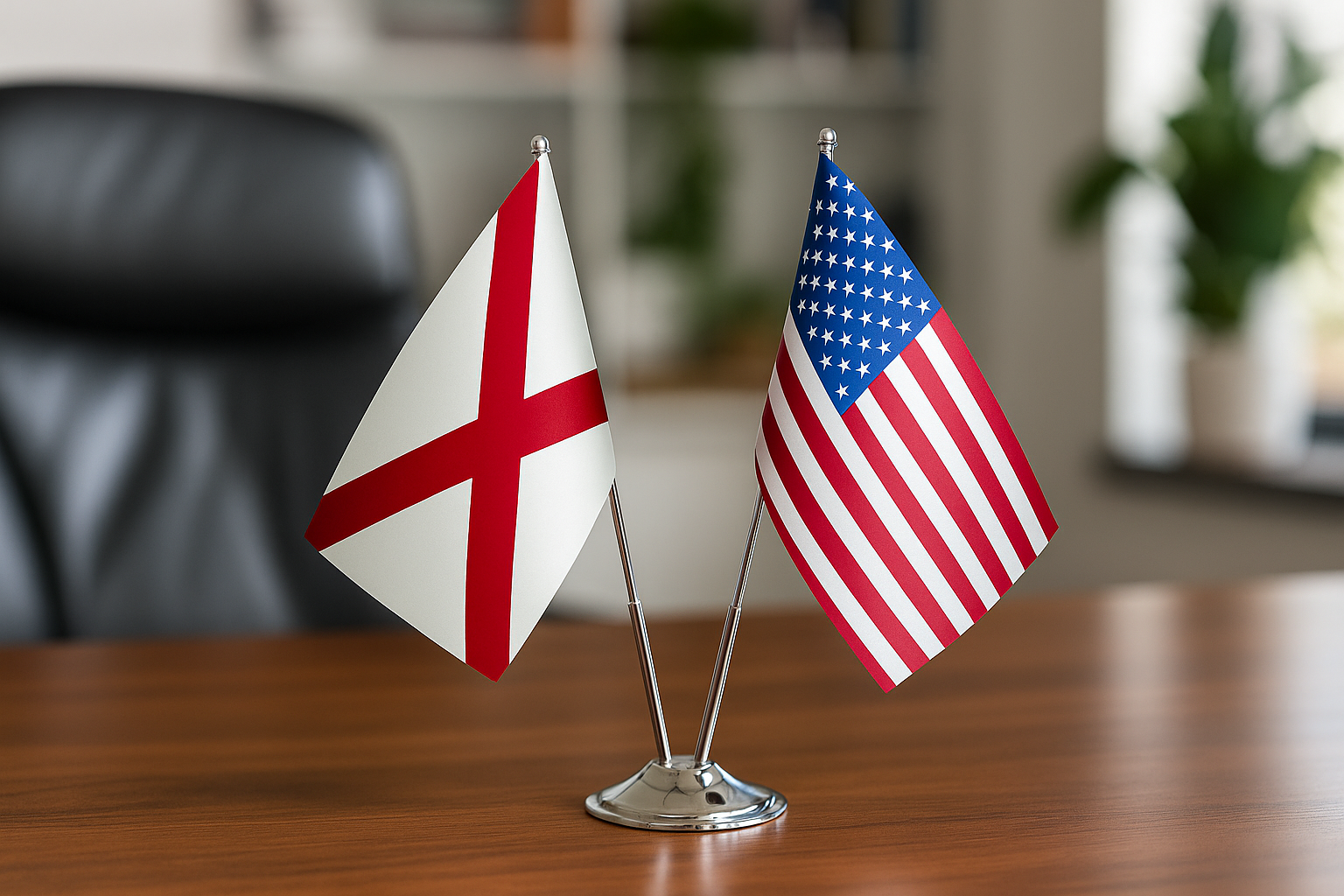
 For residential display, the most common setup is a wall-mounted bracket holding a 3 ft × 5 ft (0.9 m × 1.5 m) flag on an angled staff. When mounted on a wall, the union should be at the flag's own right — which means it appears in the upper left as you face it from the street. When the flag is displayed horizontally or vertically against a wall, the union must be uppermost and to the observer's left. Businesses often opt for larger 4 ft × 6 ft (1.2 m × 1.8 m) or 5 ft × 8 ft (1.5 m × 2.4 m) flags on in-ground or mounted poles, which creates a more commanding display visible from a distance. For indoor and desk settings — conference rooms, reception areas, classrooms — the USA Desk Flag offers a compact, professionally finished option that keeps the spirit of Flag Day present throughout the workday. Regardless of size, the flag should be kept clean and in good repair; a faded, torn, or soiled flag should be retired properly — traditionally by burning in a dignified ceremony, a service often offered by local VFW posts and American Legion chapters.
Sizing matters more than most people realize. A flag that is too small for its pole or display location looks diminificant and can actually appear disrespectful through sheer proportion mismatch. The general guideline from the National Flag Foundation is that flag length should be approximately one-quarter of the pole height. So a 20 ft (6.1 m) pole typically calls for a 4 ft × 6 ft (1.2 m × 1.8 m) flag, while a 25 ft (7.6 m) pole works best with a 5 ft × 8 ft (1.5 m × 2.4 m) flag.
How to Care for Your Flag Between Flag Day and the Next Display
A quality outdoor US flag has a lifespan of roughly 6 months to 2 years depending on environmental conditions, UV exposure, and care practices — and proper storage between display periods can significantly extend that range. Taking care of your flag is itself a form of respect for what it represents.
When removing the flag for storage, fold it in the traditional triangular military fold: begin by folding the flag lengthwise, stripes over the union, then fold again lengthwise, then make a series of triangular folds from the fly end toward the union. The resulting triangle should show only the blue field with stars. Store it in a clean, dry container — away from direct sunlight, moisture, and pests. For outdoor flags rated at 80% or higher UV resistance (a standard found in high-quality nylon and heavy-duty polyester flags), periodic cleaning with mild soap and cold water can remove debris that accelerates fabric wear. Never machine-dry a flag on high heat, as this causes color fading and weakens the stitching along the fly hem — the edge that experiences the most stress in wind.
Flags Collection
Explore Asya Bayrak's full range of American and international flags, available in multiple sizes and materials built for both indoor and outdoor display.
Browse Collection →Flag Day Traditions and How Communities Celebrate Across the US
Flag Day traditions range from formal military ceremonies and parades to school flag-folding demonstrations and neighborhood flag exchanges — and the breadth of celebration reflects just how personally Americans connect with their national symbol. The city of Troy, New York, and Fairfield, Washington, both claim to host "the nation's oldest Flag Day parade," a friendly dispute that underscores how deeply the observance has taken root at the local level.
The US Army also celebrates its birthday on June 14 — established by the Continental Congress on that date in 1775 — which means Flag Day often overlaps with military appreciation events, giving communities a natural reason to combine patriotic observance with veteran recognition. Many VFW and American Legion posts host free flag retirement ceremonies on or around June 14, offering citizens the chance to respectfully dispose of worn flags. Civic organizations, schools, and scouting groups frequently use the occasion to teach children about the Flag Code, the Pledge of Allegiance, and the history of Old Glory, ensuring the tradition passes to new generations. Flag Day is also, practically speaking, one of the best times of year to inspect your current flag for wear and upgrade to a new, high-quality replacement before the summer display season reaches its peak.
Internationally, the FIAV (Fédération Internationale des Associations Vexillologiques) recognizes the American Stars and Stripes as one of the most symbolically complex and historically significant national flags in the world — a recognition that adds a layer of global context to what is, at its heart, a profoundly American celebration.
Frequently Asked Questions About Flag Day and US Flag Display
What is Flag Day and why is it celebrated on June 14? +
Is the flag supposed to be at half-staff on Flag Day? +
Can I leave my flag out overnight on Flag Day? +
What size flag should I buy for my home or business? +
Where does the nickname Old Glory come from? +
How should I dispose of a worn or damaged US flag? +
How long does an outdoor US flag typically last? +
How many times has the design of the US flag changed? +
Flag Day on June 14 is more than a date on the calendar — it is an invitation to engage meaningfully with American history, civic identity, and the simple, powerful act of flying a flag with intention. Whether you are upgrading a weathered banner, setting up a first-time display at home, or equipping an office for the season, Asya Bayrak offers purpose-built options for every setting: explore the USA Outdoor Flag for full-size pole and bracket display, browse the USA Desk Flag for interior and tabletop use, or visit the complete Flags Collection to find the right size and material for your specific needs. Bulk pricing is available for corporate, government, and institutional orders — contact the Asya Bayrak team directly to discuss volume requirements and custom specifications.