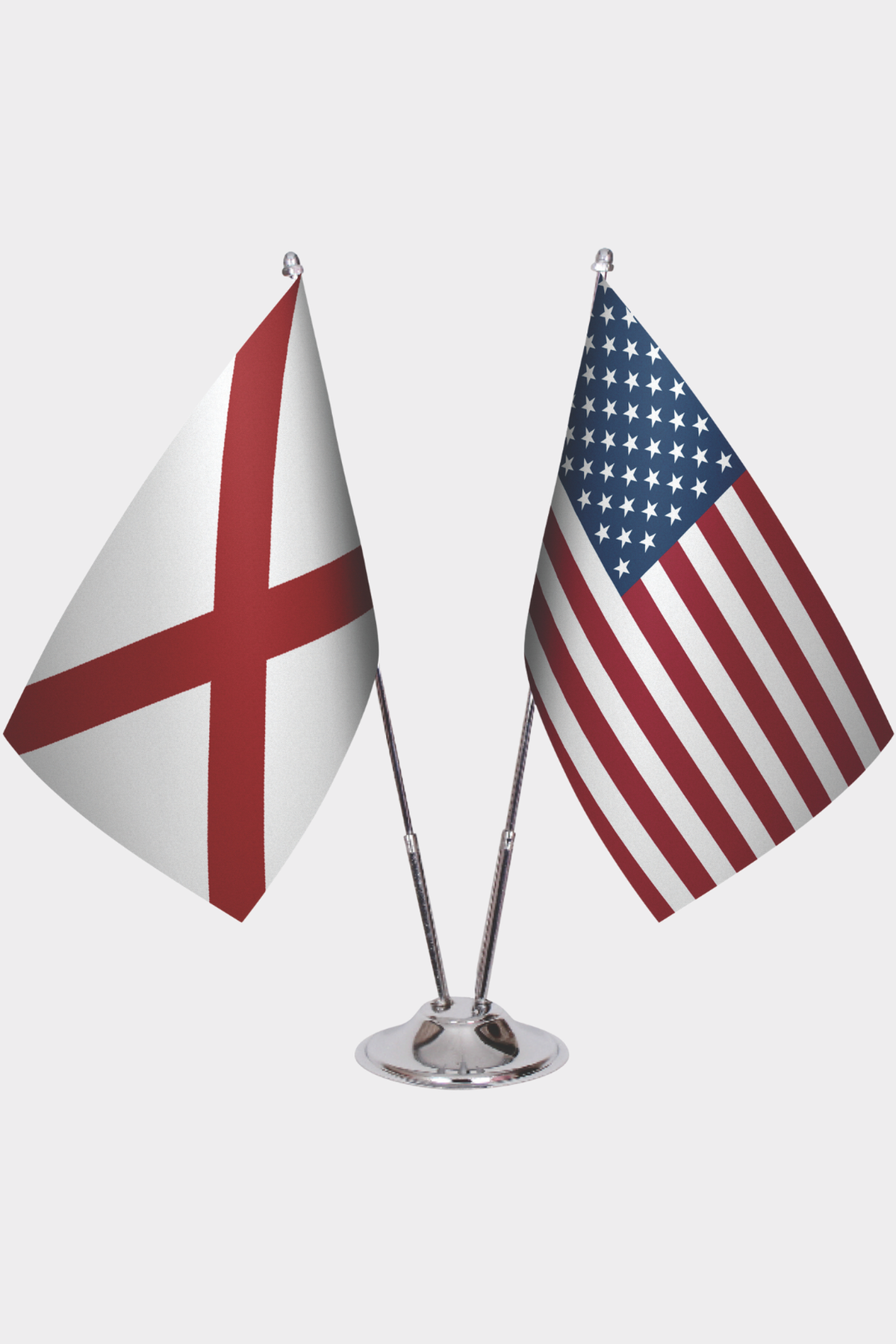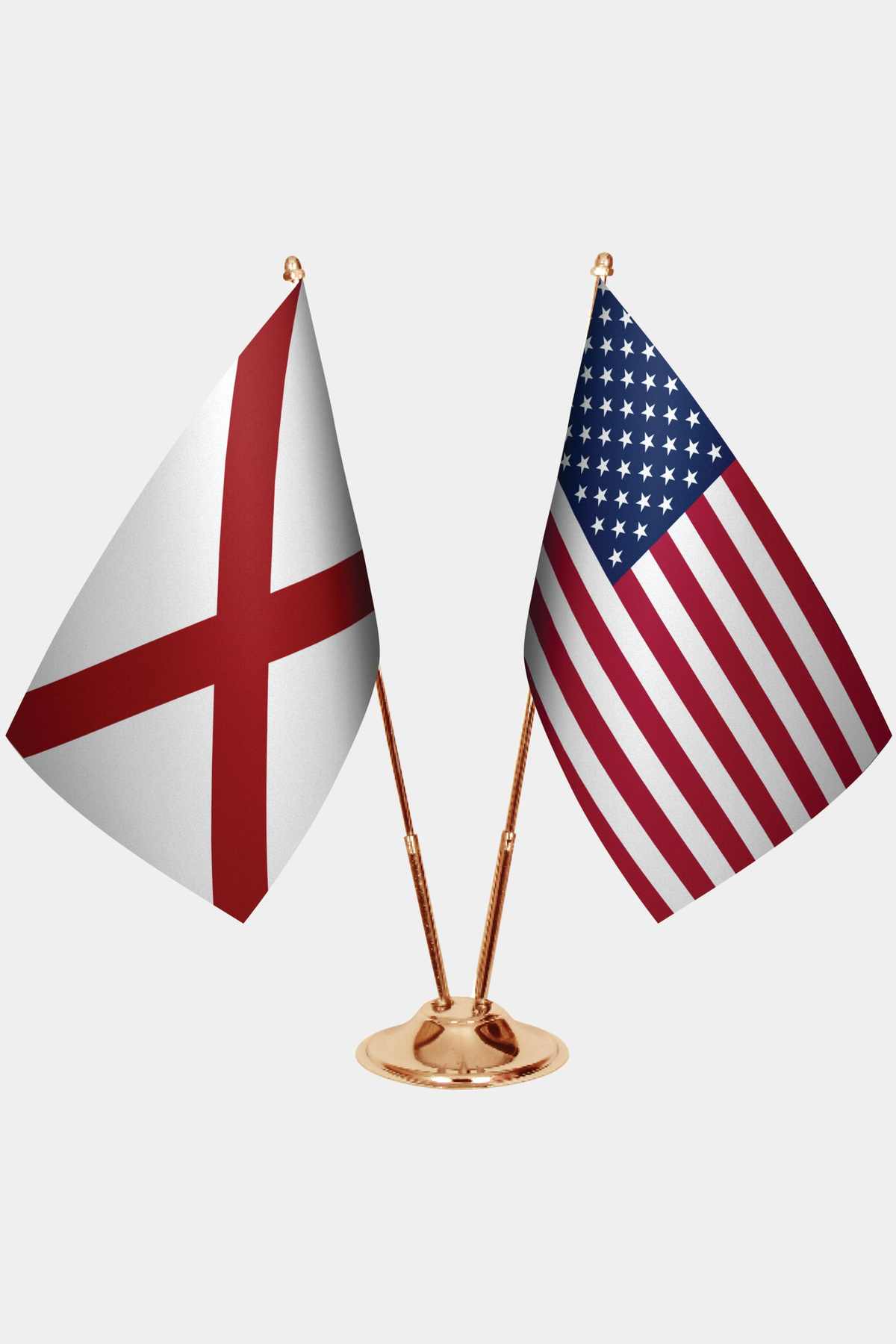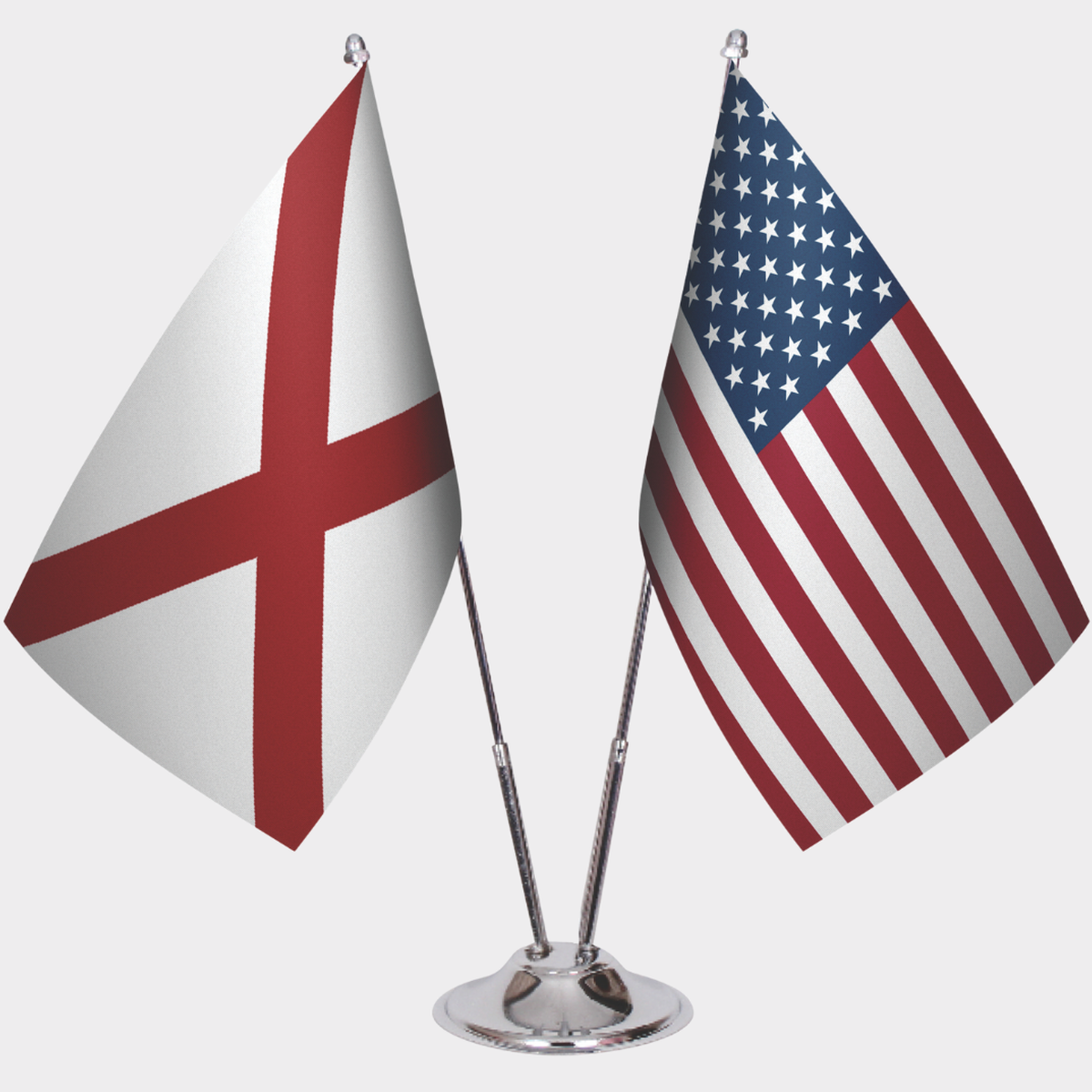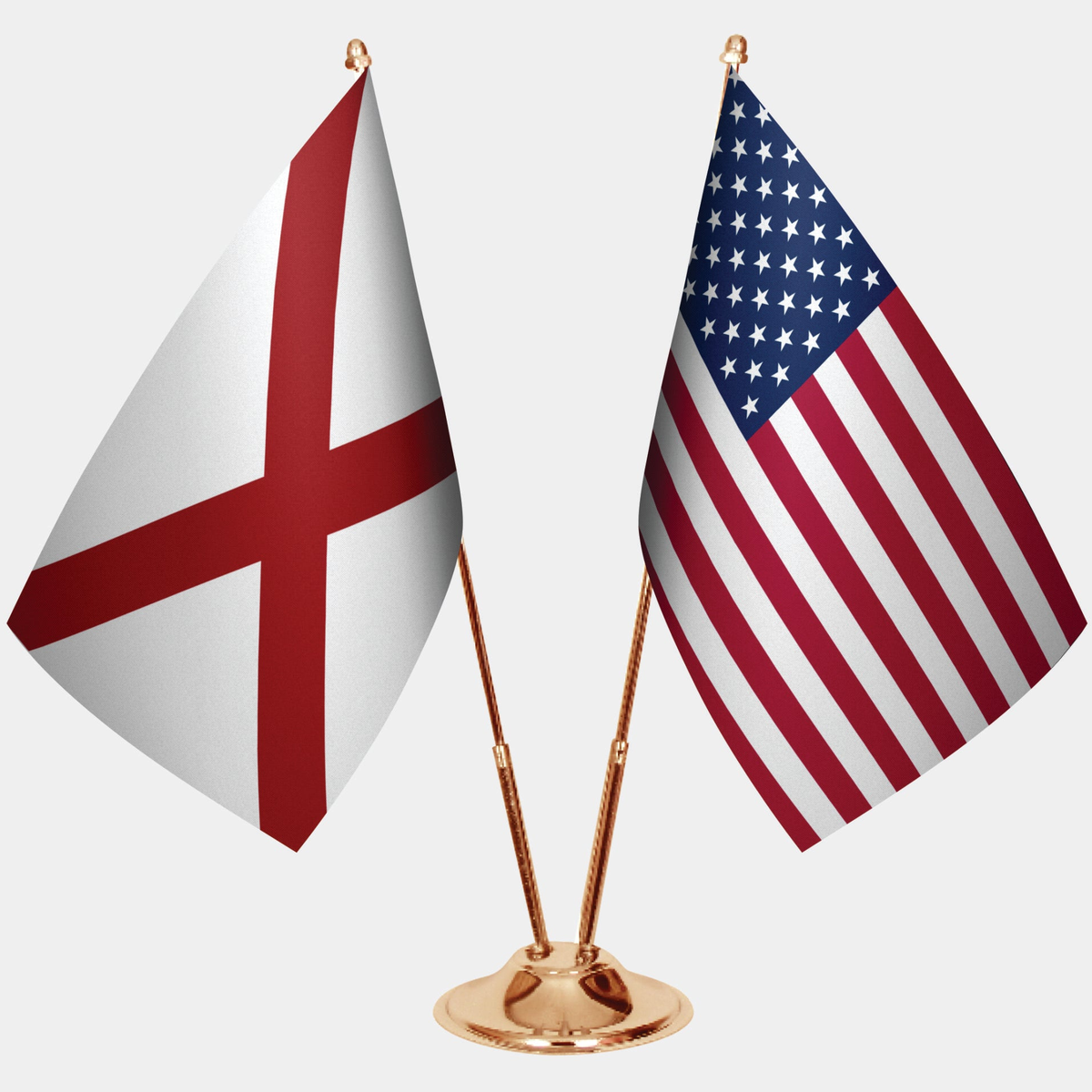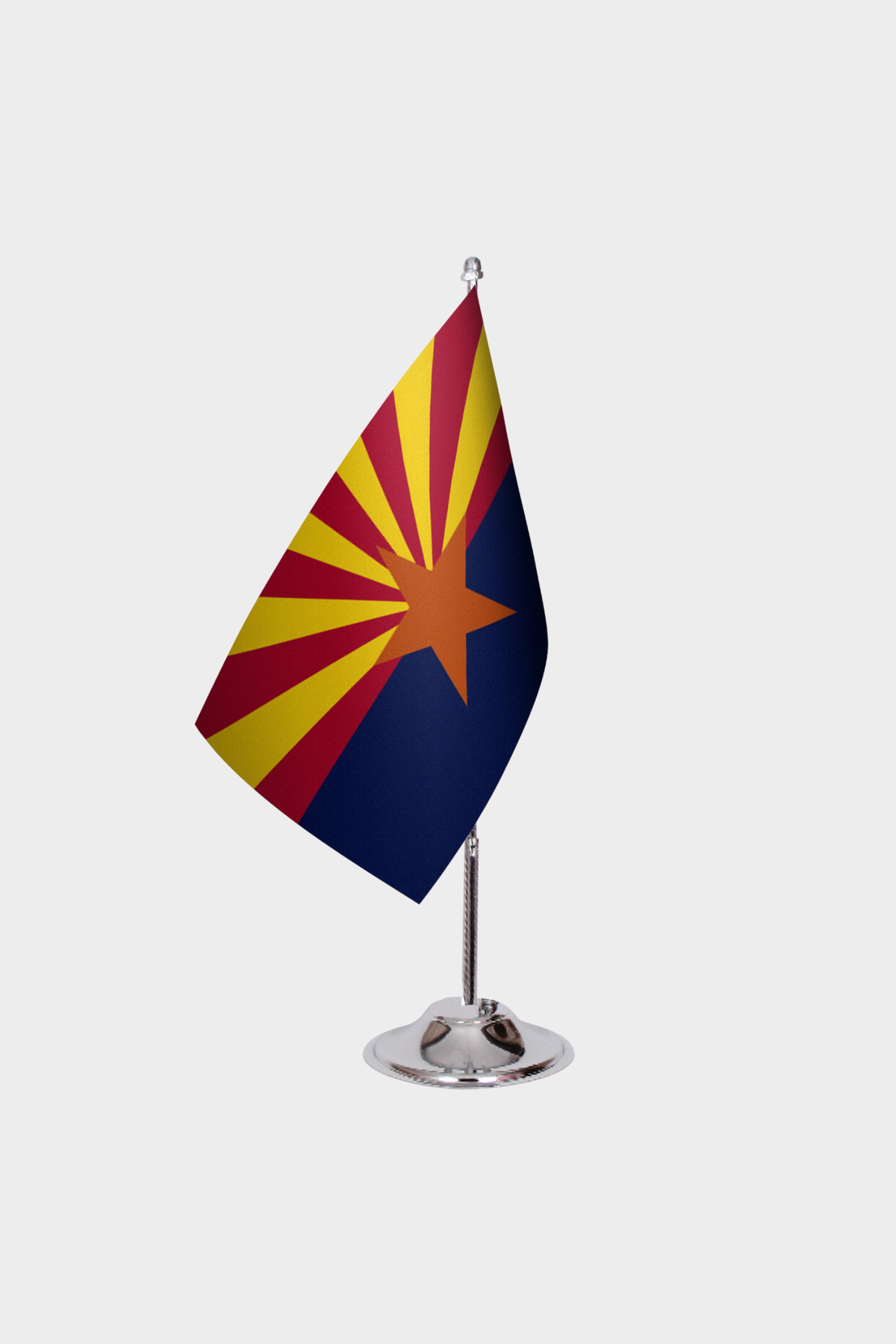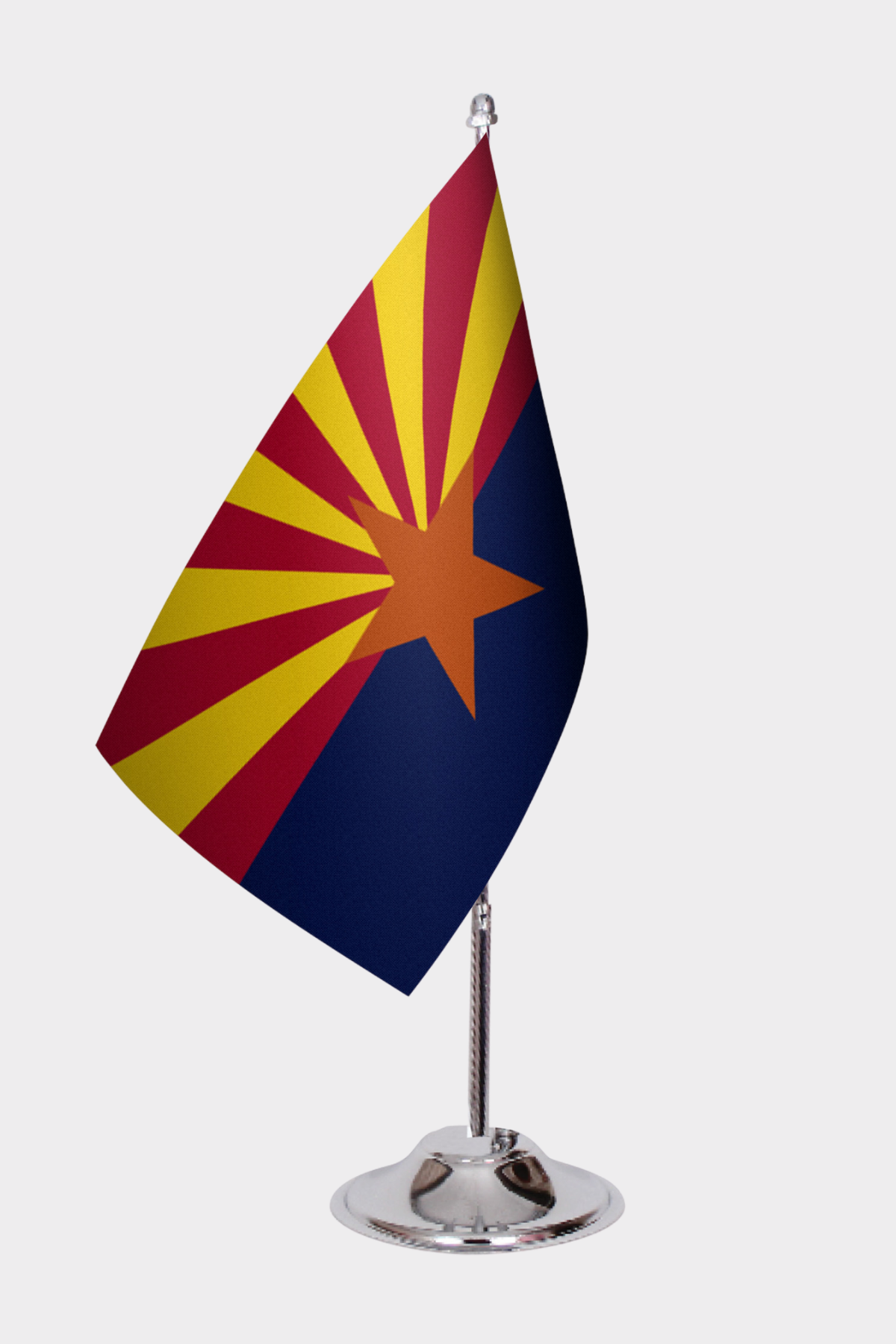


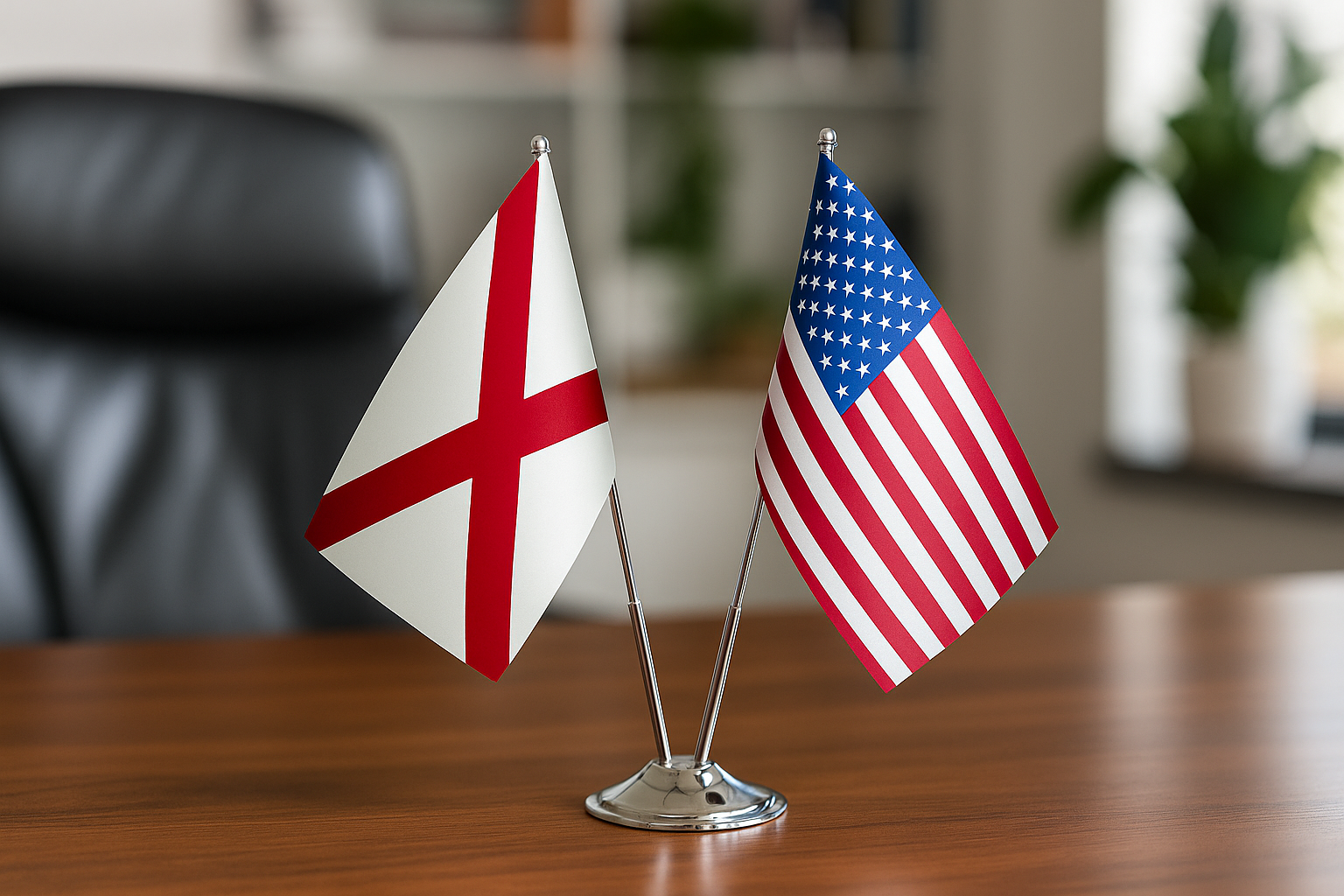




The most common residential flag holder bracket mounts at a 30-degree angle from vertical, which positions a standard 3 ft × 5 ft (91 cm × 152 cm) flag at the correct display angle specified by the US Flag Code (4 USC §§ 1–10). Choosing the right angle and bracket size prevents flag tangling, hardware stress, and code violations — all problems that stem from mismatched hardware. Whether you are outfitting a single home or equipping a commercial campus, the complete range of mounting options is available in the Flag Accessories and Flagpoles collection, where bracket sets, bases, and telescopic poles are organized by application type.
Standard Bracket Angles and What Each One Is Used For
Flag holder brackets are manufactured at four standard angles — 30°, 45°, 60°, and 90° — and each angle serves a distinct display situation. The 30-degree bracket is the residential default: it projects the flag outward and slightly upward so the flag body clears the fascia board and gutter line without dragging. Most manufacturers produce these for 1 in (2.54 cm) and 1¼ in (3.18 cm) pole diameters, making them compatible with the widest range of residential aluminum and fiberglass poles. The 45-degree bracket is the commercial standard. Hotels, government buildings, and retail storefronts favor this angle because it maximizes visible flag area from the street — a flag hung at 45° projects further from the wall and "fills out" more fully in moderate wind. A 45° bracket must be sized for heavier-gauge poles (typically 1½ in / 3.81 cm diameter and above) because the longer moment arm multiplies stress on the mounting hardware. The 60-degree bracket appears on taller facades — two- and three-story buildings — where a shallower angle would pin the flag too close to the wall surface above pedestrian level. Finally, the 90-degree (horizontal) bracket is used indoors, over doorways, or on fence posts where the pole runs parallel to the ground. Each angle has a corresponding sleeve depth and set-screw pattern; using a 30° sleeve on a 45° bracket block will leave roughly 3/8 in (9.5 mm) of misalignment at the ferrule, which cracks aluminum pole tips within weeks.
How to Choose the Right Bracket Size for Your Pole and Flag
Bracket size selection comes down to three measurements: pole outer diameter, flag weight class, and wall material. Start with pole diameter: residential telescopic poles (such as a wall-mounted telescopic flagpole set designed for 3 × 5 ft flags) typically have a 1 in (2.54 cm) outer diameter at the top section, so their bracket sleeve must match within ±0.02 in (0.5 mm) for a wobble-free fit. Commercial poles running 4 × 6 ft (122 cm × 183 cm) or 5 × 8 ft (152 cm × 244 cm) flags need brackets rated for 1¼ in to 1½ in (3.18 cm to 3.81 cm) diameter. Flag weight is the second variable. A single-ply polyester 3 × 5 ft flag weighs roughly 4–6 oz (113–170 g) dry, but in a 20 mph (32 km/h) wind it generates approximately 0.8–1.2 lbf (3.6–5.3 N) of lateral force. Double a flag's face area and you roughly quadruple the wind load, so a 4 × 6 ft flag in the same wind demands a bracket rated for at least 5–6 lbf (22–27 N). Finally, wall material dictates anchor hardware. Brick and CMU block require sleeve anchors or masonry screws (⅜ in / 9.5 mm minimum diameter); wood stud walls need lag screws at least 2½ in (6.35 cm) long to reach solid wood; EIFS/stucco facades need special flashing brackets to prevent moisture intrusion behind the base plate.
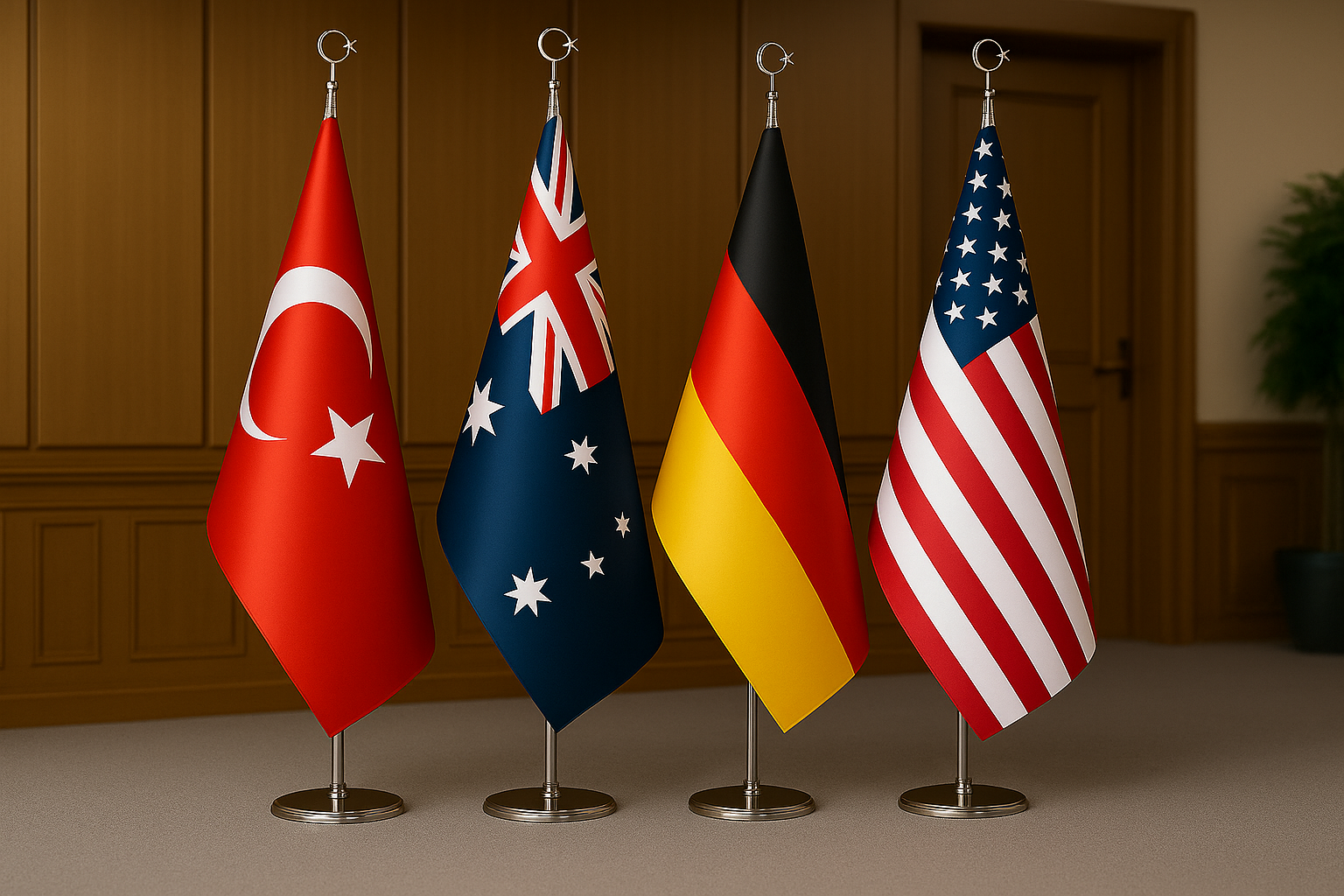
 For freestanding indoor displays — ceremony rooms, lobbies, courtrooms — a weighted Iron Base flag pole holder eliminates wall penetration entirely. Cast-iron bases provide the ballast needed to keep a full-height 8 ft (2.44 m) indoor ceremonial pole stable without bolting to the floor, which matters in rented spaces or historic buildings where structural modifications are restricted. The base diameter is typically 10–12 in (25–30 cm) and the pole socket accepts 1 in (2.54 cm) diameter poles — the same size used by most standard indoor presentation sets. The weighted design also compensates for the off-center flag load that would cause a lighter plastic base to tip. If your display space requires floor-level clearance with no tripping hazard, pair this base with a straight pole rather than an angled bracket mount; the vertical orientation is fully compliant with US Flag Code display requirements for indoor settings.
The Ratio Between Pole Height and Bracket Projection
A good rule of thumb is that bracket arm projection should equal roughly 20–25% of total flag length on the fly (horizontal dimension). For a 3 × 5 ft flag, that means a bracket projecting 12–15 in (30–38 cm) from the wall face. This clearance prevents the flag from wrapping around the building corner in crosswinds and keeps the leading edge at least 6 in (15 cm) from any window frame or architectural detail. For pole height, the US Flag Code does not specify a minimum residential pole height, but general practice positions the top of the pole at least 1 ft (30 cm) above the roofline or eave, which means most single-story homes use a 6 ft (1.83 m) pole on a 30-degree bracket mounted at the 8–9 ft (2.44–2.74 m) level. Two-story homes typically step up to an 8 ft (2.44 m) pole on a 45-degree bracket mounted at the 12–14 ft (3.66–4.27 m) level. Telescopic wall-mounted sets make these height adjustments easy because the pole sections collapse for winter storage without removing the bracket. For a deeper look at how pole height interacts with flag size across residential and commercial scenarios, the guide on fiberglass flagpole sizes and wind ratings covers the structural side of that equation.
Indoor, Outdoor, and Freestanding Holder Configurations Compared
The three holder categories — wall-bracket, freestanding base, and ground-socket — serve different environments and carry different sizing conventions. Wall-bracket systems are the outdoor residential standard and come in the angled configurations described above; they require no footprint on the ground and keep the flag visible from the street. Freestanding bases are the indoor standard: they sit on hard floors, accept 1 in (2.54 cm) ceremonial poles, and need no hardware beyond the base weight itself. Ground-socket systems (buried sleeves) are the commercial and municipal standard for permanent outdoor installations — the socket is cast in concrete to a depth of 18–24 in (46–61 cm) and accepts poles from 1½ in to 3 in (3.81 cm to 7.62 cm) diameter.
 A fourth configuration — the weighted portable base — bridges the gap between permanent and temporary installations. The 15 kg Rubber Base provides 33 lbs (15 kg) of ballast in a non-marking, floor-safe rubber form factor, making it the go-to choice for trade shows, outdoor events, retail promotions, and any venue where drilling is not permitted. At this weight class it can stabilize a pole up to 8 ft (2.44 m) tall flying a standard 3 × 5 ft flag in winds up to approximately 15 mph (24 km/h) — beyond that, an additional sandbag or guy-wire is advisable. The socket diameter accepts standard 1 in (2.54 cm) poles, and the low-profile base keeps the hardware visually unobtrusive at floor level. For temporary outdoor events where both portability and stability matter, pairing this base with a lightweight fiberglass pole is the most practical combination available without ground penetration.

Flag Accessories & Flagpoles Collection
Every bracket angle, base type, and pole format in one place — sized and rated for residential, commercial, and event use.
Browse Collection →Common Flag Holder Sizing Mistakes and How to Avoid Them
The single most common mistake is buying a bracket angle based on appearance rather than wall height and flag size. A 30-degree bracket looks elegant on a catalog page, but on a two-story wall it places the flag below the eave line where it catches on gutters. The second most common mistake is undersizing the mounting hardware. Most residential bracket kits include ¼ in (6.35 mm) lag screws; these are adequate for a single flag in mild climates, but in areas with sustained winds above 20 mph (32 km/h) or hurricane-season gusts, ⅜ in (9.5 mm) lags into a solid stud are the minimum safe standard. Third — and frequently overlooked — is mismatching pole diameter to bracket sleeve. A 1 in (2.54 cm) pole rattles visibly in a 1¼ in (3.18 cm) sleeve, stressing the set-screw threads and causing metal fatigue at the ferrule within 6–12 months. Always verify the inner diameter of the bracket sleeve, not just the rated pole length. Fourth, many buyers neglect to account for the cumulative weight of flags and flag holders together: a decorative bracket rated for 5 lbs (2.27 kg) total load will fail if the installer adds a second flag sleeve for a state flag below the US flag without rechecking the load rating. If you are planning a full kit purchase versus sourcing parts separately, the comparison guide on buying a flagpole kit or the parts separately walks through the cost and compatibility trade-offs in detail.
Wall-Mounted Telescopic Sets: The All-in-One Answer for Most Homes
For the majority of residential buyers, a matched wall-mounted telescopic set eliminates every sizing guesswork problem described above. The United States Wall-Mounted Telescopic Flagpole Set ships with a bracket pre-angled and pre-rated for the pole diameter it includes, so sleeve fit, load rating, and anchor bolt size are already coordinated. The telescopic sections extend to a finished height of 6 ft (1.83 m) and collapse to approximately 3 ft (91 cm) for off-season storage without removing the bracket from the wall. The set is designed to fly a 3 × 5 ft (91 cm × 152 cm) US flag — the correct proportional size for a residential wall mount per conventional display guidelines — and the included nylon flag is rated UV-resistant for 80% protection, giving an expected outdoor lifespan of 6–12 months in full sun. The bracket mounts at 30 degrees, appropriate for standard single-story and low two-story facades. If your situation requires a different angle, a heavier flag, or a commercial-grade bracket, the Poles & Holders collection offers individual bracket sets in all four standard angles so you can build a custom configuration around an existing pole.
Frequently Asked Questions
What is a flag holder and what types are available? +
How do I match a flag and flag holder to each other? +
What size bracket do I need for a standard residential flagpole? +
Can I use a flag holder without drilling into my wall? +
What angle should a flag pole holder bracket be? +
How do flags and flag holders need to comply with the US Flag Code? +
What is the difference between a pole flag holder and a ground sleeve? +
Selecting the right flag holder comes down to matching four variables — bracket angle, sleeve diameter, arm projection, and mounting anchor — to your specific wall height, flag size, and wind environment. For residential installations, the United States Wall-Mounted Telescopic Flagpole Set handles all four variables in one pre-engineered package. For freestanding indoor or event displays, choose between the Iron Base for permanent ceremonial settings or the 15 kg Rubber Base for portable outdoor use. The full range of individual brackets, bases, and pole hardware is available in the Bases & Stands collection for buyers who need to configure a custom system. Bulk pricing is available for corporate, government, and institutional orders — contact us directly for volume quotes on bracket sets and complete flagpole systems.