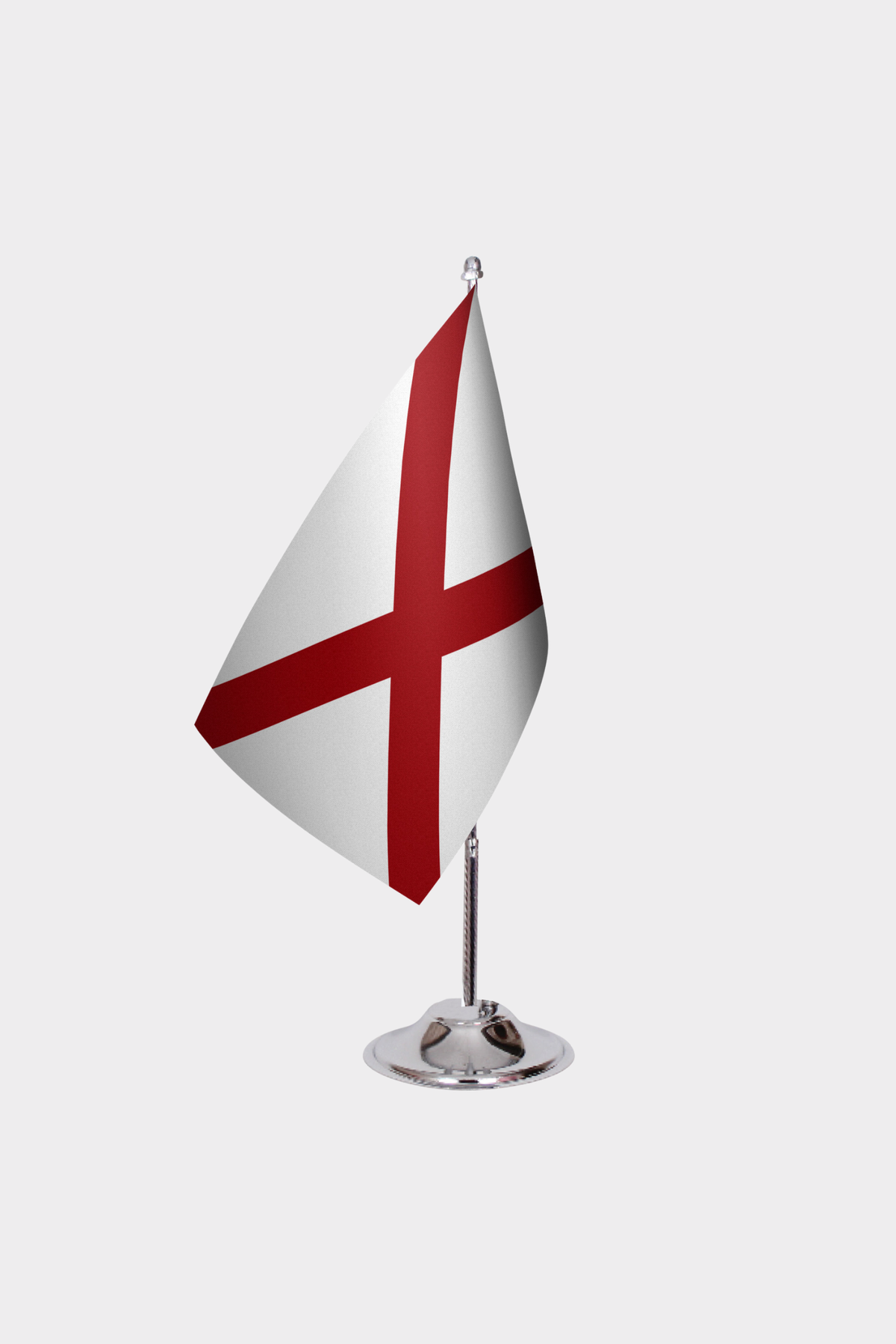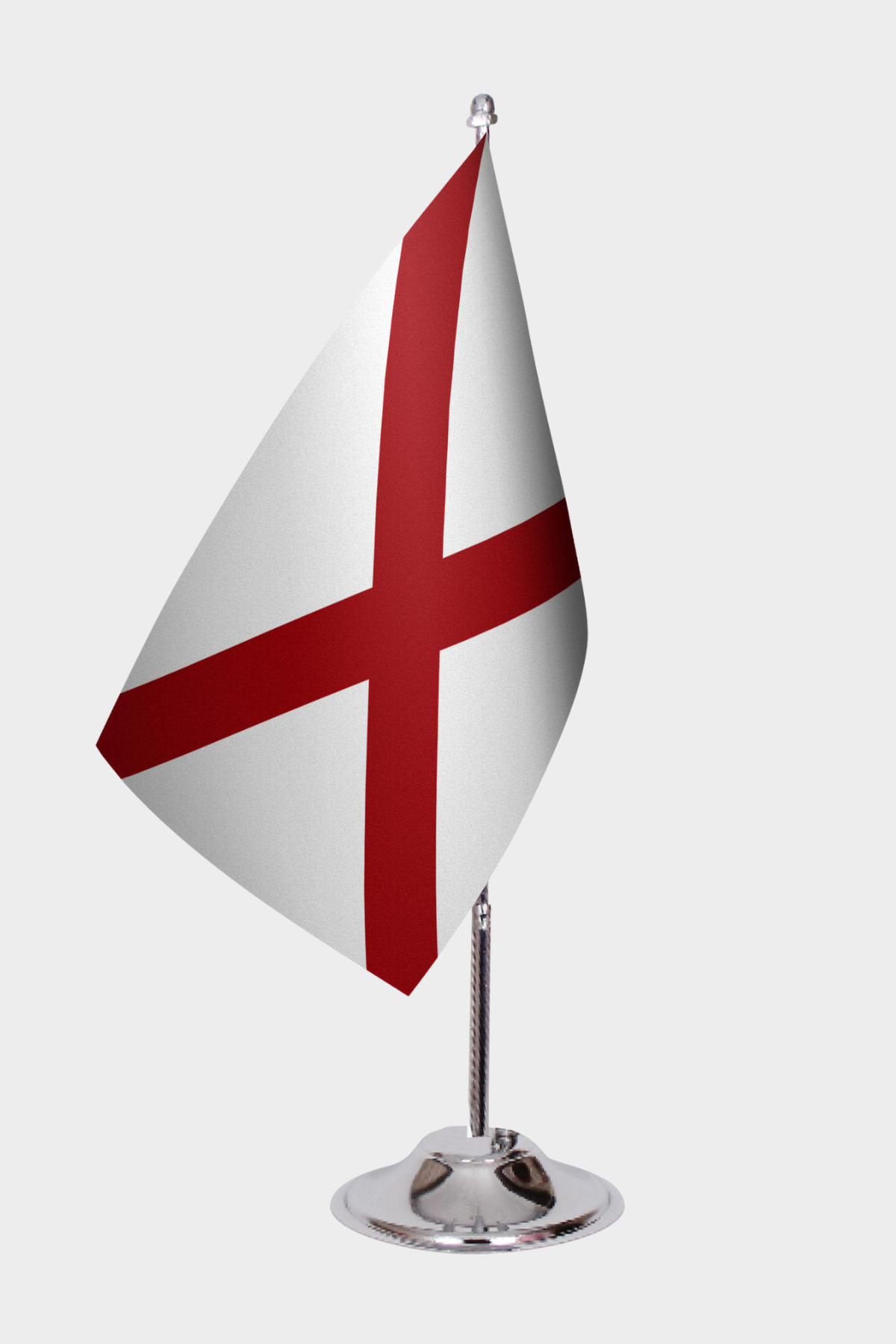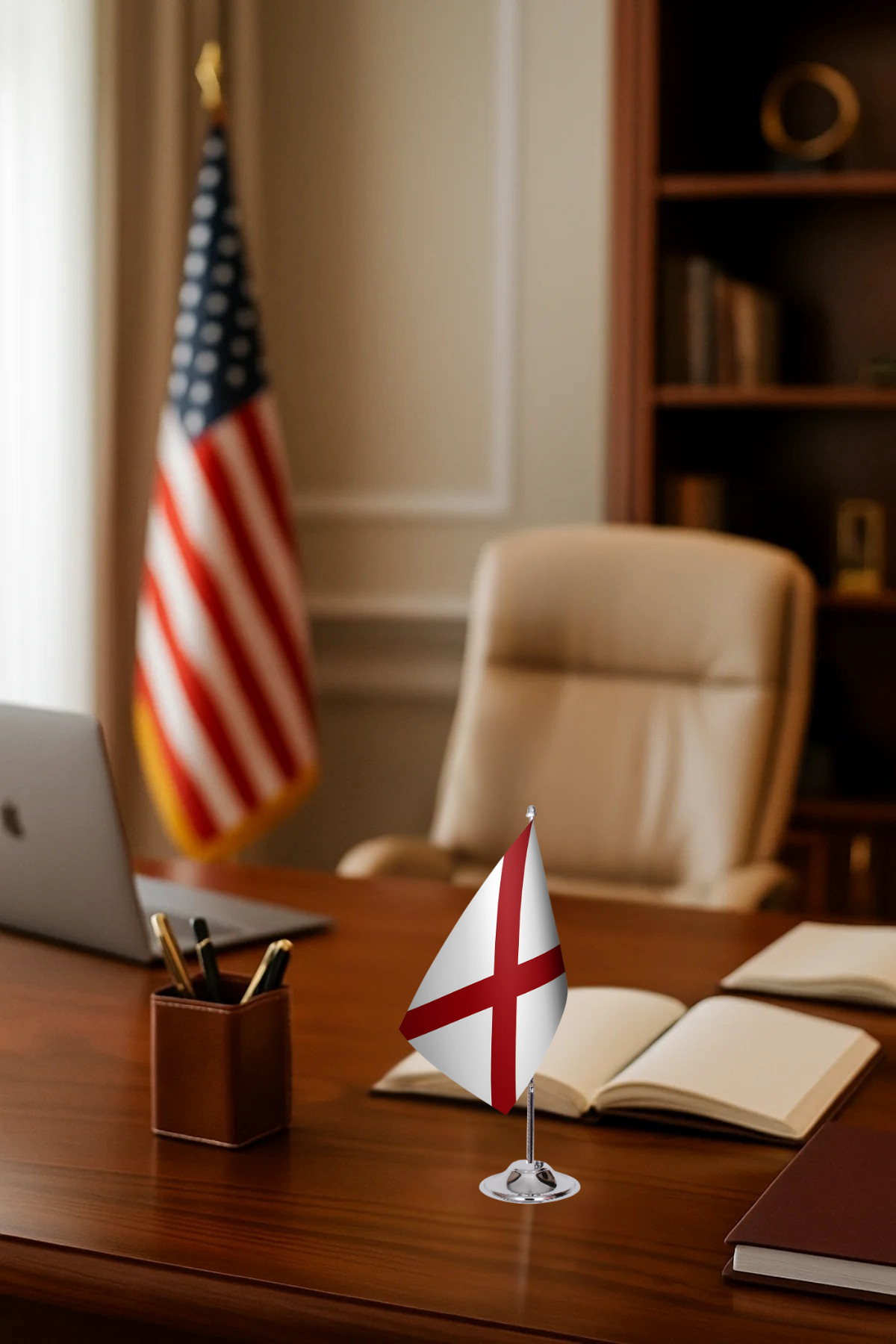
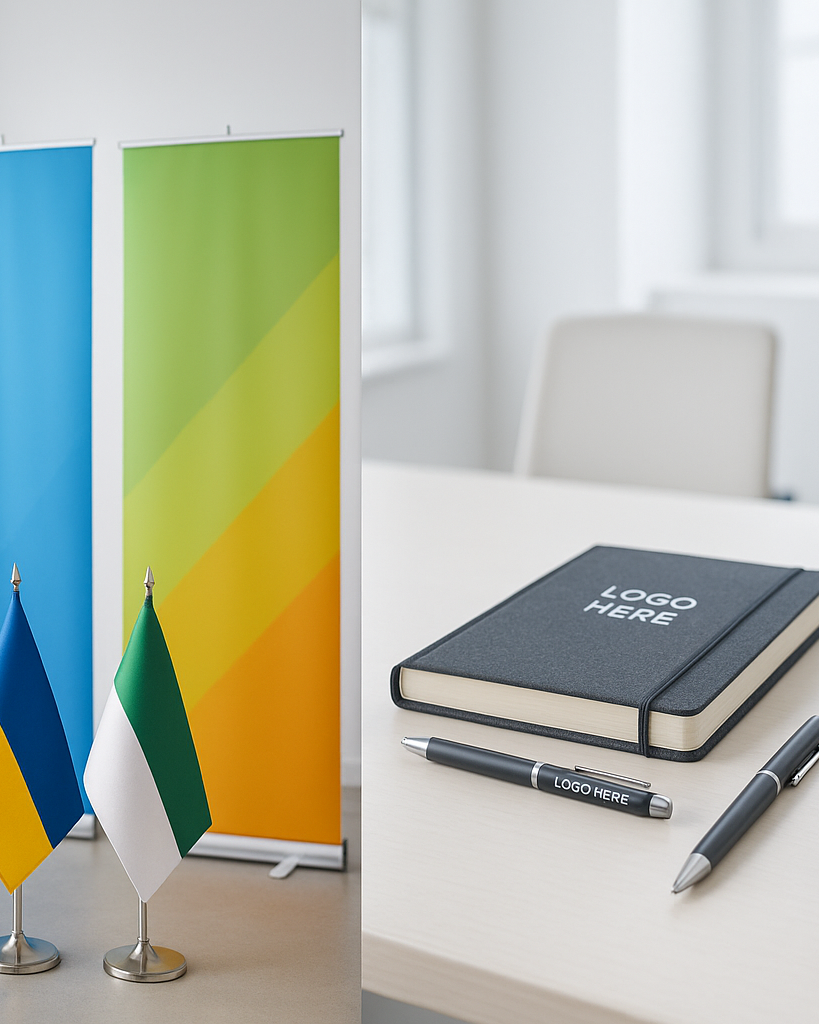
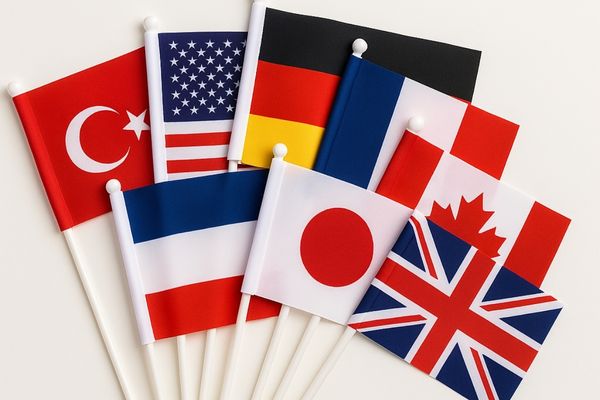
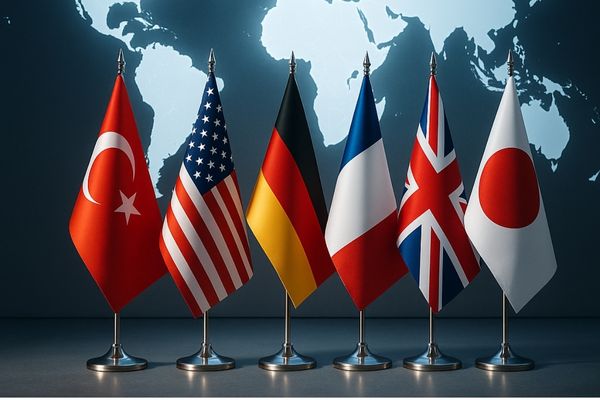
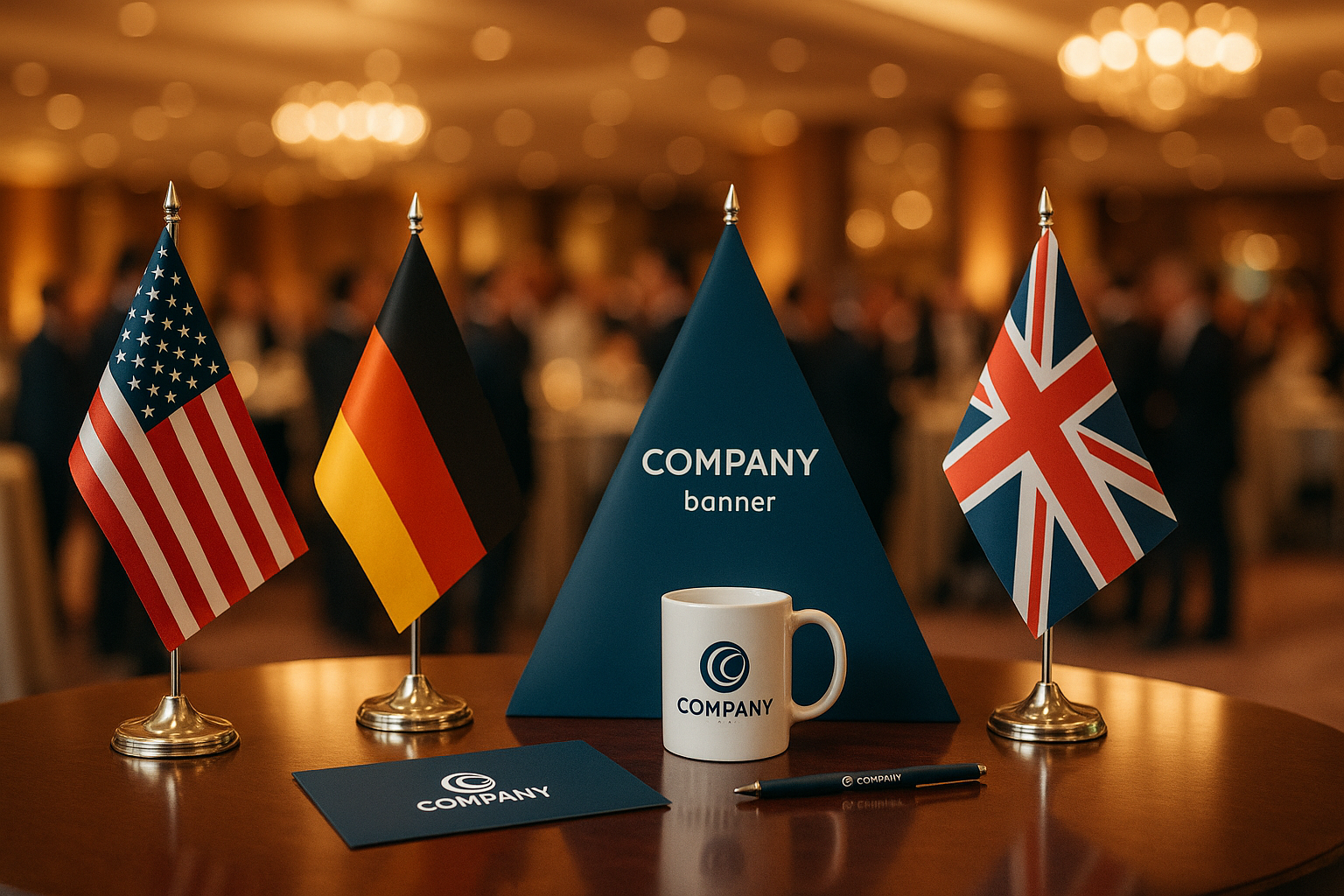

For international organizations, UN affiliates, and multinational offices, sourcing indoor ceremonial flag sets that meet diplomatic protocol is both a purchasing decision and a matter of institutional credibility. The right country indoor flags ceremonial set communicates respect, professionalism, and organizational identity to every delegate, partner, and visitor who walks through your doors. This guide covers protocol requirements, pole and stand sizing, material standards, and how to manage a bulk country indoor flags for conference rooms order efficiently — whether you're outfitting a single boardroom or a network of regional offices across multiple continents.
Understanding Diplomatic Flag Protocol for Indoor Ceremonial Displays
Indoor ceremonial flag displays in international settings follow strict precedence rules: national flags are always placed in order of seniority (typically alphabetical by country name in the working language of the organization), and no national flag may be flown at a size or height superior to another member state's flag within the same display. This principle is enshrined in the FIAV (Fédération Internationale des Associations Vexillologiques) standards and is consistent with the United Nations flag code, which mandates equal display of all member-state flags in UN-managed facilities. For US-based offices, the US Flag Code (4 USC §§ 1–10) governs how the American flag must be positioned — always to its own right (the viewer's left) when displayed alongside other national flags on the same tier.
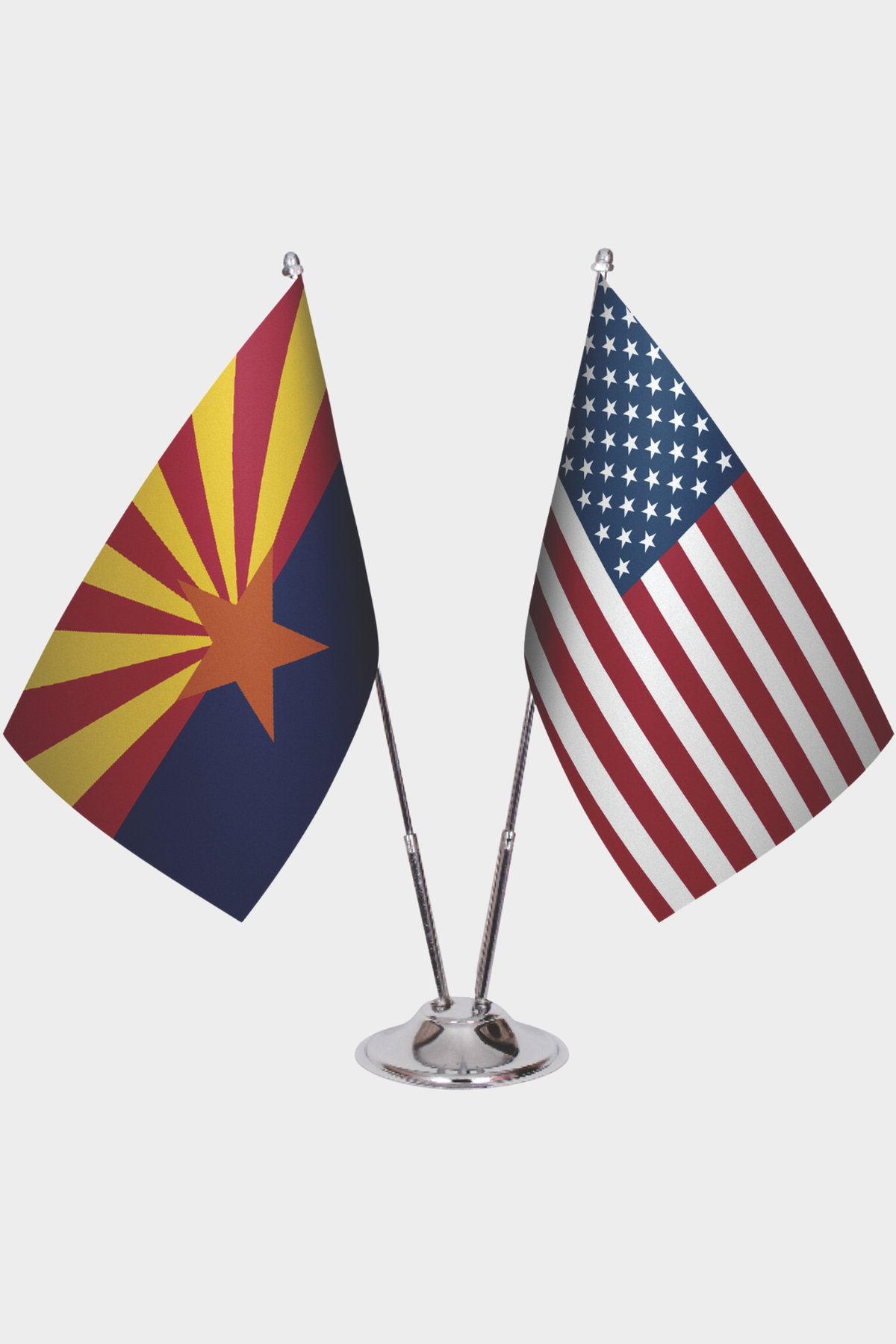
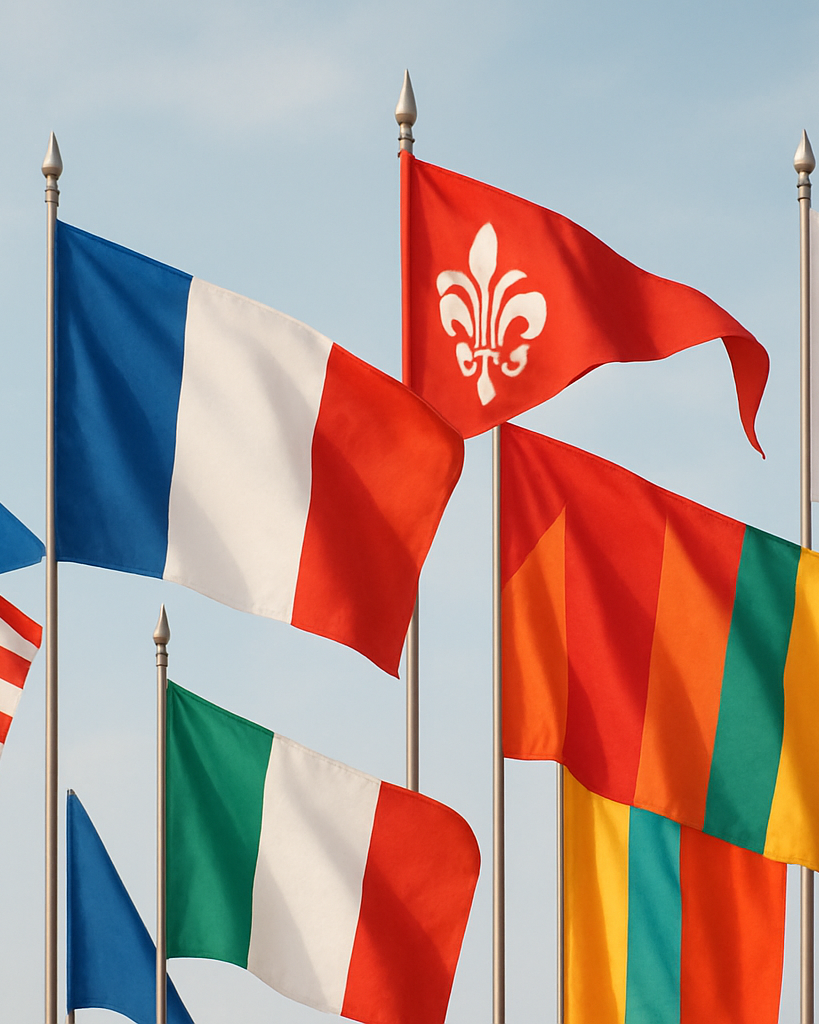
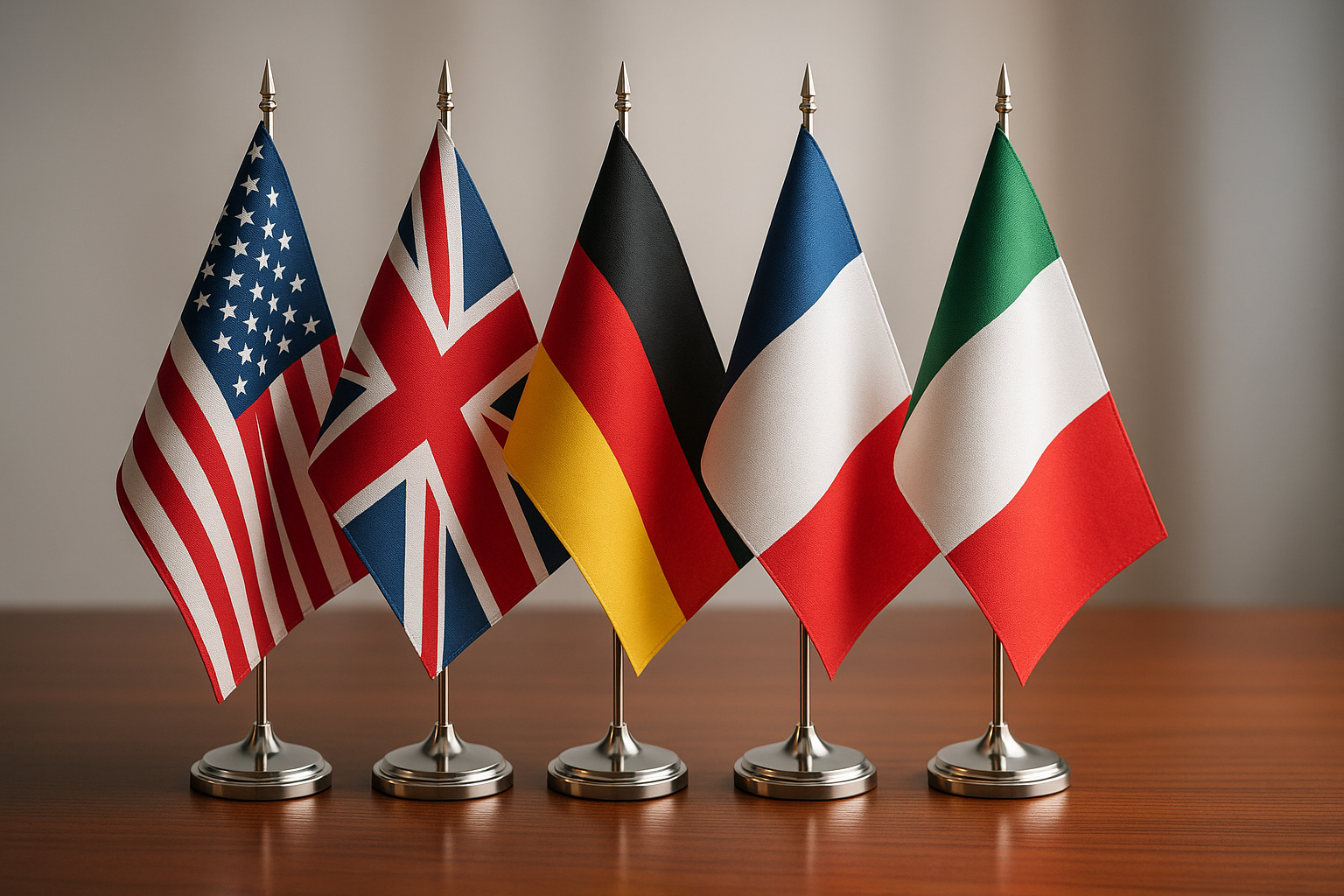
Multinational conference rooms and reception lobbies most commonly display flags in one of three configurations: a straight row of identical poles along a wall, a semicircular arc around a podium, or paired flanking sets at a main entrance. Each configuration requires consistent pole height, finial type, and base weight across all units so that no single flag commands visual dominance. For formal UN affiliate environments, the gold ball or gold eagle finial is the universally accepted topper — ornate spear or trident designs are generally reserved for military or ceremonial national contexts. Establishing your display format before placing a UN affiliate office flags bulk order prevents costly mid-project changes.
Choosing the Right Flag Size and Pole Height for Conference Rooms
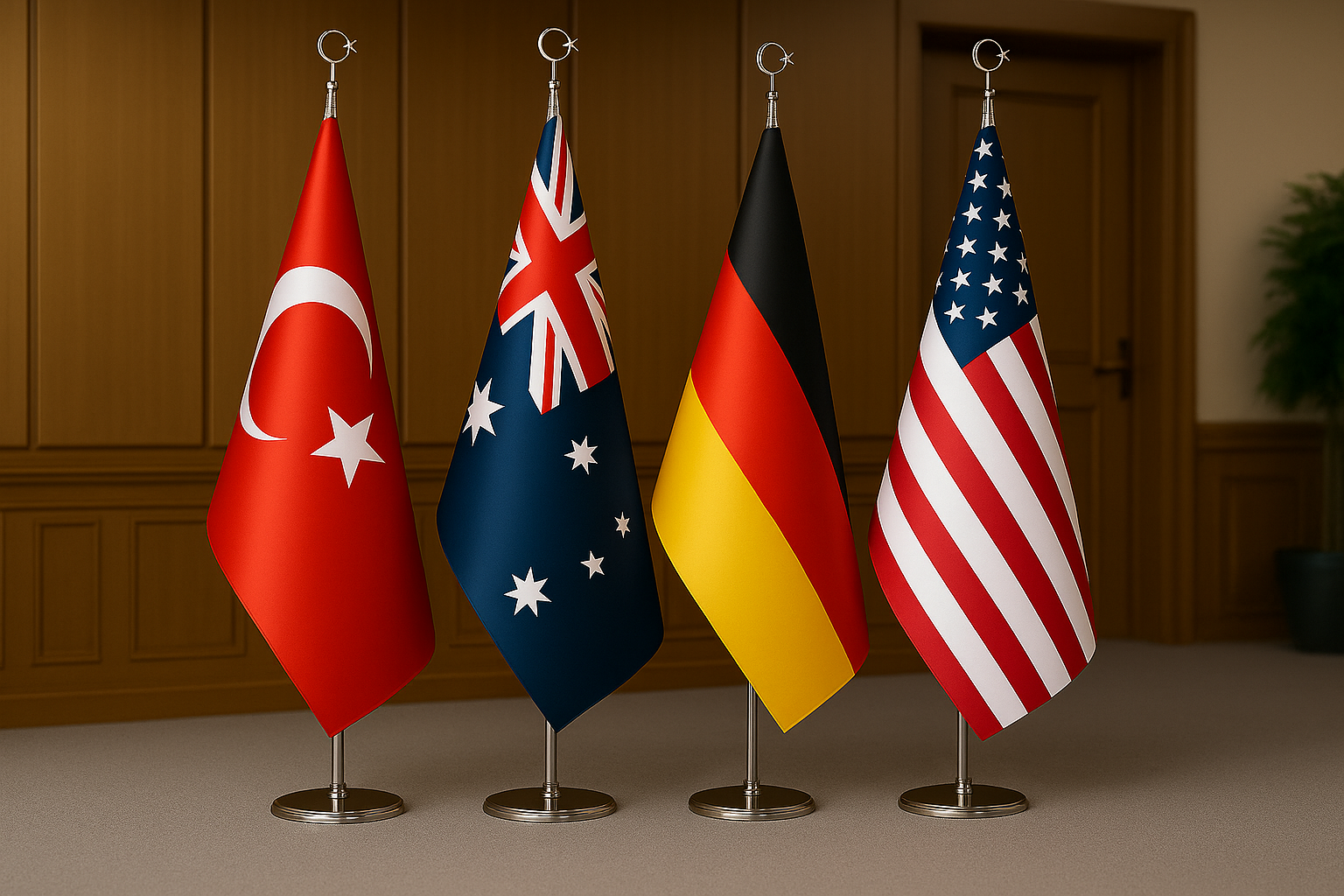
The standard indoor ceremonial flag size for conference rooms and executive offices is 3 ft × 5 ft (91 cm × 152 cm), mounted on a pole height of 8 ft (244 cm). This combination provides strong visual presence without overwhelming ceilings of standard commercial height (8–10 ft / 244–305 cm). For larger venues such as general assembly halls, plenary rooms, or grand lobbies with ceiling heights above 12 ft (366 cm), a 4 ft × 6 ft (122 cm × 183 cm) flag on a 9 ft (274 cm) pole is more proportionate and visually commanding.
When configuring multinational office indoor flag poles across an entire facility, consistency is non-negotiable. All poles should share the same diameter — typically 1 inch (25 mm) for standard 3×5 ft sets — and the same finish (chrome, gold, or brushed nickel are the three most common for diplomatic interiors). Mismatched finishes between neighboring poles undermine the unified, professional appearance that international organizations require. Ordering poles, bases, and flags from a single supplier significantly reduces the risk of finish or sizing discrepancies. Browse the full range of indoor flag poles and holders to find matched sets in consistent finishes suitable for multi-flag diplomatic arrays.
Flag Materials: What International Organizations Should Specify
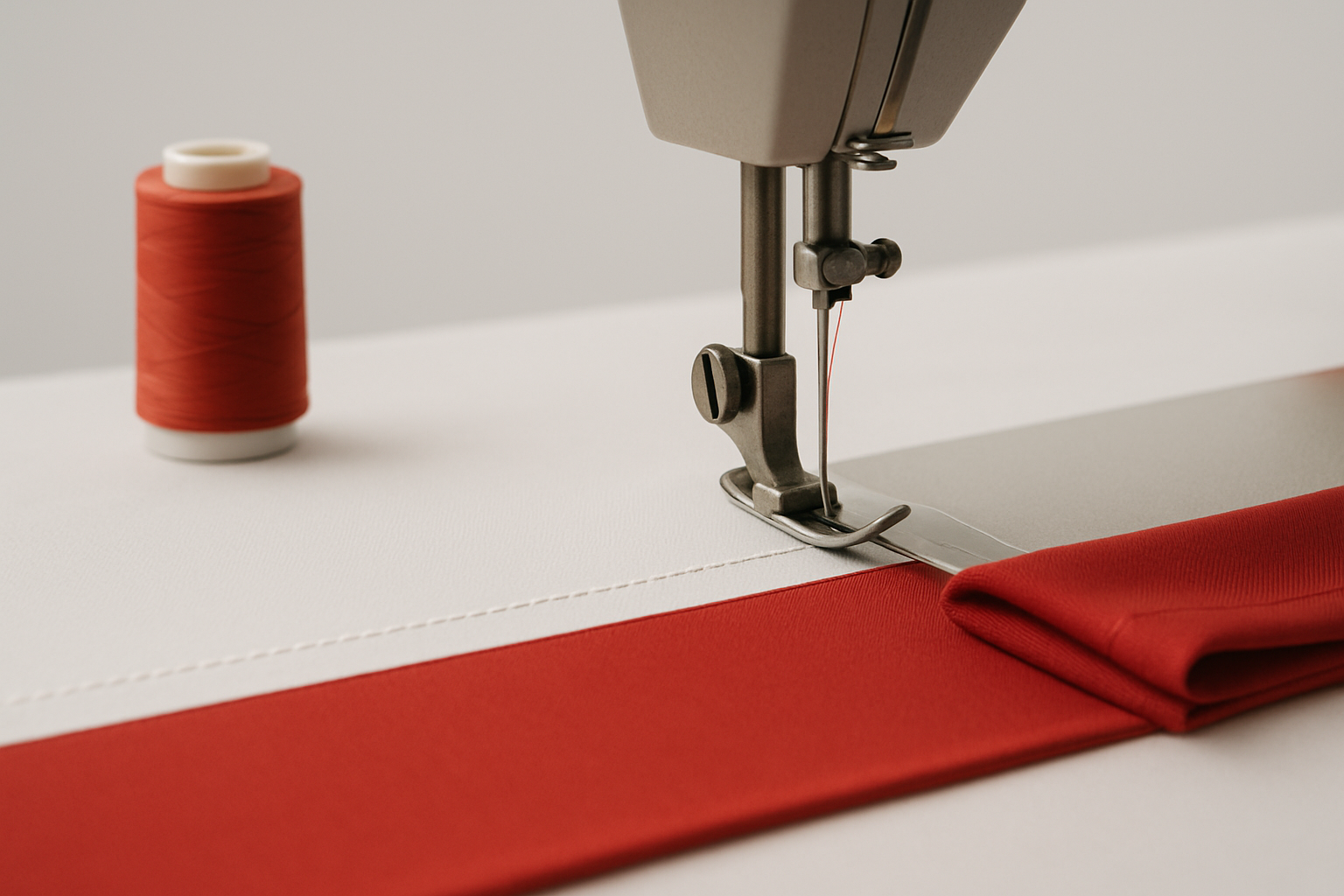
 For indoor ceremonial flag sets for international organizations, the two most widely specified materials are heavyweight polyester (200–220 gsm) and woven nylon (100–120 gsm). Heavyweight polyester offers a richer drape and a more formal appearance, making it the preferred choice for ceremonial contexts where flags hang stationary on indoor poles rather than flying in the wind. Woven nylon, while lighter, produces vibrant color saturation and holds printed or sewn detail extremely well, which is critical when reproducing complex national emblems — think the detailed coat of arms on the Mexican flag or the multi-element design of the Sri Lankan flag. Both materials should carry at minimum an 80% UV-resistant treatment, even indoors, because artificial lighting and ambient window light can cause fading over 12–18 months of continuous display. For the highest-formality environments — UN conference rooms, head-of-state reception areas, and diplomatic mission lobbies — fully sewn and embroidered flags are the gold standard, as they produce crisp, three-dimensional heraldic detail that no digital print process can match. You can explore the complete range of country indoor flags to select materials and construction methods appropriate for your specific protocol environment.
Finishing details also matter in high-visibility diplomatic settings. Look for flags with a pole sleeve (also called a pole hem) reinforced with canvas backing, which prevents tearing at the mounting point under the weight of the fabric over months of display. Fringe is another specification point — gold fringe (typically 2.5 in / 63 mm deep) is the traditional embellishment for indoor ceremonial national flags in formal Western diplomatic contexts, while many UN and intergovernmental bodies prefer clean-edged flags without fringe for a more modern, neutral aesthetic. Clarify this preference with your procurement team before placing your order, since adding or removing fringe after production is not feasible.
Base and Stand Selection: Stability, Aesthetics, and Weight Requirements
The base is one of the most structurally critical — and visually impactful — components of any indoor ceremonial flag display; a premium flag paired with a lightweight or visually mismatched stand undermines the entire presentation. For formal international settings, cast-iron or solid-steel weighted bases (minimum 7 lbs / 3.2 kg each) are strongly recommended to prevent tipping in high-traffic areas such as conference corridors and reception zones. A base that tips — even without damage — creates an embarrassing and potentially protocol-sensitive situation when it involves a member-state's national flag.
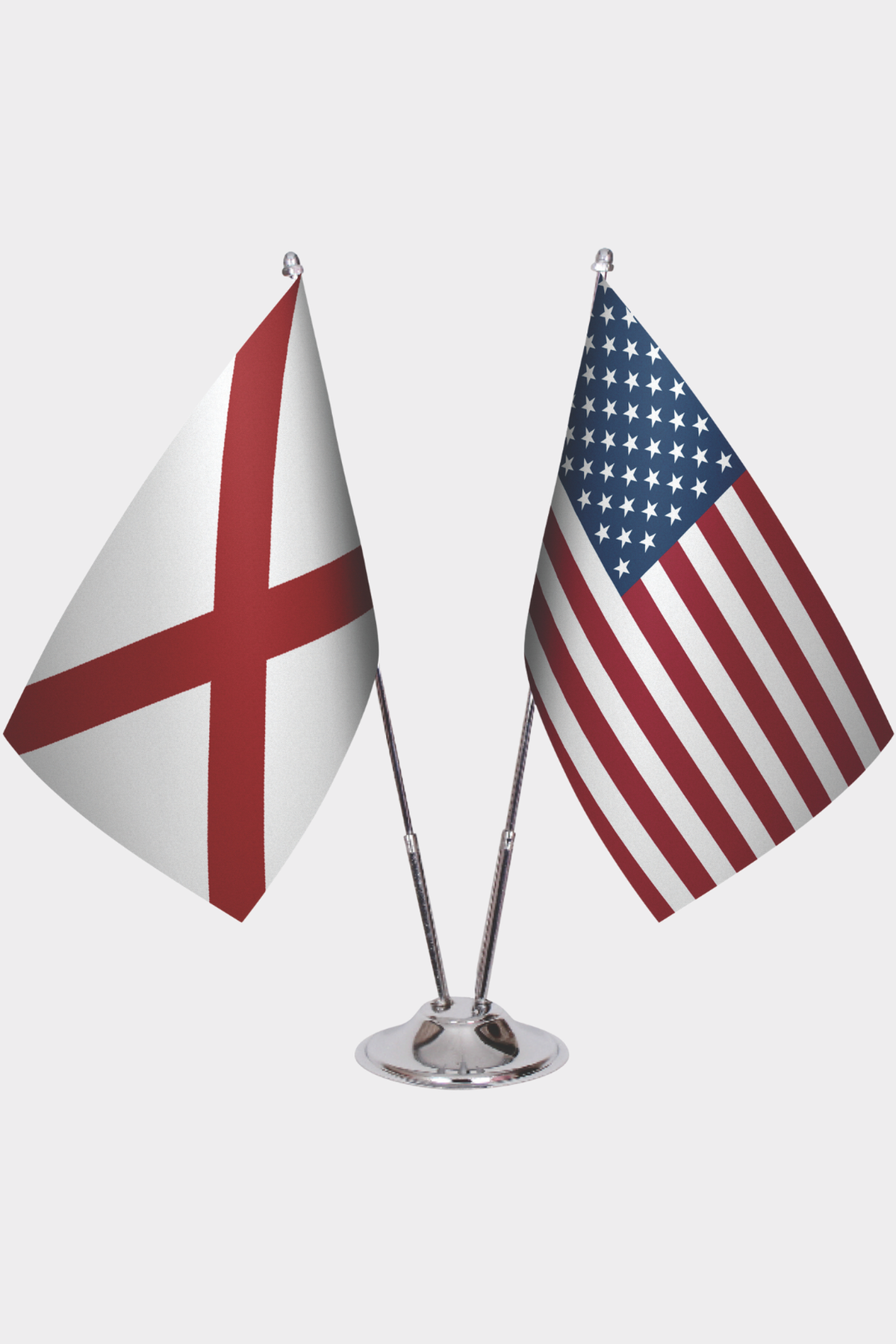
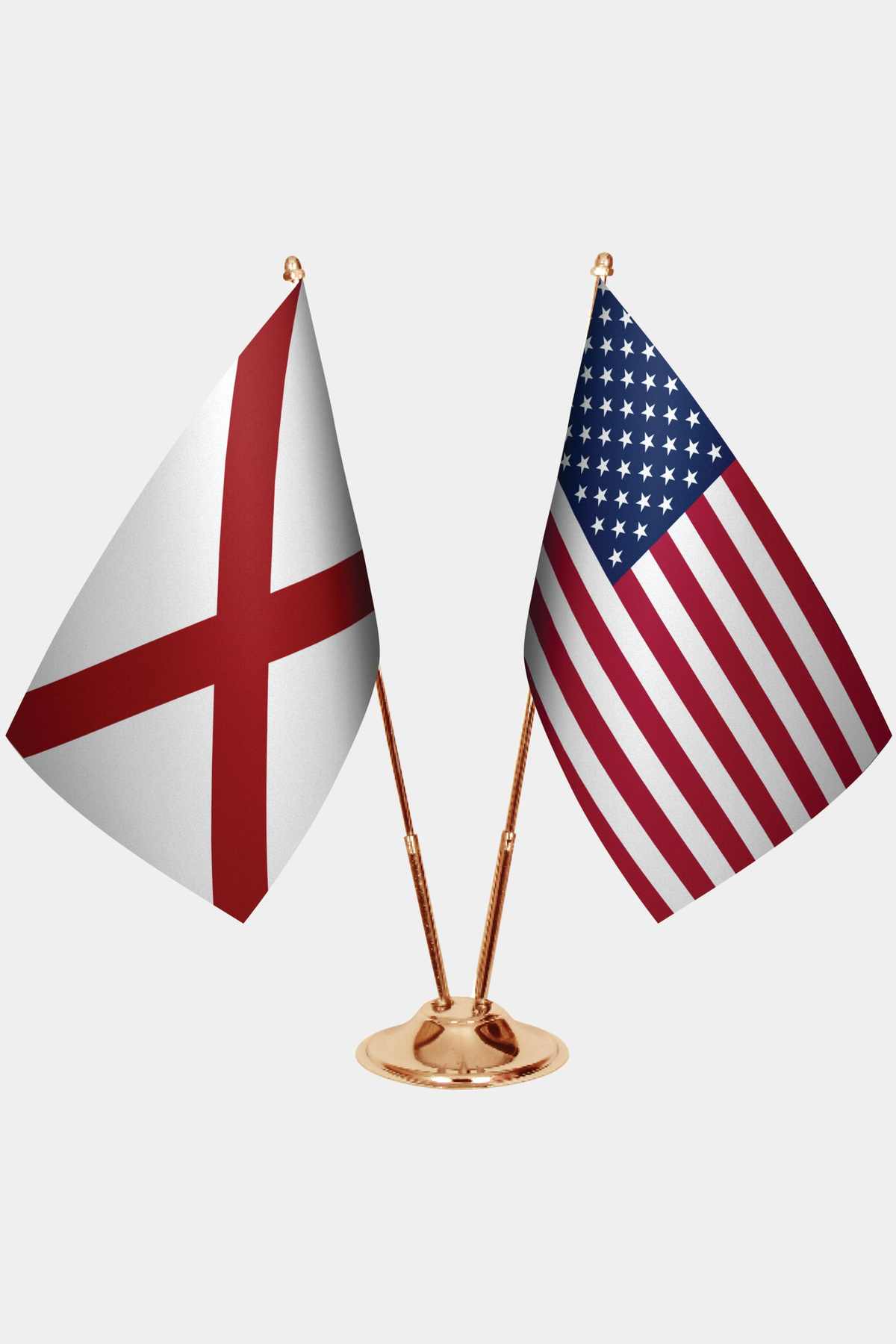
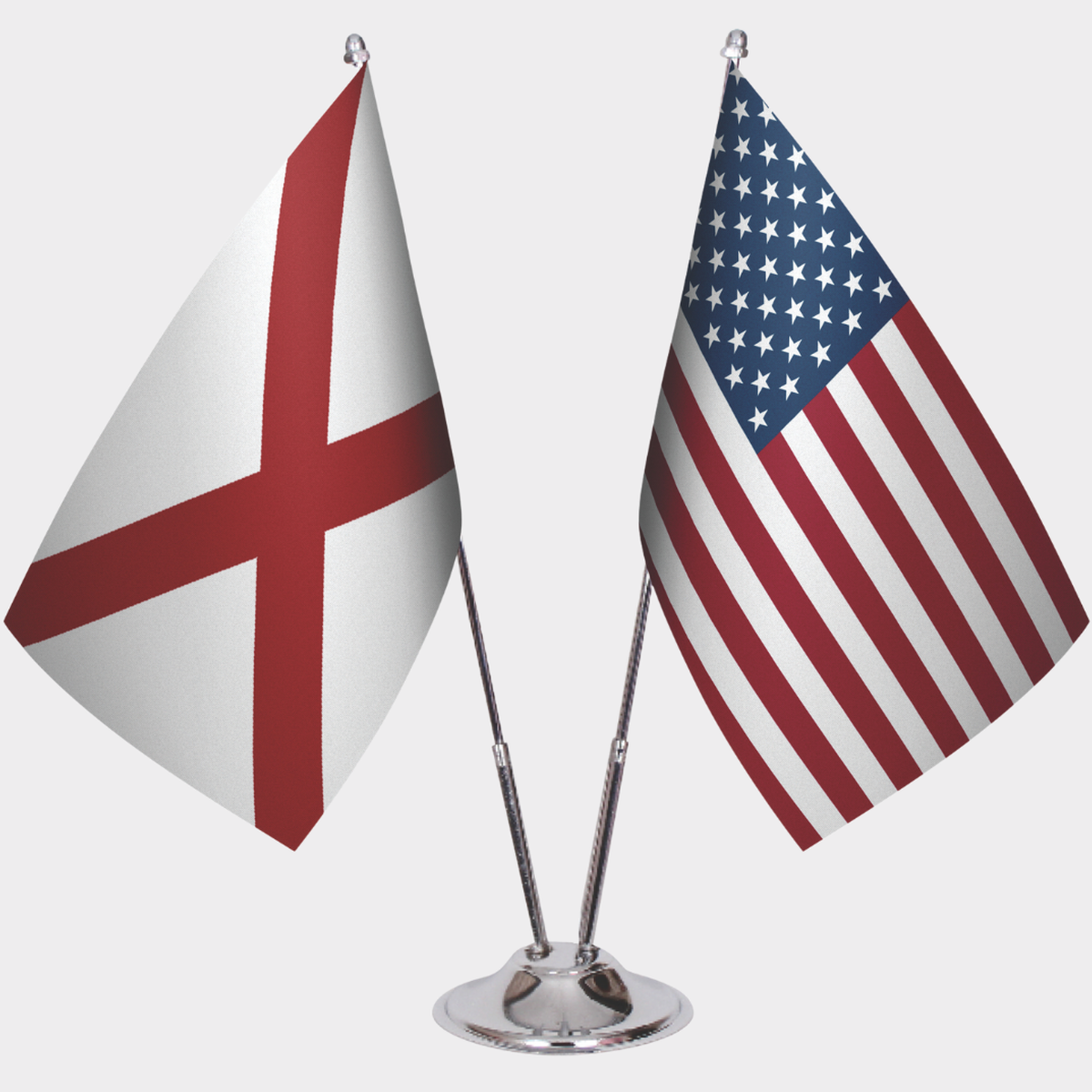
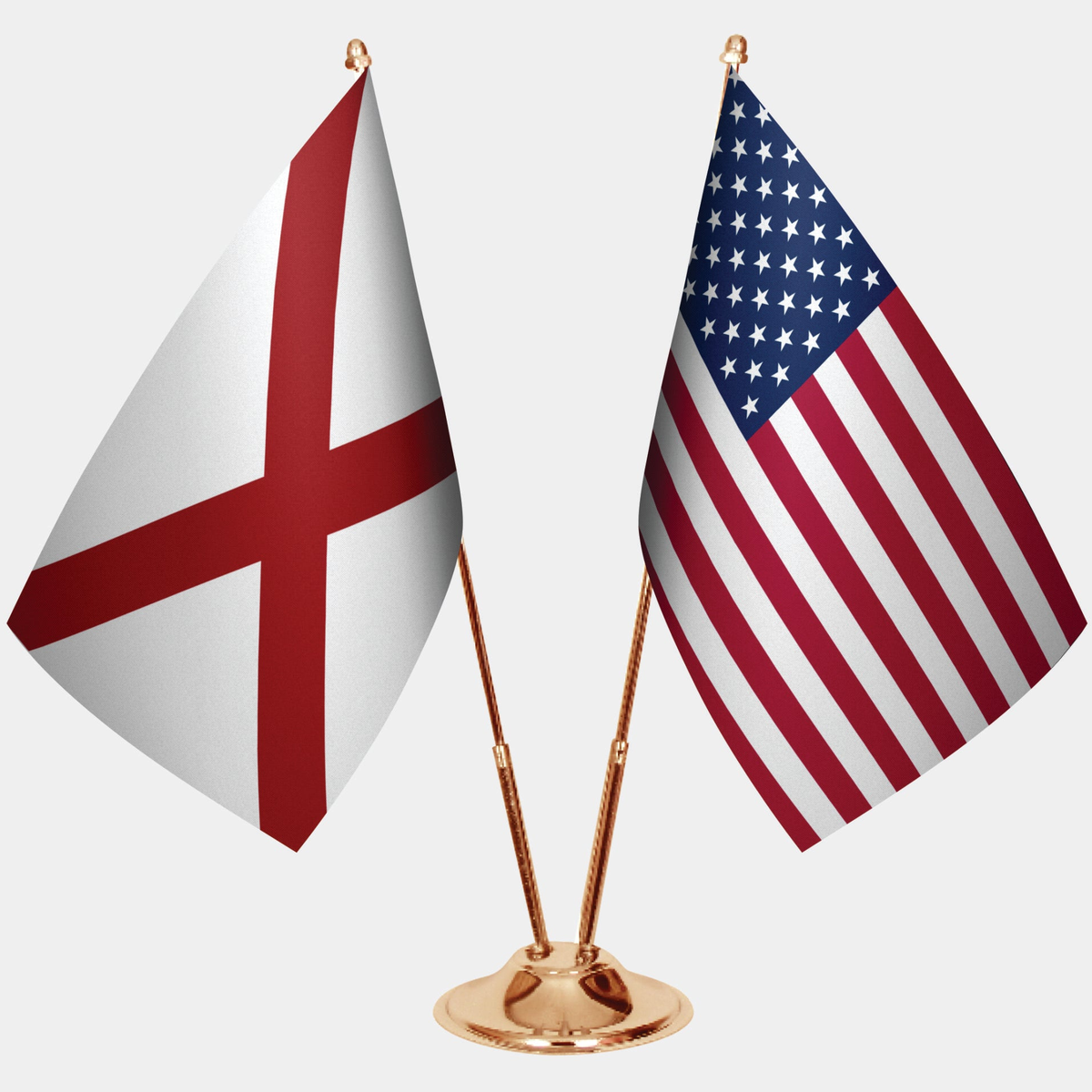
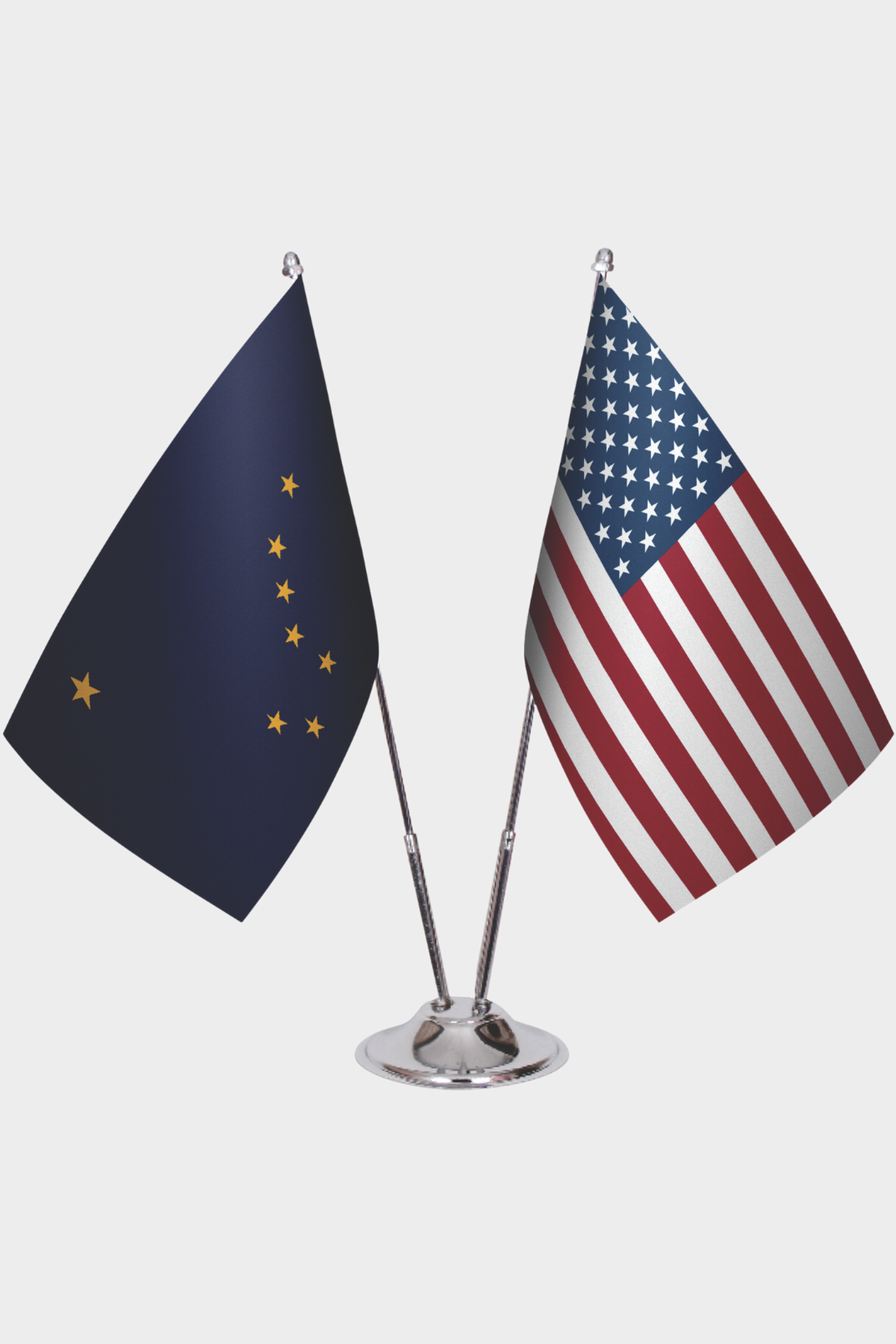
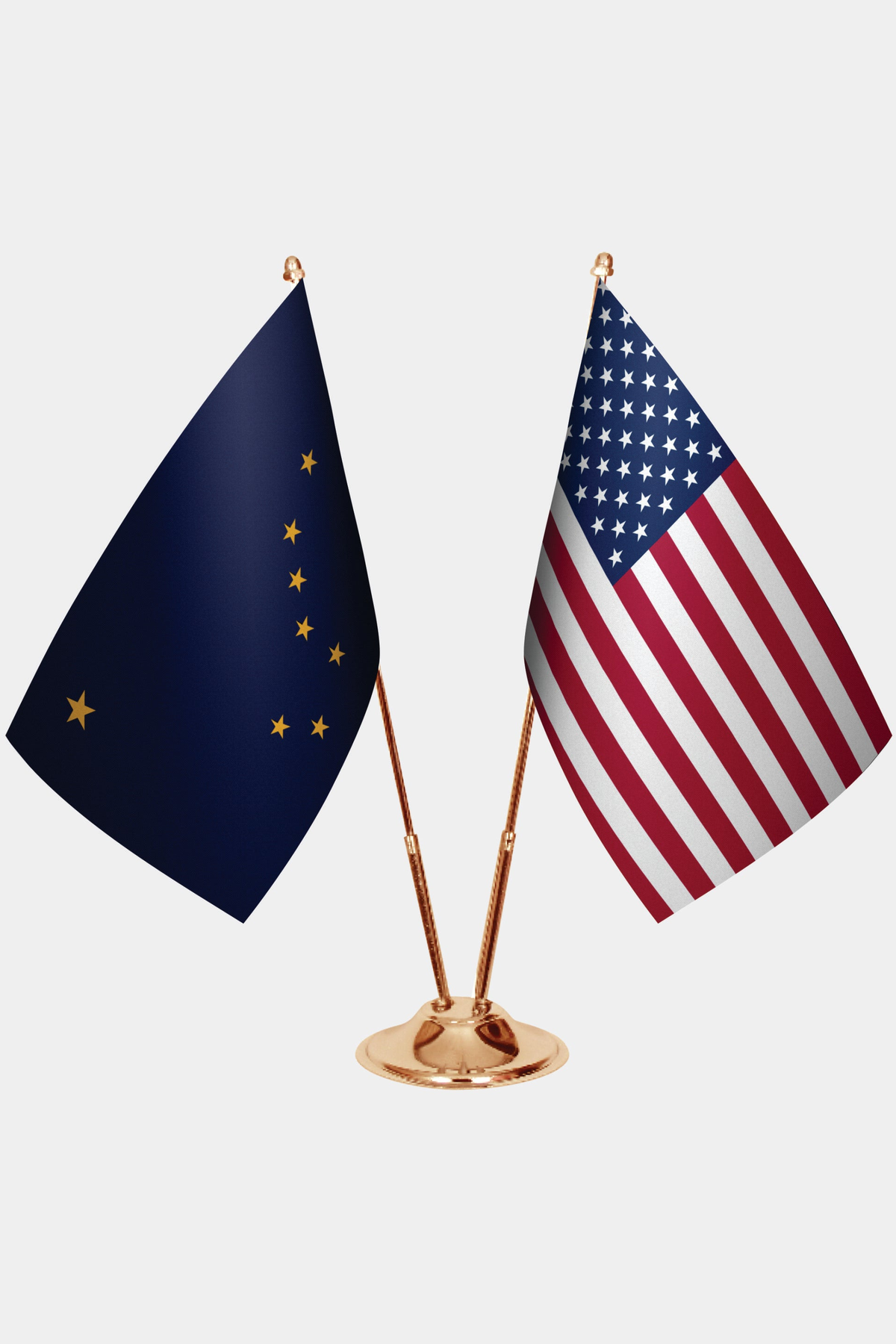
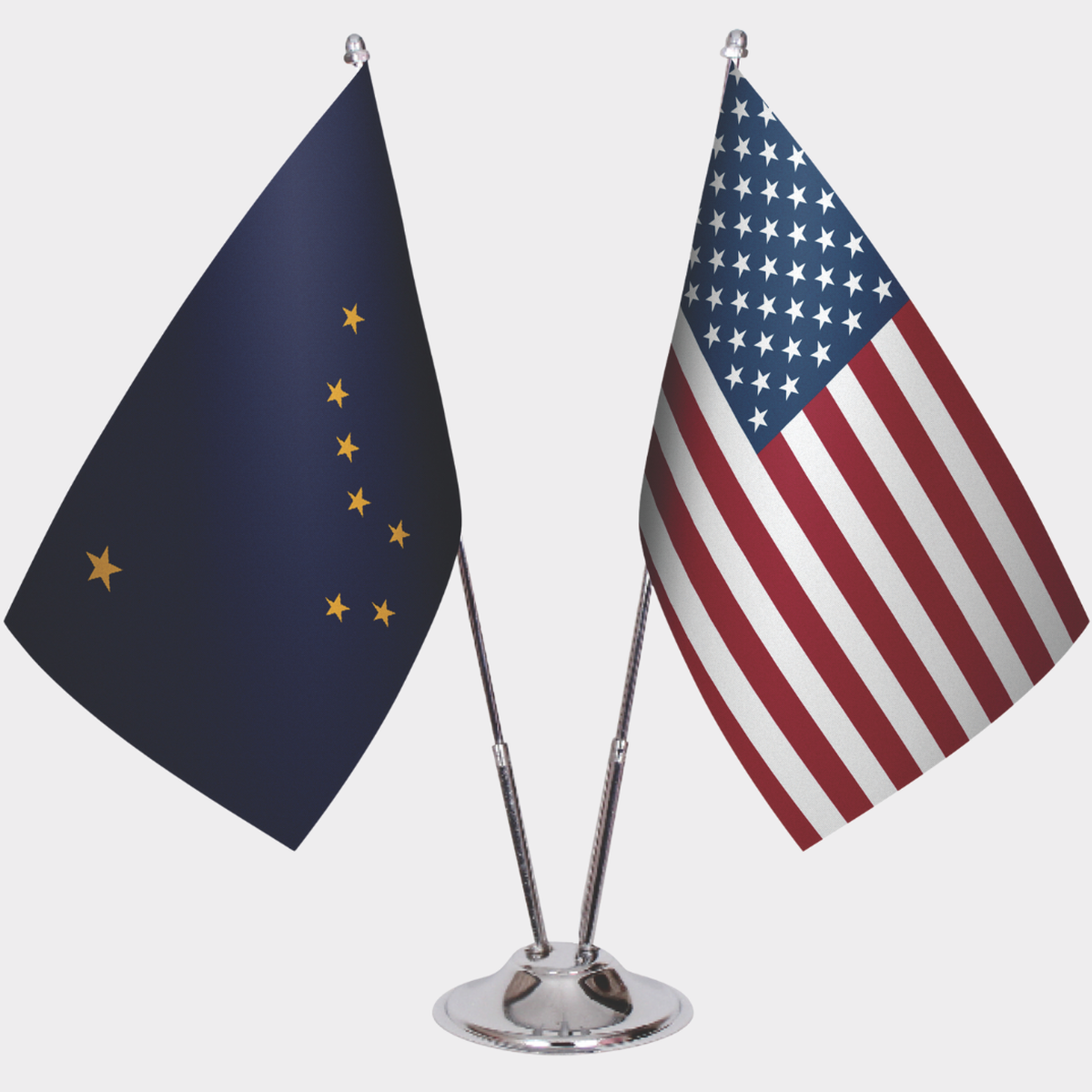
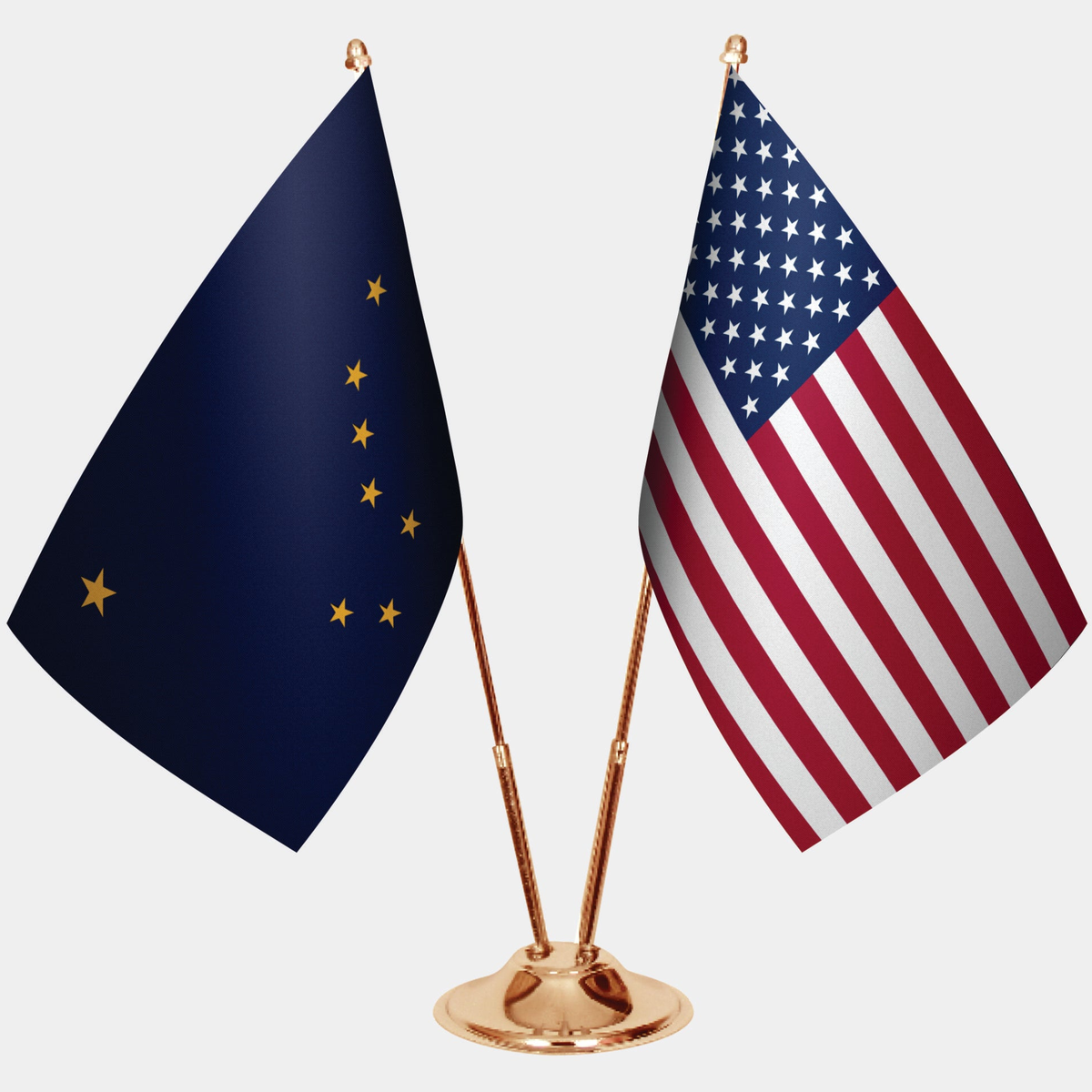
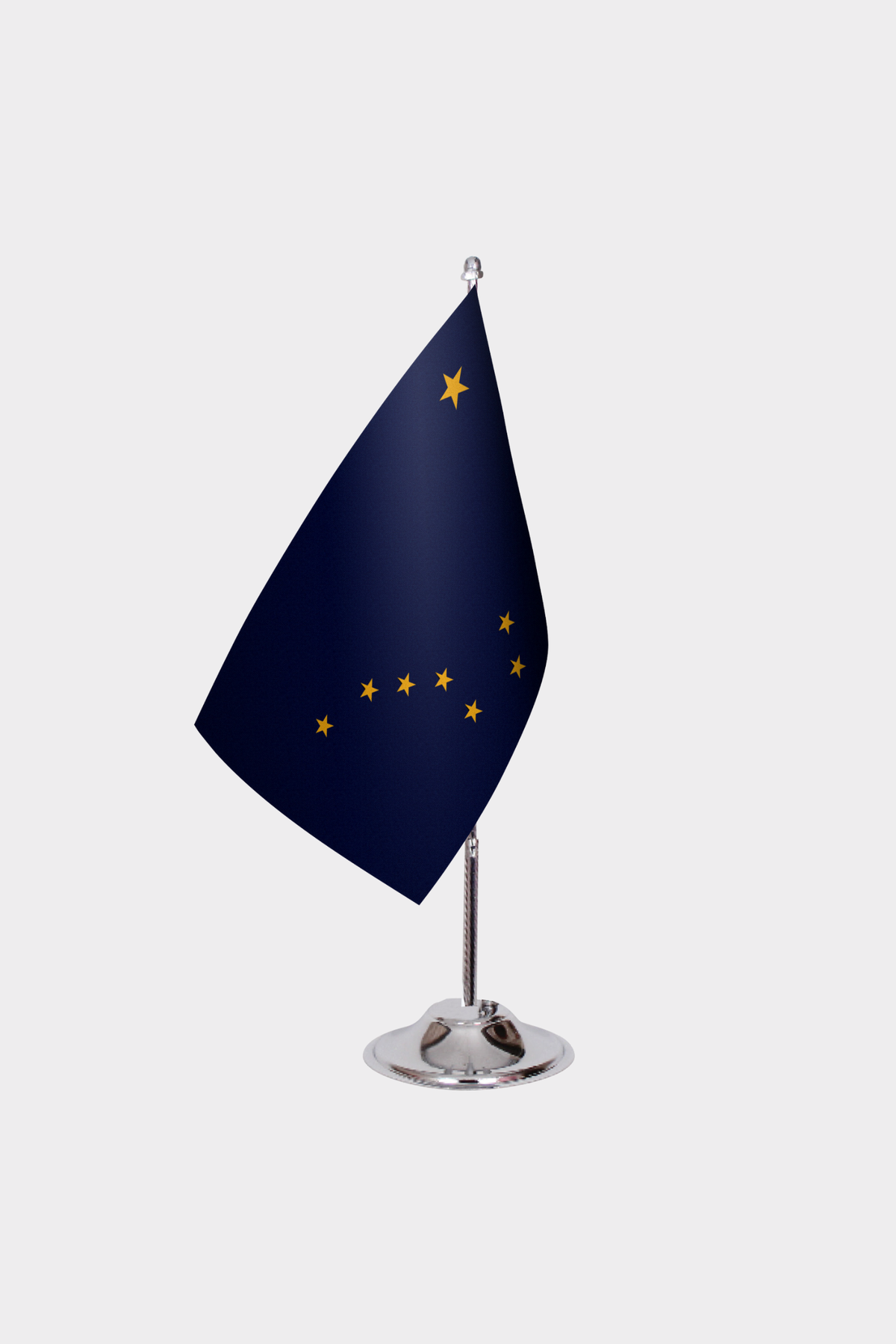
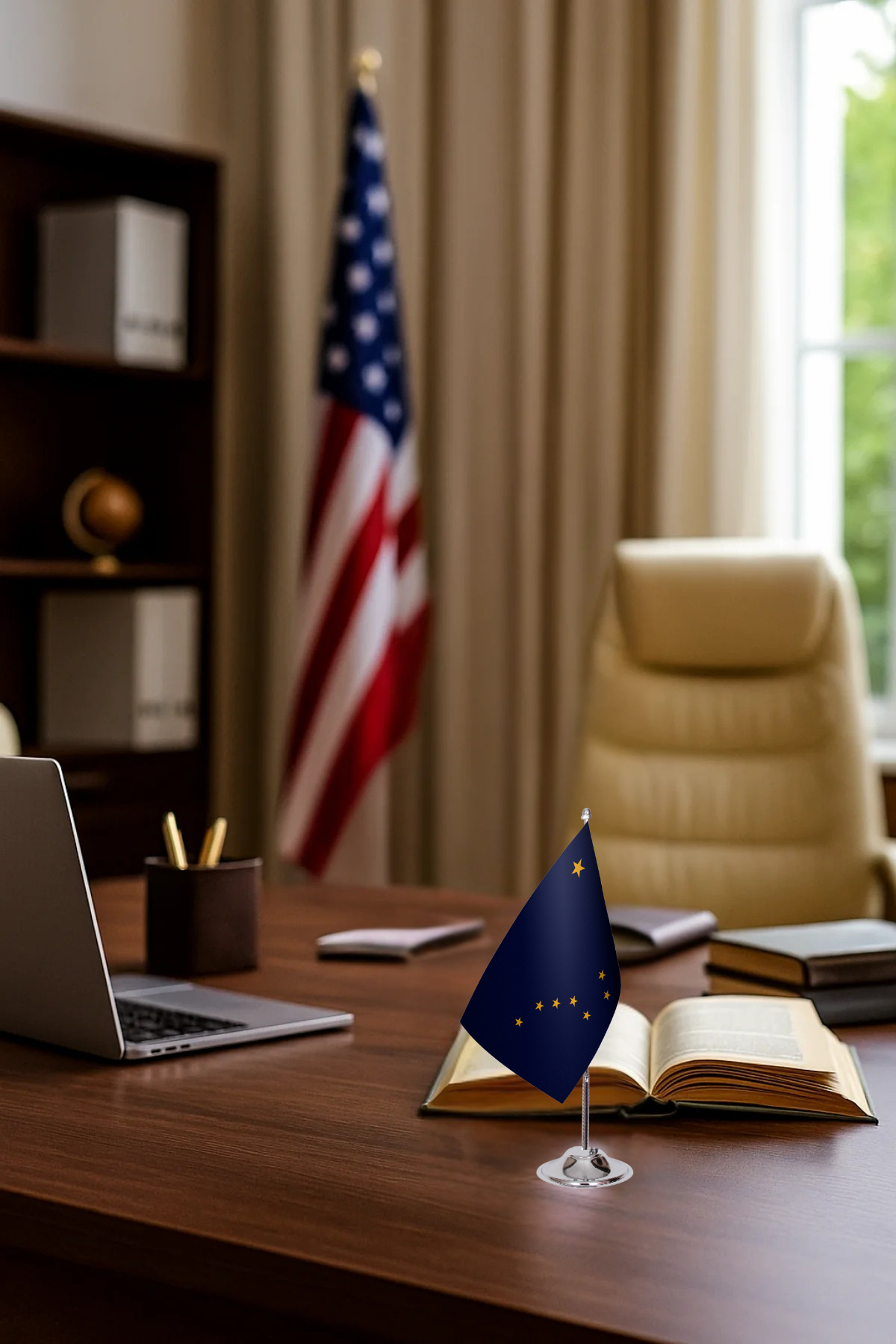
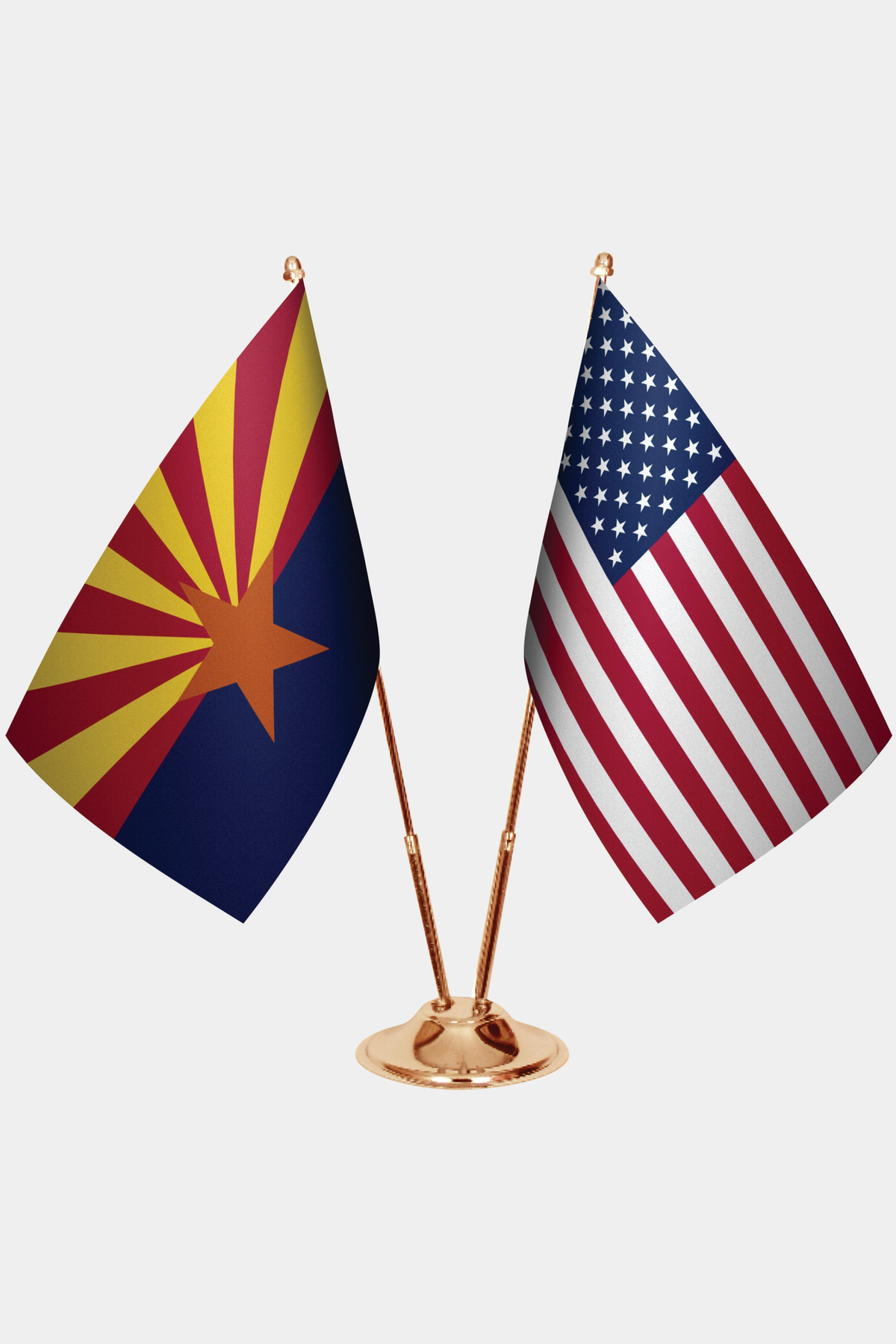
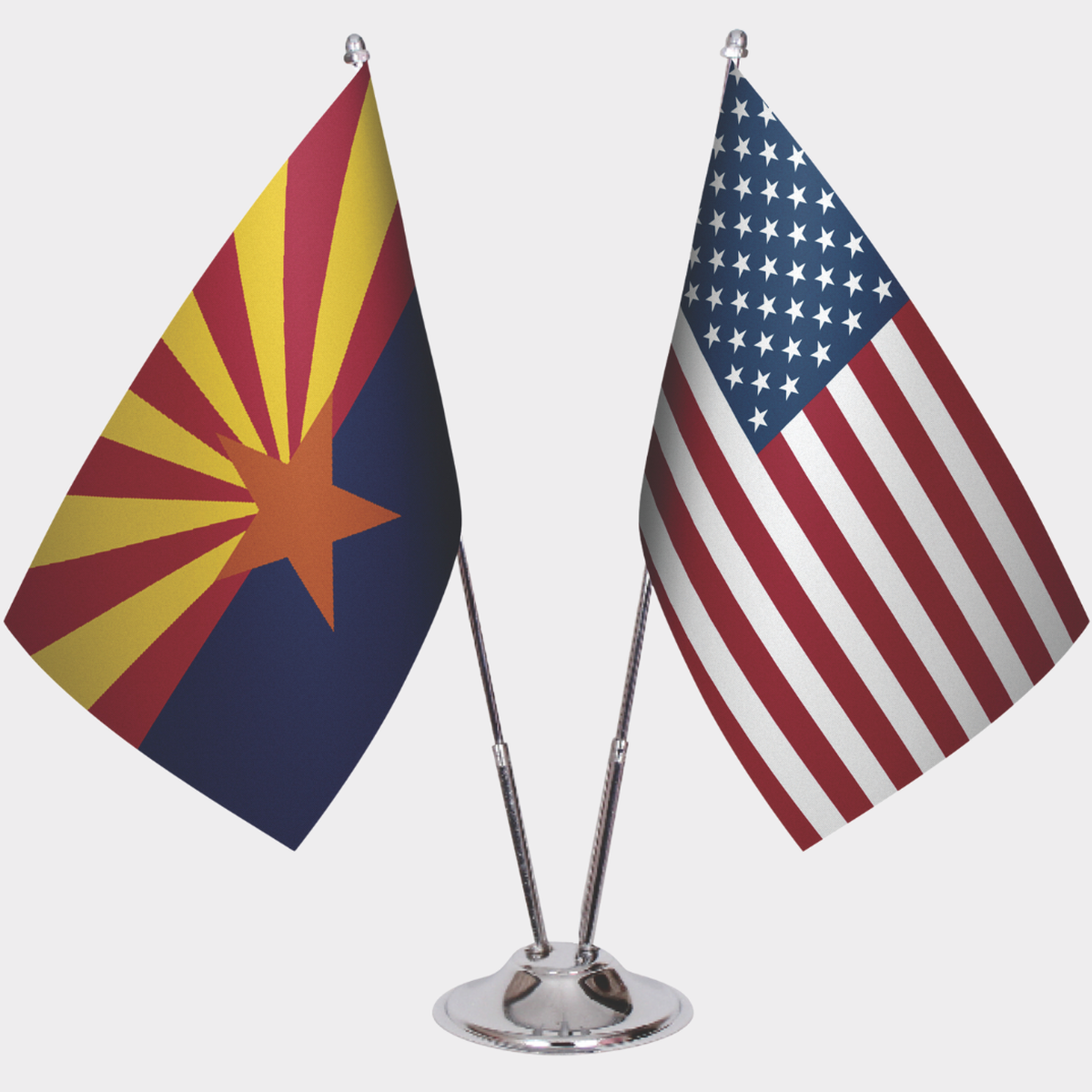
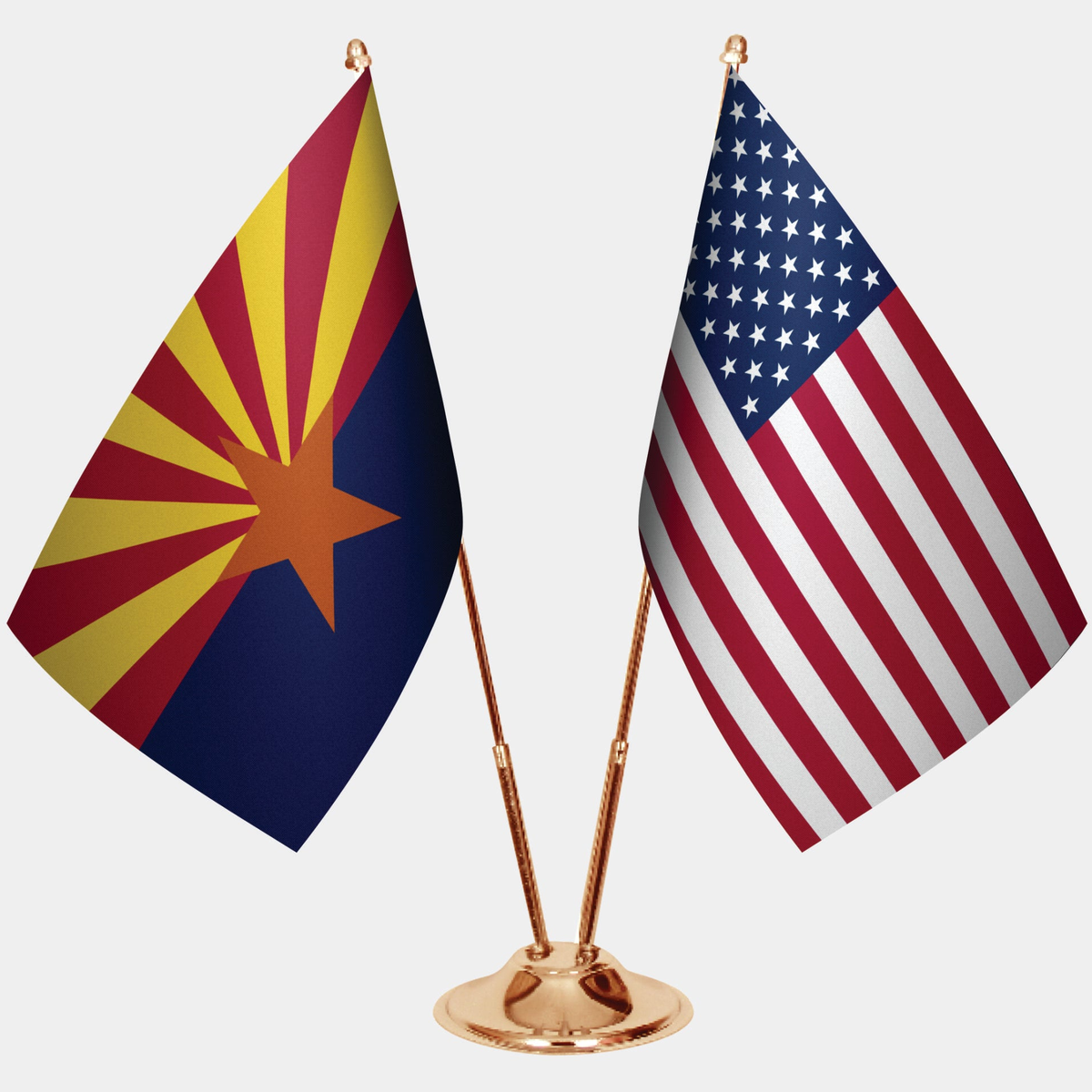
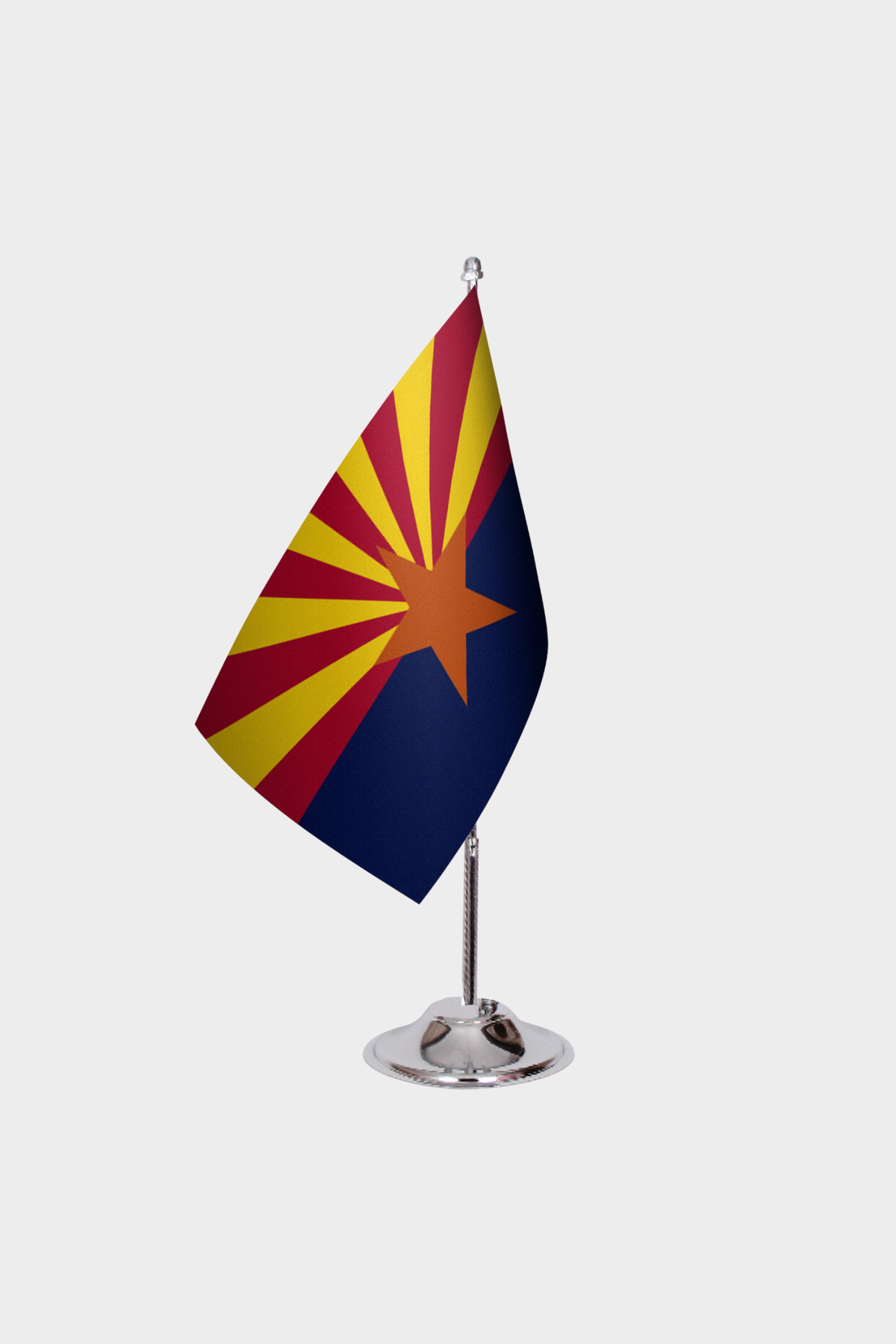
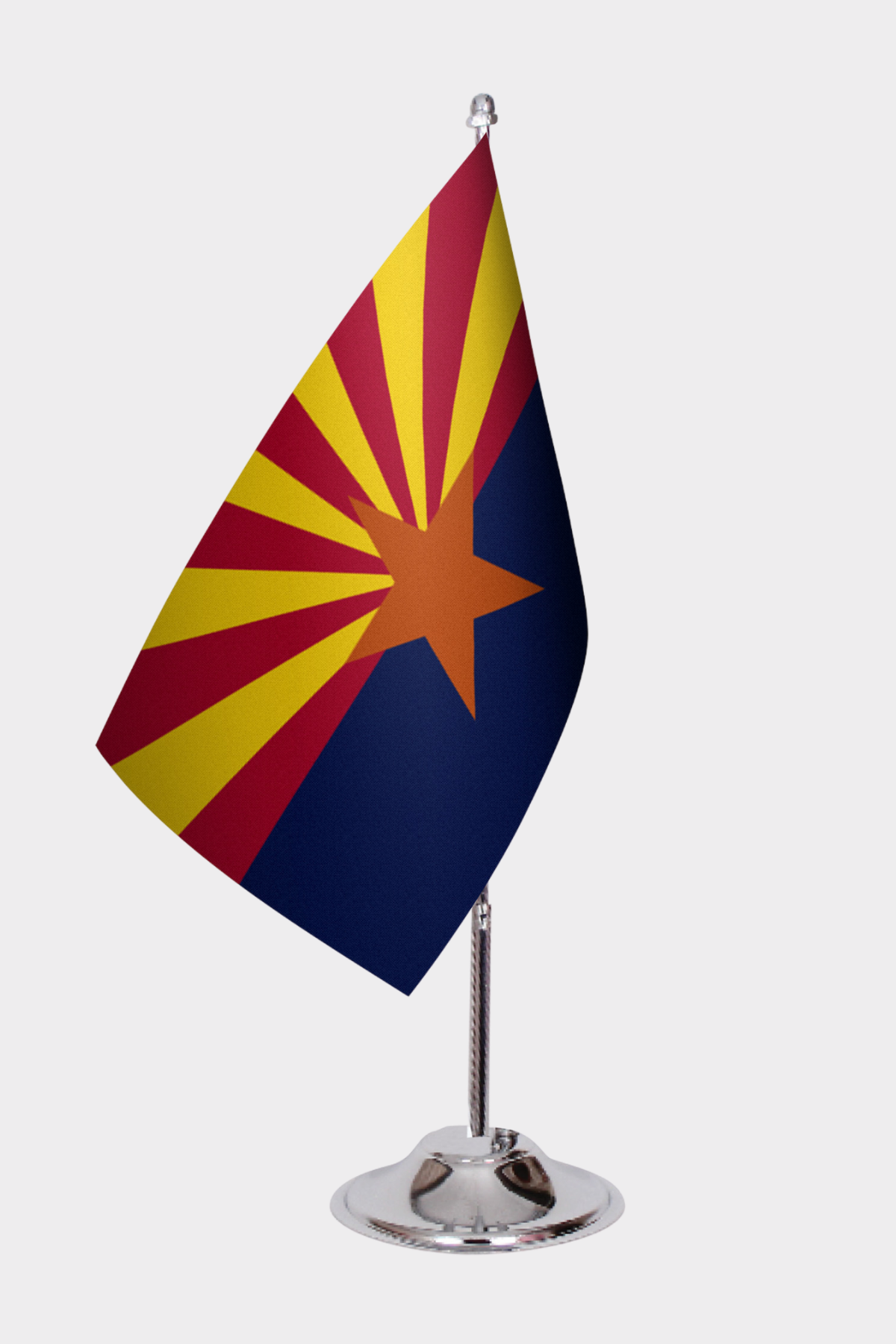
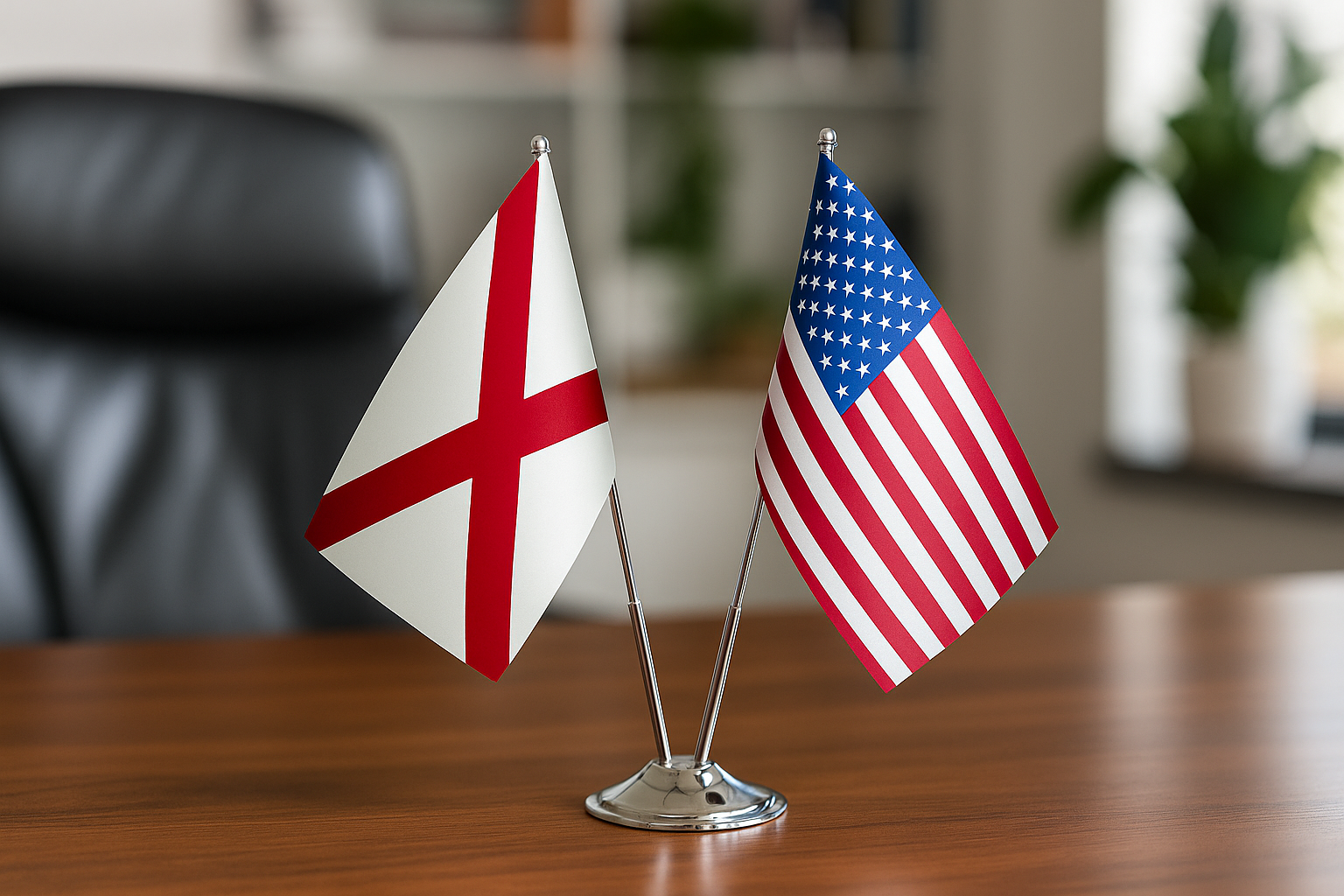
Finish selection for bases should mirror the pole finish exactly: gold bases with gold poles, chrome bases with chrome poles. The luxury chrome-gold desk flag stand from Asya Bayrak is an excellent example of the dual-finish approach that works in transitional diplomatic interiors where both warm and cool metal tones appear in the architecture. For larger floor-standing arrays, explore the full flag bases and stands collection to find options rated for 8 ft (244 cm) and 9 ft (274 cm) pole heights with the stability footprint required for crowded event environments. When ordering for an entire facility, specify base weight, diameter, and finish in writing on your purchase order to ensure consistency across all units in a multinational office indoor flag poles configuration.
Indoor Flags Collection
Asya Bayrak's indoor flags collection offers complete ceremonial sets — flags, poles, and bases — sized and finished for diplomatic, corporate, and institutional environments worldwide.
Browse Collection →Bulk Ordering Protocol for UN Affiliates and Multinational Offices
A well-managed UN affiliate office flags bulk order begins with a detailed procurement specification sheet, not a simple item count. Before contacting a supplier, your procurement team should document: the complete list of countries to be represented (with ISO 3166-1 alpha-2 codes to prevent naming ambiguities), the required flag size, the pole height, the base type and finish, the fringe specification, the delivery timeline, and the destination address or addresses if shipping to multiple offices. Providing this level of detail upfront eliminates the back-and-forth that delays production and increases costs.
Lead times for large bulk country indoor flags for conference rooms orders — typically defined as 20 or more flag sets — generally range from 15 to 35 business days depending on the complexity of the emblems involved and current production capacity. Orders that include flags with complex coats of arms (e.g., Bolivia, Ecuador, Haiti) or embroidered finishes require additional production time versus digitally printed polyester sets. Request production proofs for any flag featuring a detailed national emblem before full-run approval; a single error on an official national symbol can create a significant diplomatic incident. For recurring procurement cycles — such as annual replacement of faded or worn flags across a regional office network — establishing a standing purchase agreement with your supplier locks in pricing and ensures consistent specifications year over year.
Installation, Maintenance, and Replacement Cycles
Proper installation of a multi-flag ceremonial array in an international office takes planning beyond simply sliding flags onto poles; the positioning, spacing, and alignment of each unit must be measured and verified before the first guests or delegates arrive. A standard spacing of 24–30 inches (61–76 cm) between pole bases creates an open, formal appearance without making individual flags crowd each other. For semicircular conference arrays, use a string line or laser level to ensure all pole tops align at the same height, since even a 0.5 in (12 mm) discrepancy is visible and signals poor attention to protocol detail.
Indoor ceremonial flags displayed continuously in air-conditioned office environments typically have a lifespan of 12 months to 2 years before noticeable fading or fabric fatigue occurs along the pole hem. Flags in high-traffic lobbies exposed to frequent air current from HVAC systems or revolving doors at their base will show wear more quickly — often within 9–12 months. Establish a biannual inspection schedule: check for hem fraying, color fading (especially on red and blue fields, which fade faster than other colors under fluorescent lighting), and pole straightness. Replacing flags on a rolling schedule rather than all at once prevents budget spikes and ensures your display always reflects the quality standard expected in an international organizational setting.
Frequently Asked Questions
What is the standard flag size for international organization conference rooms? +
In what order should national flags be displayed in a UN affiliate or multinational office setting? +
How long does a bulk order of indoor ceremonial flag sets typically take to produce and deliver? +
Should indoor ceremonial flags have gold fringe or not? +
What base weight is recommended for indoor ceremonial flag poles in high-traffic areas? +
How often should indoor ceremonial flags be replaced in an international office? +
Can I order country indoor flags for conference rooms with custom sizes or special emblem requirements? +
Where should the US flag be positioned when displayed alongside other national flags in a multinational setting? +
Whether you are outfitting a single executive conference room or managing a UN affiliate office flags bulk order across a network of regional headquarters, sourcing from a supplier with deep experience in diplomatic and institutional procurement makes every stage of the process more efficient and less prone to costly specification errors. Explore the full country indoor flags collection for ceremonial-grade national flags across all member states, browse complete indoor flag sets with matched poles and bases, and view hardware options in the bases and stands collection to build a protocol-compliant display from the ground up. Bulk pricing is available for corporate and institutional orders — contact the Asya Bayrak procurement team with your specification sheet to receive a custom quote tailored to your organization's exact requirements.