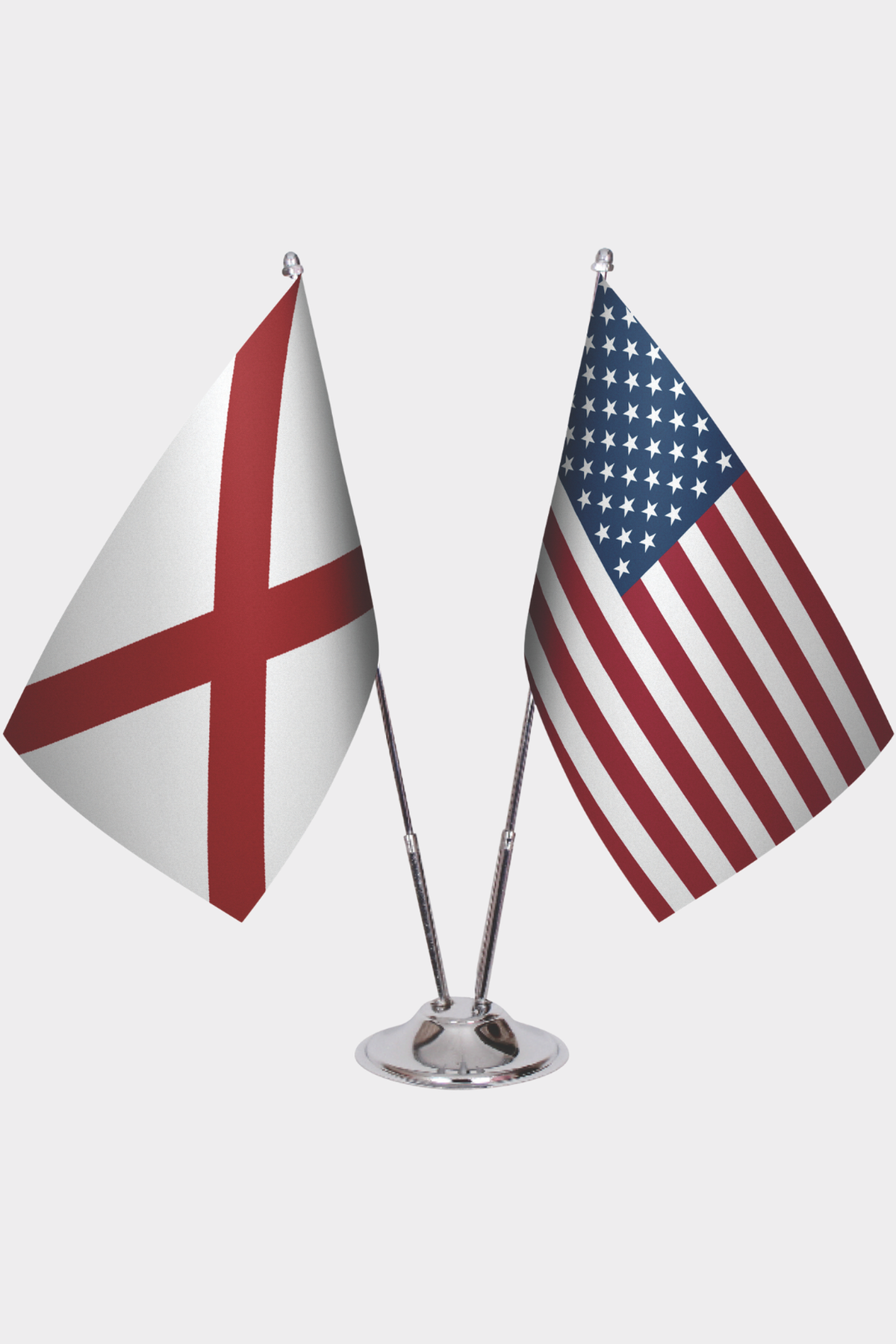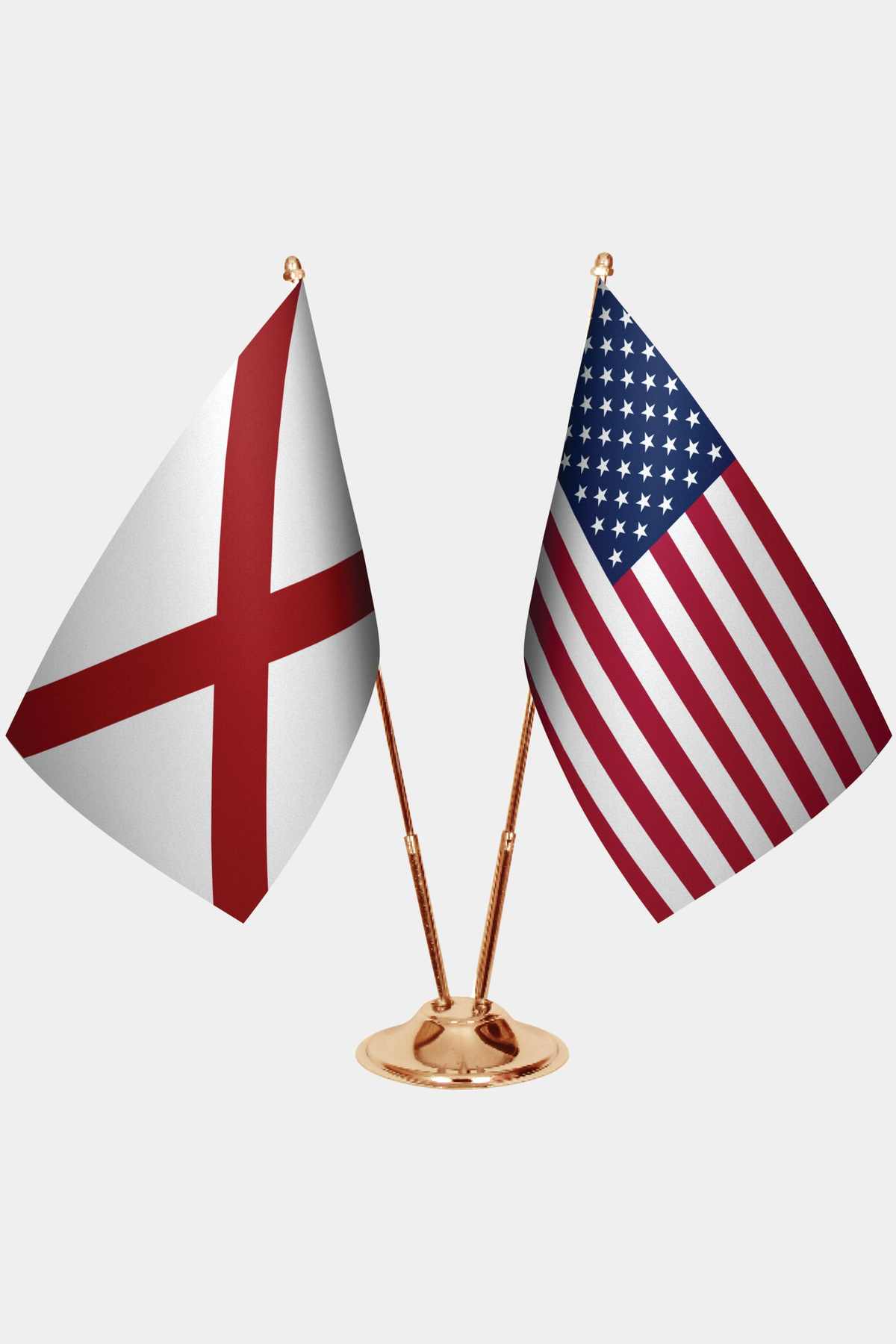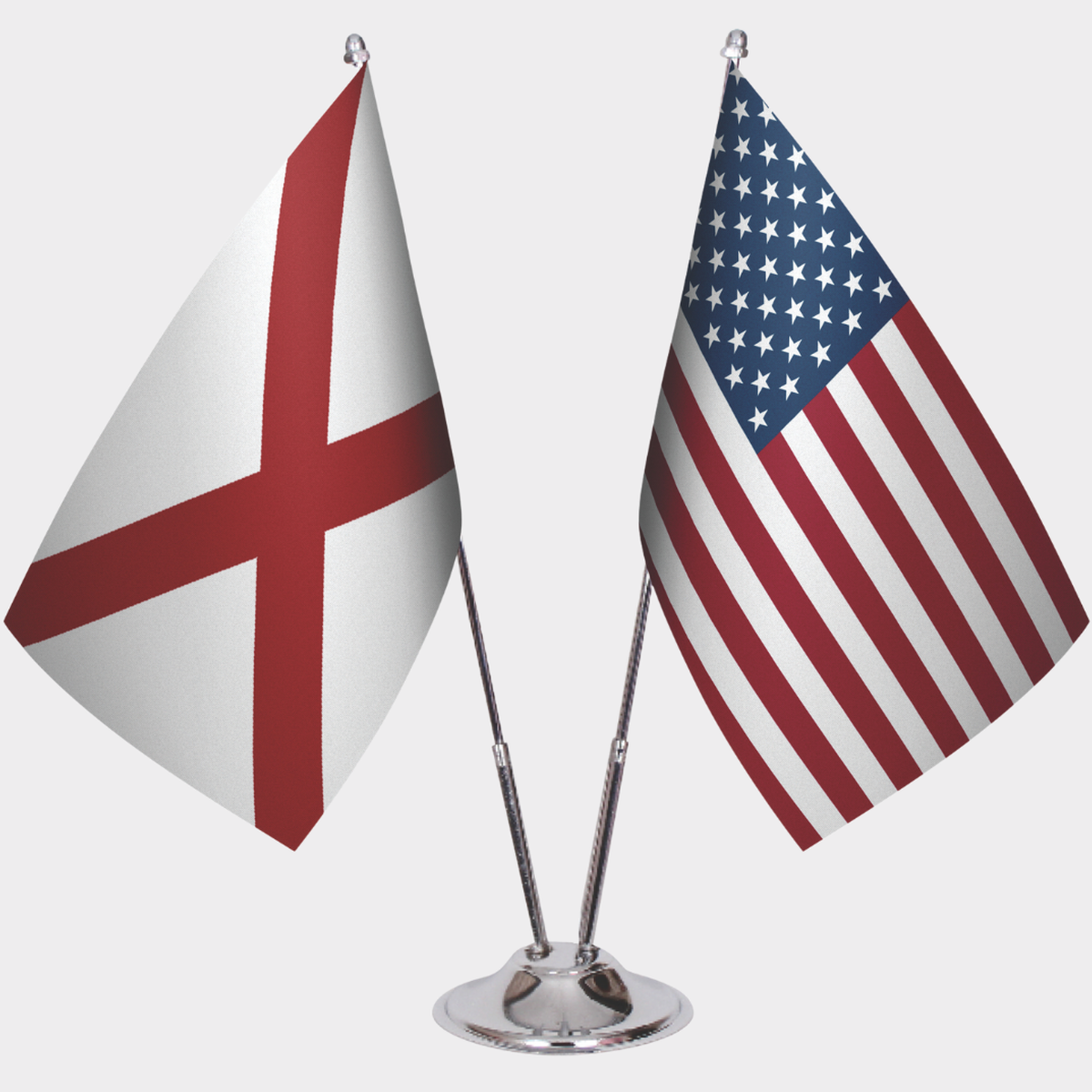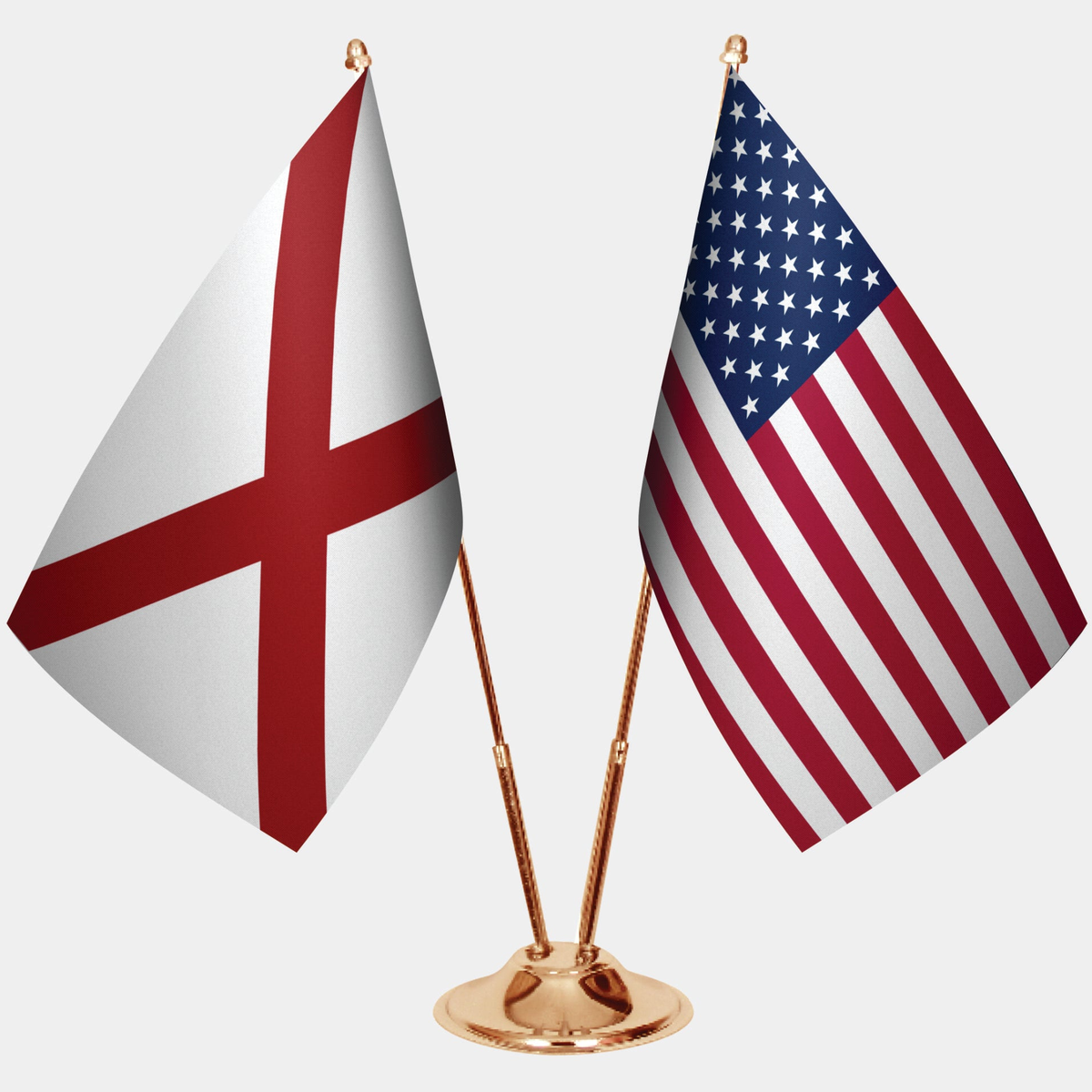








For recruitment offices, VFW halls, and federal buildings, indoor military branch flag sets must follow precise display protocol, meet standard sizing requirements, and hold up to daily ceremonial use — making quality and compliance non-negotiable from day one. Whether you're outfitting a single Army recruiting station or placing a bulk order for a network of federal facilities, understanding the rules and sourcing the right hardware will save time, money, and potential protocol violations. This guide covers everything procurement officers, facility managers, and VFW post commanders need to know about indoor military flags, from sizing charts to display law to wholesale ordering.
Understanding Military Flag Display Protocol for Indoor Settings
Indoor military flag display is governed by a combination of federal law, Department of Defense directives, and branch-specific regulations — so getting it right means consulting more than just personal preference. The US Flag Code (4 USC §§ 1-10) establishes the hierarchy of flag placement, and DoD Instruction 1005.6 further defines how service branch flags are to be displayed in official settings. When displaying an army navy air force indoor flag set or any combination of branch flags, the American flag always takes the position of honor: to the right of the display from the audience's perspective (the speaker's left when facing the audience). Military branch flags are then arranged in order of branch precedence — Army, Marine Corps, Navy, Air Force, Space Force, and Coast Guard — positioned to the left of the US flag and ordered outward from it. This sequence is not decorative; it reflects established military custom and must be observed in all recruitment offices, VFW halls, and federal building lobbies.
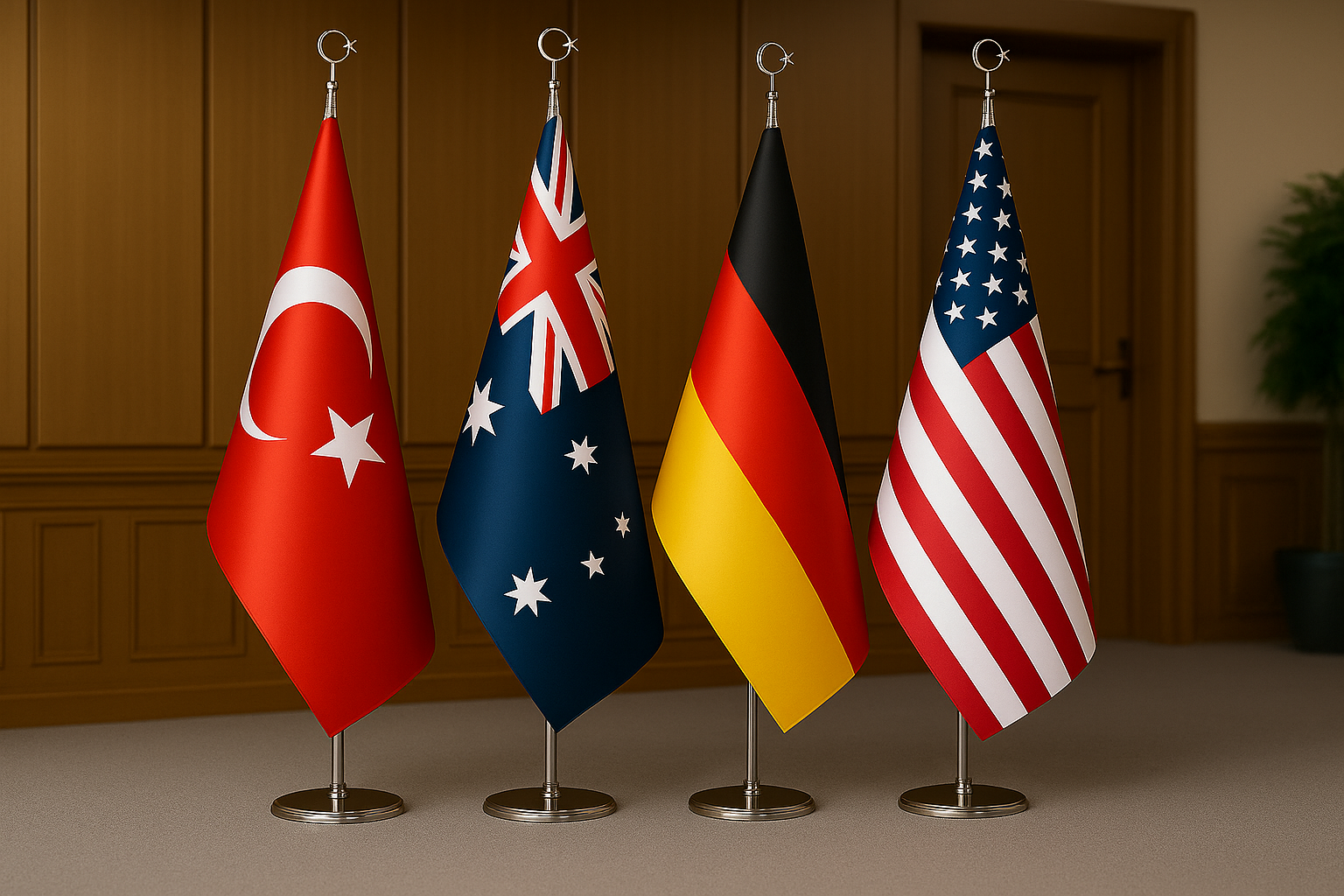
Placement height matters just as much as horizontal order. In a standard indoor ceremonial display, the finial (the ornamental top of the pole) for the American flag should be at the same height or higher than all branch flags. Flagpoles should be vertical and positioned close enough to form a cohesive presentation without the flags overlapping. Many federal buildings and VFW posts use a semicircular or linear arrangement of 7-pole sets — one for the US flag, one for each of the six branches — but three-flag and five-flag arrangements are also common depending on space constraints and which branches are being represented.
Standard Sizing for Indoor Military Branch Flags
The most widely accepted size for indoor military branch flags in official settings is 3 ft × 5 ft (91 cm × 152 cm), which balances visual authority with practical manageability inside lobbies, offices, and meeting halls. This is the standard size used in the majority of recruitment offices, federal courtrooms, and VFW hall flag sets across the country. For smaller spaces such as individual offices, conference rooms, or personal honor displays, a 2 ft × 3 ft (61 cm × 91 cm) flag on a shorter pole is appropriate and proportional. Desk flag formats — typically 4 in × 6 in (10 cm × 15 cm) on a 10-inch (25 cm) staff — are suitable for countertop or tabletop recognition displays rather than formal ceremonial settings.
Pole height should be scaled to match flag size. For a 3 ft × 5 ft flag, a pole height of 8 ft (244 cm) is standard in rooms with 9–10 ft (274–305 cm) ceilings, while a 9 ft (274 cm) pole is used in taller spaces. The pole diameter is typically 1 inch (2.54 cm) for indoor ceremonial use, and most hardware — including bases and finials — is manufactured to this standard. When ordering in bulk for multiple facilities, specifying consistent pole lengths and flag sizes across locations ensures visual uniformity and simplifies future replacement ordering.
Choosing the Right Pole, Base, and Hardware
The hardware that supports your indoor military flags with pole and stand is every bit as important as the flag itself, particularly in high-visibility environments like federal building lobbies or VFW hall entrances where the entire display is scrutinized daily. A weak base, mismatched finial, or plastic pole in a ceremonial space immediately undermines the dignity of the display. For official indoor use, chrome or gold-plated finials in an eagle design are the military and government standard — the eagle finial is explicitly referenced in DoD display guidelines and has been the traditional choice for US military and federal flag displays for over a century.
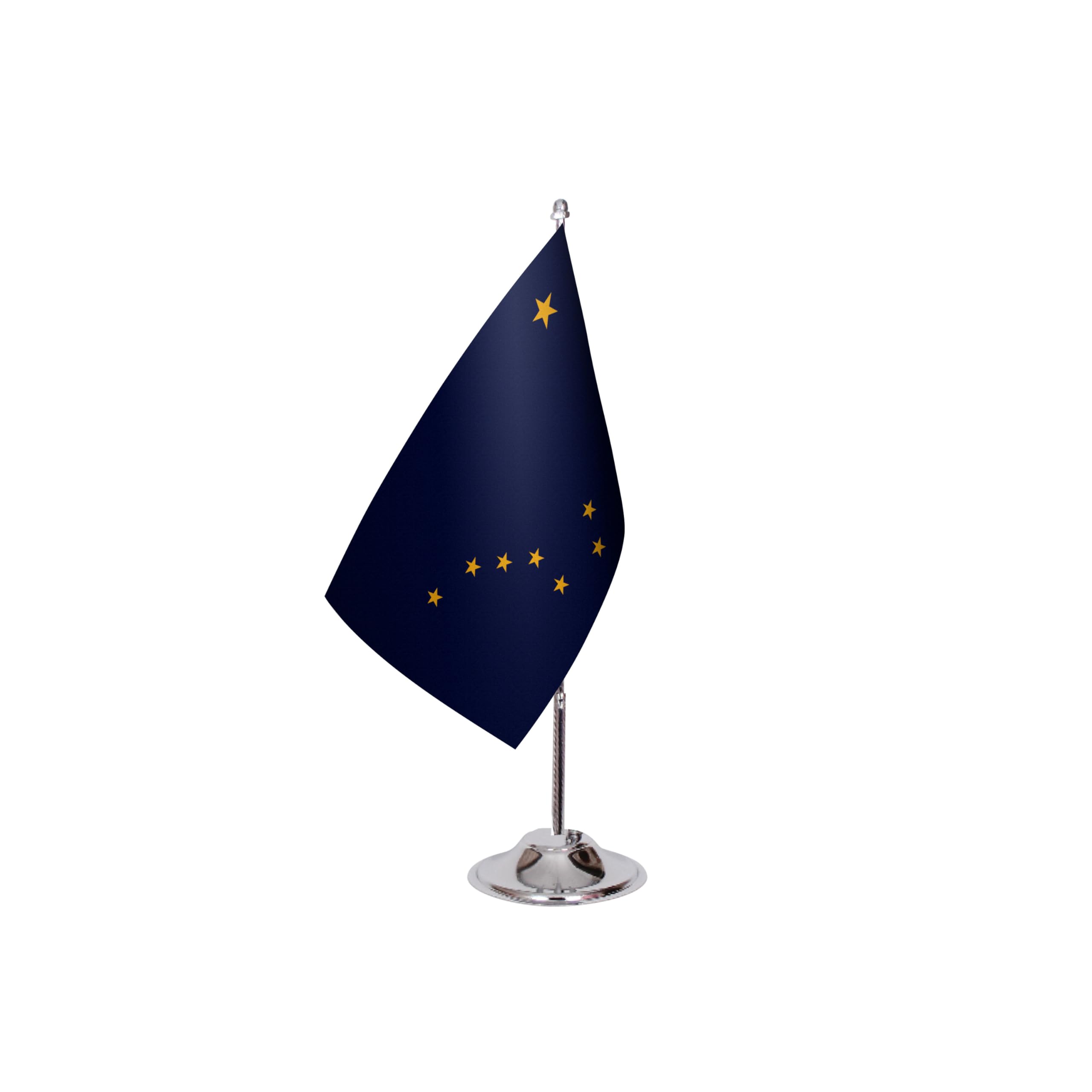
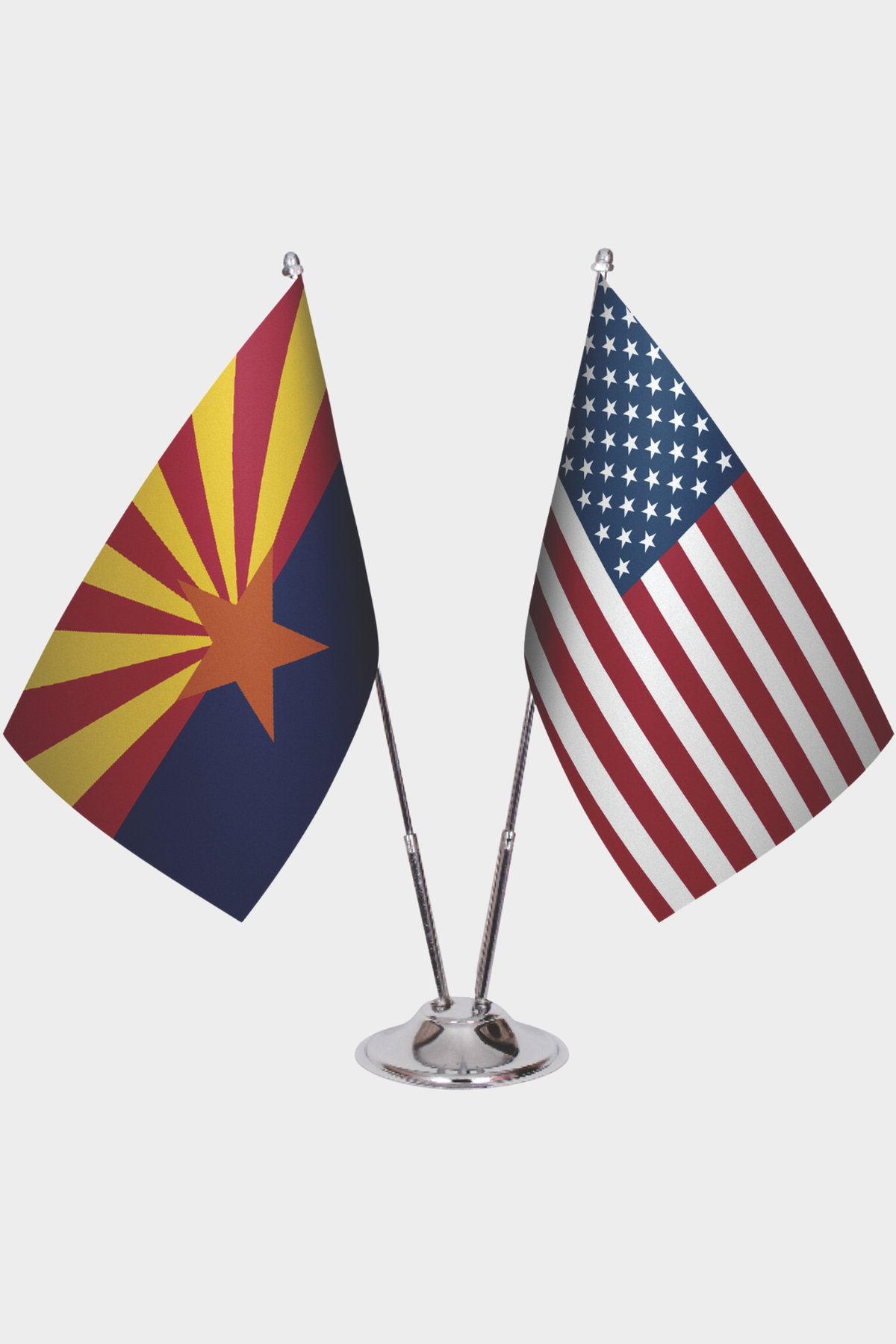
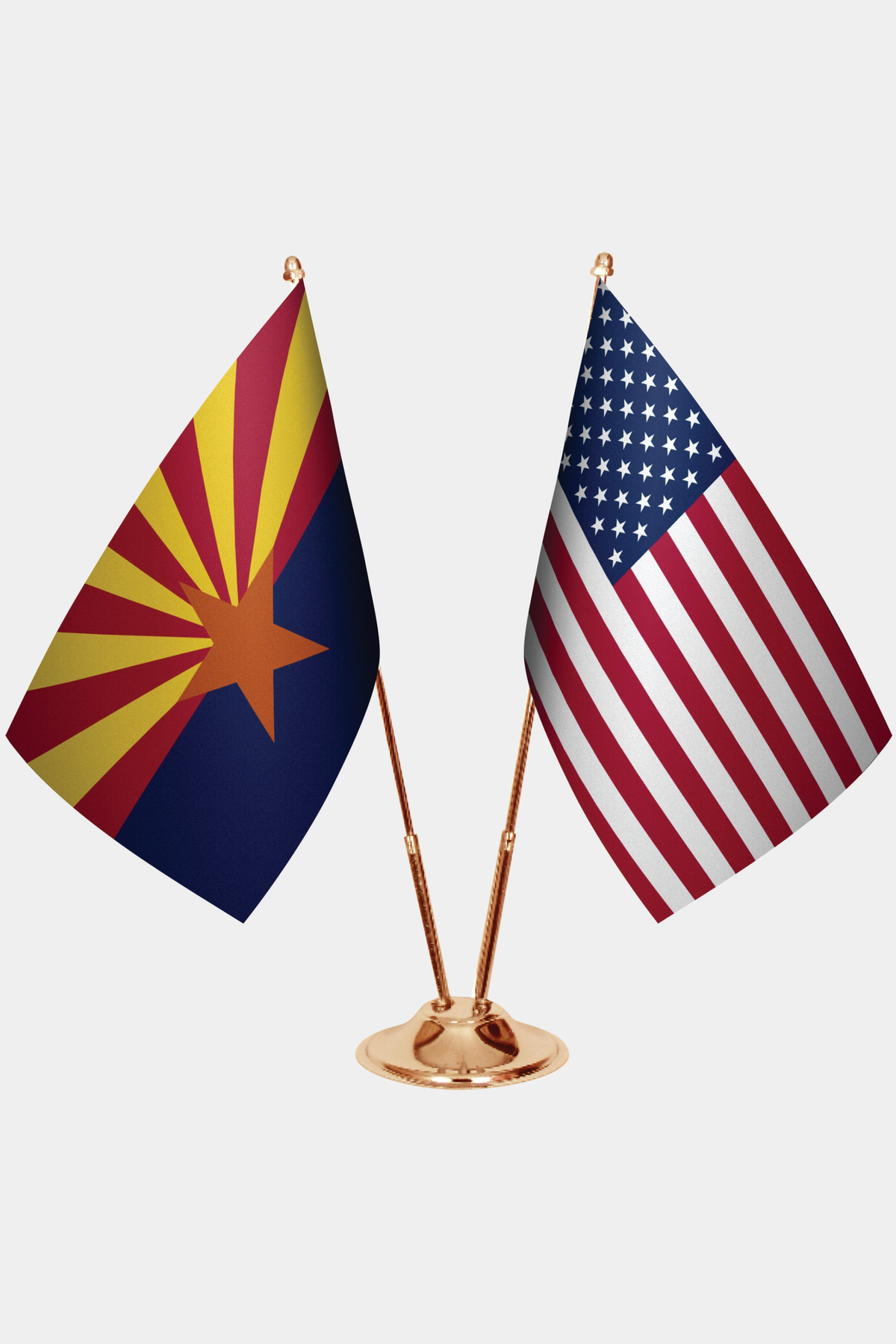
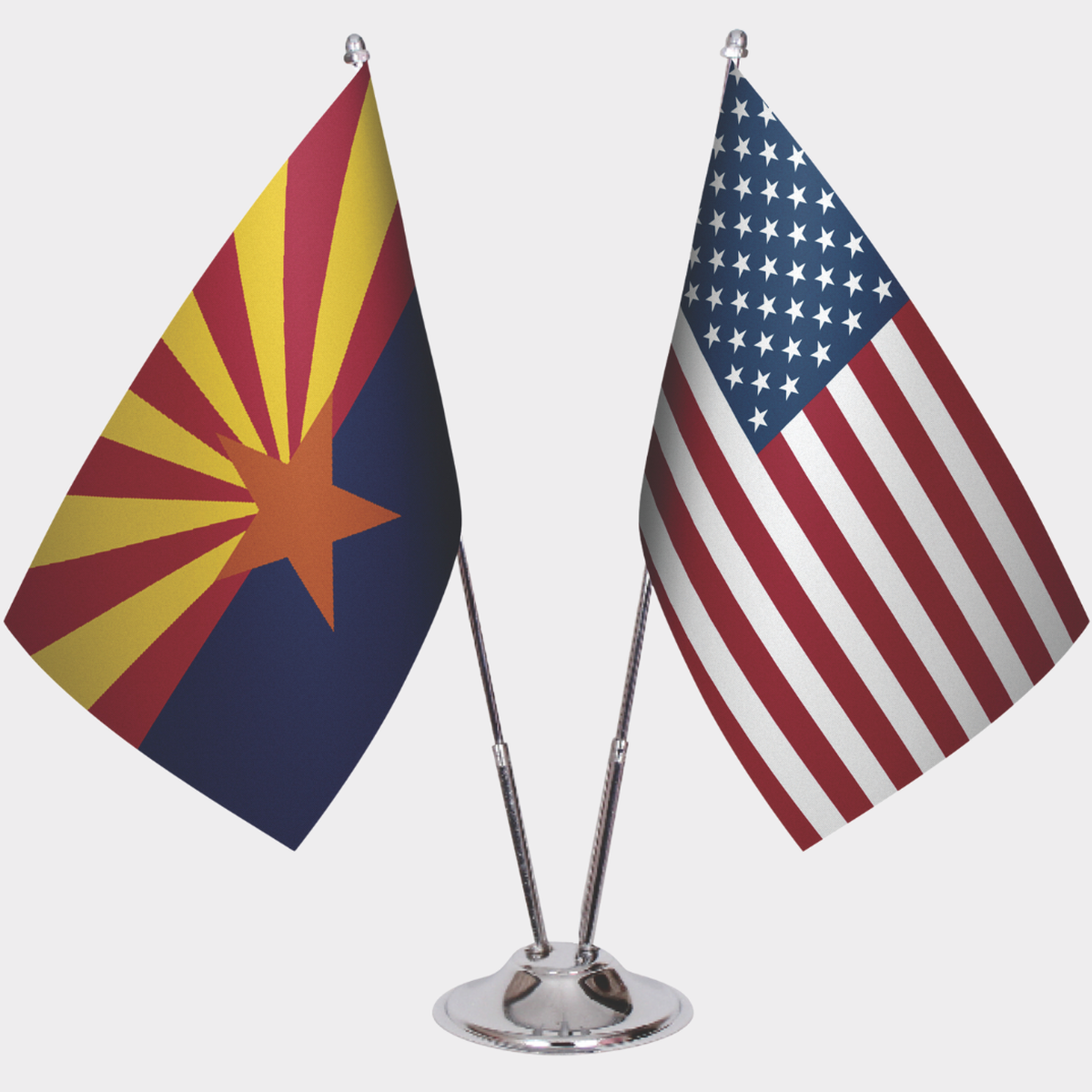
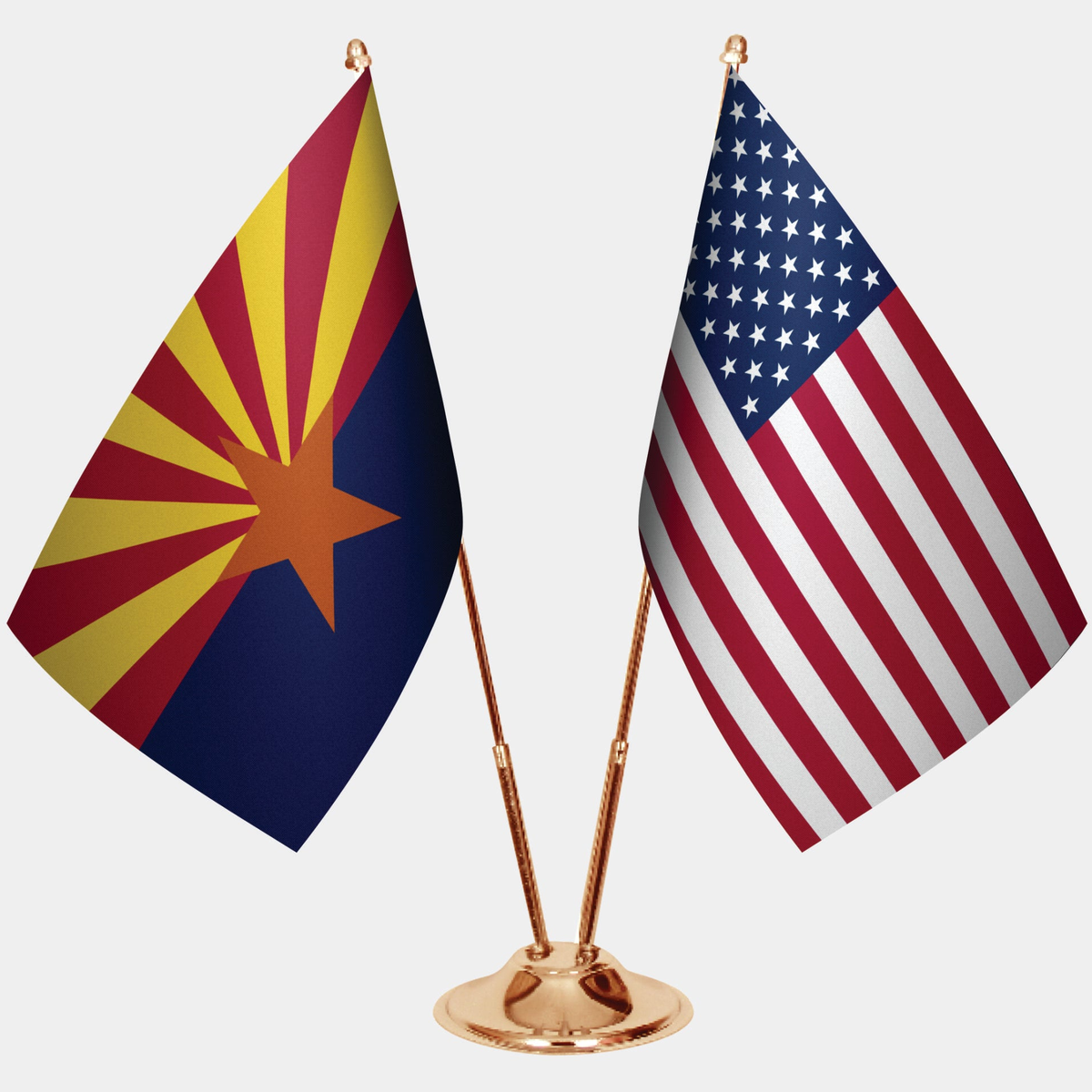
 Base style and weight are equally critical considerations for any formal setting. A floor stand base must be heavy enough to hold an 8–9 ft pole and flag upright without tipping — cast iron or weighted steel bases in the 7–12 lb (3.2–5.4 kg) range are preferred for stability. For tabletop or countertop use, the Luxury Chrome Gold Desk Flag Stand provides an elegant presentation-grade option that suits recruitment offices and administrative spaces where a compact but dignified display is needed. Browsing the full bases and stands collection will help procurement teams identify the right weight class and finish for each specific facility type. Wall-mount pole holders are also a strong option for offices with limited floor space, and these are available through the poles and holders collection in both single and multi-mount configurations. When ordering for multiple locations, standardizing on one hardware configuration simplifies installation, reduces training time for staff, and ensures every facility presents an identical, protocol-compliant display.
Military Flag Display in VFW Halls: Special Considerations
VFW posts have their own longstanding traditions for flag display that layer on top of federal protocol, and understanding both is essential for any VFW hall flag set purchase. Most VFW halls maintain a formal color guard display featuring the US flag, the VFW organizational flag, and at minimum the flags of the branches represented by post members — which in practice usually means all six branches are displayed. The VFW National Headquarters recommends that all post flag displays conform to the DoD precedence order while also giving the VFW organizational flag a designated position, typically immediately to the left of the US flag or on a separate flanking pole at equal height. Color guard ceremonies — including posting and retiring the colors — require that all flags on the display line be the same size and mounted on matching hardware so that the visual presentation is uniform and the physical handling is consistent.
Because VFW halls host events ranging from small member meetings to large public ceremonies, flag durability is an important procurement factor. Indoor ceremonial flags used in active color guard rotations typically see more handling than flags in a static lobby display, meaning they should be constructed from heavier nylon or polyester with reinforced headers and brass grommets. A realistic lifespan for actively handled indoor ceremonial flags is 6 months to 2 years depending on frequency of use, storage practices, and UV exposure from windows. Budgeting for annual or biannual replacement as part of the post's operational plan is a best practice recommended by VFW District and State Commanders across multiple regional guidelines.
Federal Building Compliance: What GSA and DoD Require
Federal buildings in the United States — including recruiting stations, federal courthouses, USPS facilities, and VA offices — must comply with General Services Administration (GSA) standards and applicable DoD directives when displaying military branch flags. The GSA's Federal Management Regulation (FMR) Part 102-74 addresses flag display in federally occupied space, requiring that all flag displays in public-facing areas conform to the Flag Code and applicable agency guidance. For federal building indoor flags bulk orders, agencies typically issue a specification sheet that includes required flag dimensions (usually 3 ft × 5 ft), pole finish (gold or chrome), base type, finial style (eagle), and fabric weight — procurement officers should request this spec sheet from their facility manager or contracting officer before placing an order to ensure full compliance.
GSA procurement contracts for flags often require compliance with the Berry Amendment (10 USC § 4851), which mandates that flags purchased with Department of Defense funds be manufactured in the United States from US-origin materials. Buyers placing US military branch flags wholesale orders for DoD-affiliated facilities should confirm Berry Amendment compliance with their supplier before finalizing any contract. Beyond compliance, large-scale buyers benefit from volume pricing, consolidated shipping, and account management support — all of which reduce total procurement cost significantly compared to facility-by-facility retail purchasing.
Indoor Flags Collection
Explore the full range of indoor military branch flags, state flags, and ceremonial display flags built for official settings and high-use environments.
Browse Collection →Bulk Ordering Guide: What to Specify and How to Save
Placing a military flag display protocol-compliant bulk order requires more preparation than a standard retail purchase, but the savings and consistency benefits are significant for organizations managing multiple facilities. Start by auditing every location in your network: note the number of flag poles required per site, the flag sizes needed, hardware finishes in use, and whether replacement flags only or complete sets (flag + pole + base + finial) are needed. For a network of 20 recruitment offices each requiring a 3-flag set (US flag, branch flag, state flag), that translates to 60 flags, 60 poles, and 60 bases as a minimum order — a volume that qualifies for meaningful wholesale pricing with most professional flag suppliers.
When drafting your purchase specification for indoor military flags with pole and stand, include the following data points for each SKU: flag size (e.g., 3 ft × 5 ft), fabric type (nylon recommended for indoor ceremonial use due to its lightweight drape and color vibrancy), header construction (canvas header with brass grommets preferred for frequent handling), pole length and diameter, base weight and finish, and finial style and finish. If state flags are part of the display — as they typically are in federal buildings and many VFW posts — the state and city indoor flags collection offers a wide range of compliant options that can be bundled with military branch flags in a single order. Requesting a dedicated account representative for bulk orders is advisable, as they can coordinate across multiple SKUs, confirm compliance specs, and arrange consolidated freight shipping that reduces per-unit delivery cost substantially.
Fabric, Construction, and Longevity Standards
For indoor ceremonial military flags, two-ply nylon and heavyweight polyester are the dominant fabric choices, each with distinct performance profiles suited to different use cases. Nylon is the preferred choice for the vast majority of indoor military branch flags because it is lightweight enough to drape beautifully with minimal air movement, holds vibrant color under fluorescent and LED lighting (which is 80%+ UV resistant for long-term color retention), and is easy to fold and store for color guard rotations. Heavyweight polyester (200 denier or higher) offers greater resistance to repeated handling and is a strong choice for flags that are posted and retired multiple times per week in active VFW hall or recruiting station environments.
Flag construction quality is visible in several key details that buyers should verify before placing large orders: double-stitched fly hems, quadruple-stitched header attachment points, rust-proof brass grommets (not aluminum), and colorfastness ratings consistent with indoor ceremonial standards. A well-constructed indoor ceremonial flag made from quality nylon or polyester should provide a lifespan of 1–2 years under normal ceremonial use, or 6–12 months in high-rotation environments. Printed flags are acceptable for many indoor applications and are faster to produce in bulk, while embroidered flags offer a higher-grade finish appropriate for particularly formal settings such as general officer offices, congressional facilities, or national memorial VFW posts.
Frequently Asked Questions
What is the correct order to display military branch flags indoors? +
What size indoor military flags are standard for recruitment offices and federal buildings? +
Does the Berry Amendment apply to military flag purchases for DoD facilities? +
How often should indoor military ceremonial flags be replaced? +
What type of finial is required for indoor military flag displays? +
Can VFW halls display the VFW organizational flag alongside military branch flags? +
Is nylon or polyester better for indoor military branch flags? +
What should a bulk order specification include for military flag sets? +
Equipping your recruitment office, VFW hall, or federal building with a protocol-compliant, visually sharp military flag display is a straightforward process when you have the right supplier, the right specifications, and a clear understanding of the rules. Explore the full indoor flags collection for military branch flags in standard ceremonial sizes, and pair them with presentation-grade hardware from the bases and stands collection to build a complete, dignified display. For facilities that also display state flags — as required in many federal buildings and recruiting stations — the state and city indoor flags collection offers matching-quality options that integrate seamlessly into any multi-flag arrangement. Bulk pricing is available for corporate, government, and organizational orders — contact the Asya Bayrak team directly to discuss volume discounts, compliance specifications, and consolidated shipping arrangements for your facility network.