



A Vietnam flag stays red and vibrant for 6 months to 3 years outdoors — but only if you wash it correctly, store it properly, and retire it before fading crosses the line from weathered to disrespectful. Whether you're flying the iconic red field and yellow five-pointed star at home, at a cultural event, or at a diplomatic office, the care steps below will add months of life to your flag. Browse the full Country Flags collection to find the right Vietnam flag format for your setting before reading on — because the care routine does vary slightly by fabric and mount type.
Can You Wash a Vietnam Flag, and What's the Safest Way to Do It?
Yes, you can and should wash a Vietnam flag — dirt, salt air, and pollution accelerate fabric breakdown far more than gentle washing does. For most outdoor polyester flags, machine washing on a delicate or gentle cycle in cold water (below 86°F / 30°C) is safe, but always check whether the flag has embroidered or printed graphics before choosing a method.
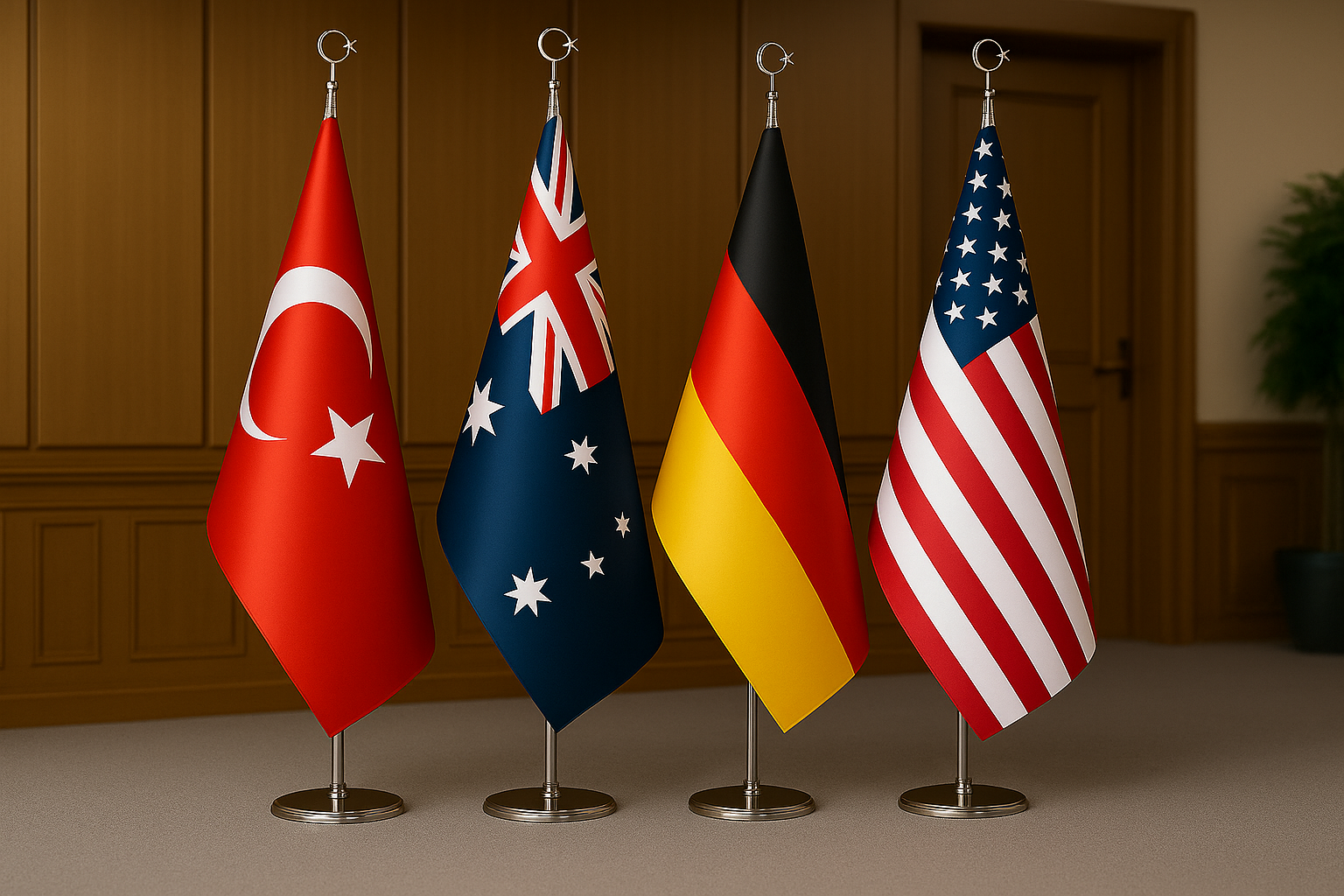
 The Vietnam Official Indoor Flag is crafted from double-layer satin fabric and uses high-definition sublimation printing to reproduce the bright red field and centered yellow star faithfully. Satin flags like this one should always be hand-washed in cool water with a mild, color-safe detergent — machine agitation can stress the weave and cause the star's gold tones to shift toward orange over time. Rinse thoroughly until the water runs clear, since detergent residue left in the fabric will attract airborne dust and cause premature yellowing on the red field. Never wring a satin flag; instead, press it gently between two clean towels and hang it flat or on a rust-proof rod to air-dry in the shade. Avoid direct sunlight during the drying phase — UV exposure while the fabric is wet accelerates dye migration at roughly twice the rate of dry-fabric sun exposure.
For outdoor Raschel-knit polyester flags, the process is more forgiving. Use a mesh laundry bag to protect the edges during machine washing, choose a phosphate-free detergent, and skip the spin cycle or use the lowest spin setting. Never put any flag in a tumble dryer on heat — even low heat (above 104°F / 40°C) can cause synthetic fibers to shrink unevenly and distort the proportions of the yellow star. Hang to dry away from direct sun. As a general rule, wash outdoor flags every 4–6 weeks during heavy-use seasons, or immediately after a rain storm in an area with industrial air pollution, since acid-rain deposits will bleach red dyes if left to dry on the fabric repeatedly.
How to Store a Vietnam Flag So It Stays Ready to Fly
Store a clean, completely dry Vietnam flag in a breathable cotton or muslin bag — never in a sealed plastic bag or airtight container, because trapped moisture causes mildew that permanently stains red fabric. The ideal storage environment is cool (below 70°F / 21°C), dark, and with relative humidity under 55%.
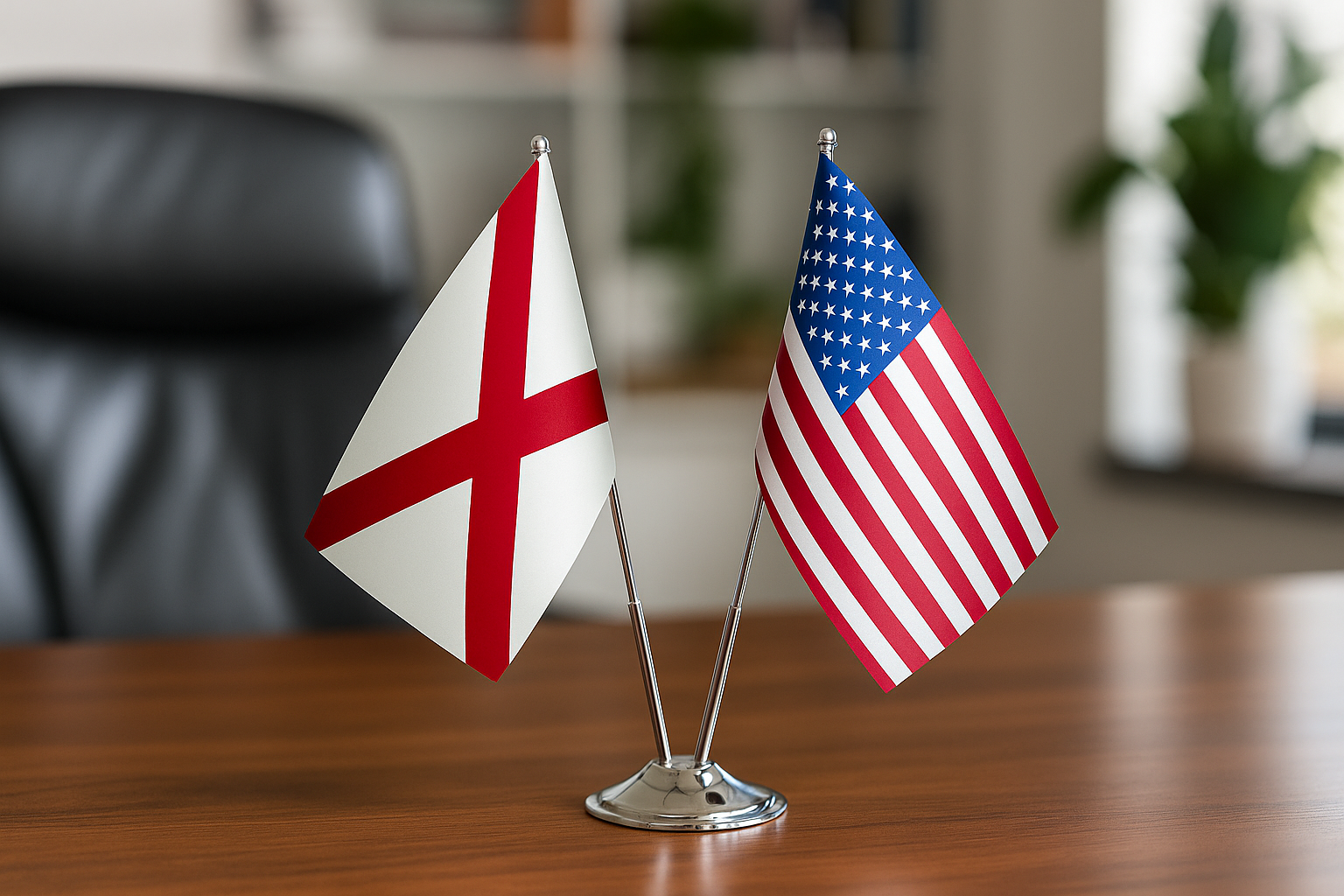
Roll larger outdoor flags rather than folding them wherever possible; fold lines weaken fibers over time and, on sublimation-printed flags, can cause the printed layer to crack along the crease. If you must fold — for example, for ceremonial storage of the Official Indoor Flag — use acid-free tissue paper between each layer to cushion the folds. Store the flag away from direct contact with metal poles or hardware, since chrome and aluminum can transfer oxidation stains to red fabric within weeks. Indoor desk and presentation flags, such as the Vietnam Desk Flag on its chrome pole and weighted base, should be kept in a display case or dust cover when not in active use — dust particles are mildly abrasive and will dull the satin sheen on indoor flags over a single season if left uncovered.
What Actually Shortens a Vietnam Flag's Lifespan
UV radiation is the single biggest enemy of red dye in any flag fabric, causing visible fading in as little as 3–4 months of full-sun, year-round exposure without UV-resistant fabric treatment. Wind stress, air pollution, and improper washing together account for the majority of the remaining premature wear.
 The Vietnam Outdoor Flag is made from 90g Raschel-knit polyester, a mesh-like construction that allows wind to pass through the weave rather than building up pressure against a solid surface — this dramatically reduces mechanical stress and flagpole snap-back damage. Even so, sustained winds above 25 mph (40 km/h) cause the fly end of the flag to whip repeatedly, and that repeated impact frays the hem stitching and pulls threads out of the knit within weeks. In coastal or high-humidity climates — think the Gulf Coast, Hawaii, or ports that see trade winds similar to Vietnam's own coastal zones — salt deposits crystallize inside the fiber after each sea-spray event, and those microscopic salt crystals act like sandpaper on every subsequent flutter. Industrial air pollution is equally destructive: cities with elevated sulfur dioxide levels (common near heavy manufacturing or high-traffic corridors) produce acid precipitation that strips red dye molecules from polyester at measurable rates. If you're flying in any of these environments, plan to wash the flag every 3–4 weeks rather than the standard 6-week interval, and consider rotating two flags to cut cumulative UV exposure per flag in half.
One underappreciated lifespan killer is an improperly sized flag for its pole. A flag that is too large for its pole height will wrap around the pole repeatedly in variable winds, causing the fabric to abrade against the metal — this is especially damaging to the yellow star graphics near the hoist end, where contact is most frequent. The standard sizing guideline is that flag length should not exceed one-quarter of the pole height (e.g., a 25 ft / 7.6 m pole should carry a flag no longer than 6 ft / 1.8 m on the fly end). If you'd like a deeper dive into UV degradation patterns for flags in high-sun climates, our article on Arizona flag care under desert sun covers those mechanics in detail.
When Is It Time to Replace Your Vietnam Flag?
Replace a Vietnam flag when the red field has faded noticeably toward pink or orange, when fraying extends more than 1 inch (2.5 cm) from any edge, or when the yellow star has lost its shape definition — at that point the flag no longer represents the nation with dignity. In practical terms, most outdoor polyester flags in temperate climates need replacement every 12–18 months of continuous display; in harsh sun-belt or coastal environments, that window shortens to 6–9 months.
A quick field test: hold the flag up to daylight and compare the red at the hoist (the end protected by the sleeve, where fading is slowest) against the red at the fly end. If those two areas look like different colors, the flag has faded beyond acceptable display condition. For ceremonial or diplomatic settings — embassies, consulates, government offices — the threshold should be tighter: any visible fading or distortion of the star is sufficient cause to retire the flag, since those settings carry heightened symbolic weight. The Vietnam Official Indoor Flag, displayed in controlled interior environments away from direct UV, can remain in service for 3–5 years if properly maintained, far outlasting its outdoor counterparts.
Asian Countries Flags Collection
Premium-quality flags for Vietnam and every other Asian nation, available in outdoor, indoor, desk, and handheld formats for any display setting.
Browse Collection →How to Retire a Vietnam Flag the Right Way
A worn Vietnam flag should be retired with dignity — never simply thrown into a household trash bin. While the US Flag Code (4 USC §§ 1-10) specifically governs the American flag, its principle that a worn flag deserves a dignified retirement is widely extended by cultural convention to foreign national flags displayed in the United States, and Vietnam's own national customs similarly emphasize respectful treatment of the red flag with yellow star.
The most internationally recognized method of private retirement is respectful incineration: burn the flag completely in a controlled fire (a backyard fire pit or fireplace works well), treat the act solemnly, and ensure the entire flag is consumed. Vietnamese community associations, cultural centers, and some veterans organizations in the US occasionally hold formal flag-retirement ceremonies — contacting one of these groups is a meaningful option if you prefer a communal setting. If open burning is restricted in your area (many municipalities in California, for example, prohibit residential burning), folding the flag neatly and placing it in a sealed bag before disposal is the next-best alternative; the key is that the disposal is intentional and respectful rather than casual. Do not repurpose worn flag fabric for rags, craft projects, or cleaning cloths — even if the intent is practical, it conflicts with the symbolic dignity the flag represents. For handheld parade flags, such as the Vietnam Handheld Flag made from 90g Raschel polyester on a stick, the same retirement principles apply once the fabric is worn or color-faded, even for small-format display flags.
How often should I wash my outdoor Vietnam flag? +
Will a Vietnam flag bleed red dye when washed? +
Can I leave a Vietnam flag out in the rain? +
How long does a Vietnam flag typically last outdoors? +
What's the correct way to store a Vietnam flag when not in use? +
Is the yellow star on a Vietnam flag likely to fade faster than the red field? +
How should I retire a worn Vietnam flag if open burning is prohibited in my area? +
Caring for a Vietnam flag is straightforward once you match the care routine to the flag's fabric and display environment. For outdoor display, the Vietnam Outdoor Flag in 90g Raschel-knit polyester is built to handle the elements while remaining washable and quick-drying. For diplomatic, institutional, or home interior settings, the Vietnam Official Indoor Flag on its chrome pole delivers embassy-grade presentation with a much longer service life in controlled environments. If you need a compact option for a desk or conference table, the Vietnam Desk Flag on a chrome or gold-finish weighted base requires only occasional dusting and keeps the flag free of creases. Explore the full range of Southeast Asian and other national flags in the Asian Countries Flags collection. Bulk pricing is available for corporate orders, diplomatic procurement, and cultural organizations needing multiple sizes or formats — contact us directly for a quote.


