





Labor Day flag etiquette follows the same federal guidelines that govern all national holidays: the U.S. flag should be displayed at full staff from sunrise to sunset, or 24 hours if properly illuminated at night. As one of the eleven federal holidays recognized under the US Flag Code (4 USC §§ 1–10), Labor Day on the first Monday of September carries specific display customs that every home, business, and institution should follow to honor American workers with dignity and respect. Whether you are flying a flag for the first time or refreshing your knowledge of september flag display protocol, this guide covers everything you need to know. Start your preparation by exploring the full flags collection at Asya Bayrak to find the right flag for your needs.
What Does the US Flag Code Say About Labor Day Display?
The US Flag Code explicitly lists Labor Day as a federal holiday on which the flag should be displayed on or near every public institution, polling place, and schoolhouse. Under 4 USC § 6, federal and state governments are directed to fly the flag on all national and state holidays, and Labor Day — established as a federal holiday in 1894 — is squarely on that list. The Code does not penalize private citizens for non-display, but it provides clear guidance that following these customs demonstrates civic pride and respect for the labor movement that shaped modern America.
The Flag Code also specifies that the flag should never be displayed with the union (the blue star field) facing down, except as a signal of dire distress. For labor day flag displays, the union must always appear in the upper-left position when the flag is hung flat against a wall or mounted horizontally. When marching in a Labor Day parade — a common tradition in cities like New York, Chicago, and Detroit — the flag should always be carried to the right of any other flags in the procession, or at the center front if carried in a line.
Full Staff vs. Half-Staff: What Is Correct on Labor Day?
On Labor Day, the flag flies at full staff — not half-staff — unless a presidential or gubernatorial proclamation specifically orders a period of mourning that coincides with the holiday. Half-staff orders are issued to honor the deaths of government officials, military personnel, or in response to national tragedies, and they override standard holiday display customs. Absent such a proclamation, raising your flag to full staff on Labor Day is both correct and expected under federal holiday flag protocol.
Many Americans confuse the terms "half-staff" and "half-mast." Technically, "half-mast" refers to flags flown on ships, while "half-staff" is the correct term for flags on land. This distinction matters if you are writing official communications or signage related to your Labor Day display. To check whether any half-staff proclamations are in effect, visit the American Legion's website or monitor official White House announcements in the days leading up to the holiday.
Choosing the Right Flag for Outdoor September Display

Standard residential flag sizes in the United States are 3 ft × 5 ft (91 cm × 152 cm) for most home flagpoles and 4 ft × 6 ft (122 cm × 183 cm) for taller residential poles. Commercial and government buildings typically fly 5 ft × 8 ft (152 cm × 244 cm) or larger. As a general rule of thumb, the flag's length should be approximately one-quarter of the flagpole's height. A 20 ft (6.1 m) pole looks best with a 4 ft × 6 ft flag, while a 25 ft (7.6 m) pole pairs well with a 5 ft × 8 ft flag. Choosing the correct proportions is itself a point of etiquette under federal holiday flag guidelines.
Labor Day Flag Etiquette for Businesses and Organizations
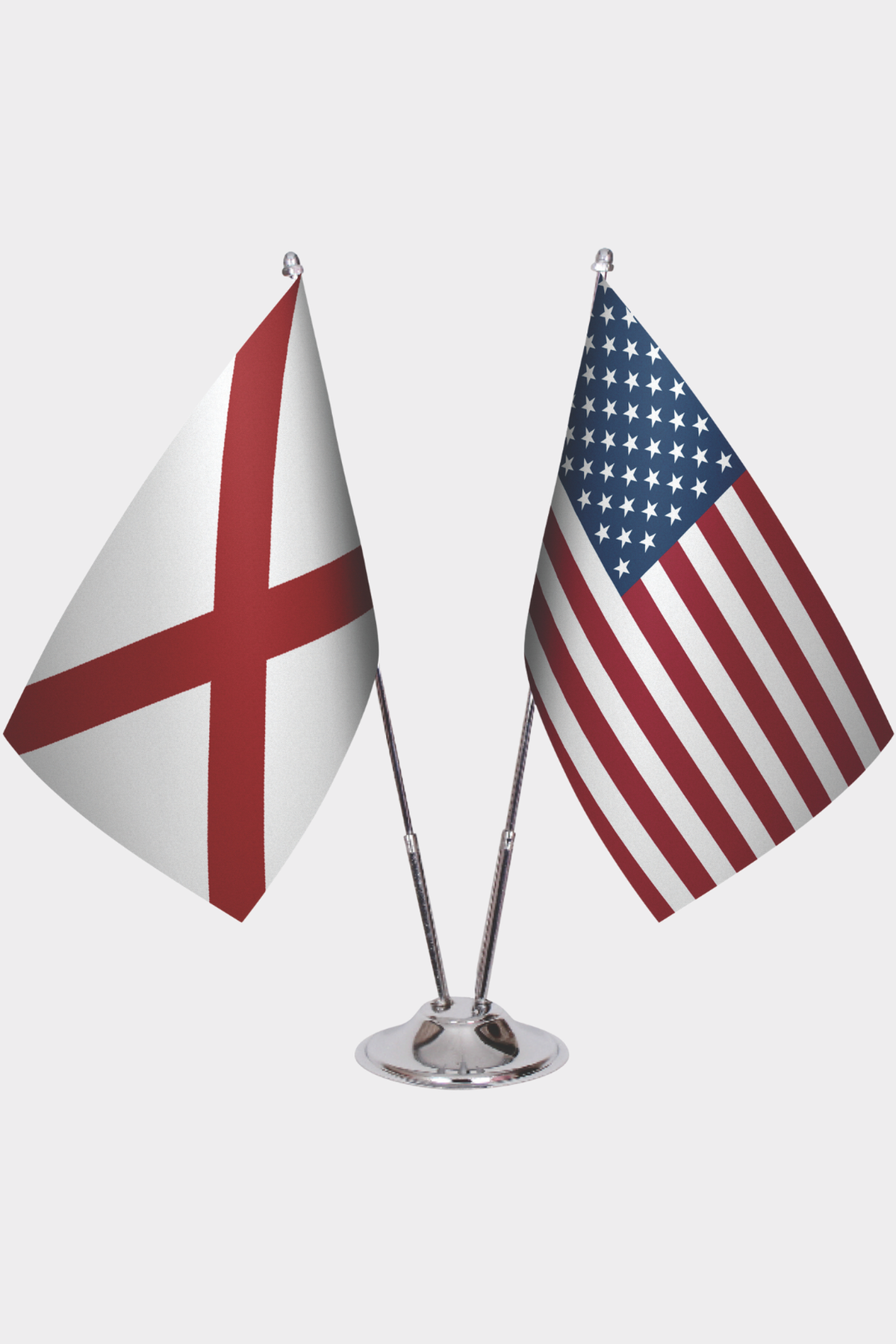
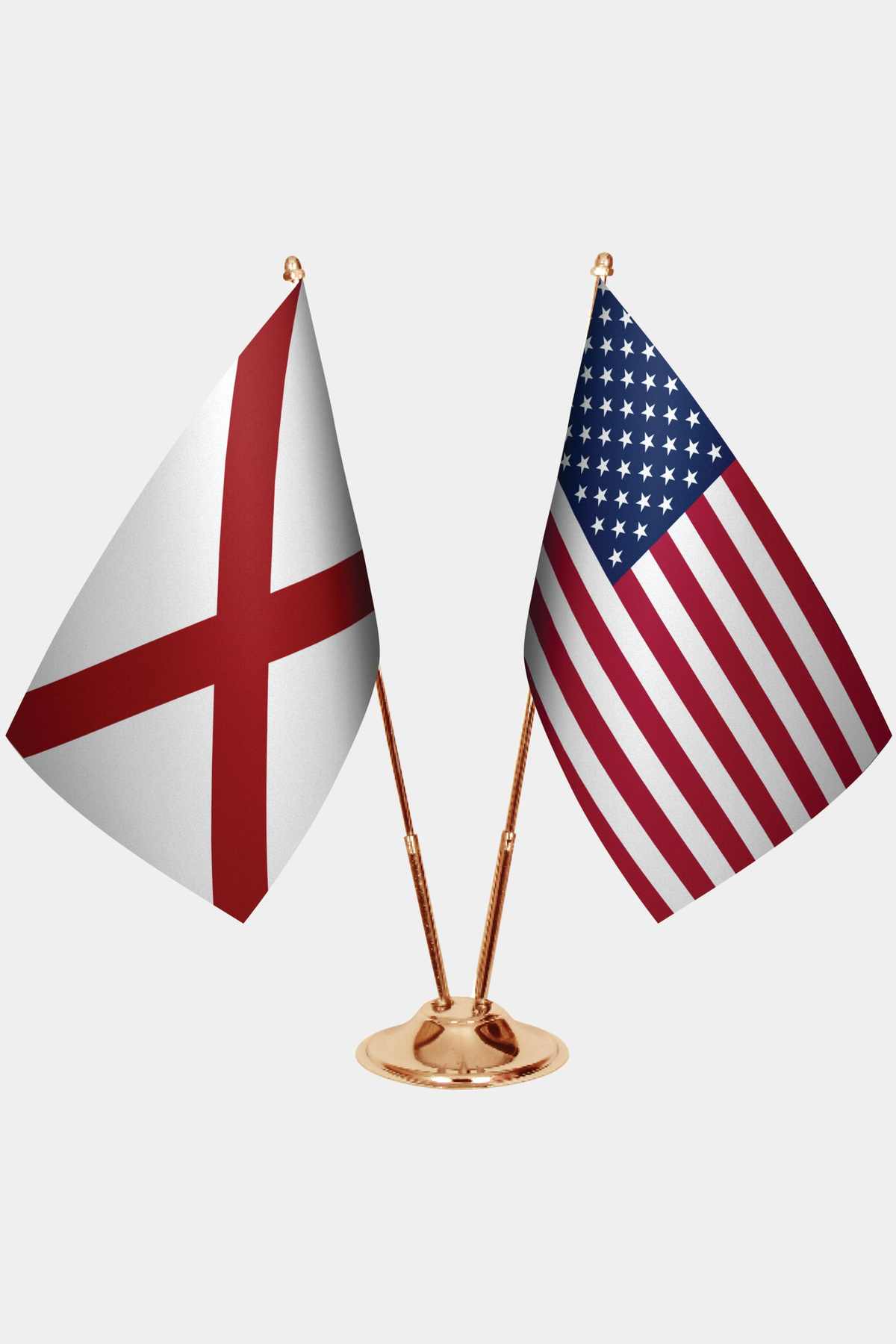
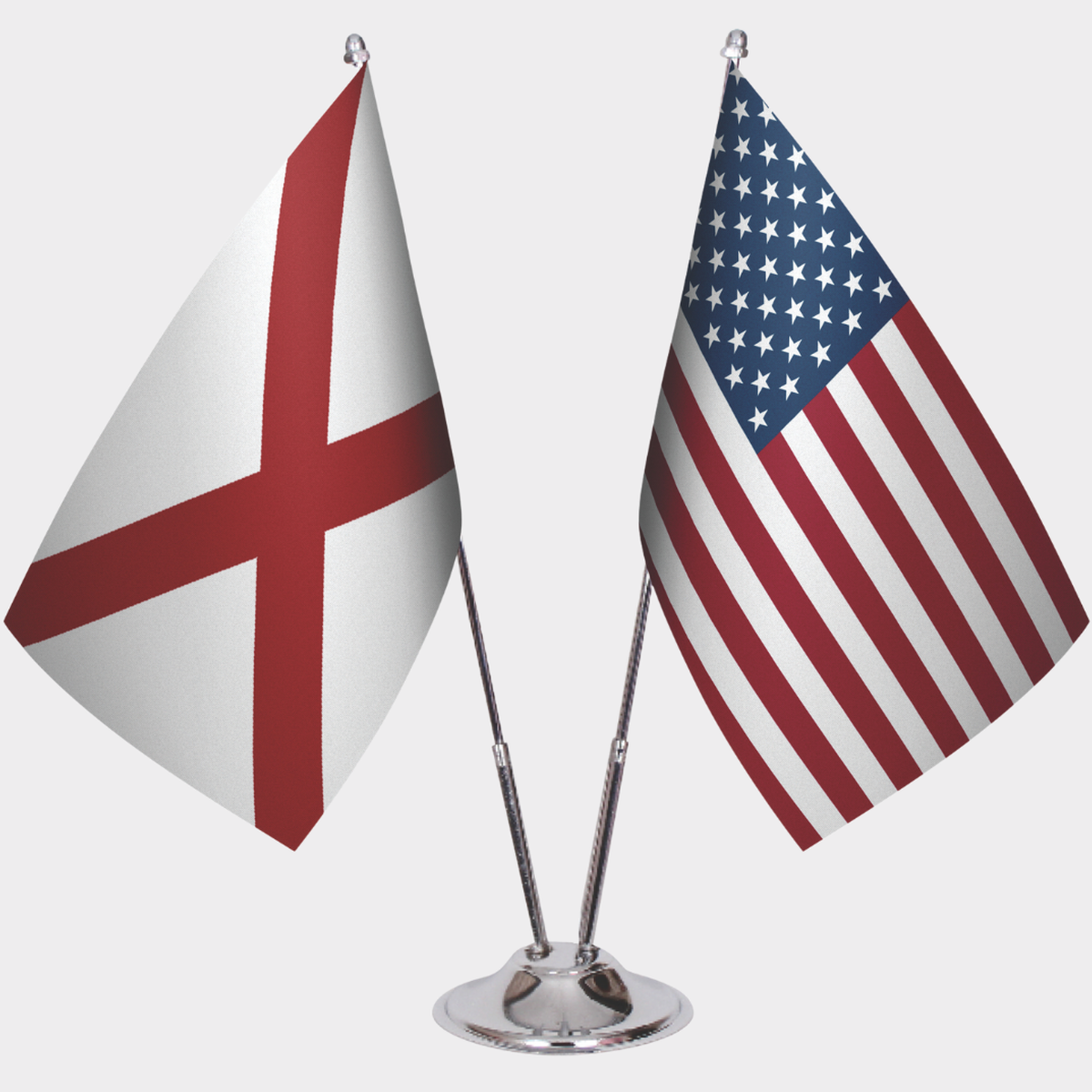
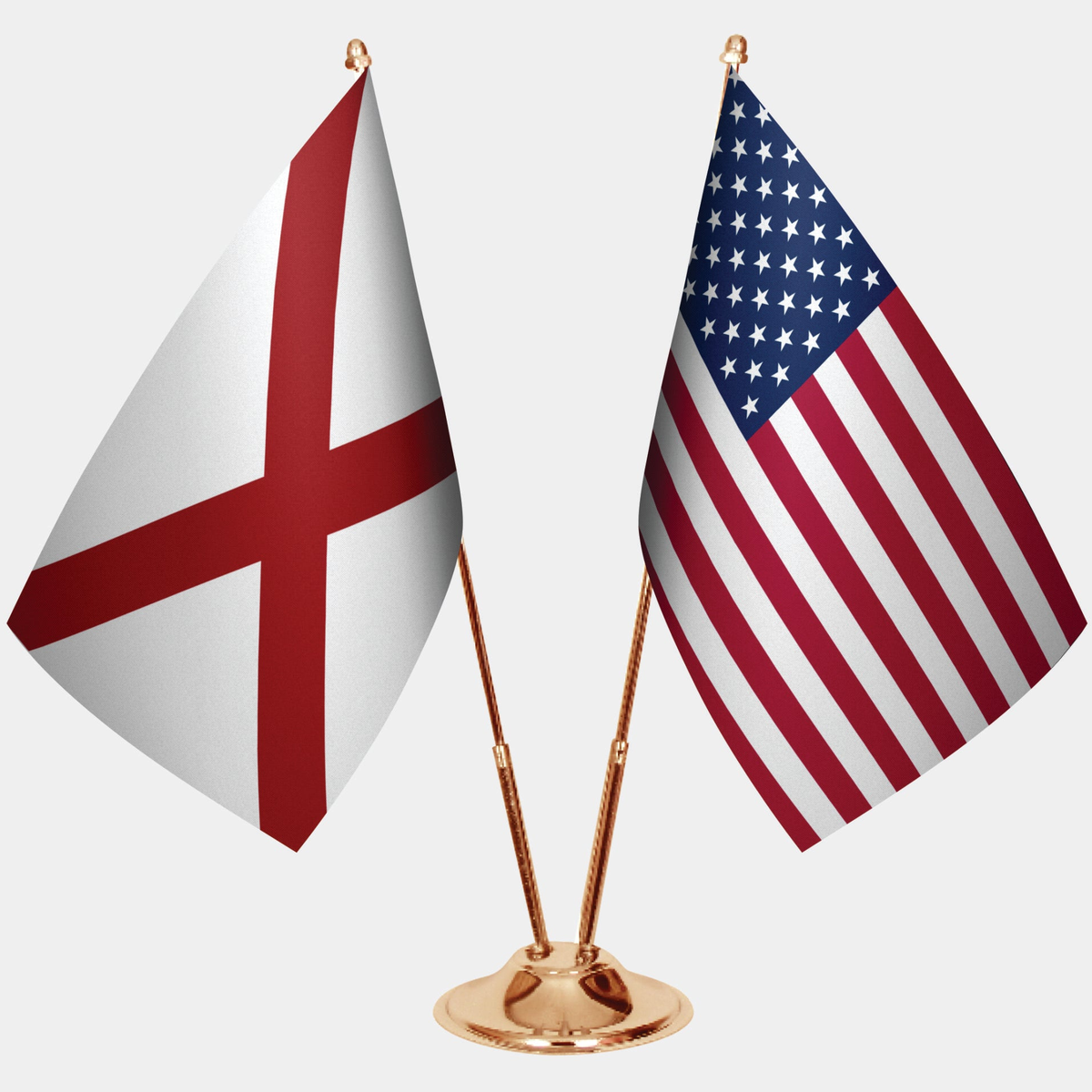
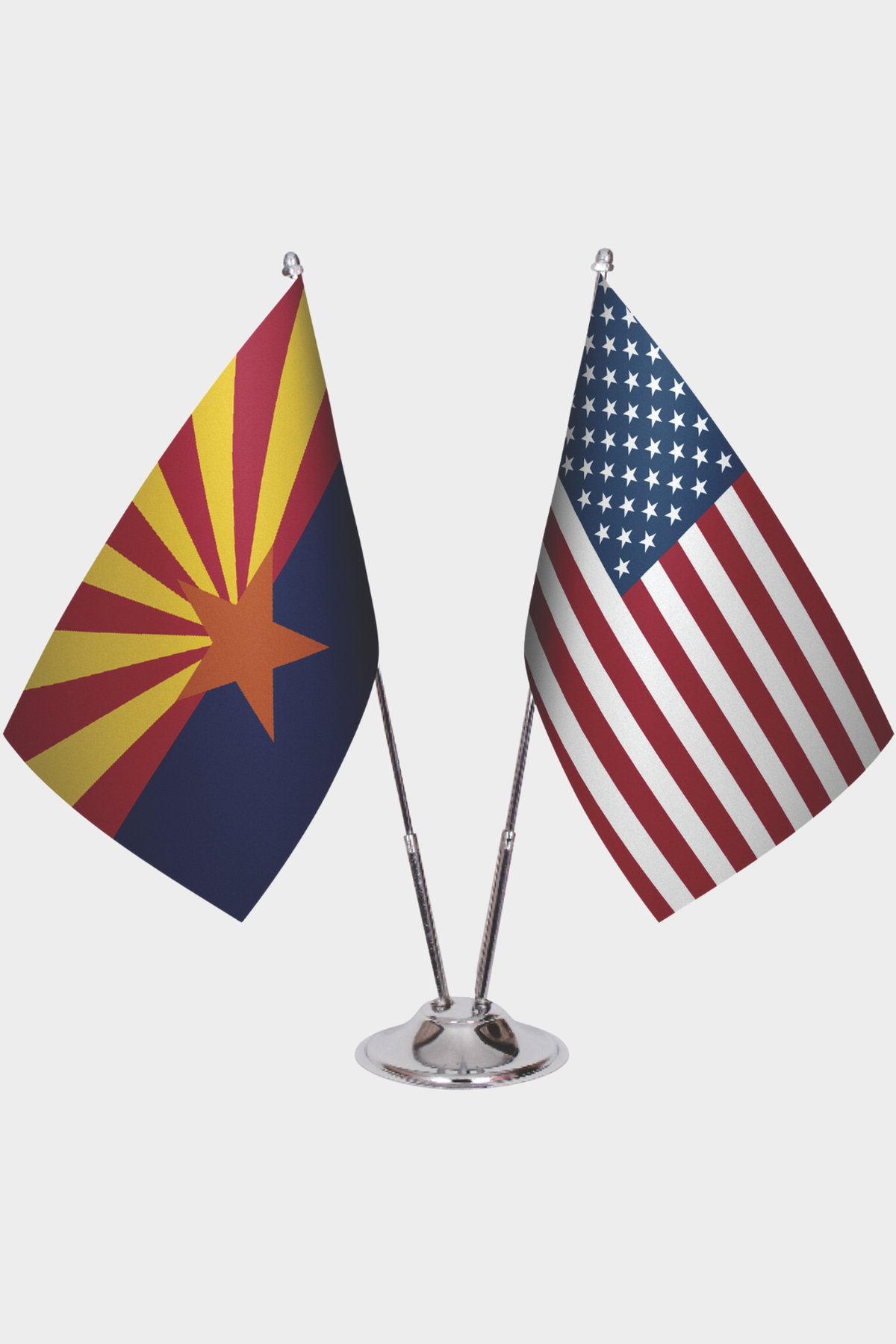
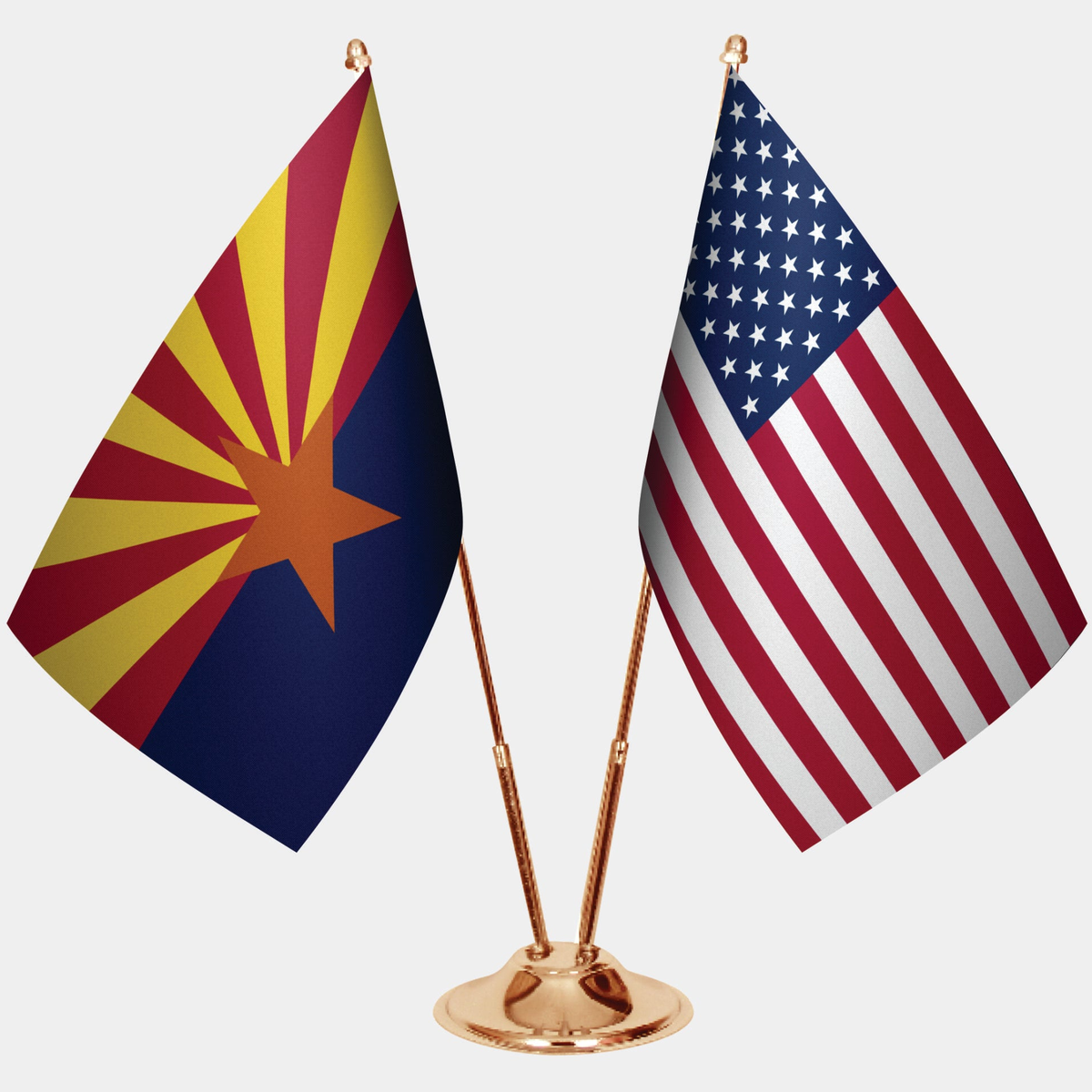
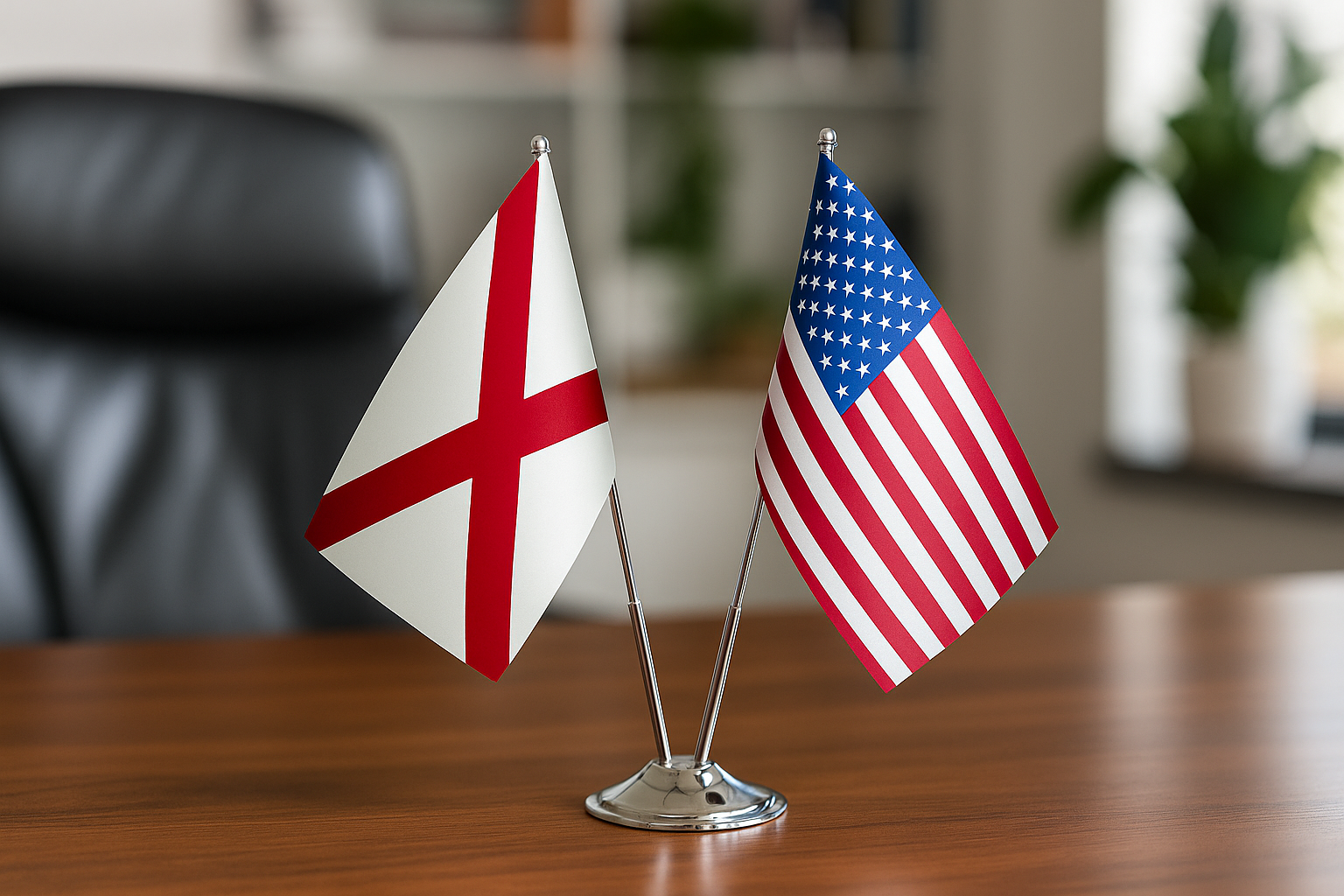
Businesses flying the American flag on Labor Day should position it at the highest point of the building or on a dedicated flagpole, never subordinate to a corporate or state flag. Under 4 USC § 7(c), the U.S. flag must be positioned at the center and at the highest point when grouped with other flags on crossed staffs, or to its own right (the viewer's left) when displayed alongside state, local, or organizational flags. Many companies choose Labor Day as an opportunity to display both the U.S. flag and their state flag simultaneously, which is perfectly appropriate as long as the national flag is given the position of honor.
Retailers, restaurants, and service businesses that observe labor day etiquette by properly displaying the flag also signal to their customers a commitment to the values the holiday represents — fair wages, safe working conditions, and the dignity of labor. For corporate campuses and multi-building complexes, each building may fly its own flag, but all must be raised and lowered at the same time, ideally following the sunrise-to-sunset rule. If your business operates 24 hours, a properly illuminated flag may remain raised overnight in compliance with the Flag Code.
Parade and Ceremonial Flag Display on Labor Day
Labor Day parades are among the most visible expressions of federal holiday flag display, and they come with their own set of etiquette rules governing how the flag is carried, who salutes it, and how spectators should respond. When the flag passes in a parade, every person present should face it, stand at attention, and place their right hand over their heart. Military veterans and active-duty personnel in civilian clothes may render the military salute. This tradition, codified in 4 USC § 9, transforms a street-level event into a genuine act of national respect.
Color guards carrying the flag in a Labor Day parade should hold it at a slight forward angle — never dipped toward the ground except to salute the President of the United States. When carried alongside union banners or organizational flags (a common sight at Labor Day parades organized by trade unions), the U.S. flag must be carried on the right side or at the front-center of the formation. FIAV (Fédération internationale des associations vexillologiques) standards also recommend that national flags in processions maintain a consistent forward-facing orientation and are never furled during the march unless weather conditions make it unsafe to display.
Proper Care, Storage, and Retirement of Your Labor Day Flag
After Labor Day celebrations conclude, proper care and storage extend your flag's lifespan significantly and demonstrate continued respect for what it represents. Fold your flag using the traditional triangle fold — a 13-fold ceremonial process — before storing it in a cool, dry location away from direct sunlight. A well-maintained nylon or polyester flag stored properly can last 2 to 5 years when used only on holidays, compared to the 6 months to 2 years lifespan of flags flown daily outdoors.
Inspect your flag after each use for fraying, fading, or tears. Under the US Flag Code (4 USC § 8(k)), a flag that is "no longer a fitting emblem for display" should be destroyed in a dignified manner, preferably by burning in a private ceremony. The American Legion, Veterans of Foreign Wars (VFW), and Boy Scouts of America chapters across the country conduct formal flag retirement ceremonies throughout the year and on Flag Day (June 14). Never simply throw a worn flag in the trash — this is considered disrespectful under both the Flag Code and broad American cultural standards. Browse the complete Asya Bayrak flags collection when it is time to replace a retired flag with a fresh, properly made replacement.
State-Specific Labor Day Flag Customs to Know
While federal guidelines provide the baseline for labor day flag display nationwide, several states have enacted their own flag codes that supplement or clarify federal rules for state-owned buildings and public schools. States like California, New York, and Illinois — which host some of the country's largest Labor Day celebrations — require state flags to be flown alongside the U.S. flag on state property during all recognized state and federal holidays. Always check your state's specific statutes if you manage a public institution, because penalties for non-compliance can apply at the state level even when federal law imposes no penalty on private citizens.
Some municipalities also have local ordinances governing flag display during civic events and parades. Cities like Detroit, which hosts one of the oldest and largest Labor Day parades in the nation, may have city-specific guidelines coordinated through the mayor's office. When in doubt, contact your local city hall or county clerk's office in the week before Labor Day to confirm any special instructions. Being proactive about labor day etiquette at the local level ensures your display aligns with both the letter and the spirit of the law.
Frequently Asked Questions
Is Labor Day a federal holiday that requires flag display? +
Should the flag be at half-staff or full staff on Labor Day? +
What are the correct hours to fly the flag on Labor Day? +
Can I fly a state flag alongside the U.S. flag on Labor Day? +
What size flag should I use for a residential flagpole on Labor Day? +
What should I do with a worn or damaged flag after Labor Day? +
How should spectators behave when the flag passes in a Labor Day parade? +
Proper labor day flag etiquette honors the workers who built this nation and affirms the civic values that federal holidays are meant to celebrate. From selecting the right size and material for your september flag display to understanding full-staff protocol and parade customs, following the US Flag Code transforms a simple act of display into a meaningful gesture of national pride. Explore the USA Outdoor Flag built for durability in all September weather conditions, or browse the complete Asya Bayrak flags collection for state flags, parade flags, and specialty options that round out your federal holiday flag display. Bulk pricing is available for corporate orders — ideal for businesses, municipalities, and organizations looking to outfit multiple locations for Labor Day and every federal holiday throughout the year.