


Several nations fly a red and white flag with a cross, and the most recognized are Switzerland, Denmark, Georgia, England, and the Nordic countries — each with a distinct cross design and centuries of history behind it. If you're looking to display any of these flags accurately, browsing the full Country Flags collection is the best place to start, with authentic reproductions available for outdoor and indoor use.
Which Countries Fly Red and White Flags With Crosses?
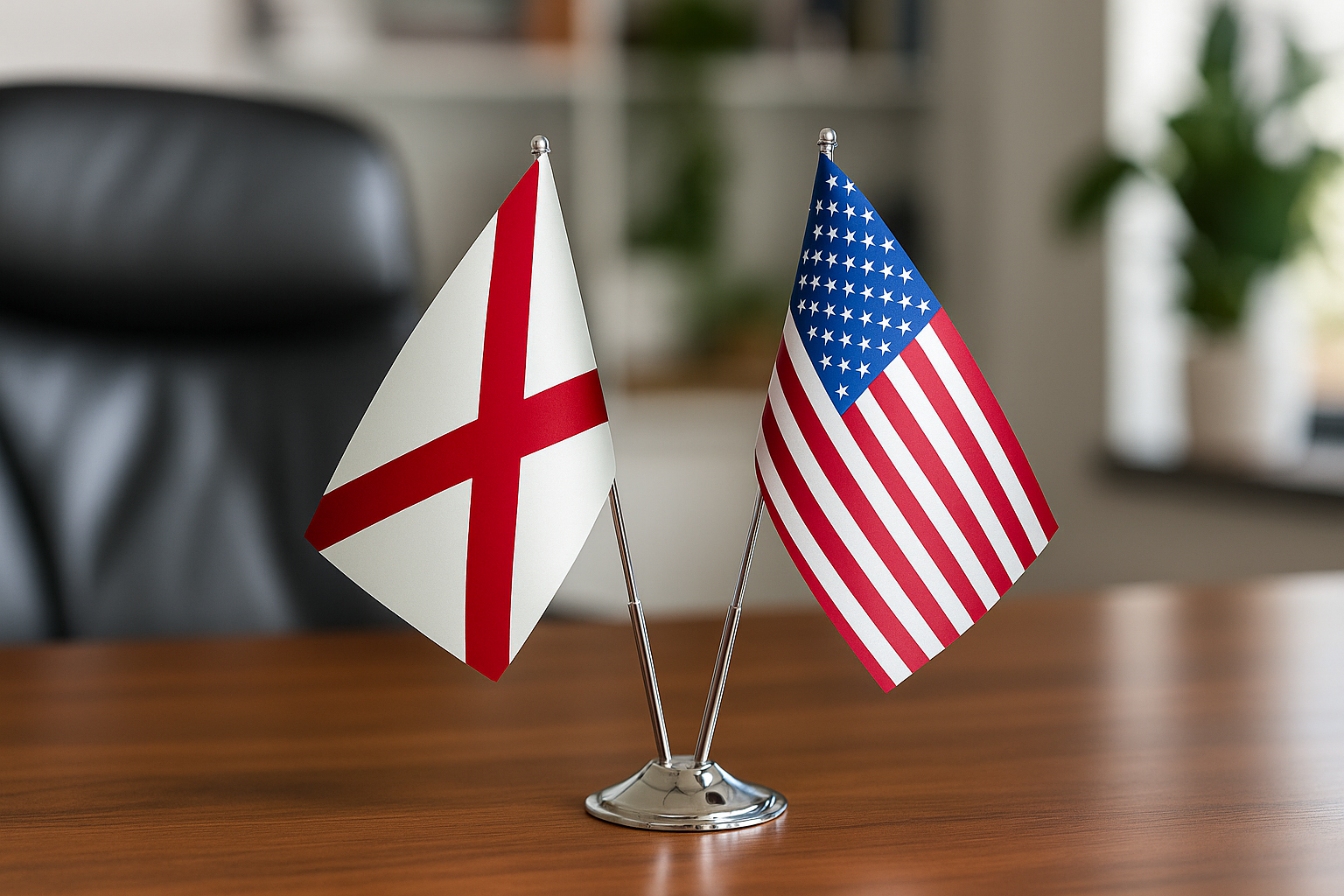
At least eight sovereign nations or regions fly a flag that combines red and white with a cross as the central design element, though the style, proportions, and cross placement differ significantly. Switzerland uses a square flag with a centered white cross on red — unique among world flags for its square shape. Denmark's Dannebrog, believed to be the world's oldest national flag still in use, features an off-center white Nordic cross on a red field, with the vertical bar shifted toward the hoist. Georgia's flag is white with a large red cross dividing the field into four quadrants, each containing a smaller red cross — giving it five crosses total. England's St. George's Cross is a red cross on a white field, the reverse of Switzerland. The Nordic cross design — shared by Denmark, Sweden, Norway, Finland, and Iceland — always keeps the cross shifted toward the hoist side rather than centered. Each flag carries a completely different symbolism, origin, and legal specification despite sharing the same two colors.
What Makes the Danish Dannebrog Different From Other Cross Flags
 The Dannebrog is the world's oldest continuously used national flag, dating to at least 1370 and possibly to a legendary battle in 1219. What sets it apart from other cross flags is the Nordic cross pattern: the vertical arm of the white cross sits closer to the left (hoist) edge rather than at the center of the flag, a design convention later adopted by Sweden, Norway, Finland, and Iceland. The red field is a vivid crimson — officially defined by Danish standards — and the proportions are fixed at a width-to-length ratio of 28:37 for the state flag. Denmark displays the Dannebrog at nearly every occasion: birthday celebrations, sports events, schools, and official government buildings year-round, making it one of the most actively used flags in daily civilian life anywhere in the world. For outdoor events, our Denmark Outdoor Flag is crafted from 110g Raschel knitted polyester, a fabric that handles wind and UV exposure with a typical outdoor lifespan of 6 months to 2 years depending on conditions.
Why Switzerland's Flag Is Square and What That Means in Practice
 Switzerland is one of only two sovereign states in the world — the other being Vatican City — to use a square national flag rather than a rectangular one, a distinction enshrined in Swiss federal law. The white cross on the red field is precisely proportioned: each arm of the cross is one-sixth longer than it is wide, centered exactly on the square field. This design has roots in the Old Swiss Confederacy of the 14th century, where the cross symbolized Christian faith and the unity of the cantons. The square shape creates a practical challenge for flag manufacturers, as most flagpoles and hardware are designed for rectangular flags — buyers should always confirm they are ordering the correct format when purchasing for official diplomatic or governmental use. Switzerland is globally associated with the Red Cross organization (which uses the inverse design: a red cross on white), the Swiss Alps, precision watchmaking, and centuries of international neutrality. Our Switzerland Outdoor Flag reproduces the official red and white cross design faithfully in 110g Raschel knitted polyester, built for demanding outdoor conditions.
Georgia's Five-Cross Flag and Its Ancient Christian Symbolism
Georgia's national flag — white with one large red cross and four smaller red crosses in each quadrant — is one of the most visually complex cross flags in the world, and its symbolism runs deep. Georgia adopted this design officially in 2004, though the flag's origins trace back to medieval Georgian kingdoms and is associated with St. George, the patron saint of the country. The five-cross arrangement is known as the "Five Cross Flag" or Bolnisi cross pattern, referencing one of the oldest Christian symbols found in Georgian churches dating to the 5th century. Georgia is widely regarded as one of the world's oldest Christian nations, having adopted Christianity as a state religion in 337 AD — giving the cross on its flag a historical weight that few other national flags can match. This flag is frequently displayed by the Georgian diaspora in the United States, particularly in communities across New York, Chicago, and California, as well as at diplomatic missions and cultural events. The Georgia Outdoor Flag from Asya Bayrak is made from 110g Raschel knitted polyester, accurately rendering the white field and all five red crosses for clear outdoor visibility.
Indoor Display of Cross Flags for Embassies, Offices, and Ceremonial Settings
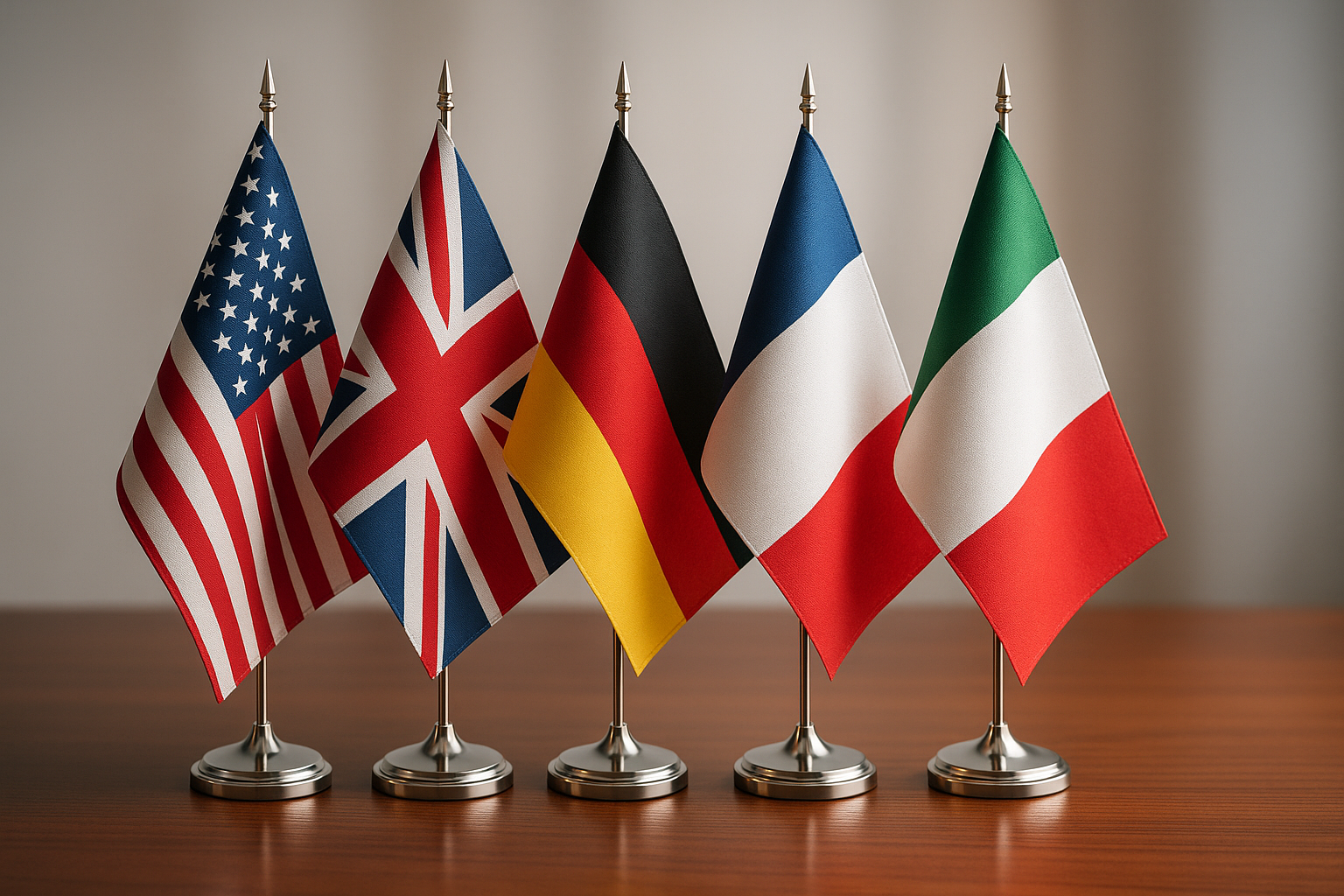
For diplomatic missions, government offices, schools, and formal indoor ceremonies, an outdoor-grade flag on a pole looks out of place — indoor flags require different fabric, mounting hardware, and finishing. Indoor presentation flags are typically made from heavier, smoother fabric with richer color reproduction, mounted on a solid pole with a finial, and displayed at floor level beside a desk or podium rather than flying from a mast. Our Denmark Official Indoor Flag and Switzerland Official Indoor Flag are both crafted from double-layer satin fabric with high-definition dye-sublimation printing, reproducing the red and white cross designs with the color accuracy that embassies and diplomatic missions require. Satin fabric at 150–165 g/m² gives indoor flags a ceremonial drape and sheen that polyester outdoor flags do not replicate. For anyone sourcing flags for a consulate, chamber of commerce, university international office, or cultural institution, indoor flag sets with the correct chrome metal pole and base are the appropriate choice — not the outdoor version.
European Countries Flags
Browse our full range of European national flags — including every Nordic cross flag and cross-bearing design — available for outdoor and indoor display.
Browse Collection →How Long Do These Flags Last and What Affects Their Lifespan
A red and white cross flag flown outdoors typically lasts 6 months to 2 years, depending on wind exposure, UV intensity, and how often it is taken down and stored. The red dye in flags is particularly vulnerable to UV fading — a washed-out red cross on a flag looks unprofessional quickly, especially on the boldly colored Swiss and Danish designs. Raschel knitted polyester at 110 g/m² is the standard for Asya Bayrak's outdoor flags and is chosen specifically for its resistance to fraying, its ability to absorb direct printing with heat-fixed inks, and its wind-friendliness due to the knitted (open-weave) structure. Flags exposed to coastal salt air or constant high winds will degrade faster than those in sheltered locations; rotating two flags — flying one while storing the other — can effectively double usable life. For indoor ceremonial flags, lifespan is essentially indefinite with normal care, since they are not exposed to UV or precipitation; the double-layer satin construction used in Asya Bayrak's indoor flag sets holds color and shape for many years. If you're comparing the total cost of flag display over time, investing in a higher-quality outdoor flag upfront is almost always more economical than replacing a cheaper flag twice per season. For a detailed comparison of flag materials used across the market, our related guide on blue and yellow flag countries including Sweden covers Nordic flag display in more depth, and our article on Sweden flag display for Midsummer and heritage events addresses seasonal flag care questions.
Who Actually Buys Red and White Cross Flags in the United States
The buyers of red and white cross flags in the US market fall into several clear groups, each with different display needs. Swiss-Americans — particularly in communities across New York, California, and the Midwest — fly the Swiss flag at community events, Swiss National Day on August 1, and in private homes to mark heritage. Danish-Americans represent one of the largest Scandinavian diaspora communities in the US, with strong concentrations in the Midwest (Iowa, Minnesota, Wisconsin) and California; the Dannebrog appears at Scandinavian festivals, church events, and heritage celebrations throughout the year. Georgian-Americans, a smaller but growing community especially in New York and New Jersey, display Georgia's five-cross flag at community events and Orthodox Christian celebrations. Beyond diaspora communities, embassies and consulates of Switzerland, Denmark, and Georgia all maintain official flag sets for their Washington, D.C. missions and regional consular offices across the country. Universities with international student populations, international trade companies, and event organizers hosting foreign delegations also regularly source these flags. For any organization or individual in this space, the full Country Flags collection provides the breadth of options needed to source the correct flag for the correct context.
Is the Swiss flag the same size as other national flags? +
Can I fly a red flag with a white cross at a US heritage festival without special permits? +
What is the difference between a red flag with a white cross and a white flag with a red cross? +
How do I tell a Danish flag apart from a Norwegian or Swedish flag at a glance? +
What flag size should I order for a standard 20 ft outdoor pole? +
Are cross flags associated with any religion and does that affect where I can display them? +
Can I order a cross flag with a custom size or finish for a trade show booth? +
Whether you need an outdoor flag to fly at a heritage festival, a ceremonial indoor set for a diplomatic office, or a bulk supply for a trade event, Asya Bayrak has the correct product for each context. The Denmark Outdoor Flag and Switzerland Outdoor Flag are both made from 110g Raschel knitted polyester for reliable outdoor performance, while the indoor flag sets for both countries deliver the color fidelity and presentation quality that embassies and institutions require. For the full range of cross-bearing national flags and every other country flag available, explore the European Countries Flags collection or the complete Country Flags collection. Bulk pricing is available for corporate, diplomatic, and institutional orders — contact the Asya Bayrak team directly for a quote.


