
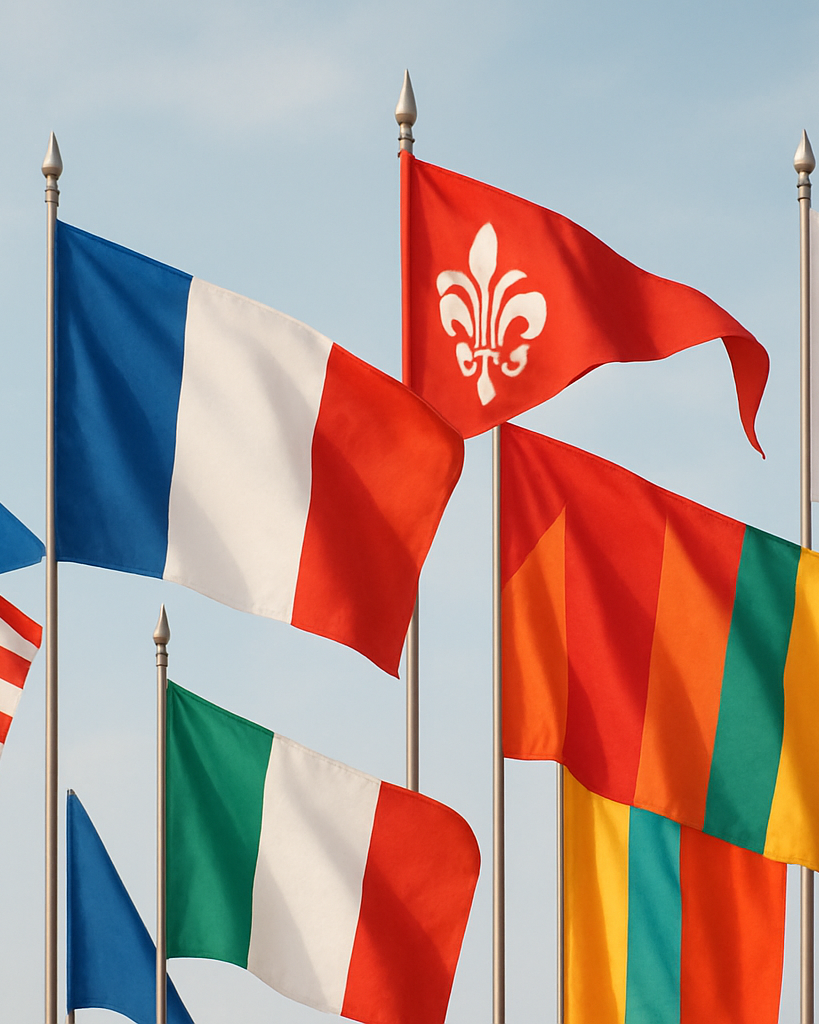
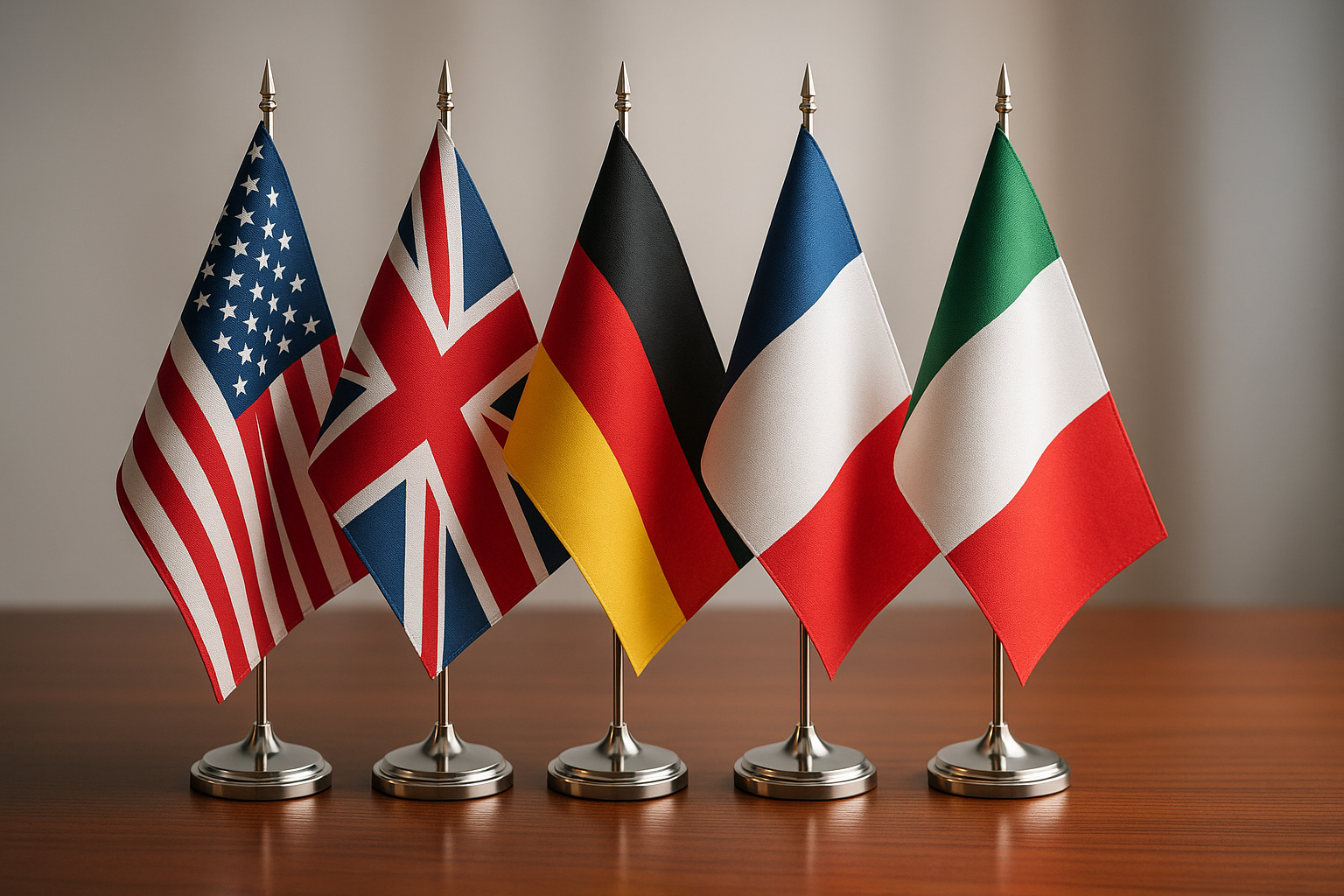
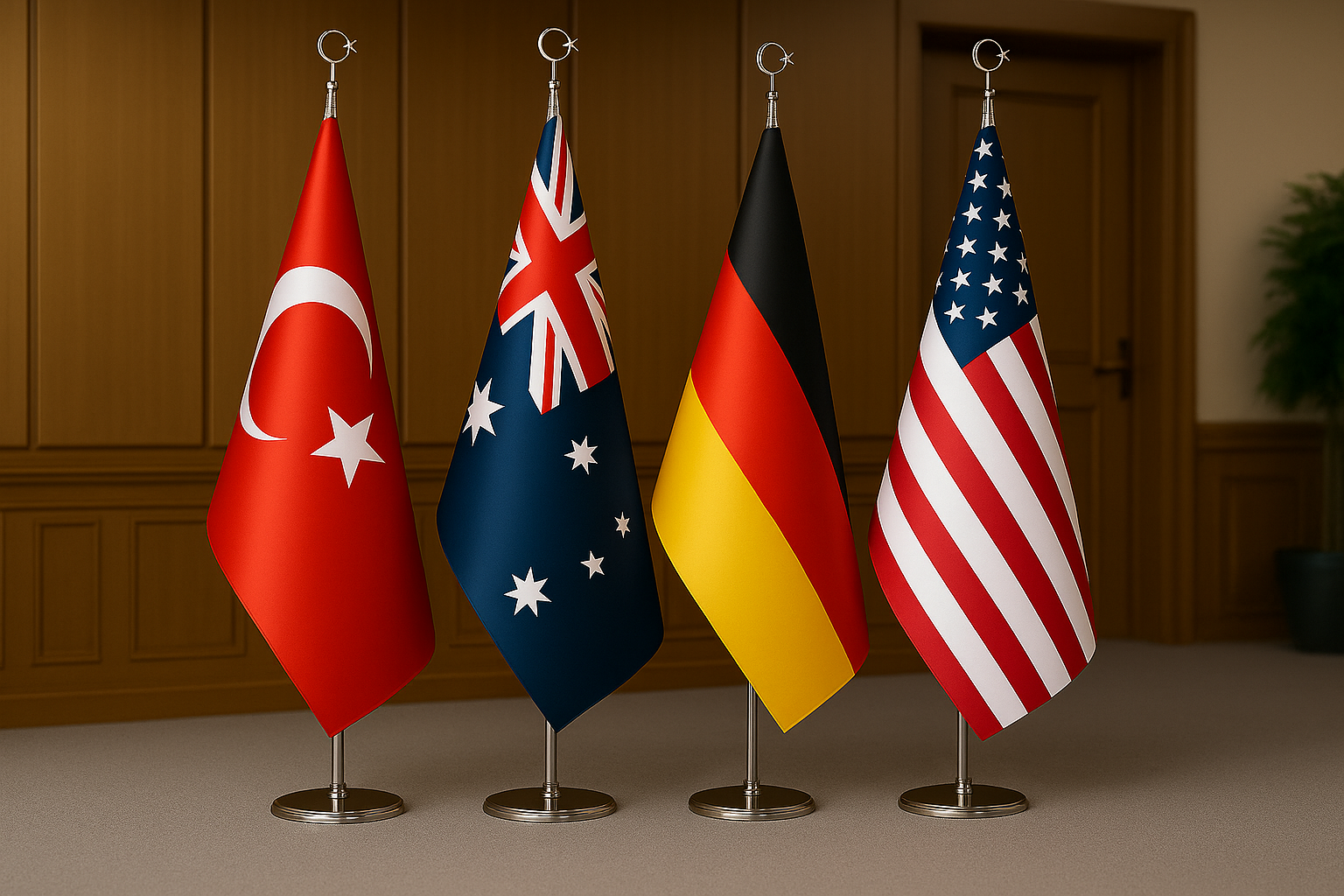

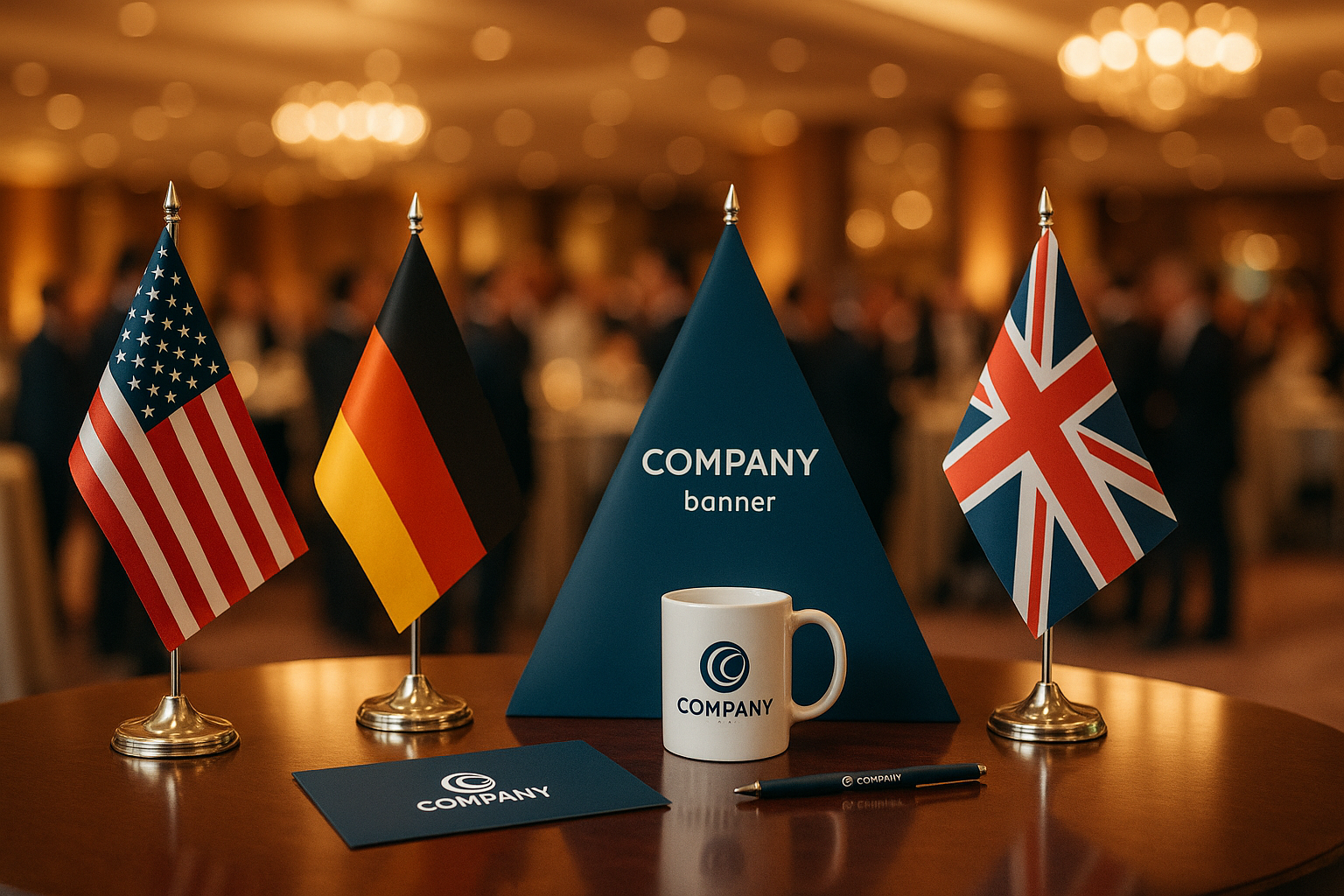

When it comes to attracting buyers and renters to real estate developments, model homes, and open house events, sail flags and outdoor pole flags are among the most cost-effective, high-visibility marketing tools available — capable of drawing eyes from 300 ft (91 m) away on a busy road. Whether you are a solo agent hosting a weekend open house or a regional property developer launching a multi-unit community, the right flags can increase foot traffic significantly, reinforce brand identity, and signal to passersby that something worth stopping for is happening right now. This guide walks you through everything you need to know about selecting, branding, and ordering sail flags for real estate, feather flags for open house events, and custom pole flags for real estate marketing in bulk — so your investment delivers results from the first flag planted to the last unit sold. Explore the full range of options in the Sail Flags collection at Asya Bayrak to find the right fit for your next campaign.
Why Outdoor Flags Outperform Traditional Real Estate Signage
Outdoor flags outperform traditional yard signs and banners because they move — and movement is one of the most powerful attention triggers in human psychology. Studies in outdoor advertising show that dynamic displays capture up to 4× more visual attention than static ones, and a well-placed sail flag fluttering at 15 ft (4.5 m) in the air is visible from intersections, parking lots, and passing traffic that would never notice a ground-level sign. For real estate specifically, this means potential buyers who are driving neighborhood routes — often without a specific destination — are intercepted at the exact moment they are most open to discovering a new property. Feather flags for open house events are particularly effective on weekends when competing agents are also active, because a cluster of three to five flags creates a visual landmark that communicates energy, activity, and desirability. Traditional A-frame signs and lawn stakes simply cannot replicate this three-dimensional, motion-driven presence, especially in windy conditions where a quality flag becomes even more visible. The ROI calculation is straightforward: a set of four custom feather flags that costs a fraction of a single print advertisement can be reused at dozens of listings over 12–18 months.
Beyond raw visibility, flags communicate brand equity in a way that generic "OPEN HOUSE" signs cannot. A real estate team that arrives at a listing with coordinated, logo-branded outdoor flags instantly signals professionalism, investment, and scale — qualities that influence buyer perception before they ever step through the front door. For developers managing model home villages or grand opening events, beach flags for grand opening ceremonies with full-color sublimated graphics create a festive, welcoming atmosphere that photographs well for social media and press coverage. The consistency of branded materials across multiple properties also builds cumulative brand recognition in a local market over time.
Understanding the Different Flag Styles and Which Fits Your Use Case
The three formats most relevant to real estate marketing are feather/sail flags, vertical pole flags, and outdoor horizontal pole flags — each with distinct strengths depending on your setting, wind conditions, and branding goals. Feather flags (also called sail flags or teardrop flags) have a curved or pointed top edge that keeps the graphic visible even in low wind, making them ideal for open house signage at residential street level. Vertical pole flags hang from a horizontal arm and display graphics when the wind fills them out, offering a more formal, institutional look appropriate for a real estate office, sales center, or development entrance. Outdoor horizontal pole flags mounted on 20–25 ft (6–7.6 m) commercial poles are suited to high-traffic arterial roads where maximum height and visibility are required.
 For most real estate agents and small teams, sail flags for real estate in the 11–15 ft (3.3–4.5 m) height range hit the sweet spot of portability and visibility. They can be assembled and planted in under five minutes with a ground spike, require no tools, and fit in the trunk of a standard sedan alongside a lockbox and brochure stack. When selecting a feather flag for open house use, look for double-sided printing (where both sides carry a mirrored or independent graphic), because single-sided flags show a faded reverse image that can look unprofessional up close. Asya Bayrak's Sail Flags collection includes options with reinforced pole sleeves and cross-base or ground-spike hardware, so you can deploy them on paved driveways and soft lawns alike. For property developers who need a more permanent installation at a model home village entrance, the Logo Printed Outdoor Pole Flags collection offers heavy-duty hardware rated for continuous outdoor exposure, UV-resistant inks, and flag fabric tested to 80% UV resistance with an expected lifespan of 6 months to 2 years depending on wind exposure.
Fabric, Print, and Durability Standards for Outdoor Real Estate Flags
The right fabric and printing method determine whether your flags look sharp at week twelve or fade and fray by week three. For outdoor real estate applications, knitted polyester and woven polyester are the two dominant fabric choices, each with different performance characteristics suited to different environments and budgets.
Knitted polyester is lightweight, breathes well in wind, and is the standard choice for feather flags and sail flags used at open house events. It accepts dye-sublimation printing exceptionally well, producing vivid, photorealistic color reproduction that makes logos, property photos, and brand colors pop even at a distance. Dye-sublimation inks are infused into the fiber rather than sitting on top, which means they resist peeling, cracking, and UV fading far longer than screen-printed or digitally printed alternatives — expect 80–90% color retention after 6 months of continuous outdoor exposure under normal conditions. Woven polyester is heavier and more opaque, making it the preferred choice for logo flags for real estate offices and formal sales center installations where a premium, flag-like drape is important. Both fabrics should carry hemmed edges on all four sides and reinforced header tape or pole sleeves at stress points — these are the first areas to fail on low-quality flags. When ordering bulk feather flags for property developers, always request fabric weight specifications (100–120 gsm for feather flags, 115–150 gsm for pole flags) and ask for a physical swatch or sample before committing to a large run.
Branding Best Practices: Designing Flags That Sell Properties
Effective real estate flag design follows one core rule: a driver has approximately 3–5 seconds to read your flag at 35 mph (56 km/h), so every design element must earn its place. The most common mistake real estate teams make is treating a flag like a business card — cramming in the agent name, phone number, website, brokerage logo, tagline, and a QR code. At street speed, none of that information registers. Instead, design for one or two objectives: draw attention and communicate a single call to action.
For open house and model home flags, the hierarchy should be: (1) a strong, high-contrast brand color or graphic that creates visual impact from distance, (2) a large, bold label such as "OPEN HOUSE," "NOW SELLING," or "GRAND OPENING," and (3) a secondary line with directional information such as "→ 2 BLOCKS" if the property is not visible from the flag placement point. Logo-branded flags work best when the brokerage or development brand has strong color equity — a Keller Williams red flag or a Coldwell Banker blue flag is recognizable without any text at all. For independent developers and boutique agencies, custom pole flags for real estate marketing with a full-bleed property rendering or lifestyle image on one side and contact details on the reverse can be highly effective at model home entrances where visitors have already parked and are approaching on foot. The Logo Printed Vertical Pole Flags collection is particularly well-suited for this use case, offering full-color custom printing on vertical formats that display beautifully at sales center entrances.
Corporate Flags Collection
Premium custom-branded flags designed for real estate developers, sales centers, and corporate property marketing campaigns — built for long-term outdoor use and bulk ordering.
Browse Collection →How to Order Bulk Feather Flags for Property Developers and Real Estate Teams
Ordering in bulk reduces your per-unit cost significantly — typically by 30–50% compared to single-unit pricing — and ensures brand consistency across an entire development or agent team. The bulk ordering process for real estate flags involves several key decisions that affect both cost and lead time, so planning 3–4 weeks ahead of your first deployment date is strongly recommended.
Start by auditing your needs across a full season: how many listings will you be marketing simultaneously, how many open house events per month, and how many model home or sales center locations need permanent flagging? A mid-size real estate team running 8–12 active listings and 4 open houses per weekend typically needs a minimum of 20–30 feather flags plus hardware sets to operate without constantly moving equipment between locations. For property developers opening a model home village, a standard package includes 6–8 large feather flags (11–15 ft / 3.3–4.5 m) at the entrance, 4 medium flags (8–10 ft / 2.4–3 m) flanking the model home doors, and 2–4 vertical pole flags at the sales center. When submitting your artwork, provide vector files (AI, EPS, or PDF) at the correct dimensions with a minimum 1 in (25 mm) bleed on all sides and all fonts converted to outlines. If you are ordering outdoor flags for model homes that will remain installed for 6+ months, specify UV-resistant ink upgrades and double-stitched hems to extend lifespan. Lead times for bulk custom orders typically run 7–14 business days for production plus shipping, so factor that into your launch timeline.
Placement Strategy: Getting Maximum Visibility at Open Houses and Grand Openings
Strategic flag placement multiplies the impact of even a modest flag investment by ensuring every potential buyer within a half-mile (0.8 km) radius is directed toward your property. The most effective placements are the nearest high-traffic intersection, the driveway entrance, and any decision points where a driver might turn away from the property.
For a typical residential open house, deploy three to five feather flags in a staggered line beginning at the nearest intersection and ending at the driveway — this creates a visual "breadcrumb trail" that guides traffic intuitively. Face flags perpendicular to the direction of oncoming traffic, not parallel, so the full graphic face is visible rather than the thin edge. At grand opening events for new developments, beach flags for grand opening ceremonies are most impactful when grouped in clusters of three at two or three key locations rather than spread thin as single flags across a wide area — clustering creates a visual event rather than a scattered afterthought. Always check local municipal codes before installation: many jurisdictions regulate temporary outdoor signage in public rights-of-way, and real estate flags placed on public sidewalks or medians may require a temporary sign permit. Property developer sites on private land generally have more flexibility, but HOA rules in mixed-use developments can also restrict flag size and placement duration. Wind load is a practical consideration too — a 15 ft (4.5 m) flag in a coastal or plains location may need a heavier cross-base with water or sand ballast to stay upright safely in gusts above 30 mph (48 km/h).
Caring for Your Real Estate Flags to Maximize Reuse Value
Proper care extends the life of your flags from 6 months to well beyond 18 months, dramatically improving the cost-per-use metric for real estate teams and developers who reuse flags across multiple campaigns. The single most important maintenance habit is removing flags during severe weather — sustained winds above 40 mph (64 km/h) or storm conditions cause pole stress fractures and fabric tearing that cut lifespan in half.
Between deployments, store flags loosely folded (not tightly rolled) in a breathable bag away from direct sunlight to prevent UV degradation of stored fabric. Spot-clean with a damp cloth and mild detergent; avoid machine washing feather flags with pole sleeves, as agitation degrades the hem stitching and sleeve reinforcement. Inspect pole sections after every third deployment for hairline cracks, especially at the joints and the curved top section of feather flag poles — fiberglass poles are lighter but more brittle than aluminum in cold weather, and a snapped pole at an open house is both a safety hazard and a brand embarrassment. For logo flags for real estate office installations that remain outdoors 24/7, budget for flag replacement every 6–9 months if the location receives consistent wind, and every 12–18 months in sheltered or low-wind environments. Keeping two sets of flag graphics in rotation — retiring one set to indoor use (lobby, sales office) while the other is deployed outdoors — is a smart strategy that maximizes the useful life of your investment while maintaining a fresh appearance at active listings.
What is the difference between a sail flag and a feather flag for real estate use? +
How many feather flags do I need for a standard residential open house? +
What fabric and print method should I specify for outdoor flags that will be used at a model home for 6 or more months? +
Are there permit requirements for placing real estate flags on public sidewalks or road medians? +
What file format should I submit for custom real estate flag artwork? +
How long does it take to receive a bulk order of custom feather flags for a property developer? +
Can the same flag design be used for both open house events and a permanent real estate office display? +
What is the most cost-effective hardware base for feather flags used at open houses on mixed surfaces? +
Ready to transform your next open house, model home launch, or grand opening into a high-visibility event? Start by exploring the Sail Flags collection for portable, easy-deploy feather flags built for real estate teams on the move. For more formal developments and sales center installations, the Logo Printed Outdoor Pole Flags collection and the Corporate Flags collection offer premium branded options with the durability and visual impact that major property launches demand. Bulk pricing is available for corporate and developer orders — contact the Asya Bayrak team directly to discuss volume discounts, custom branding packages, and coordinated hardware solutions for your entire portfolio of listings or development sites.


