
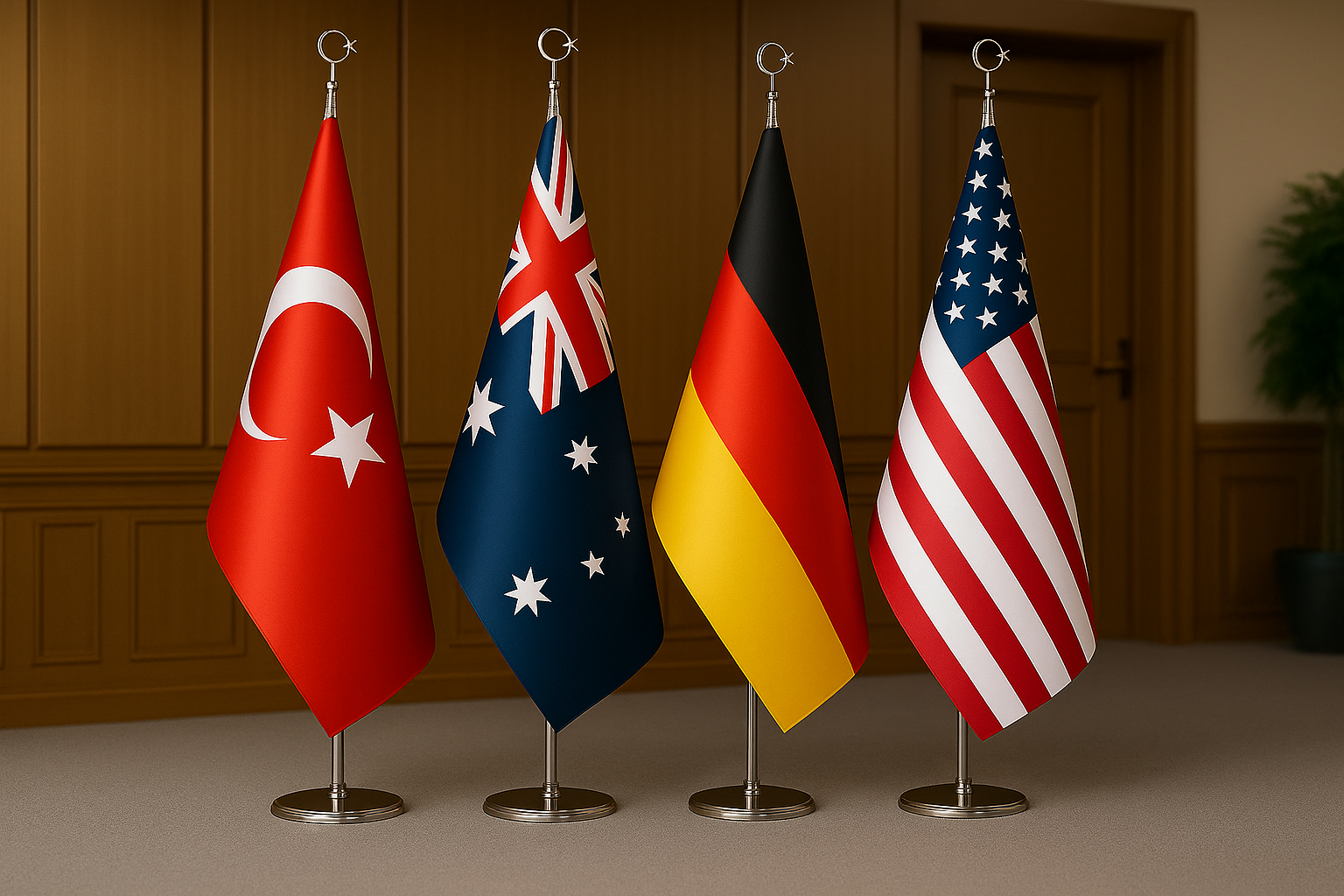
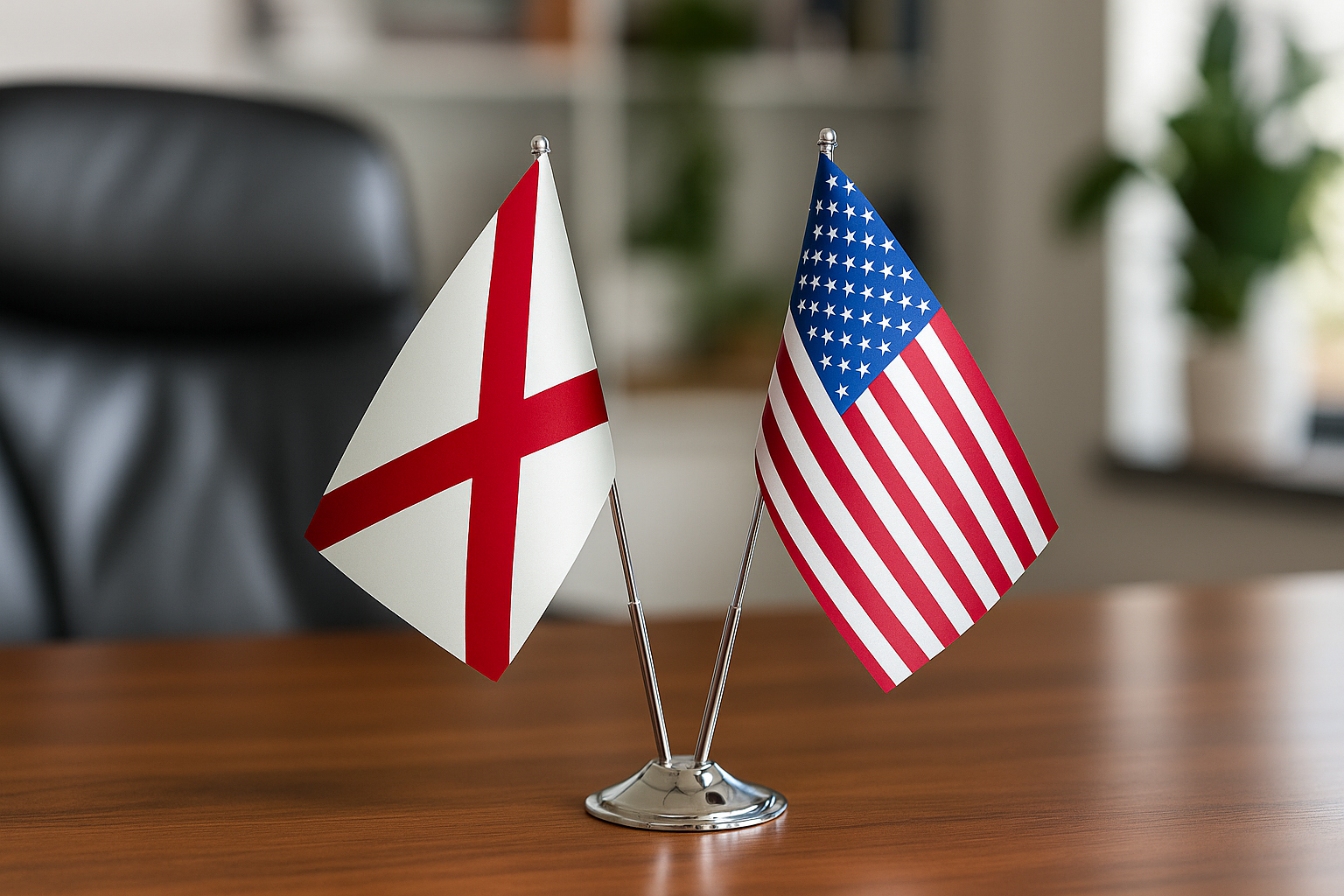
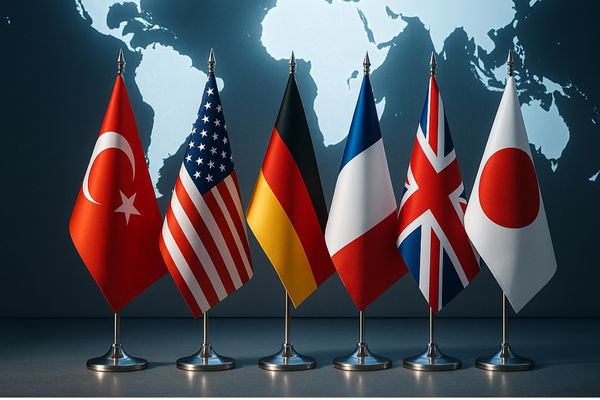
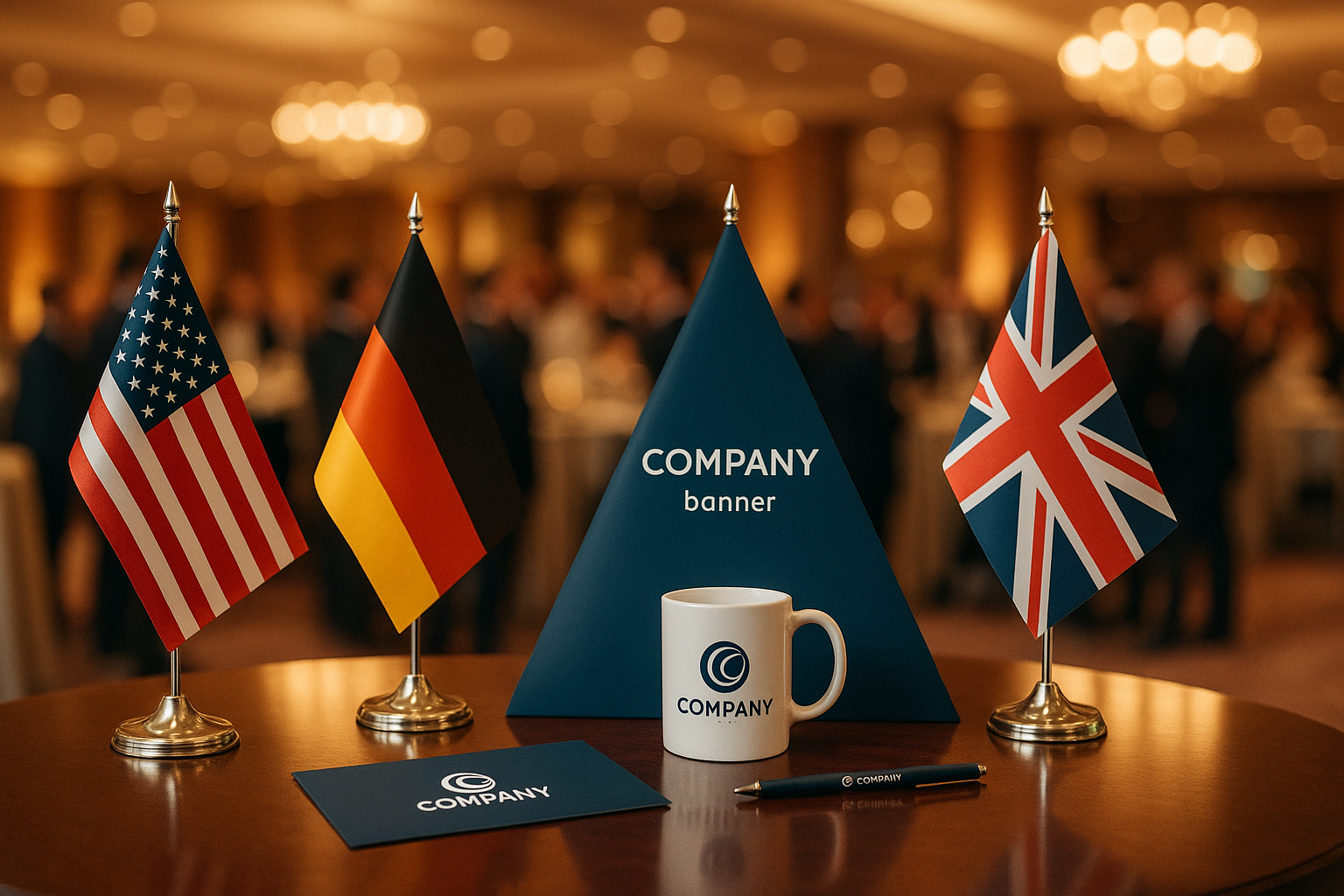

Table flags for conferences and diplomatic meetings should be compact, professionally finished, and sized to remain visible without dominating the table surface — typically 4 in × 6 in (10 cm × 15 cm) flags on stable pole-and-base stands that seat delegates can read from across the table. For anyone sourcing flags for a summit, bilateral meeting, board session, or institutional reception, the Desk Flags collection at Asya Bayrak covers the full range of formats — from single-country pole-mounted flags to multi-flag table sets and specialty variants designed for official environments.
Which type of table flag actually works for a formal meeting setting
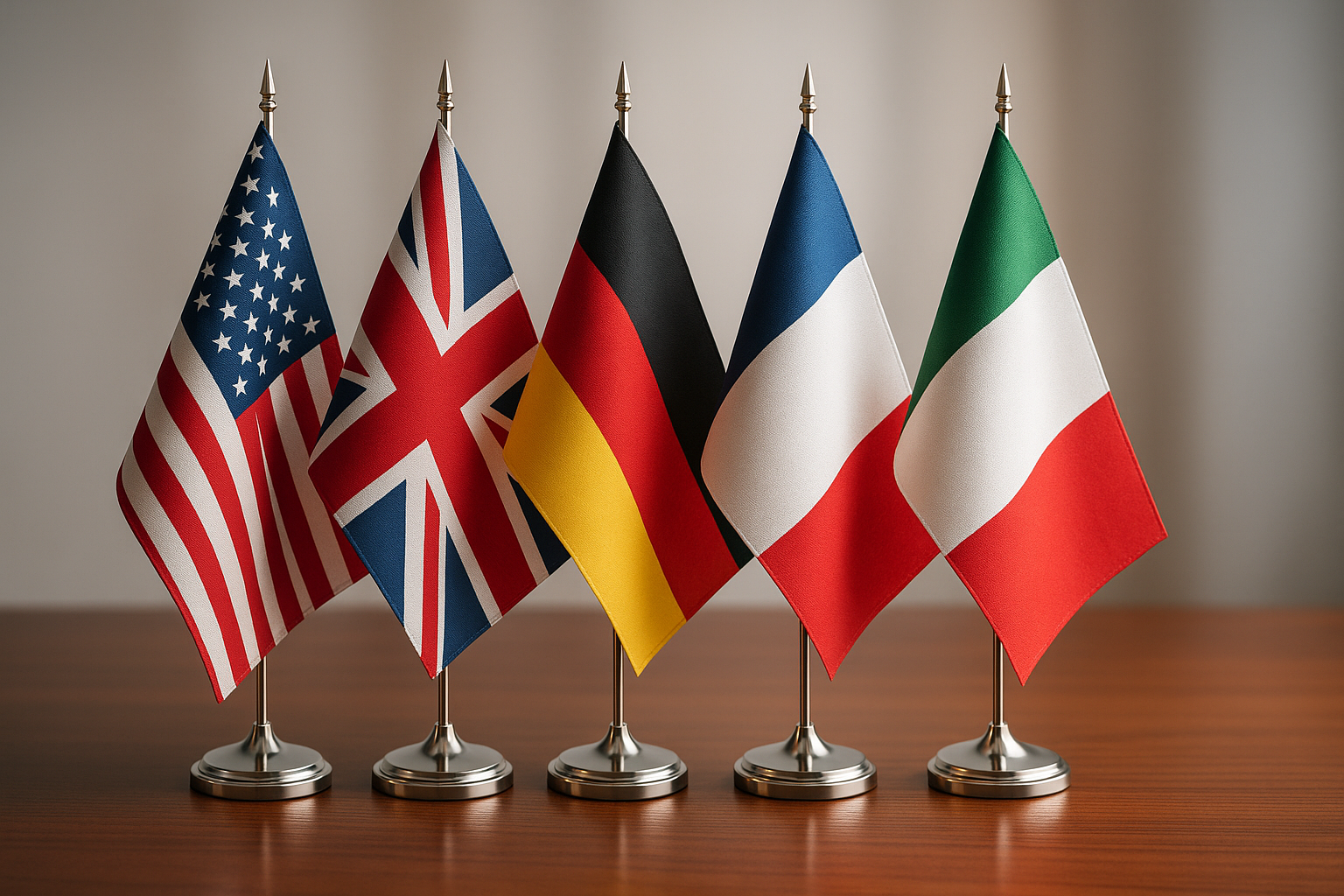
Pole-mounted desk flags with a weighted metal base are the standard for conferences and diplomatic meetings because they stand independently, require no assembly beyond inserting the pole into the base, and present cleanly on camera. The two most common configurations are single-flag stands (one country or institution per unit) and paired or multi-flag sets placed together at a central position or at each delegation's seat. For high-protocol settings such as embassy receptions or bilateral summits, chrome or gold-tone metal hardware is strongly preferred over plastic components — it signals institutional seriousness in a way that inexpensive stands simply cannot.
 Beyond the standard pole-and-base format, protocol-conscious buyers often need variants that fit unusual table configurations: swallowtail-cut pennants for ministerial settings, L-shaped or T-shaped stands for corner placements, and pole-less flags on decorative bases for minimalist interiors. The Luxury Chrome & Gold Desk Flag Stand addresses exactly this range — it covers every institutional desk-display configuration, with premium satin fabric, precise printing, and a weighted stable base throughout. Satin fabric (available at Asya Bayrak in 100, 150, and 165 g/m²) is the standard choice for indoor desk flags because its smooth surface renders printed colors with high fidelity and the sheen photographs well under conference lighting. If you are deciding between stand styles for a state office, the article on L-shaped or straight desk flag stands for a state office walks through the trade-offs in detail.
How many table flags you actually need for a conference or summit
Calculate one flag unit per delegation seat for working-level meetings, and one flag per national party at the head table for ministerial or diplomatic summits. A bilateral meeting at a rectangular table typically needs two flag units — one per side — while a multilateral roundtable with eight delegations needs at least eight units, plus any host-nation or organizational flags placed at a central or presiding position.
Beyond the head table, factor in secondary placements: a reception area or entrance foyer often warrants a paired set of flags flanking the entry; a press briefing backdrop may need additional units at the podium; and breakout rooms used for side meetings should each have at least one flag unit if photography or video recording is planned. It is worth ordering 10–15% more units than your confirmed seating count to cover last-minute delegation additions, damaged flags during transit, and replacements for future events. For large multilateral conferences involving 20 or more countries, grouping orders by region and standardizing on a single flag size and stand type significantly simplifies logistics and storage.
How to lay out table flags so the protocol is correct and the room looks right
The host nation's flag is placed to the right of any guest nation's flag from the perspective of a person facing the table — this is the standard diplomatic convention recognized under general protocol guidance and consistent with FIAV (Fédération Internationale des Associations Vexillologiques) display norms. For multilateral settings, flags are most commonly arranged alphabetically by country name in the official working language of the meeting.
 Spacing between flag units matters more than most planners anticipate. As a practical rule, allow at least 12 in (30 cm) of clear table space between adjacent flag bases so they do not visually crowd each other or obstruct delegates' sight lines. For camera-facing arrangements — press conferences, signing ceremonies, official photographs — align all flag bases on a single straight line and ensure the flag cloth hangs or drapes consistently; mismatched drape angles are immediately visible on screen. The Deluxe United States Table Flag, for example, is built on a gold-tone metal pole with a stable base specifically engineered for the kind of clean, consistent display that official settings demand. For US events, note that 4 USC §§ 1–10 (the US Flag Code) does not prescribe desk flag placement in detail, but its general principle — that the US flag holds a position of honor — applies: at a bilateral meeting, the US flag should be to the right of the foreign nation's flag when facing the table. For a deeper look at country-specific placement etiquette, the article on placing the Chinese flag at business meetings illustrates how bilateral protocol works in practice.
For events where the same flag set will be reused across multiple rooms or days, label the base of each unit with the country name on a small adhesive strip on the underside — it makes rapid setup by event staff far more reliable than visual identification alone, particularly for less familiar flags.
What drives the cost of table flags for institutional orders
The main cost drivers for a conference table flag order are hardware quality, fabric grade, printing method, quantity, and lead time. Understanding each factor lets you allocate budget intelligently rather than simply buying on unit count.
Hardware is typically the largest cost variable: chrome or gold-tone metal poles and weighted cast-iron or zinc-alloy bases cost substantially more to produce than plastic equivalents, but they last for years of repeated use and project institutional credibility that plastic stands undermine. Fabric grade is the next significant variable — higher-weight satin (165 g/m²) holds printed colors longer than lighter grades and resists creasing during storage and transit, which matters when the same set will be used at dozens of events over its service life. Printing method affects both cost and color accuracy: dye-sublimation printing (the recommended method for satin desk flags) produces sharper gradients and more accurate national colors than direct printing on the same fabric weight. Quantity has a pronounced effect on per-unit cost — the fixed setup cost for a print run is spread over more units as quantity rises, so an order of 50 country flags will carry a meaningfully lower unit cost than 10 of the same design. Finally, rush production and expedited freight add costs that can exceed the product cost itself on small orders; planning ahead eliminates this entirely.

Desk Flags Collection
Commercial-grade desk flags in every format needed for conferences, diplomatic meetings, embassies, and institutional offices — from single-country pole-mounted sets to specialty multi-flag configurations.
Browse Collection →When to place your table flag order relative to the event date
For standard in-stock country desk flags, order at least 3–4 weeks before your event to allow for production, quality inspection, and standard international freight. For custom or large multilateral orders — 20 or more country flags, specialty stand configurations, or flags requiring unique design work — 6–8 weeks is the minimum safe lead time, with 10–12 weeks preferred if the event cannot be delayed.
The single most common mistake in conference flag procurement is treating flags as a last-minute detail. Production queues at a commercial-grade manufacturer fill up during peak seasons (spring conference season, September–October UN General Assembly period, and year-end award ceremonies), and expedited production carries real cost premiums that disappear entirely with adequate lead time. If your conference is recurring — an annual summit, a quarterly board meeting, or a standing diplomatic forum — build a standard reorder cycle into your event calendar so you are never ordering under pressure. It is also worth confirming color accuracy before the event: request a digital proof or pre-production sample for any country whose national colors are complex (fine color gradients, unusual proportions, or specific Pantone matches required by law) rather than discovering a discrepancy the day before the opening ceremony. For anyone planning a conference with both national and organizational flags on the table, reviewing the Desk Flags complete buyer's guide will help you systematize the full procurement process from specification through delivery.
Frequently asked questions about table flags for conferences and meetings
What is the standard size for a desk flag used at a conference table? +
What material is best for desk flags used repeatedly at official events? +
Can I use a portable flag pole setup for a temporary conference venue? +
Does the US Flag Code say anything about how desk flags should be displayed at meetings? +
How should flags be ordered for a multilateral meeting where 15 or more countries are represented? +
Are retractable flag poles suitable for a desk or table display at a formal event? +
What is the difference between a table flag and a desk flag? +
For a conference or diplomatic meeting where the flags on the table need to reflect the same standard of professionalism as the event itself, product selection, quantity planning, layout protocol, and lead time all deserve careful attention rather than last-minute improvisation. Browse the full Desk Flags collection for every format from standard pole-mounted country flags to specialty multi-flag table sets, or explore the Country Desk Flags collection to find flags for specific nations. For US-specific institutional settings, the Premium Double USA Table Flag and the Deluxe United States Table Flag offer chrome and gold-tone hardware options respectively, both built to commercial-grade standards for embassy, boardroom, and official conference use. Bulk pricing is available for corporate and institutional orders — contact Asya Bayrak directly with your event details and delegate count for a consolidated quote.


