
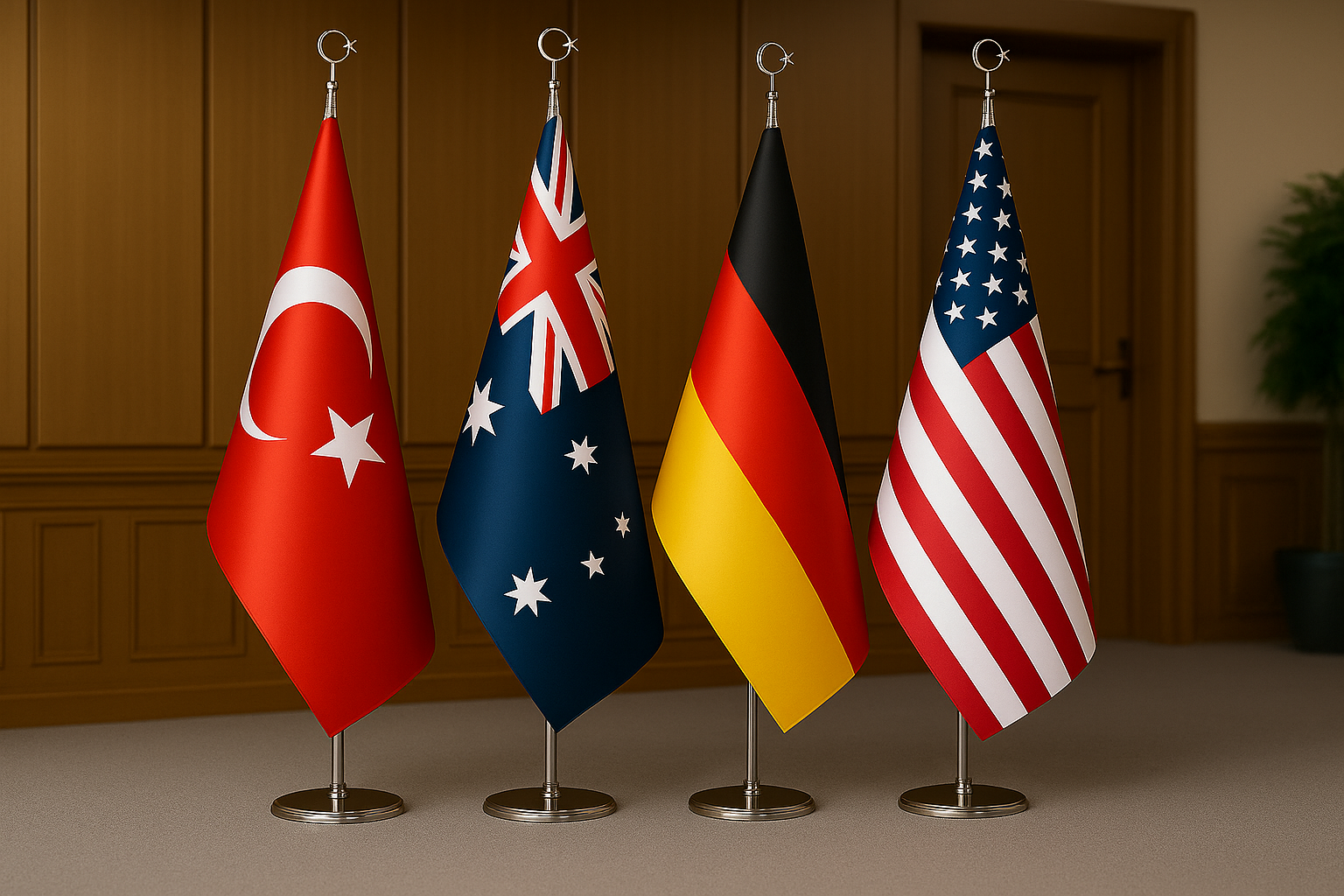



Teardrop flags come in four standard sizes — small, medium, large, and extra-large — ranging from roughly 7 ft to 15 ft (2.1 m to 4.6 m) in total height, and choosing the right size plus the correct base determines whether your flag stands confidently or tips over the moment a breeze arrives. Whether you are setting up at a trade show, a car dealership forecourt, or a weekend sporting event, the Beach Flags collection covers every size tier with matching hardware so you can get the setup right the first time.
What the standard teardrop flag sizes actually are
Teardrop flags are manufactured in four broadly recognized size tiers: small (approximately 7 ft / 2.1 m total height), medium (approximately 9 ft / 2.7 m), large (approximately 11.5 ft / 3.5 m), and extra-large (approximately 15 ft / 4.6 m). These measurements refer to the complete assembled height — pole plus flag — not the printed fabric panel alone, which is typically 30–40% shorter than the overall height. Knowing which tier you need before ordering saves money on reprints and avoids the frustration of a flag that visually disappears in its environment or overwhelms a tight indoor booth.
 The small size works best for indoor activations — think retail shop floors, exhibition stands no deeper than 10 ft (3 m), or reception lobbies where ceiling height is a limiting factor. Medium flags are the most popular all-around choice: tall enough to be seen over a crowd at an outdoor event yet compact enough to transport in a standard vehicle without disassembling the pole into many sections. Large and extra-large sizes are suited to open-air environments — automotive forecourts, sports stadiums, festival grounds — where the flag must compete with surrounding visual noise from signage, vehicles, and crowds. The Teardrop Flag is manufactured with a curved teardrop silhouette engineered to stay visible even in light winds and still air, making size selection about space and viewing distance rather than compensating for a limp design. Understanding these tiers first means every other decision — pole hardware, base type, print resolution — falls into place naturally.
How to pick the right size based on your space, pole height, and how far away viewers are
Choose your teardrop flag size by working backwards from three numbers: the usable ceiling or sky height at your location, the distance between your flag and the farthest viewer you want to reach, and the width of the footprint you can allocate to the base. As a practical rule, every 1 ft (0.3 m) of flag panel height is readable from approximately 15–20 ft (4.5–6 m) away under normal daylight conditions, so a medium flag with a 5 ft (1.5 m) print panel covers a viewing corridor of roughly 75–100 ft (23–30 m) — more than enough for most parking-lot or sidewalk displays.
Indoor venues impose the most constraints. Standard exhibition halls have ceiling clearances of 9–12 ft (2.7–3.7 m), which immediately rules out large and extra-large poles unless the hall has a double-height atrium. Measure from floor to the lowest obstruction — sprinkler heads, lighting rigs, and HVAC ducts all count — and subtract 6 in (15 cm) of safety clearance before selecting a pole tier. Outdoors, the sky is rarely the limiting factor; instead, local municipal sign ordinances sometimes cap temporary promotional displays at 15 ft (4.6 m) or below, so it is worth a quick check with your venue coordinator before ordering the tallest option.
How pole height and flag size should relate to each other
The general industry ratio is that the flag's printed panel should occupy 60–70% of the pole's usable length, leaving the remaining upper section as the curved spine that gives the teardrop its characteristic silhouette. Deviating significantly from this ratio — for example, mounting a small panel on an oversized pole — produces a flag that looks unbalanced and loses visibility at mid-distance. Most reputable manufacturers, including Asya Bayrak, match panels to poles within the same size family so the ratio is already correct when you order as a set.
Where the ratio matters most practically is when you want to use an existing pole you already own. If your pole is 10 ft (3 m) usable length, the matching print panel should be 6–7 ft (1.8–2.1 m) tall. A panel shorter than 5 ft (1.5 m) on that pole will look sparse; a panel taller than 8 ft (2.4 m) will stress the top curve and reduce the distinctive teardrop shape. When in doubt, order pole and flag together from the same product listing to guarantee the proportions are factory-matched.
How indoor, outdoor, and desk teardrop flag setups compare
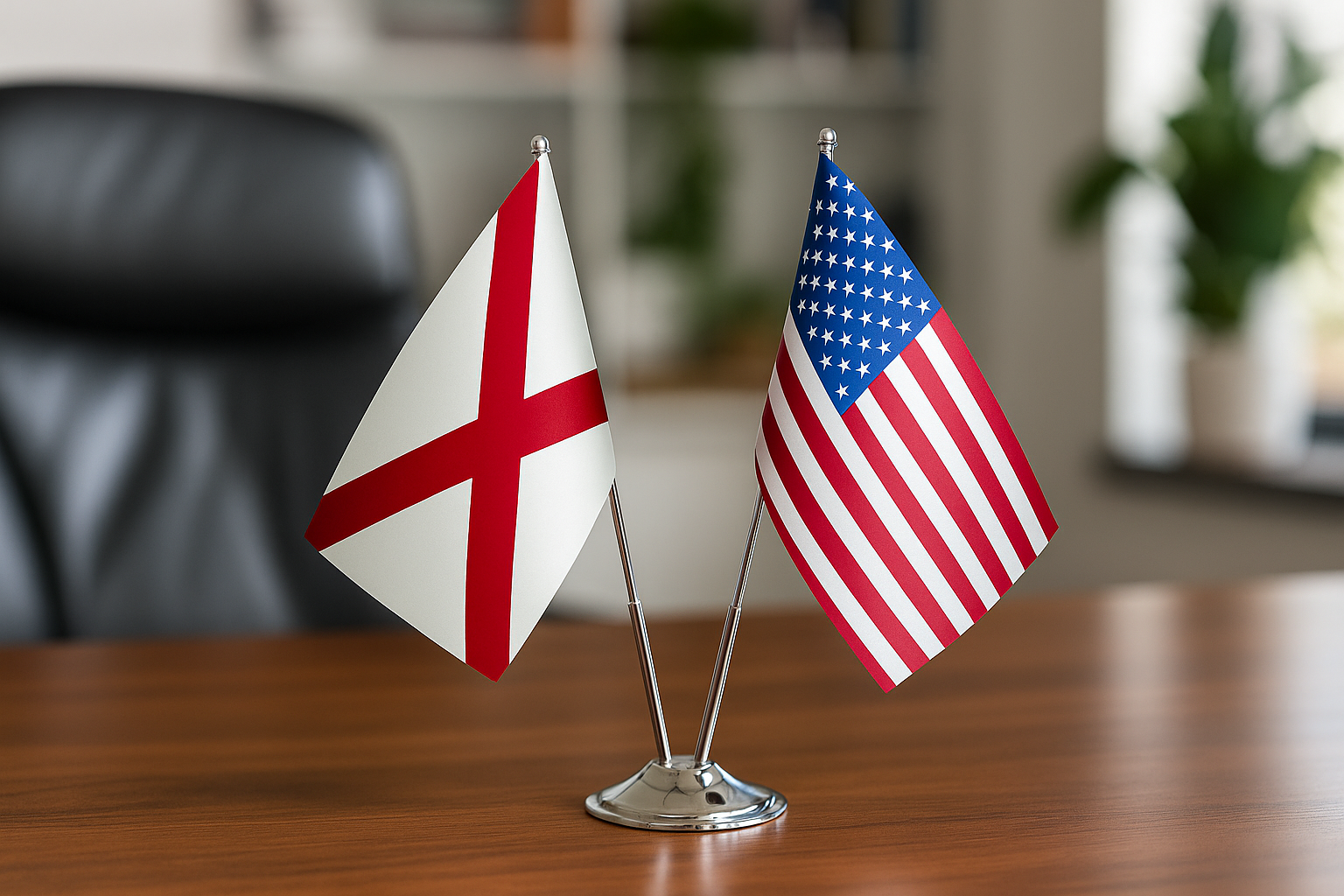
Indoor teardrop flags prioritize compact footprint and light pole weight — a small or medium unit is almost always the right call, paired with a weighted base that does not require ground anchoring. Outdoor setups need heavier bases and, ideally, ground stakes or water ballast to resist wind loading; a medium to extra-large flag in a 15–25 mph (24–40 km/h) wind exerts real lateral force on its base, and underestimating this is the single most common cause of toppled flags at events. Desk-format teardrop flags — sometimes called mini teardrops — typically stand 2–3 ft (0.6–0.9 m) tall and sit on a small weighted disc, making them suitable for reception counters, conference tables, and retail point-of-sale positions.
 For free-standing outdoor use without ground anchoring, the 32 LT Plastic Feather Flag Base is a 32-litre volume base designed specifically for sail and feather flag poles, used at fairs, storefronts, event areas, and showrooms both indoors and outdoors. Its volume means you fill it with water or sand on-site rather than transporting dead weight, which is a practical advantage when you are moving between events. The base pairs well with small and medium teardrop flags; for large and extra-large flags in exposed outdoor positions, a heavier solution should be considered. Always match the base rating to the flag size tier — manufacturers publish maximum pole diameter and flag area specifications for each base model, and staying within those limits is not optional when wind is a factor. If you need a base comparison overview, the Bases & Stands collection lists compatible options with their specifications side by side so you can cross-reference pole diameter and flag size before purchasing.
When to use an iron base instead of a plastic one
Use an iron base when you need permanent or semi-permanent stability without relying on ballast fluid — the base's own mass holds the pole upright, making it the better choice for showrooms, dealerships, and indoor venues where water or sand filling is inconvenient or prohibited. The Iron Base measures 40 × 40 cm (16 × 16 in) and is used indoors and outdoors at fairs, storefronts, event areas, and showrooms — the square footprint distributes load evenly on hard floor surfaces, which matters for polished concrete or tile where a narrow base might rock.
The practical trade-off with an iron base is transport weight. Unlike a plastic base you fill on arrival, an iron base is heavy from the moment it leaves your storage room, which makes it less practical for high-frequency event setups where staff must carry equipment across large distances. For a fixed retail window display or a car showroom floor where the flag stays in one spot for weeks at a time, the iron base is the more stable, lower-maintenance choice. For events you break down and rebuild daily, the fillable plastic base saves considerable effort.

Beach & Sail Flags Collection
All teardrop, feather, and sail flag sizes in one place — with matching poles and bases so every component is spec-matched from the start.
Browse Collection →The sizing mistakes that cost event teams the most time and money
The most expensive teardrop flag sizing mistake is ordering by panel height alone without accounting for total assembled height — buyers who order a "large" flag expecting a 5 ft (1.5 m) panel are often surprised when the fully assembled unit stands 11.5 ft (3.5 m) off the ground, which clears the ceiling of most standard event tents and indoor halls. Always request the total assembled height figure, not just the print area dimensions, before confirming an order.
The second most common mistake is mismatching base and flag size. A small plastic base paired with an extra-large flag in even moderate outdoor wind is a liability — the flag will fall, and anything it lands on (a vehicle, a display table, a person) becomes a problem. A third frequent error is ignoring the ground surface: ground stakes require soil or grass, spike bases will not work on asphalt or concrete, and cross-foot bases need level ground. Confirming your ground surface before choosing a mounting system saves a last-minute scramble on event day. For a broader look at how vertical promotional flags relate to teardrop flags in terms of sizing logic, the article on Vertical Flag Sizes and Pole Options covers comparable decision points that apply across sail flag formats. And if you are evaluating print quality for a flag that will live outdoors for months, the guide on Embroidered or Printed Flag for Outdoor Use explains which production method holds color best under UV exposure.
Frequently Asked Questions
What is the most popular teardrop flag size for outdoor events? +
What makes a teardrop flag different from other promotional flags? +
Can I use a teardrop flag indoors, and what size should I choose? +
Which base should I use for a teardrop flag on a hard surface like concrete or asphalt? +
How long does a teardrop flag last outdoors? +
Do teardrop flags come with the pole and base included, or are those sold separately? +
How far away can a teardrop flag be read clearly? +
Teardrop flags are one of the most effective promotional display tools available precisely because the size and base decisions are straightforward once you know your space, surface, and viewing distance. Start with the Teardrop Flag product page to compare panel dimensions and assembled heights across the size range, then match your choice to either the 32 LT Plastic Feather Flag Base for portable event setups or the Iron Base for fixed indoor and showroom installations. The full range of compatible mounting solutions is available in the Bases & Stands collection. Bulk pricing is available for corporate orders — contact Asya Bayrak directly for volume quotes covering multiple size tiers or multi-location event programs.