

The Trinidad and Tobago flag — bold red with a black diagonal stripe bordered by white — is one of the most recognizable flags at Carnival, fetes, soca events, and diaspora celebrations worldwide. Whether you are organizing a mas band, hosting a fete, or waving national pride in a parade, choosing the right flag format and quantity before the season begins makes the difference between a seamless setup and a last-minute scramble. Browse the full Country Flags collection to see every format available, then read on for a practical guide tailored specifically to Carnival and fete settings.
Which flag format actually works best for Carnival and fetes
Handheld flags and outdoor pole flags are the two workhorses of Carnival and fete environments — handheld flags for crowd energy and outdoor flags for venue perimeter display. Each format serves a distinct role, and most well-organized events use both simultaneously.
 The Trinidad and Tobago Official Indoor Flag is built from double-layer satin fabric and mounted on a chrome metal pole — a format that reads beautifully in VIP lounges, cultural village tents, embassy receptions, and backstage hospitality areas where a polished presentation matters. The high-definition sublimation printing faithfully reproduces the iconic red, black, and white design with the kind of color accuracy that holds up under event lighting and photography. Satin fabric in this format comes in weights of 100, 150, and 165 g/m², giving the flag a substantial, ceremonial drape that distinguishes it from casual display pieces. For government-adjacent events — think national day fetes or official Carnival opening ceremonies — this is the format that signals institutional pride rather than just party spirit. It is also the right choice for indoor media backdrops and sponsor tables where flags will be photographed repeatedly throughout the night.
For open-air stages, perimeter fencing, flagpoles at fete venues, and mas camps, the Trinidad and Tobago Outdoor Flag made from 110 g/m² Raschel knitted polyester is the practical choice. Raschel fabric is a knitted construction that allows wind to pass through rather than resist it, dramatically reducing stress on the attachment points during the gusty conditions common at outdoor venues. The direct printing and heat-fixing process locks the red, black, and white into the weave so colors remain vivid through repeated exposure to sun and weather — important when a flag has to look sharp across multiple days of Carnival events. For crowd participation and parade use, the Trinidad and Tobago Handheld Flag, crafted from 90 g/m² Raschel polyester on a stick, gives revelers a lightweight, durable waving flag that holds its color even after hours of enthusiastic use.
How many flags do you actually need for your event
A practical starting point: plan one handheld flag per 8–10 expected attendees for general crowd use, and one outdoor pole flag per 30–50 linear feet (9–15 m) of venue perimeter for decoration. These ratios scale well across fetes ranging from 200 to 5,000 guests.
For a typical outdoor fete with 500 guests, that works out to roughly 50–60 handheld flags for crowd distribution and 6–10 outdoor pole flags for the perimeter and stage area. Mas bands marching in Carnival parade should calculate handheld flags at closer to a 1:1 ratio — every masquerader who wants to wave the Trinidad and Tobago flag should have one, and you will want 10–15% extras for attrition (lost, damaged, or grabbed by spectators along the route). Indoor fetes and cultural showcases need fewer handheld flags but benefit from strategic placement of 2–4 indoor satin flags at the stage, bar, and entrance — locations where cameras naturally point. If your event spans multiple days, as J'Ouvert and Carnival Monday/Tuesday often do, order a fresh set of handheld flags for each day rather than reusing the previous day's flags, which may be worn or soiled.
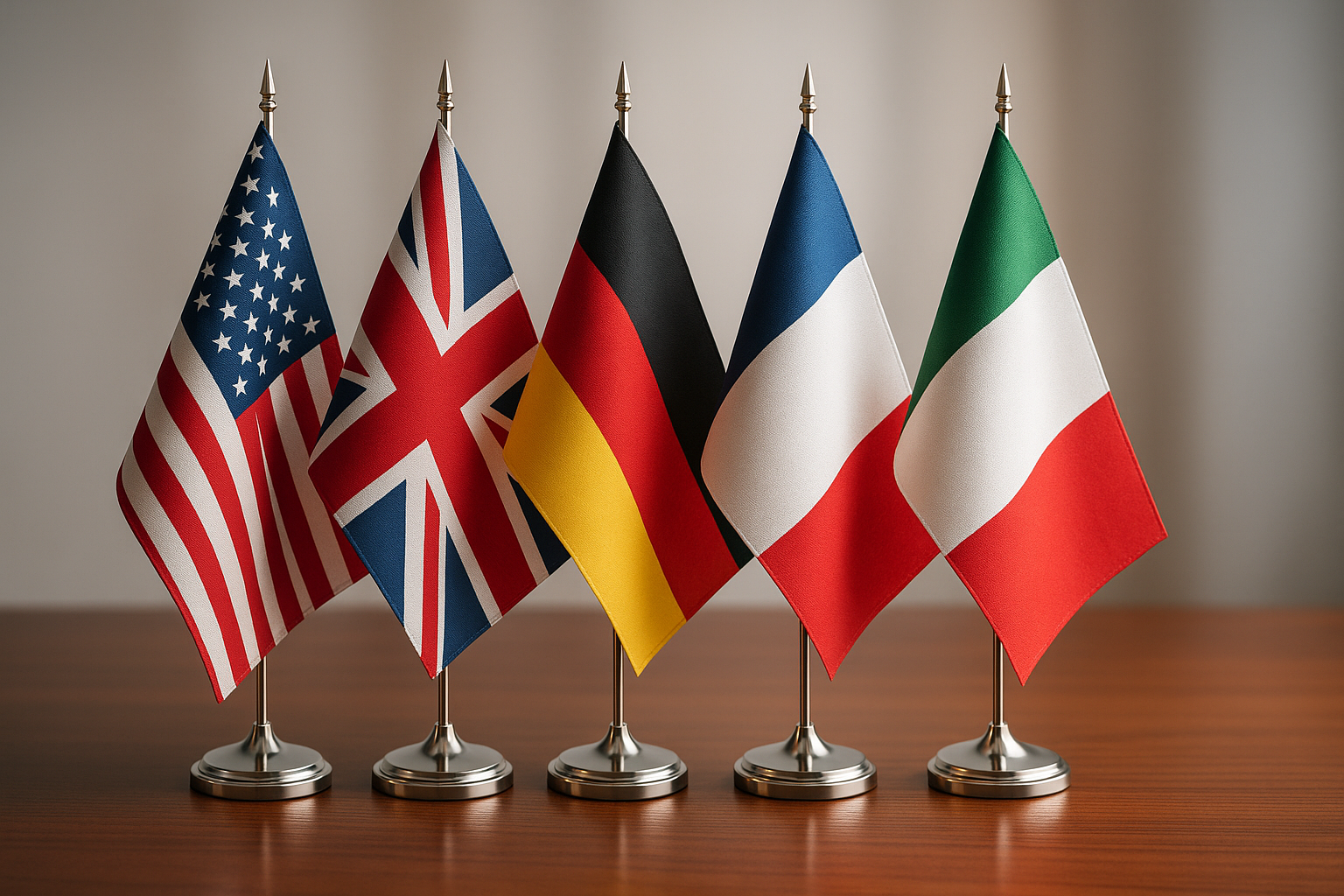
 Desk flags serve a different counting logic entirely. For registration tables, sponsor booths, DJ booths, and press areas, one Trinidad and Tobago Desk Flag per table or station is the standard — typically 5–20 units for a mid-size fete. The chrome metal pole and weighted base mean they stand independently without any additional support hardware, which simplifies setup at venues where you cannot drill or tape to surfaces. For Caribbean diaspora community organizations co-hosting events with multiple national flags, desk flags offer a clean way to represent Trinidad and Tobago alongside other nations at panel tables and cultural exhibitions. If your organization regularly hosts Carnival-season events year after year, desk flags are reusable across seasons and are worth purchasing in a slightly larger quantity to maintain a stock reserve.
How to lay out flags across a fete or Carnival venue
Effective flag placement follows sightlines: flags should be visible from the entrance, from the main stage, and from the highest-traffic zones — the bar, the food area, and the dance floor perimeter. A venue where flags are only placed at one focal point loses the cumulative visual impact that makes Carnival photography and video so compelling.
At the entrance and gate, two outdoor pole flags flanking the entrance at a height of 6–8 ft (1.8–2.4 m) create an immediate national identity statement as guests arrive. Along the stage, three outdoor flags — one center-stage and one on each wing — frame performers without blocking sightlines. For indoor venues or covered tents, replace outdoor pole flags with indoor satin flags on chrome poles placed at stage corners and beside the DJ setup. Handheld flags should be distributed at the entrance rather than left in a pile at one location — guests who receive a flag at the door are far more likely to use it throughout the night than those who have to seek one out. Reserve a basket of extras near the dance floor for guests who want one later. For Carnival parade mas bands, handheld flags work best when distributed by section — assign one flag waver per 10 masqueraders to create visual rhythm down the route rather than a random scattering of flags.
America Countries Flags
Shop flags from across the Americas — including Trinidad and Tobago — in every format needed for events, cultural celebrations, and community organizations.
Browse Collection →What drives the cost of your flag order and how to plan your budget
Flag format, fabric weight, quantity, and shipping timeline are the four variables that determine what you spend — understanding them lets you allocate your event budget intelligently without surprises. Cost per unit decreases meaningfully as order volume increases, so consolidating your full-season flag needs into one order nearly always works out better than multiple small orders.
Handheld flags, being the lightest and smallest format, carry the lowest per-unit cost and are the right choice when you need to outfit large crowds. Outdoor pole flags involve more material — heavier Raschel fabric, reinforced headers, and grommets — so their per-unit cost is higher, but their durability means a single set can serve across multiple events across an entire Carnival season. Indoor satin flags on chrome poles are positioned as premium display items; their per-unit cost reflects the double-layer satin construction and hardware included. Desk flags sit between handheld and outdoor formats in cost and are most economical when ordered in sets to cover all the tables at a single event. Rushed or expedited shipping adds cost regardless of format, which is why timing your order correctly (covered in the next section) is one of the most effective budget controls available to event organizers. Bulk pricing is available for corporate sponsors, cultural organizations, and large mas bands — contact Asya Bayrak directly to discuss volume rates for orders covering entire Carnival seasons.
If you are coordinating a multi-flag event that celebrates the broader Caribbean diaspora alongside Trinidad and Tobago, it is worth reading our guide on Uruguay Flags for Soccer Fans and Community Events for event-planning principles that apply equally well to any community celebration, and our article on Bahamas Flags for Independence Day offers useful parallels for organizing flag displays around a national calendar.
When to place your order so flags arrive before Carnival
Order at least 4–6 weeks before your first event date — this window covers standard production, quality checking, and international shipping without paying rush premiums. For large orders covering an entire Carnival season, 8 weeks is the safer target.
Trinidad and Tobago's Carnival season builds from early January through to the main events on Carnival Monday and Tuesday before Ash Wednesday, meaning most fete organizers in the diaspora — particularly in New York, Miami, London, and Toronto — are running events from January through early February. If you are organizing multiple events across that window, a single consolidated order placed in November or early December is the most efficient approach. It avoids the risk of stock running short during peak demand periods, locks in consistent flag quality across all your events, and gives you time to handle any substitution or reorder if a format sells out. For J'Ouvert events specifically, where flags are exposed to paint, mud, and water, plan to purchase disposable-grade quantities of handheld flags rather than trying to salvage and reuse them. Outdoor pole flags, being made from 110 g/m² Raschel polyester designed for repeated outdoor exposure, can be cleaned and reused across the season if they are brought in overnight rather than left on poles in rain. Reordering mid-season on a rushed timeline is the single most common avoidable cost for Carnival event organizers — placing one complete order early eliminates it entirely.
What fabric is used for the Trinidad and Tobago Outdoor Flag? +
Can I use handheld flags for Carnival parade mas bands? +
What is the correct design of the Trinidad and Tobago flag? +
Which flag format is best for an indoor VIP fete or diplomatic Carnival reception? +
How far in advance should I order flags for a Carnival event? +
Can outdoor Trinidad and Tobago flags be reused across multiple Carnival events? +
Is bulk ordering available for mas bands and corporate Carnival sponsors? +
For your Trinidad and Tobago Carnival or fete, start with the Trinidad and Tobago Handheld Flag for crowd and parade use, add the Trinidad and Tobago Outdoor Flag for venue perimeter and stage displays, and complete your setup with the Official Indoor Flag for VIP, diplomatic, or media-facing areas. If your event celebrates the wider Caribbean diaspora, the full America Countries Flags collection covers every nation your guests may proudly represent. Bulk pricing is available for corporate sponsors, mas bands, and community organizations — reach out early to secure your full Carnival season supply in one order.


