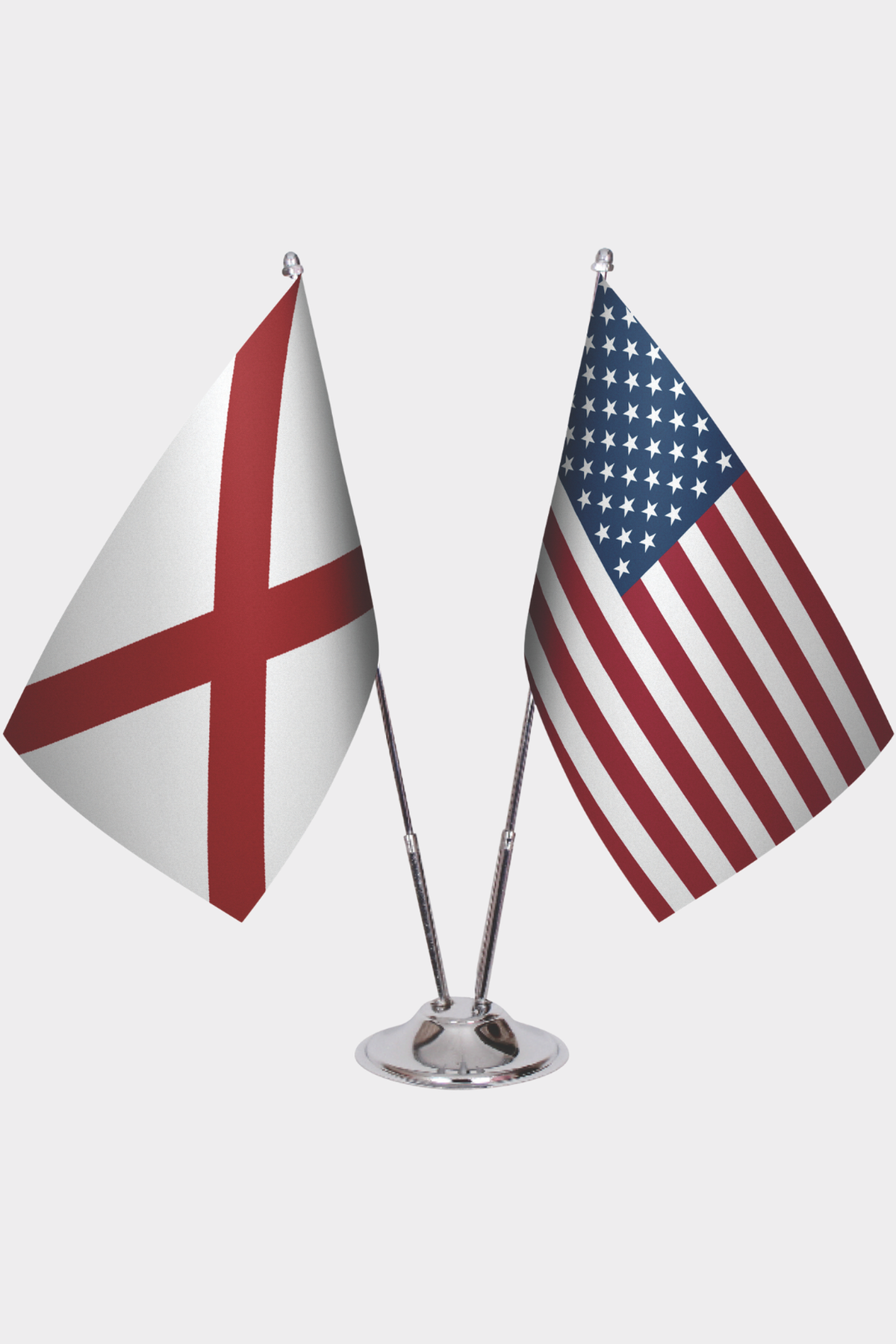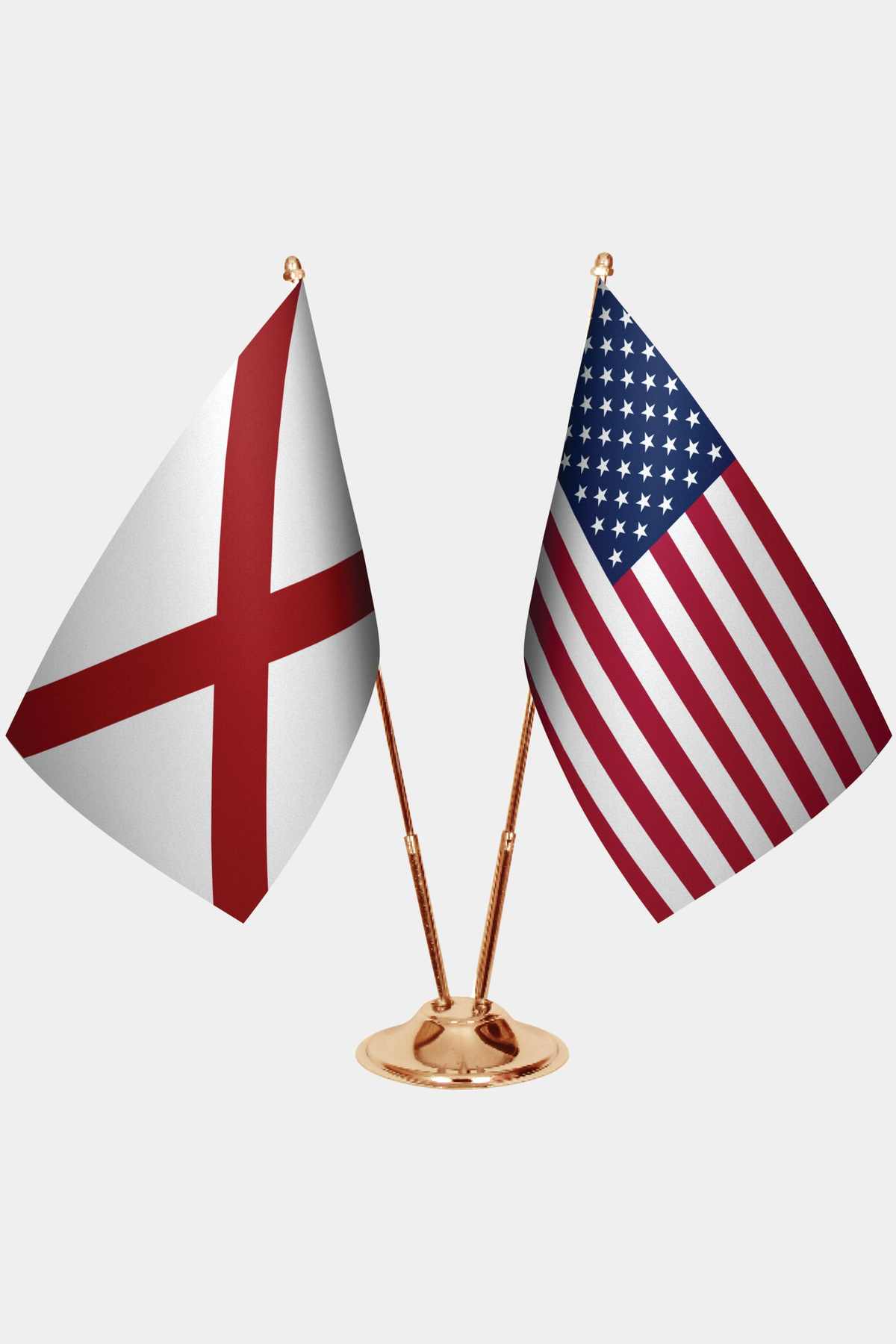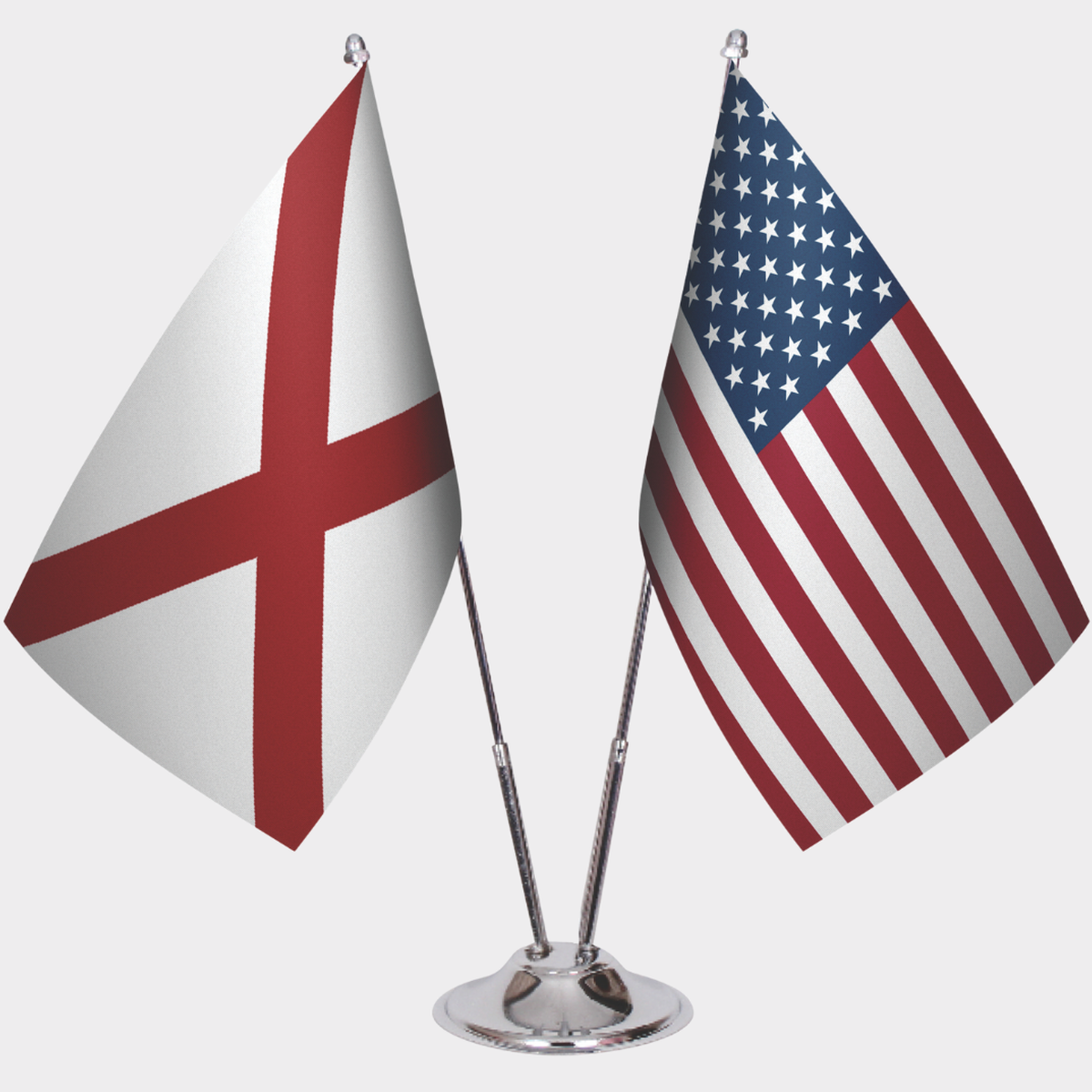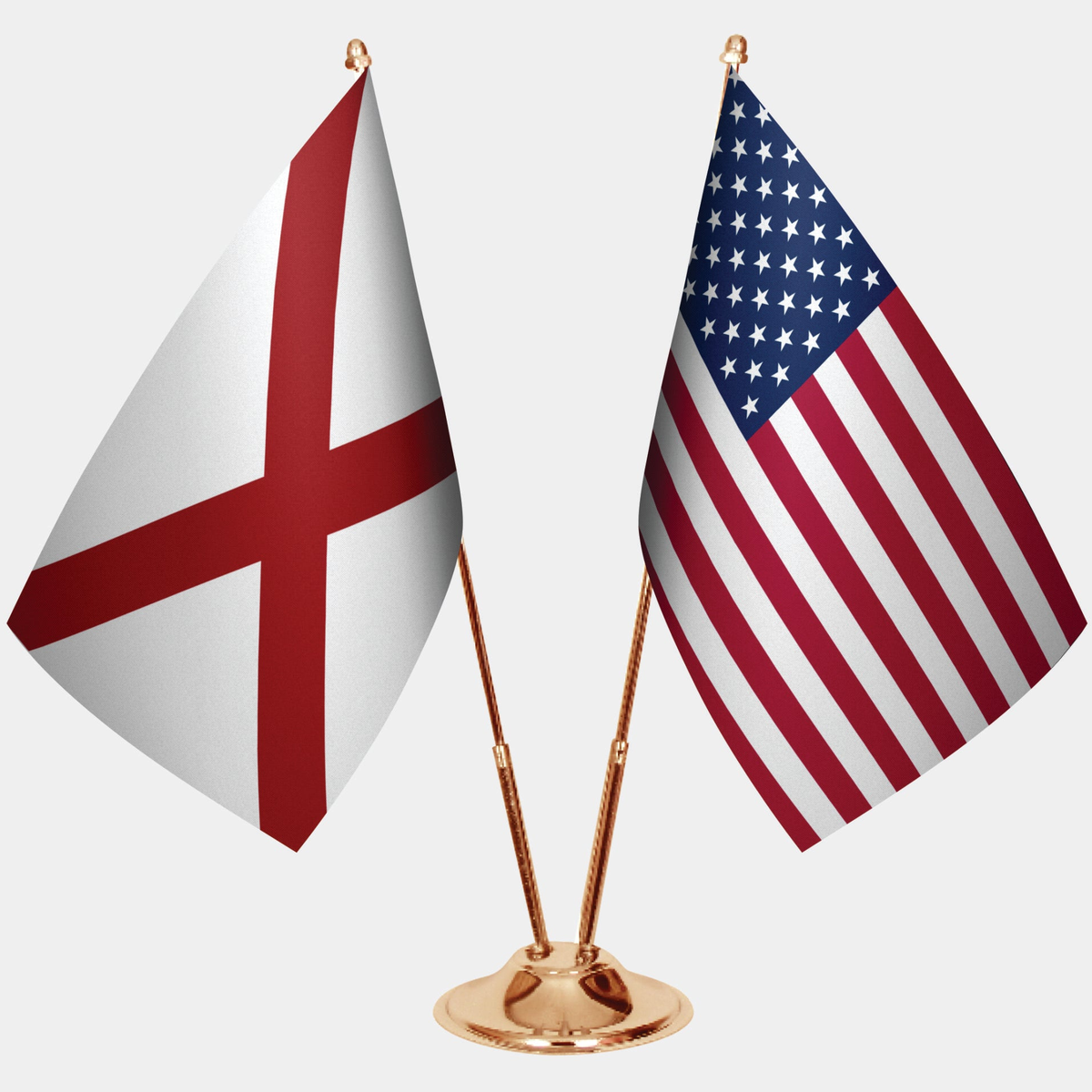








US flag sizes range from small 4 in × 6 in (10 cm × 15 cm) handheld sticks to monumental 30 ft × 60 ft (9.1 m × 18.3 m) stadium displays, with the most common outdoor size being 3 ft × 5 ft (0.9 m × 1.5 m) — the standard most households, schools, and small businesses rely on every day. Understanding the full spectrum of us flag sizes helps you choose the right flag for your flagpole height, mounting location, and viewing distance, while staying consistent with established display guidelines including the US Flag Code (4 USC §§ 1–10). For a reliable starting point, the United States Flags collection from Asya Bayrak covers the most requested sizes for both residential and commercial use.
Why Size Selection Matters More Than Most People Realize
Choosing the wrong flag size doesn't just look awkward — it can signal a lack of respect for proper display protocol and waste money on a flag that flaps apart prematurely from wind stress. The US Flag Code does not legislate specific flag dimensions for civilian use, but it does establish the principle that the flag should be displayed in a manner that reflects honor and dignity. In practical terms, that means proportion matters: a 2 ft × 3 ft (0.6 m × 0.9 m) flag on a 25 ft (7.6 m) commercial pole looks tiny and neglected, while an oversized flag on a short pole creates dangerous stress on the fabric, header, and grommets. Flag manufacturers and vexillologists generally apply a rule of thumb — the flag's fly length (the horizontal measurement) should equal roughly one-quarter to one-third of the flagpole's height. That ratio keeps the flag visually balanced and aerodynamically manageable in moderate wind conditions.
The Complete US Flag Size Chart: From Handheld to Stadium
The standard US flag sizes are organized into well-recognized categories used consistently by manufacturers, government agencies, and retailers. Below is a comprehensive breakdown of the most common sizes, their recommended pole heights, and typical use cases:
- 4 in × 6 in (10 cm × 15 cm): Handheld stick flags for parades, classroom desks, and tabletop displays. No pole requirement.
- 6 in × 10 in (15 cm × 25 cm): Small desktop and promotional flags, often used in gift sets.
- 12 in × 18 in (30 cm × 46 cm): Vehicle-mounted flags and small decorative displays. Pole height: N/A or 3–4 ft (0.9–1.2 m) garden poles.
- 2 ft × 3 ft (0.6 m × 0.9 m): Residential garden poles 4–6 ft (1.2–1.8 m) tall; also used for indoor ceremonial sets on 6–8 ft (1.8–2.4 m) floor stands.
- 3 ft × 5 ft (0.9 m × 1.5 m): The most popular residential and small-business size. Recommended pole height: 15–20 ft (4.6–6.1 m). This is the benchmark 3×5 flag dimension nearly every retailer stocks.
- 4 ft × 6 ft (1.2 m × 1.8 m): Mid-range commercial and municipal use. Recommended pole height: 20–25 ft (6.1–7.6 m).
- 5 ft × 8 ft (1.5 m × 2.4 m): Standard for commercial buildings, car dealerships, and government facilities. Pole height: 25–35 ft (7.6–10.7 m).
- 6 ft × 10 ft (1.8 m × 3.1 m): Large commercial or institutional use. Pole height: 35–45 ft (10.7–13.7 m).
- 8 ft × 12 ft (2.4 m × 3.7 m): Prominent civic and corporate display. Pole height: 45–60 ft (13.7–18.3 m).
- 10 ft × 15 ft (3.1 m × 4.6 m) and larger: Mega-flags for stadiums, car lots, and landmark installations. Pole height: 60–100 ft (18.3–30.5 m) and above.
The aspect ratio of the US flag — the proportion of hoist (height) to fly (width) — is officially 1:1.9 as established by Executive Order 10834 (1959), which governs flags used by the federal government. Most commercially produced civilian flags use a slightly simplified 2:3 ratio (which gives us the iconic 3×5 flag dimensions), and this is fully acceptable under standard US Flag Code guidance for non-federal use.
Understanding 3×5 Flag Dimensions in Depth
 The 3 ft × 5 ft (0.9 m × 1.5 m) flag is the single most common us flag size sold in the United States, and for good reason — it strikes the ideal balance between visual impact and wind resistance for the typical 15–20 ft (4.6–6.1 m) residential flagpole. At this size, the canton (the blue field of stars in the upper-left corner) measures approximately 5.4 in × 7.6 in (13.7 cm × 19.3 cm) following the federal proportions specified in Executive Order 10834. Each of the 13 alternating red and white stripes runs the full fly length at about 2.77 in (7 cm) in width when the flag is 3 ft tall in the hoist direction. The 50 stars in the canton are arranged in nine horizontal rows — alternating five-star and four-star rows — and each star measures roughly 0.54 in (1.4 cm) in outer diameter at the 3×5 scale. When selecting a USA Outdoor Flag in this size, look for reinforced canvas headers, brass grommets sized at least 1 in (2.5 cm) in diameter, and four-row stitching along the fly hem — these are the construction details that separate a flag that lasts 6–12 months outdoors from one that frays in 60 days.
Federal Government Flag Proportions vs. Civilian Standards
The federal government mandates a 1:1.9 hoist-to-fly ratio for official flags, while the civilian 2:3 ratio is universally accepted for commercial and residential display. This distinction matters because anyone purchasing a flag for a US government building, embassy, or military installation must meet the stricter specifications laid out in Executive Order 10834, whereas homeowners, businesses, and nonprofit organizations have flexibility. Under the federal standard, a flag with a 3 ft (0.9 m) hoist would have a fly of 5.7 ft (1.74 m) rather than 5 ft (1.5 m) — creating a noticeably more horizontal, elongated appearance. For most buyers, the 2:3 civilian ratio is perfectly appropriate, more widely stocked, and easier to pair with standard commercial flagpoles and hardware. Organizations with institutional display requirements — such as nonprofits, churches, and government offices — should confirm their mounting setup before ordering; our guide on outdoor flags for nonprofits, churches, and houses of worship walks through those decisions in detail.
Matching Flag Size to Flagpole Height: The Practical Formula
The correct flag size for any flagpole is determined by a simple proportional formula: the flag's fly length should equal 25–33% of the flagpole's total height. Applying this formula prevents two common display errors — flags that look like postage stamps on tall poles, and oversized flags that strain hardware and tear prematurely. Here is how the formula works in practice across common pole heights:
- 6 ft (1.8 m) pole: 12 in × 18 in (30 cm × 46 cm) or 2 ft × 3 ft (0.6 m × 0.9 m) flag
- 15 ft (4.6 m) pole: 3 ft × 5 ft (0.9 m × 1.5 m) flag
- 20 ft (6.1 m) pole: 3 ft × 5 ft or 4 ft × 6 ft (1.2 m × 1.8 m) flag
- 25 ft (7.6 m) pole: 4 ft × 6 ft or 5 ft × 8 ft (1.5 m × 2.4 m) flag
- 35 ft (10.7 m) pole: 6 ft × 10 ft (1.8 m × 3.1 m) flag
- 50 ft (15.2 m) pole: 8 ft × 12 ft (2.4 m × 3.7 m) flag
- 70–100 ft (21.3–30.5 m) pole: 10 ft × 15 ft (3.1 m × 4.6 m) or larger
Wind load is the other critical variable in this equation. Larger flags catch dramatically more wind force — an 8 ft × 12 ft (2.4 m × 3.7 m) flag can exert hundreds of pounds of lateral force on a pole in a sustained 30 mph (48 km/h) wind. This is why commercial-grade flags in larger sizes should always be made from nylon or polyester with open-weave construction, which allows air to pass through the fabric and reduces stress on the header, grommets, and pole hardware. A flag with 80%+ UV-resistant dye treatment will also hold its color longer when exposed to sustained outdoor conditions, particularly in high-sun regions like the American Southwest or Florida.
United States Flags Collection
Every standard US flag size — from 2×3 residential flags to large commercial formats — available in durable outdoor materials built for longevity.
Browse Collection →Indoor and Ceremonial Flag Sizes
Indoor ceremonial flags follow different sizing conventions than outdoor display flags, typically prioritizing visual formality over weather resistance. The most common indoor US flag sizes are 3 ft × 5 ft (0.9 m × 1.5 m) and 4 ft × 6 ft (1.2 m × 1.8 m), both displayed on 7–9 ft (2.1–2.7 m) floor-standing poles with ornamental finials. In government offices, military installations, and memorial settings, the 4 ft × 6 ft size has become the de facto standard because it fills a 9 ft (2.7 m) ceremonial pole proportionally and creates a commanding presence in formal rooms without dominating the space. For memorial and funeral applications — where flag presentation carries profound significance — precise sizing and folding protocol are critical; our detailed guide on indoor ceremonial flag sets and display protocol for funeral homes covers those specifications comprehensively. Casket flags used during military funeral honors are a distinct category — they measure 5 ft × 9.5 ft (1.5 m × 2.9 m) to drape a standard casket properly and are not interchangeable with standard display sizes.
Fabric Choice and Its Relationship to Flag Size
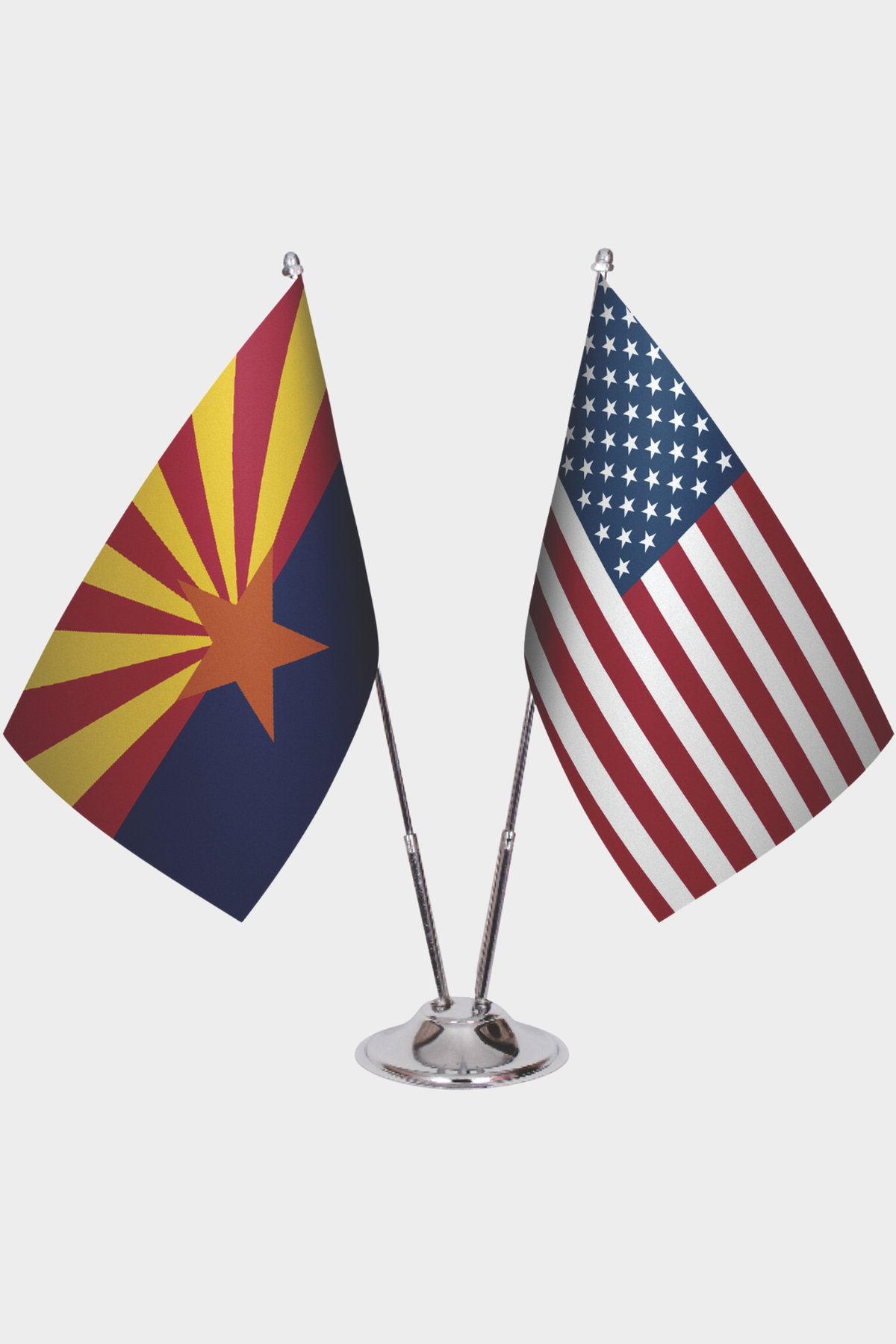
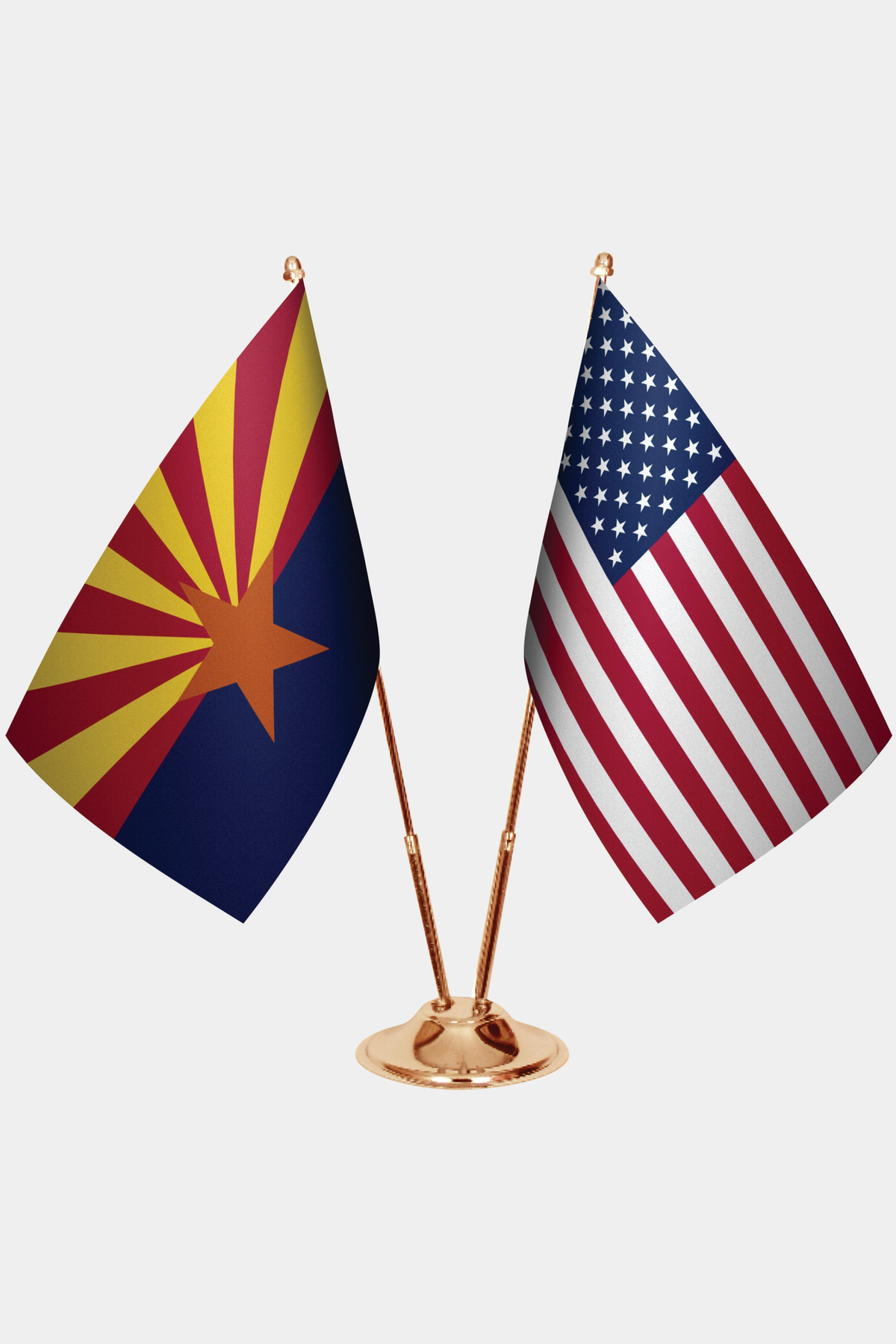
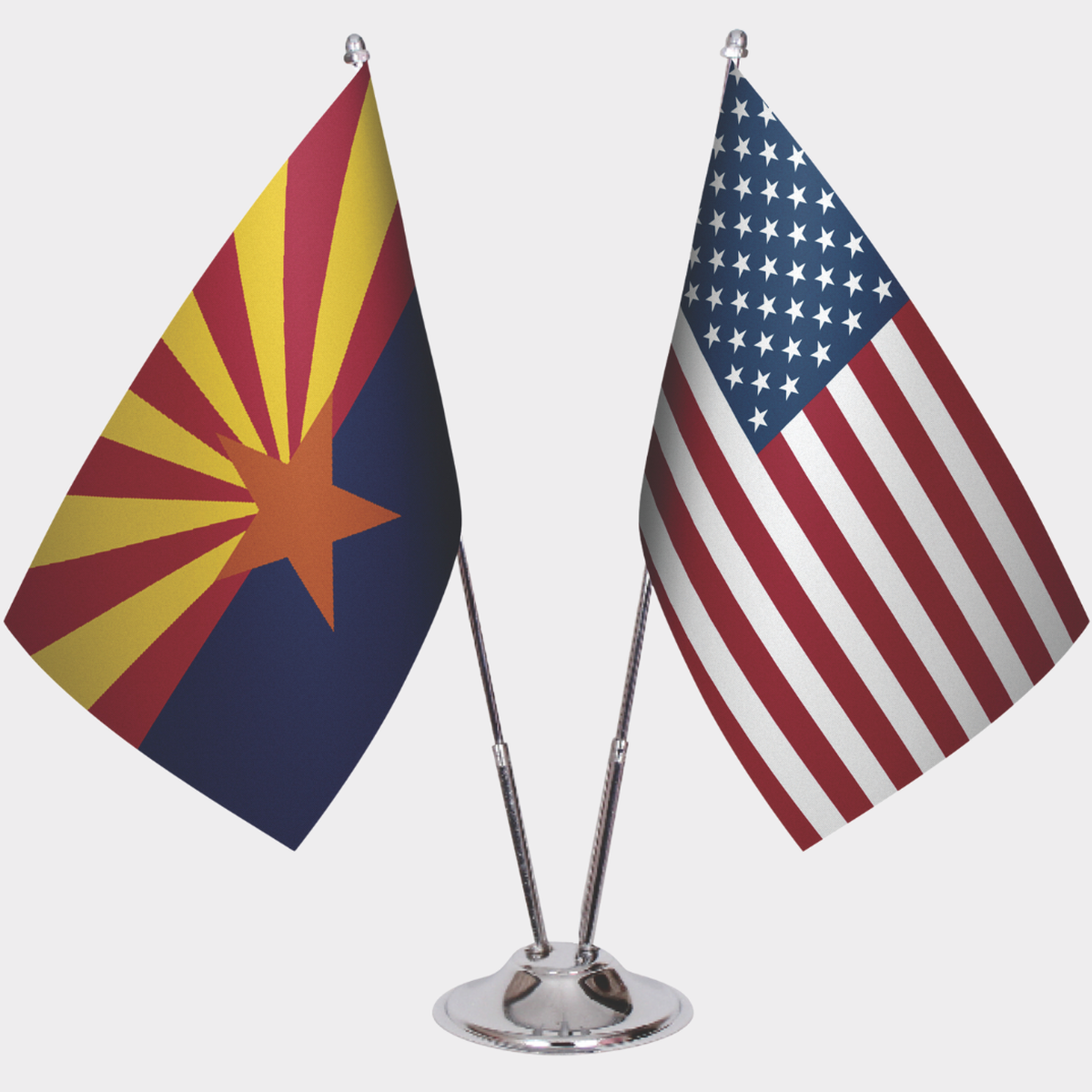
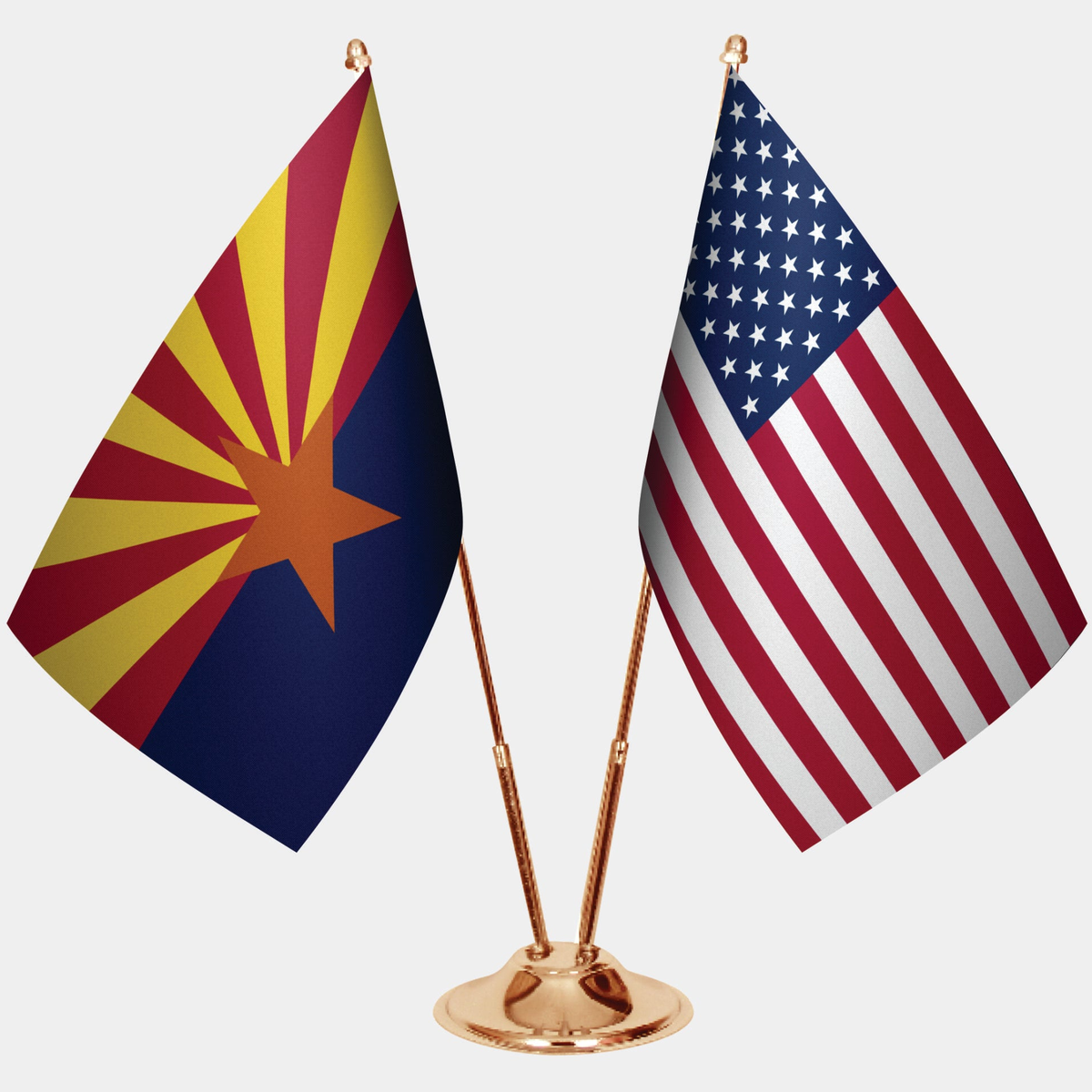
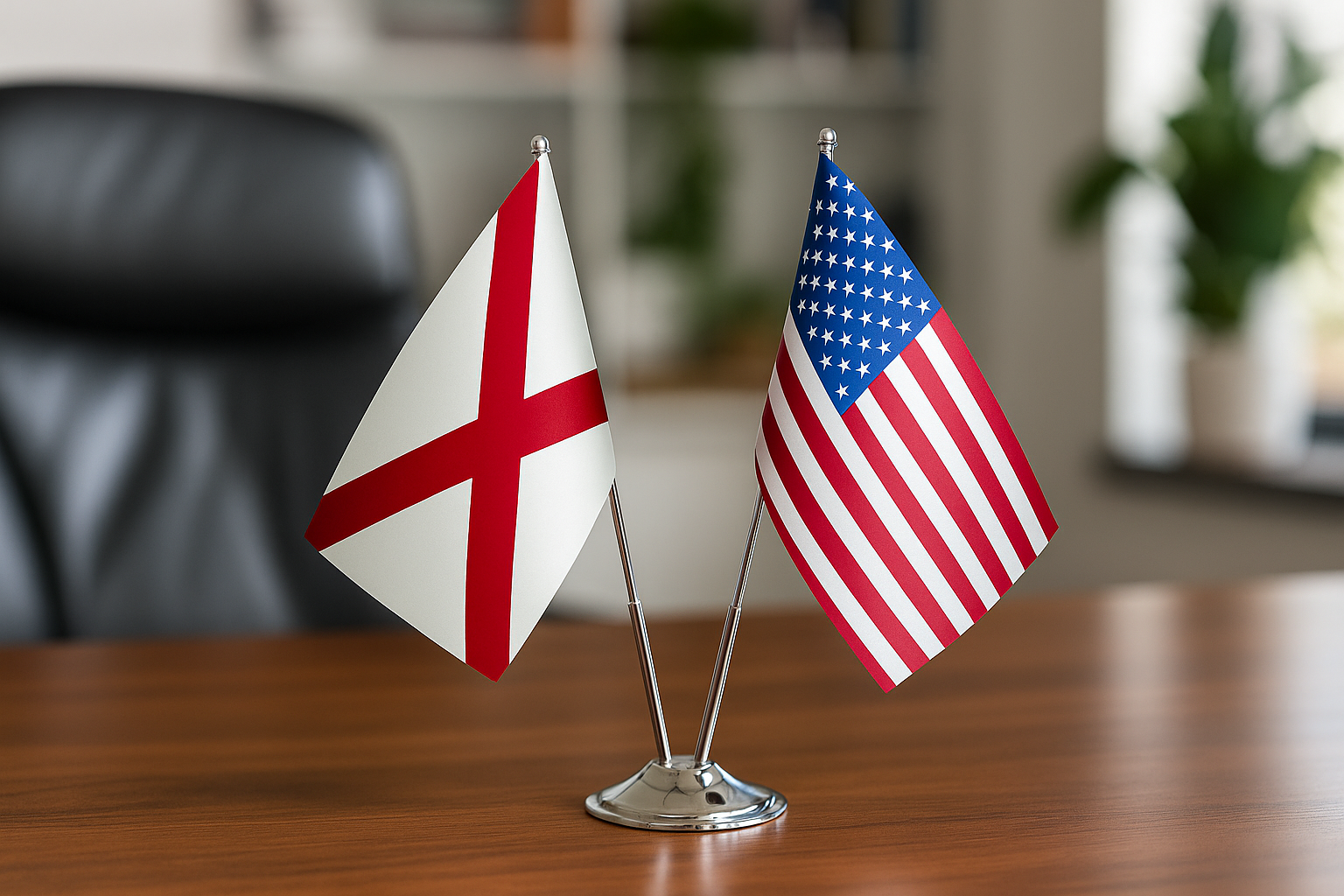
The material of a US flag must be matched to its size and display environment — a choice that directly affects how long the flag looks presentable and how often it needs replacement. Nylon is the most popular outdoor fabric for sizes from 2 ft × 3 ft through 5 ft × 8 ft (0.6 m × 0.9 m to 1.5 m × 2.4 m): it dries quickly, holds embroidered or printed colors well with 80%+ UV resistance, and has a typical outdoor lifespan of 6 months to 2 years depending on wind exposure and sun intensity. Polyester is preferred for larger flags — 6 ft × 10 ft (1.8 m × 3.1 m) and above — because its heavier weight drapes more fully in light wind and resists tearing under sustained high-wind stress better than lighter nylon. Cotton remains a traditional option for indoor ceremonial flags where beauty matters more than weather durability; cotton's natural luster photographs well and displays richly under interior lighting. For state flag display alongside a US flag — a common arrangement in government lobbies, school gyms, and corporate offices — matching fabric types ensures both flags fly and drape at similar speeds, creating a visually harmonious display; the comprehensive US State Flags complete reference is a helpful companion resource when coordinating multi-flag setups. Always size your US flag and any accompanying state or organizational flags from the same manufacturer batch to ensure consistent color saturation and fabric weight.
Frequently Asked Questions
What is the most common US flag size for residential use? +
What are the exact 3×5 flag dimensions in inches? +
What size US flag do I need for a 20-foot flagpole? +
Does the US Flag Code specify required flag sizes? +
What size is a casket flag, and is it the same as a standard display flag? +
How long does an outdoor US flag last, and does size affect lifespan? +
What is the official aspect ratio of the US flag? +
Can I display a US flag that is larger than the recommended size for my pole? +
Selecting the right us flag size is ultimately about matching your flag to your flagpole, your display environment, and the level of formality your setting demands — whether that's a front-porch residential mount, a corporate campus installation, or an indoor ceremonial arrangement. The 3×5 flag dimensions remain the most versatile starting point for the vast majority of buyers, but any size from 2 ft × 3 ft through 10 ft × 15 ft and beyond is readily available when your pole height or visual requirements call for something different. Explore the full range in the United States Flags collection, or go straight to the USA Outdoor Flag product page for the most popular outdoor sizes with detailed material and construction specifications. Bulk pricing is available for corporate, institutional, and government orders — contact Asya Bayrak directly for volume quotes on any size or quantity.