






Vertical flags follow a set of well-established standard sizes — the most common outdoor vertical flag measures 3 ft × 5 ft (91 cm × 152 cm), though purpose-built vertical banners can run from a compact 2 ft × 4 ft (61 cm × 122 cm) all the way up to 4 ft × 8 ft (122 cm × 244 cm) for high-visibility applications. Getting the size wrong is one of the most expensive mistakes a buyer can make, because a flag that is too small vanishes at distance and one that is too large overpowers its pole and tears in wind. Browse the full Vertical Country Flag collection to see every standard size available with ready-to-ship options.
What the Standard Sizes of Vertical Flags Actually Are
The standard size of a vertical flag in the United States is 3 ft × 5 ft (91 cm × 152 cm), meaning the shorter dimension runs along the horizontal axis and the longer runs vertically. This is the size most recognized by retailers, government buildings, schools, and event venues across the country, and it aligns with the proportions implied by the US Flag Code (4 USC §§ 1–10), which does not mandate exact dimensions but establishes flag dignity as a guiding principle.
Beyond that core size, the full range of recognized vertical flag dimensions breaks down as follows:
- 12 in × 18 in (30 cm × 46 cm) — desk and hand-held parade flags; mounted on a short staff, typically 10–12 in (25–30 cm) tall
- 2 ft × 3 ft (61 cm × 91 cm) — small garden poles, car mounts, and desktop display poles up to 5 ft (1.5 m)
- 3 ft × 5 ft (91 cm × 152 cm) — the universal residential and light commercial standard; fits poles from 15 ft to 25 ft (4.6 m to 7.6 m)
- 4 ft × 6 ft (122 cm × 183 cm) — medium commercial and municipal use; suits poles 25–35 ft (7.6–10.7 m)
- 5 ft × 8 ft (152 cm × 244 cm) — large commercial flagpoles 35–50 ft (10.7–15.2 m)
- 6 ft × 10 ft (183 cm × 305 cm) — government plazas and large institutional sites; poles 50–60 ft (15.2–18.3 m)
- 8 ft × 12 ft (244 cm × 366 cm) — stadium, port authority, and large public monuments; poles 60–80 ft (18.3–24.4 m)
Vertical banners designed for pole sleeves — the kind used in streetscapes, trade shows, and retail exteriors — follow a slightly different convention. A vertical banner size of 2 ft × 6 ft (61 cm × 183 cm) or 2.5 ft × 8 ft (76 cm × 244 cm) is common for single-arm boulevard poles, while 2 ft × 4 ft (61 cm × 122 cm) is typical for interior event poles with a base stand. These dimensions are also the most frequently used when setting up design files — for instance, a vertical banner size in Canva or a similar design tool would typically start at 24 in × 72 in (61 cm × 183 cm) for printing at 1:1 scale.
 The Outdoor Vertical USA Flag is manufactured to the 3 ft × 5 ft (91 cm × 152 cm) standard that fits the widest range of residential and commercial flagpoles in the United States. It is produced in 100% woven polyester with UV-resistant inks rated to withstand approximately 800 hours of direct sunlight testing, helping it maintain color fidelity for 6 months to 2 years depending on wind exposure and climate. The header is reinforced with a brass grommet and a canvas sleeve, which distributes stress across the hoist edge rather than concentrating it at a single attachment point — a critical durability feature for flags that fly in sustained winds above 15 mph (24 km/h). If you are ordering for a site with variable wind conditions or multiple poles at a campus or commercial property, this flag's construction is engineered to hold up across all of them.
How to Choose the Right Size Based on Your Pole Height and Viewing Distance
The correct vertical flag size is determined first by pole height and second by the viewing distance from which the flag needs to be legible. As a practical rule endorsed by flag industry standards and the National Flag Foundation, the flag's fly length (the longer dimension in a vertical orientation) should be approximately one-quarter to one-third of the pole's height — so a 20 ft (6.1 m) pole calls for a fly of 5–7 ft (1.5–2.1 m), placing you squarely in the 3 ft × 5 ft or 4 ft × 6 ft range.
Viewing distance also matters independently of pole height. At distances under 50 ft (15 m) — such as a storefront or residential front yard — a 3 ft × 5 ft (91 cm × 152 cm) flag is fully legible. Between 50 and 150 ft (15–46 m), a 4 ft × 6 ft (122 cm × 183 cm) or 5 ft × 8 ft (152 cm × 244 cm) flag becomes necessary for the canton or emblem to remain identifiable. Beyond 150 ft (46 m), such as from a highway, flags smaller than 6 ft × 10 ft (183 cm × 305 cm) tend to read as a color block rather than a recognizable design.
For guidance on how vertical flags compare to horizontal pole formats in retail and commercial environments, the article Vertical or Horizontal Pole Flag for a Store covers the tradeoffs in detail, including hardware, wind behavior, and cost.
The Ratio Between Pole Height and Flag Size
The standard pole-to-flag ratio is 4:1 to 3:1, meaning the pole should be 3 to 4 times taller than the flag's fly (longest) dimension. This ratio keeps the flag from appearing swamped by the pole above it or dragging dangerously close to the ground below, and it is the proportion most flag hardware manufacturers design their cleat and halyard systems around.
Here is a quick reference table for matching flag size to pole height:
- 15 ft (4.6 m) pole → 3 ft × 5 ft (91 cm × 152 cm) flag
- 20 ft (6.1 m) pole → 3 ft × 5 ft or 4 ft × 6 ft flag
- 25 ft (7.6 m) pole → 4 ft × 6 ft or 5 ft × 8 ft flag
- 35 ft (10.7 m) pole → 5 ft × 8 ft or 6 ft × 10 ft flag
- 50 ft (15.2 m) pole → 6 ft × 10 ft or 8 ft × 12 ft flag
- 60–80 ft (18.3–24.4 m) pole → 10 ft × 15 ft (305 cm × 457 cm) or larger
These ratios also apply to vertical banners mounted on single-arm streetscape poles or bracket-mounted building poles. A 10 ft (3 m) arm-mounted banner pole on a 20 ft (6.1 m) light standard, for example, accommodates a 2 ft × 6 ft (61 cm × 183 cm) sleeve banner comfortably without creating a wind-sail effect that strains the bracket. For custom-logo applications in those exact formats, the Logo Printed Vertical Pole Flags collection includes sleeve banners sized to fit standard streetscape and event pole hardware.

Vertical Country Flag Collection
Every flag in this collection is available in the most requested standard sizes for residential, commercial, and government poles — with reinforced headers and UV-resistant polyester throughout.
Browse Collection →How Indoor, Outdoor, and Desk Flag Sizes Compare
Indoor, outdoor, and desk vertical flags are not interchangeable — each category has distinct standard dimensions designed for its display context. Outdoor flags are the largest because they must be visible across open distances and are built to withstand UV exposure, rain, and wind; indoor ceremonial flags are slightly smaller and made from heavier, more ornate materials; desk flags are miniatures intended for close-range identification.
Here is how the three categories compare by standard size:
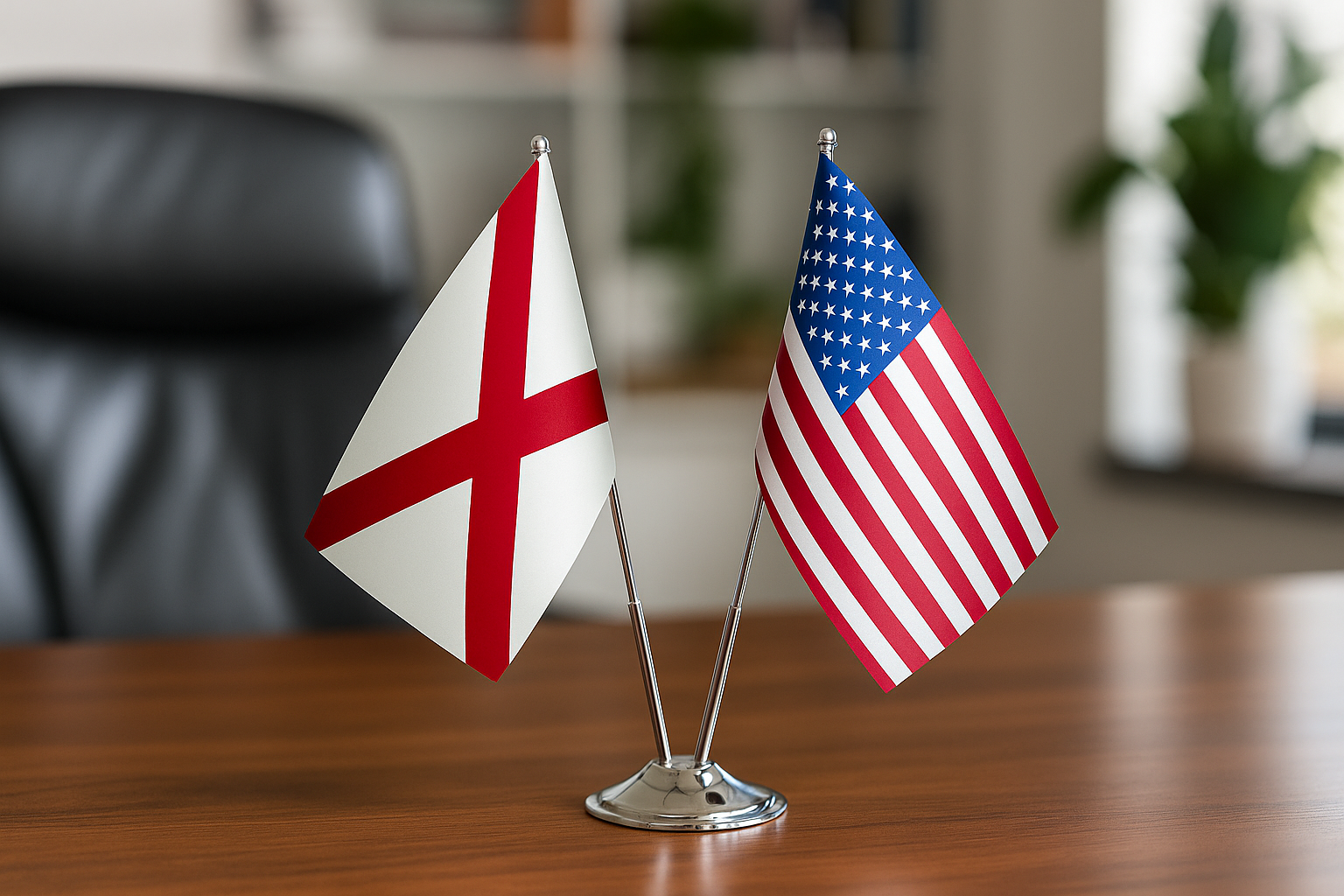
- Desk flags: 4 in × 6 in (10 cm × 15 cm) on a 10 in (25 cm) staff; used on desks, counters, and as promotional giveaways
- Indoor ceremonial flags: 3 ft × 5 ft (91 cm × 152 cm) or 4 ft × 6 ft (122 cm × 183 cm); mounted on an 8–9 ft (2.4–2.7 m) indoor pole with a finial; often made from nylon, rayon, or embroidered fabric
- Outdoor residential flags: 3 ft × 5 ft (91 cm × 152 cm); the most commonly purchased size globally
- Outdoor commercial flags: 4 ft × 6 ft to 6 ft × 10 ft (122 cm × 183 cm to 183 cm × 305 cm)
- Vertical sleeve/boulevard banners: 2 ft × 6 ft to 2.5 ft × 8 ft (61 cm × 183 cm to 76 cm × 244 cm); mounted on a pole arm rather than hoisted on a halyard
If you are sourcing flags for a specific country and need to cross-reference sizing conventions used in different national markets, the India Flag Prices and Standard Sizes guide and the Colombia Flag Prices and Size Guide both walk through locally used dimensions alongside internationally recognized standards.
Sizing Mistakes That Cost Buyers Money and Visibility
The most common and costly vertical flag sizing mistake is ordering a flag sized for the flag's hoist (short side) when the spec sheet was asking for the fly (long side) — this single mix-up routinely results in flags arriving at half the expected size. The second most frequent error is matching the flag to the pole height rather than to one-quarter of it, producing a flag so large it wraps around the pole in light breezes and tears in strong wind.
Additional mistakes that experienced buyers learn to avoid:
- Ignoring the pole's halyard and truck capacity. A flagpole rated for a 3 ft × 5 ft flag will strain its pulley system and snap its halyard if a 5 ft × 8 ft flag is attached without upgraded hardware.
- Ordering vertical sleeve banners with hoist-and-fly dimensions instead of sleeve dimensions. Sleeve banners are sized by finished panel width and drop height — not hoist and fly — so a "2 ft × 6 ft banner" means 24 in wide and 72 in tall as a finished panel, not as a ratio.
- Underestimating setback distance from the road. A flag on a 20 ft (6.1 m) pole set 30 ft (9.1 m) back from a 45 mph (72 km/h) road needs to be at least 4 ft × 6 ft (122 cm × 183 cm) to remain legible to passing drivers.
- Using indoor-rated flags outdoors. Indoor ceremonial flags lack UV-resistant coatings; most will fade visibly within 60–90 days of continuous outdoor exposure.
- Designing a vertical banner in a design tool at screen resolution. A vertical banner size set up in Canva or similar software must be configured at 1:1 scale in inches or millimeters with a minimum resolution of 150 DPI (print-ready files typically require 300 DPI) to avoid pixelation at the finished flag size.
For detailed guidance on how to properly display a flag once you have the right size, the article How to Hang a Flag Vertically covers step-by-step installation, hardware requirements, and common hanging mistakes — including orientation rules under the US Flag Code.
What is the size of a normal flag? +
What is the standard flag size in inches? +
What is the standard size of a flag for printing? +
What vertical banner size should I use in Canva or a design tool? +
How do I know which flag size fits my flagpole? +
Are vertical flags and vertical banners the same thing? +
How long does an outdoor vertical flag last? +
Choosing the right vertical flag size is a decision that pays forward in visibility, durability, and avoided replacement costs. Start with your pole height, apply the 3:1 to 4:1 ratio, then factor in viewing distance and wind exposure — and you will land on the correct size the first time. The Vertical Country Flag collection covers the full standard size range from 2 ft × 3 ft through large commercial dimensions, all manufactured in UV-resistant polyester with reinforced headers. If you need a custom size, logo, or national emblem on a sleeve-style banner for a streetscape or event pole, the Logo Printed Vertical Pole Flags collection offers tailored dimensions with production turnaround times suitable for planned installations. For the 3 ft × 5 ft outdoor standard specifically, the Outdoor Vertical USA Flag is built to the full commercial specification and ships ready to fly. Bulk pricing is available for corporate, municipal, and event orders — contact the team directly for volume quotes on multi-pole installations or branded flag programs.