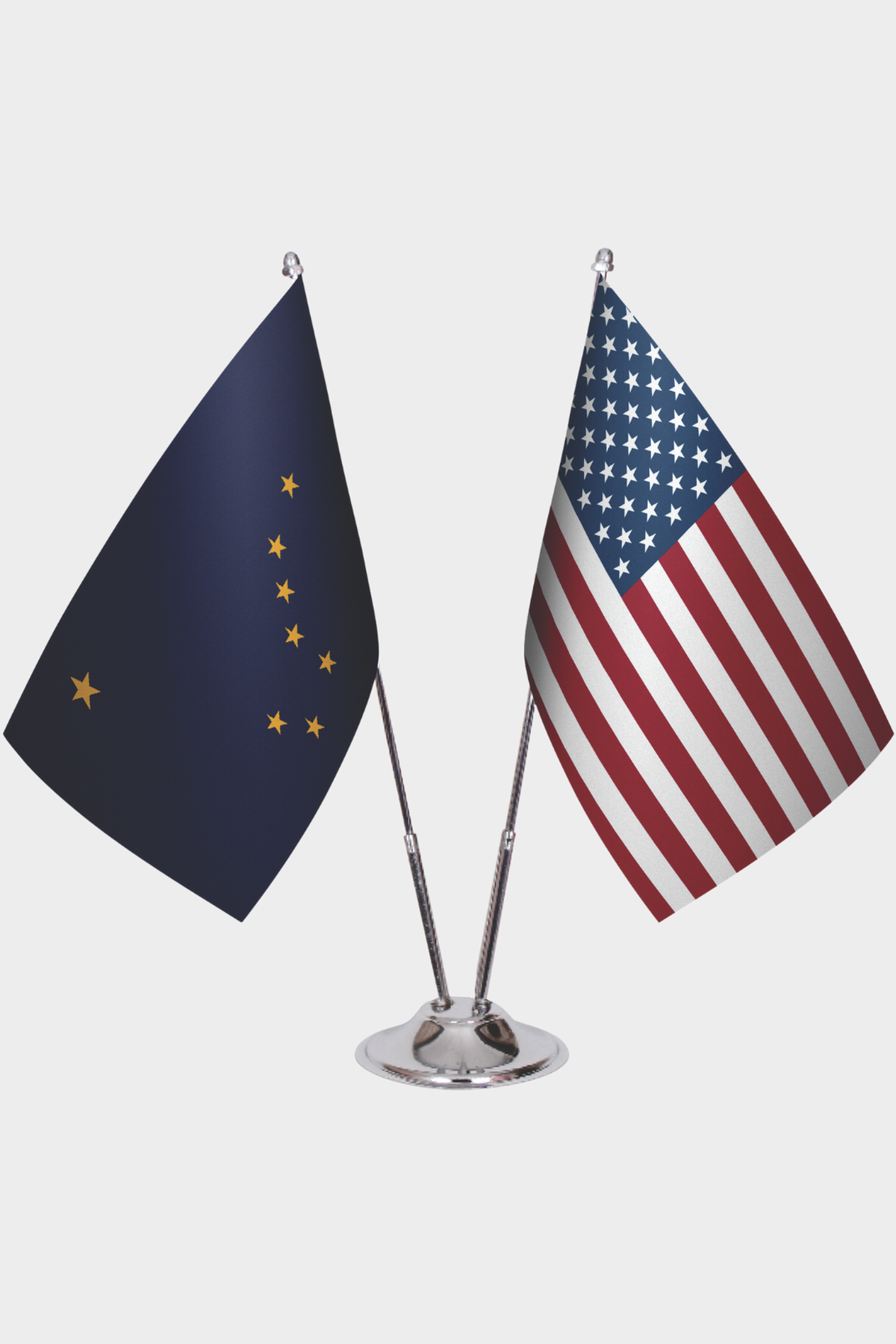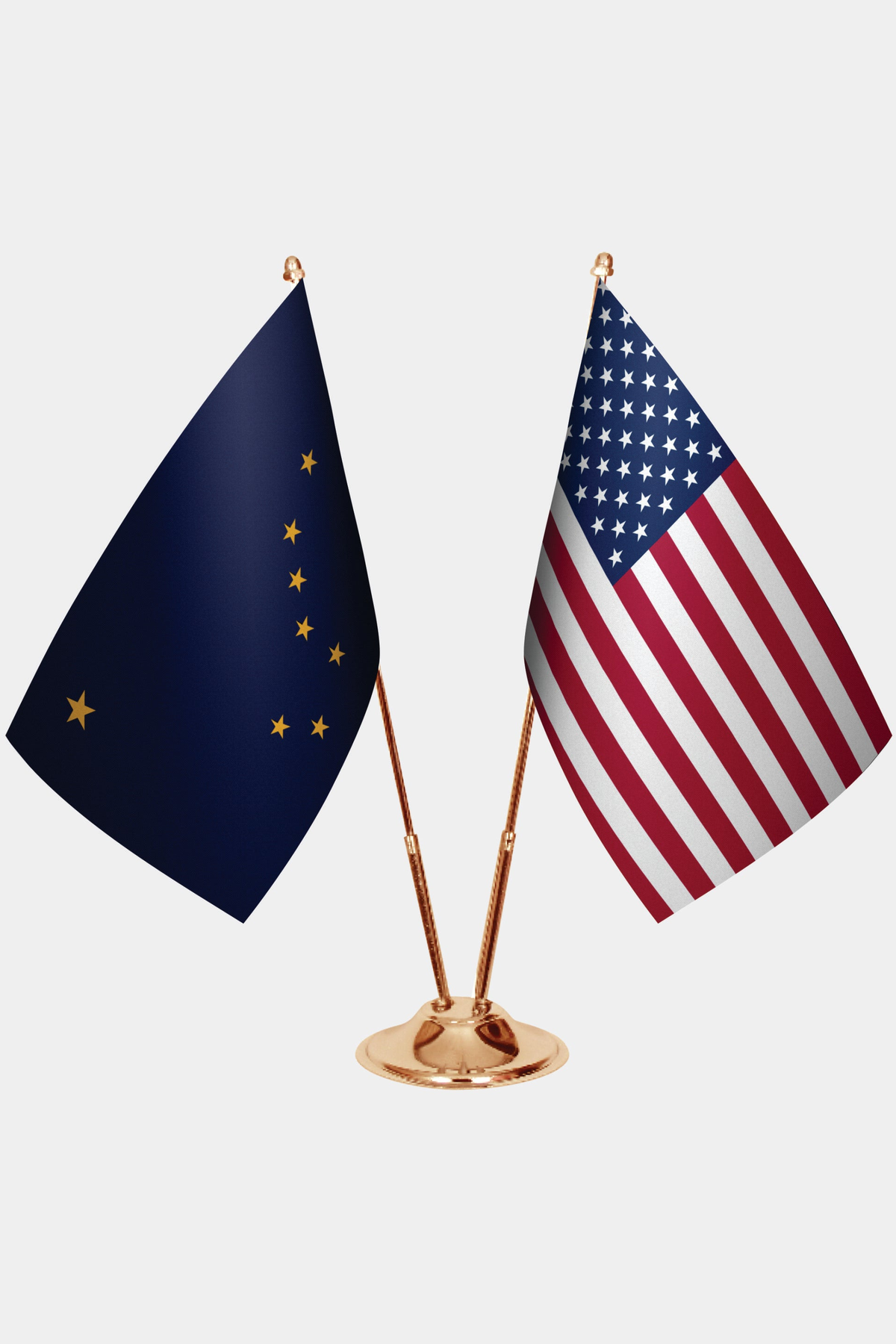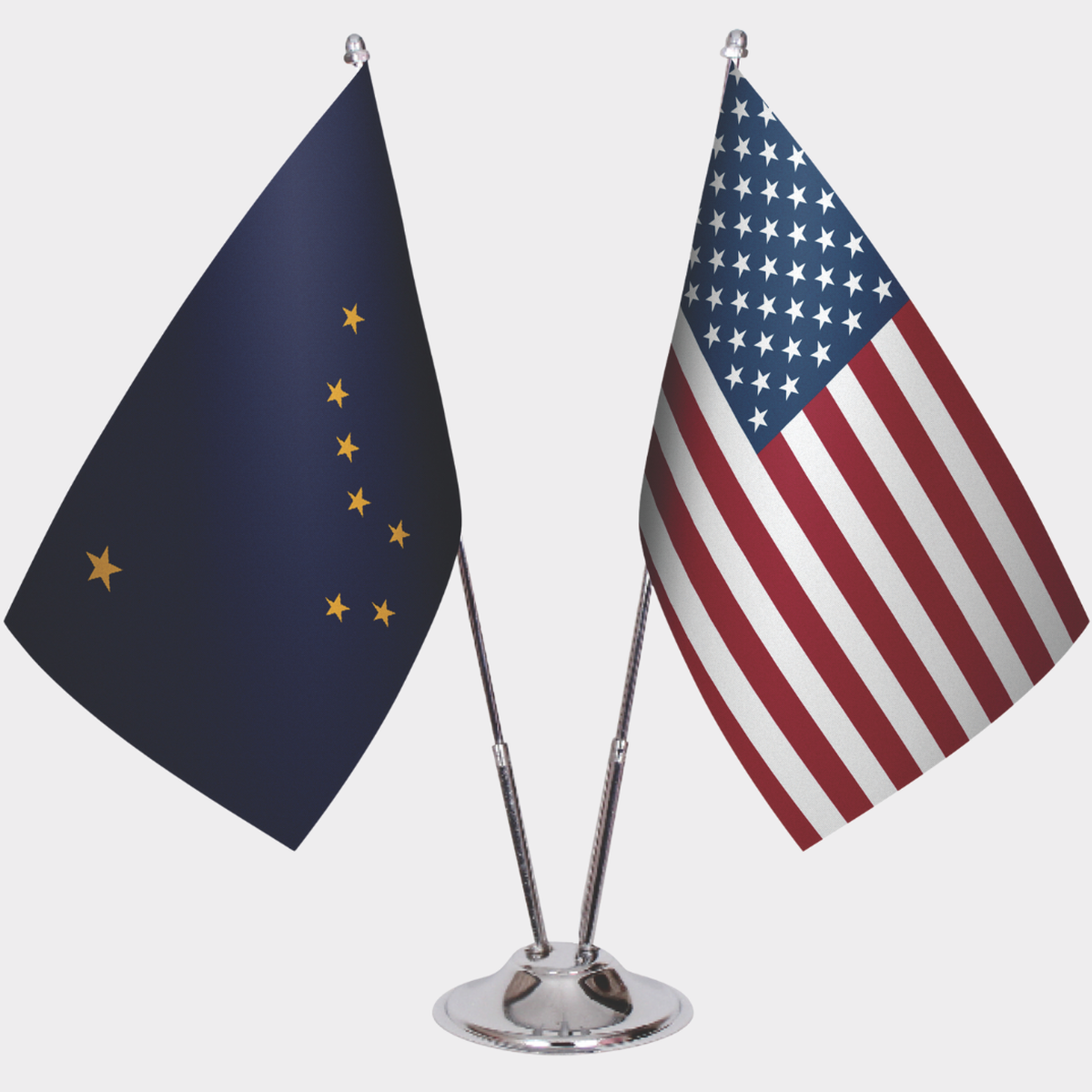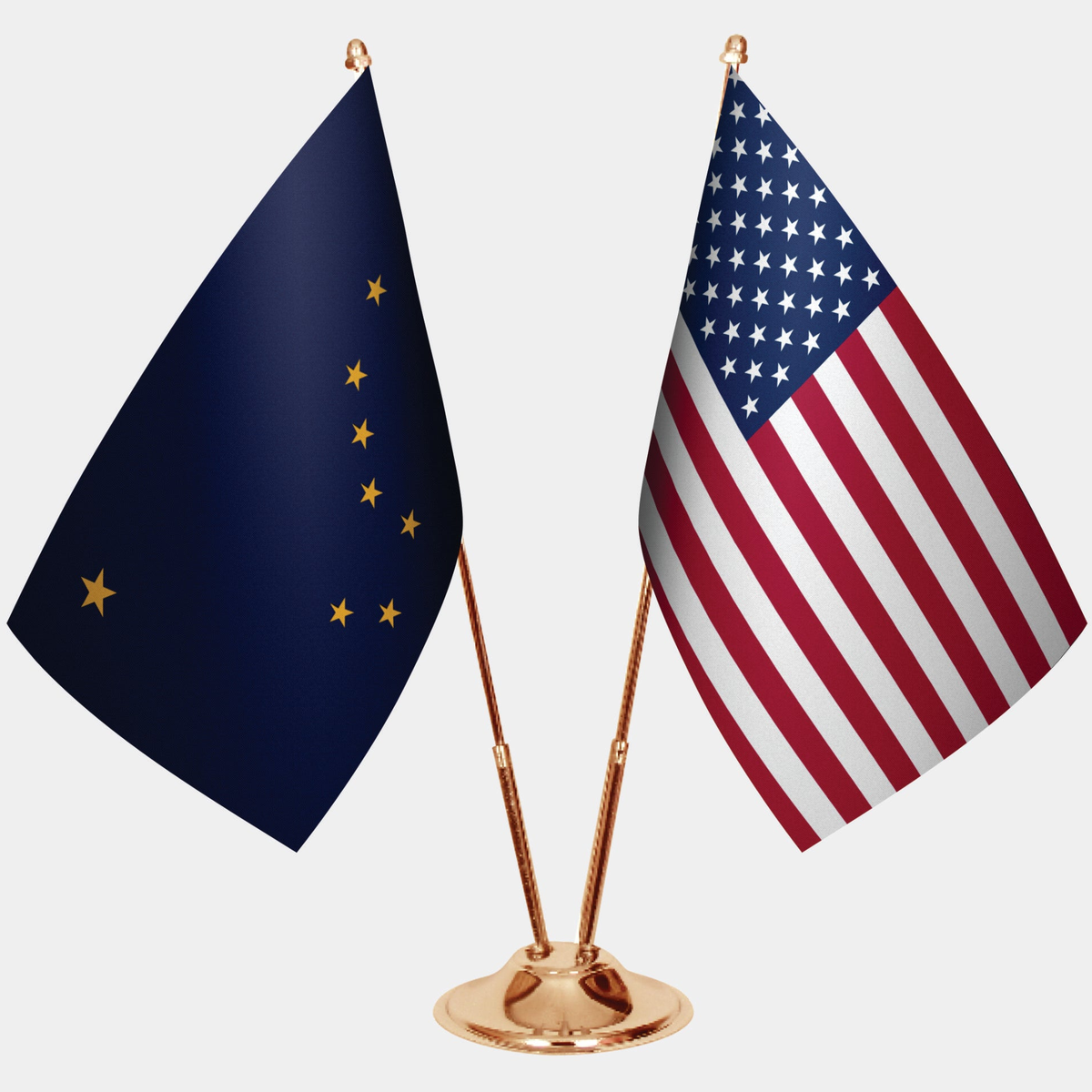
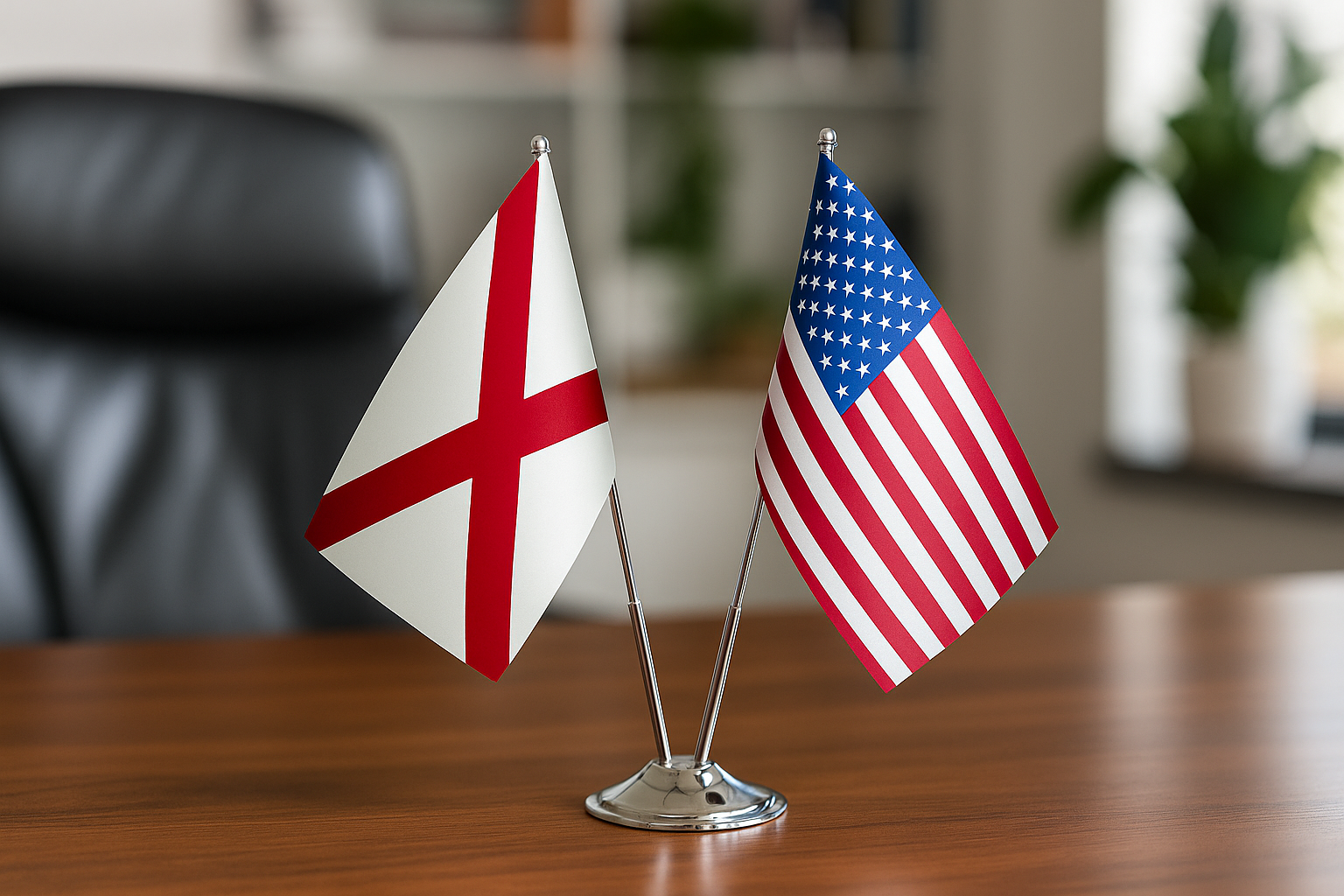
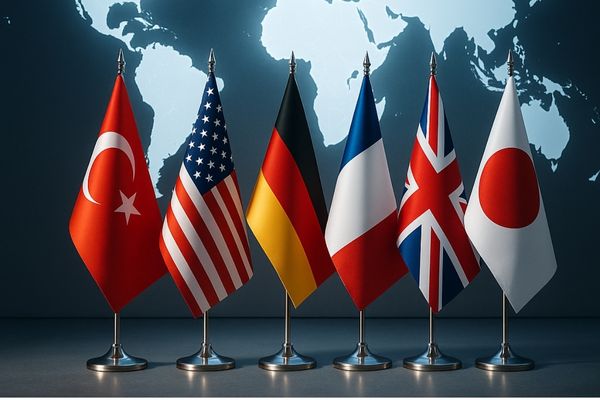
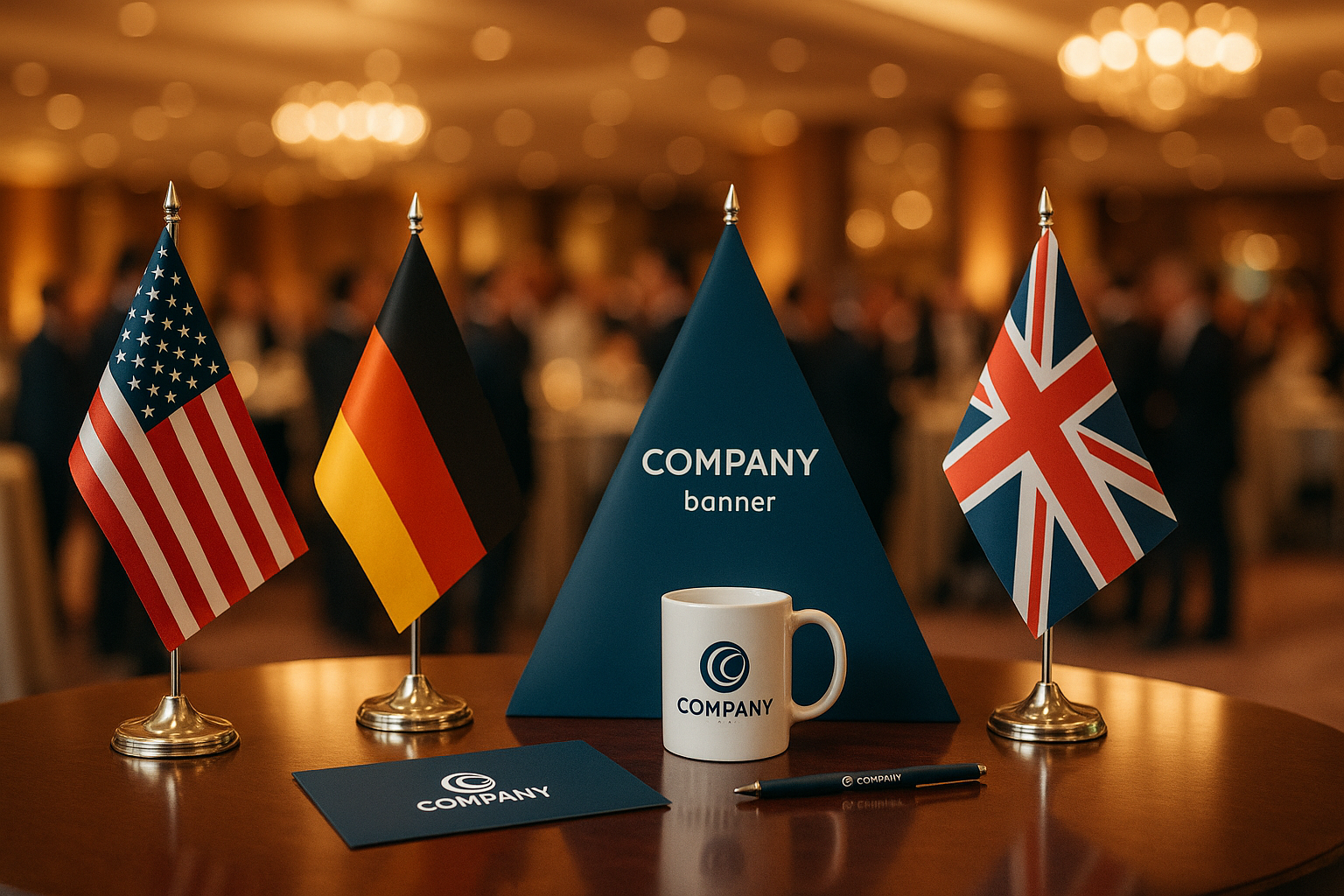

For outdoor use, vinyl banners are the better default choice for most applications — they're waterproof, lower in cost, and built to withstand sun and rain without special treatment. Fabric banners earn their place outdoors when wind resistance, premium aesthetics, or pole-mounted displays are the priority. Choosing between the two comes down to your specific environment, display duration, and budget, and the full range of options is available in the Banners & Posters collection.
Which Material Suits Which Buyer Right Away
Vinyl is the right call for buyers who need a durable, budget-friendly banner that handles rain and direct sun without any special care. Fabric is the right call for buyers who need a lightweight, wind-friendly, or visually refined banner — especially on pole systems or in locations where a rigid vinyl sheet would act like a sail in high wind. Both materials can carry custom graphics at high resolution, so the decision is nearly always driven by environment and mounting style, not print quality.
A few quick signals: if your banner will hang flat against a wall or fence and stay up for weeks at a time, vinyl is hard to beat. If your banner will hang vertically from a pole, billow in an open plaza, or be moved frequently between events, fabric almost always performs better. Budget-sensitive buyers ordering one-time banners for a short outdoor event will almost always get better value from vinyl. Organizations that invest in reusable, repositioned displays — storefronts, municipal pole programs, recurring trade shows — will find fabric's longevity and packability pay back the higher upfront cost.
Where Vinyl Banners Genuinely Win Outdoors
 Vinyl's core advantage is its complete waterproofing — a standard 13 oz or 18 oz PVC-coated vinyl banner sheds rain, resists mold, and holds color in UV exposure for anywhere from 6 months to over 2 years depending on finish and location. The material is stiff enough to display cleanly under its own tension without rippling, which makes it ideal for flat-hung applications: fence wraps, building facades, scaffold banners, and outdoor event backdrops. Printing on vinyl is also the most cost-effective option per square foot for large formats, which is why construction sites, real-estate developments, and sports venues almost universally default to it. Grommets — typically spaced every 18–24 in (46–61 cm) along the hem — anchor vinyl banners securely; if you're planning a multi-banner installation, the guide on how far apart grommets should be on a banner gives precise spacing guidance for different wind loads. The main weakness is weight and wind response: a large vinyl banner catches wind like a wall, and in high-wind environments this either tears the banner or pulls out the anchor hardware — both failures that fabric avoids by design.
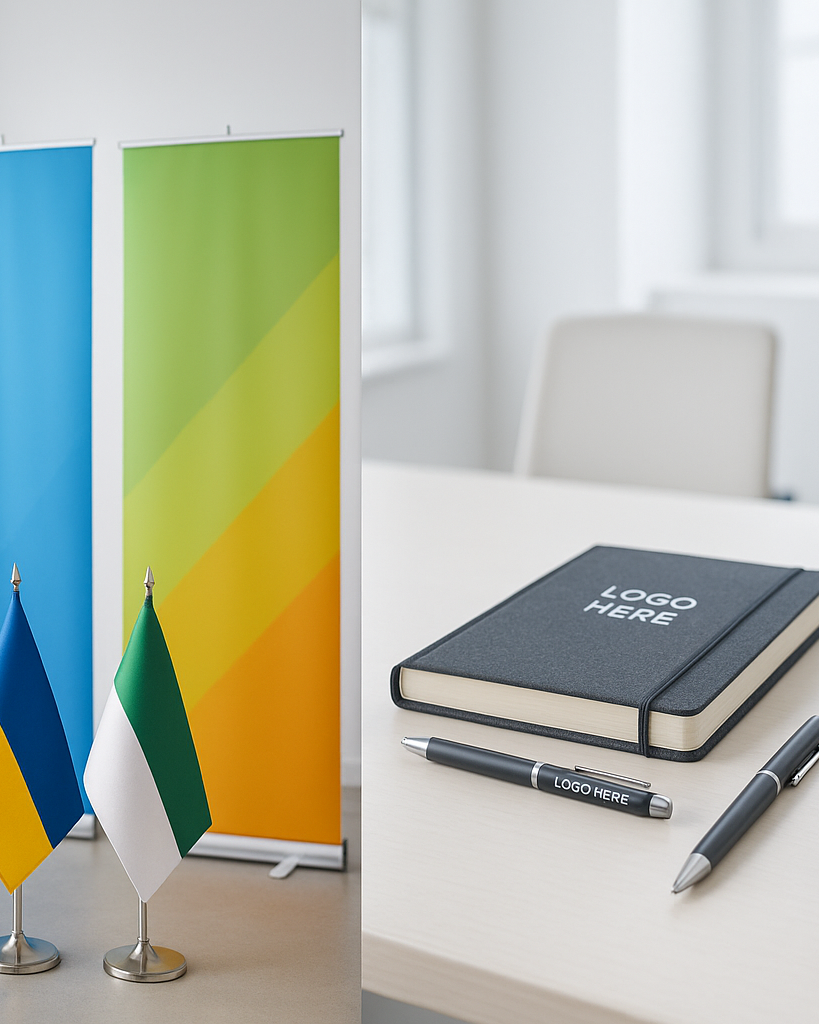
Vinyl also excels in retractable display systems. Products like the Roll-up Print Only banner use premium vinyl or polyester material that coils cleanly into a retractable base — a format that's inherently suited to vinyl's semi-rigid structure. When combined with a Portable Roll-up Banner Stand, this setup travels flat, sets up in seconds without tools, and is used across trade shows, conferences, and commercial promotions. The trade-off is that retractable vinyl banners are optimized for sheltered or semi-outdoor spaces rather than sustained open-air exposure.
Where Fabric Banners Have the Real Edge
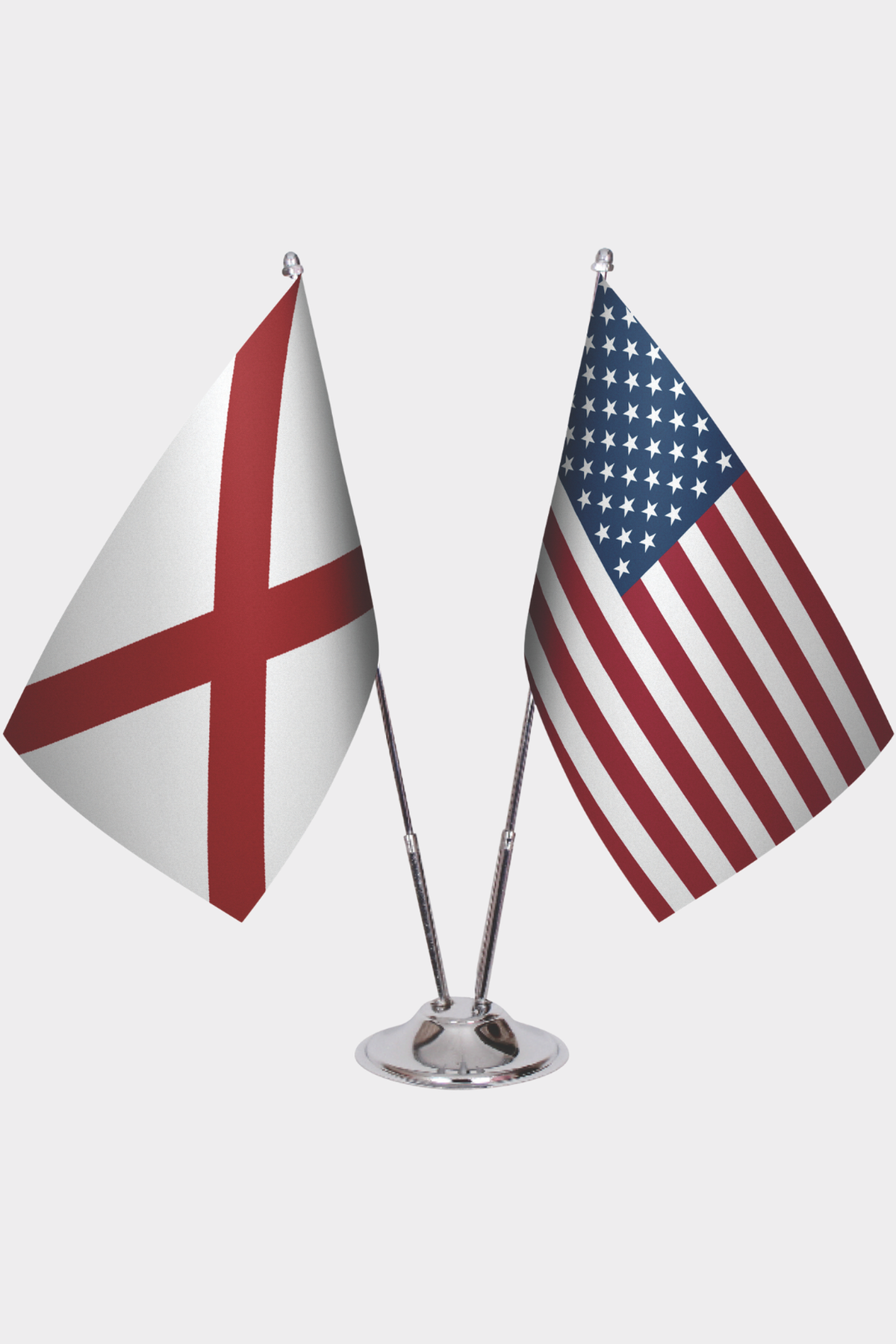
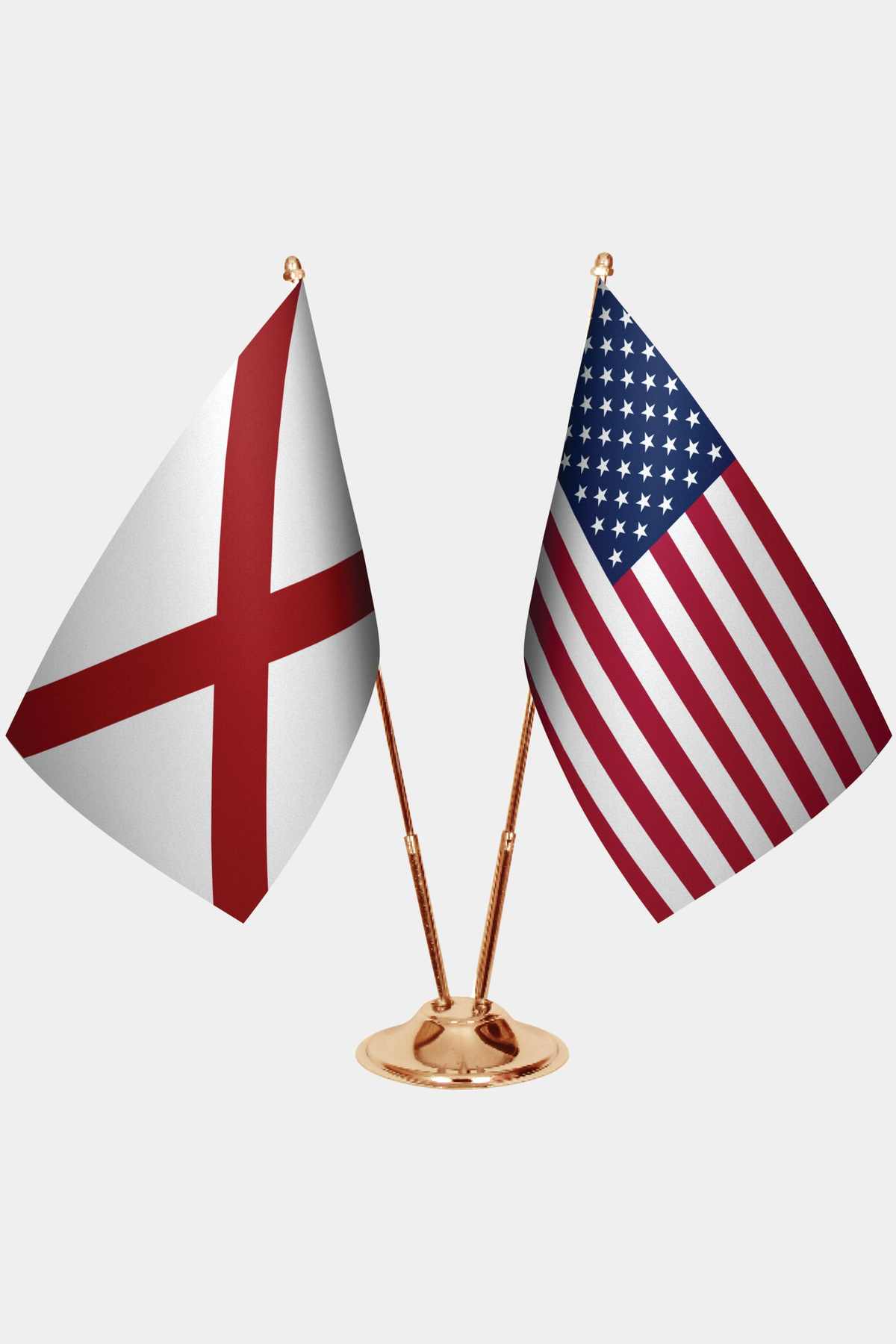
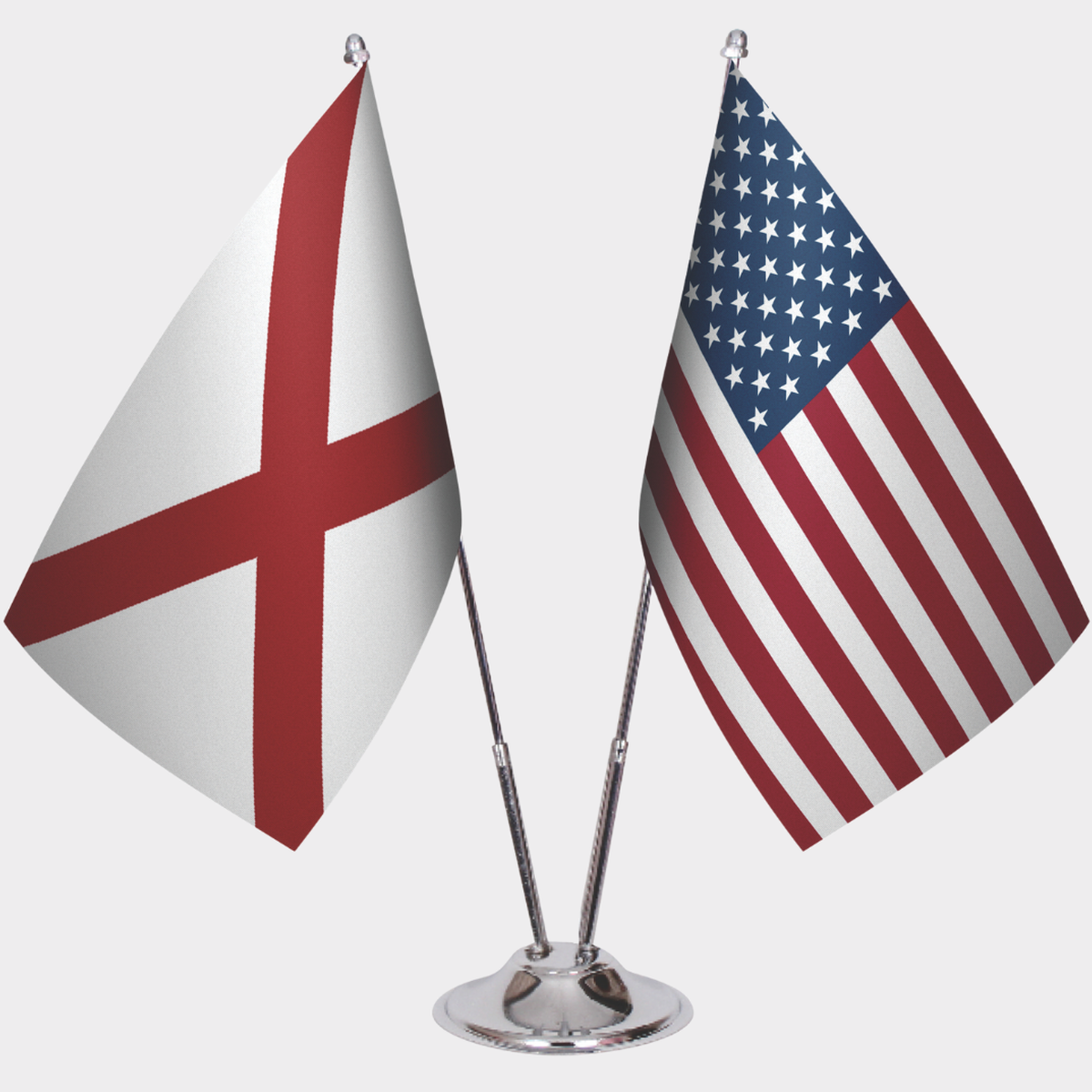
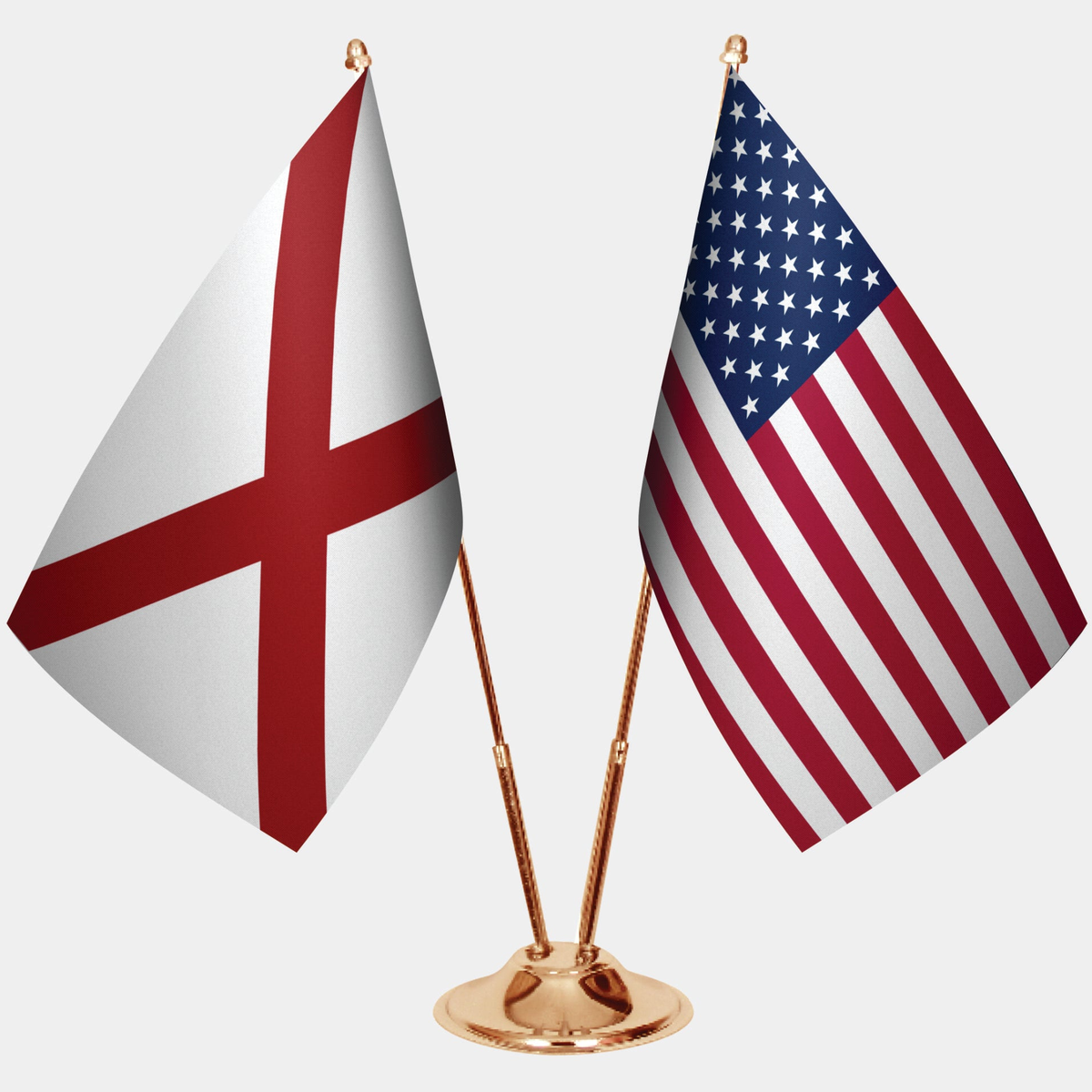
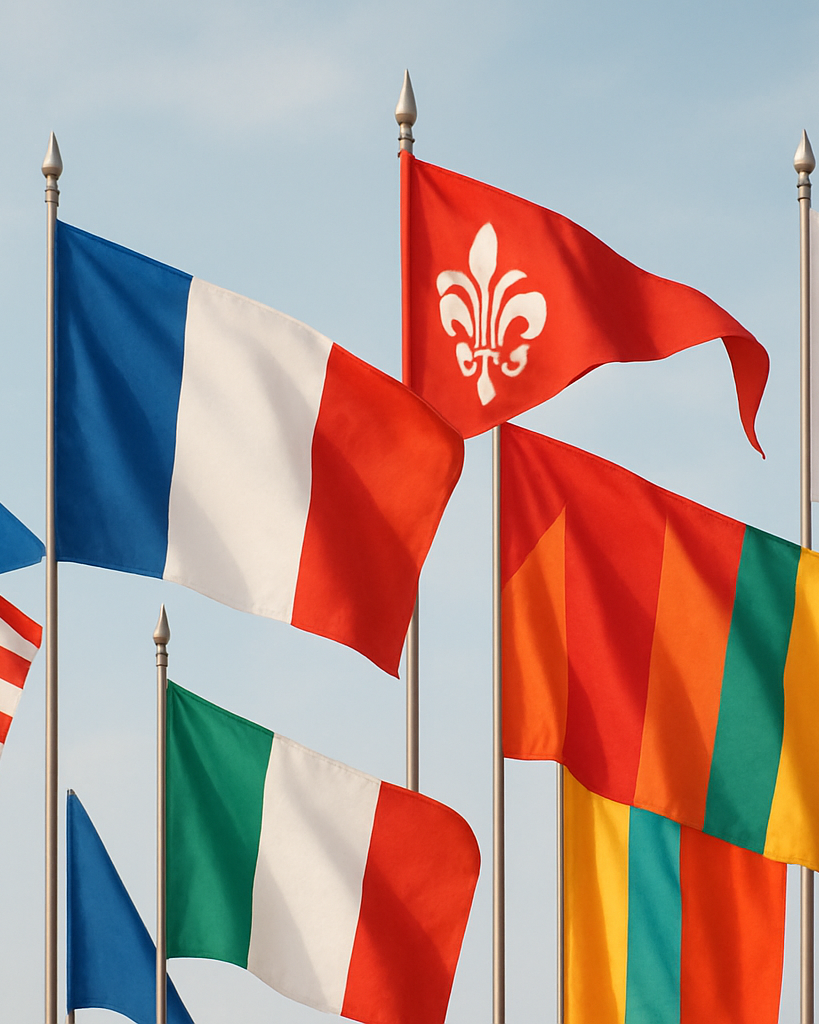
 Fabric banners built from woven or knitted polyester breathe rather than block wind, which is the single most important advantage in any open outdoor environment. A banner made from 110g Raschel knitted polyester — like the USA Flag Party Banner in 33ft Raschel Fabric — allows air to pass through the weave, dramatically reducing the load on poles, ropes, and attachment hardware. This same characteristic makes fabric the standard material for pole banners on streetlights, flagpoles, and municipal display systems, where a solid panel would create dangerous leverage at the pole mount. Fabric also weighs significantly less per square foot than vinyl, so it packs into a fraction of the space, ships at lower cost, and can be machine-washed between deployments — none of which apply to rigid vinyl. The visual quality of dye-sublimation on fabric has improved to the point where color saturation rivals UV-printed vinyl; if you want to understand exactly how those two print processes compare for outdoor graphics, the article on dye sublimation vs. UV printing for custom banners breaks down the differences in detail.
The honest weaknesses of fabric outdoors are water retention and relative fragility at the surface. Untreated polyester fabric absorbs moisture and takes longer to dry than vinyl, which can contribute to mildew in persistently damp climates if banners are stored wet. Fabric is also more susceptible to snagging on rough surfaces during installation. These are manageable limitations — many outdoor fabric banners are now treated with water-repellent coatings — but they are real factors worth weighing against vinyl's no-care-needed waterproofing.
Choosing by Actual Use Case — Outdoor, High Wind, or Ceremonial
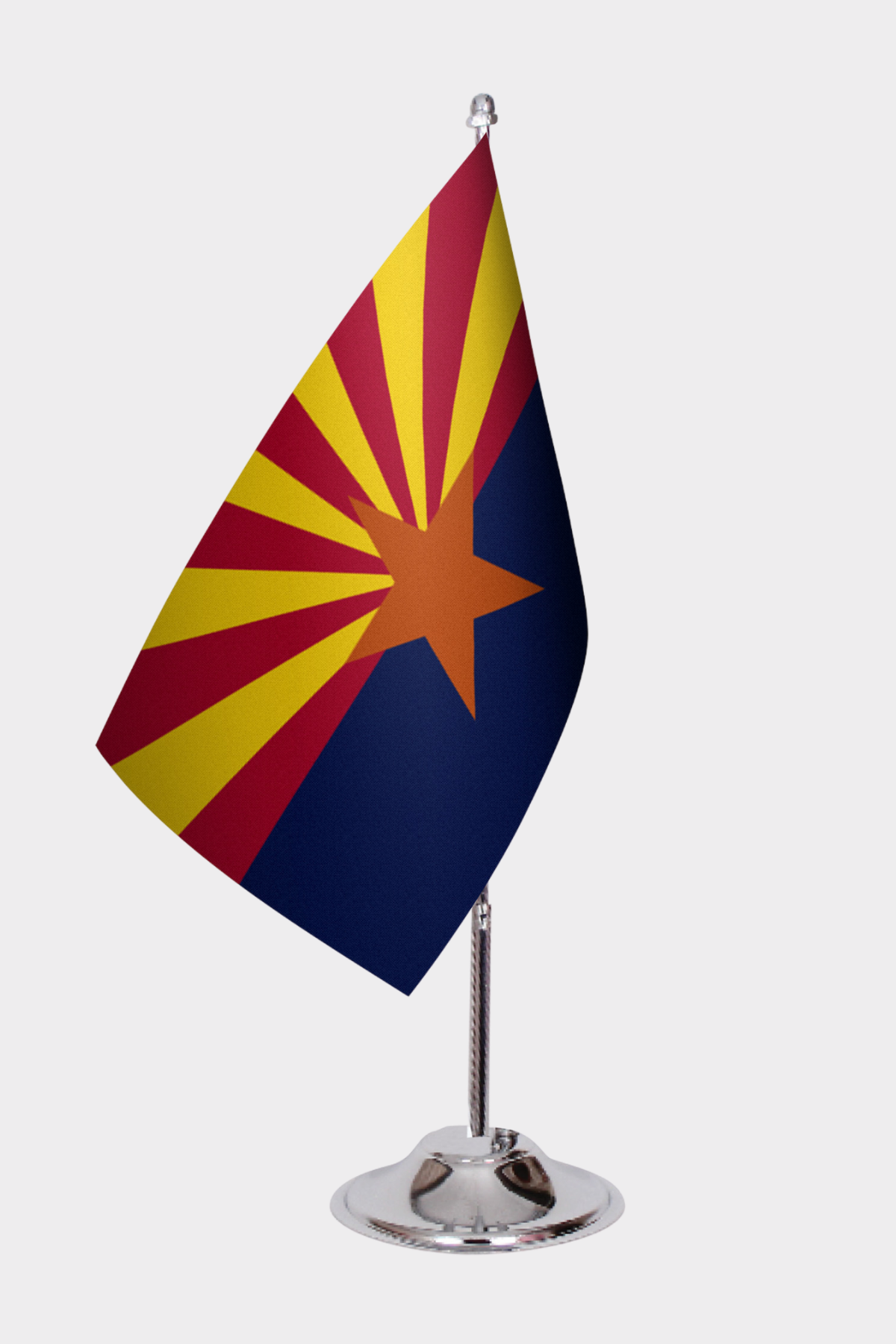
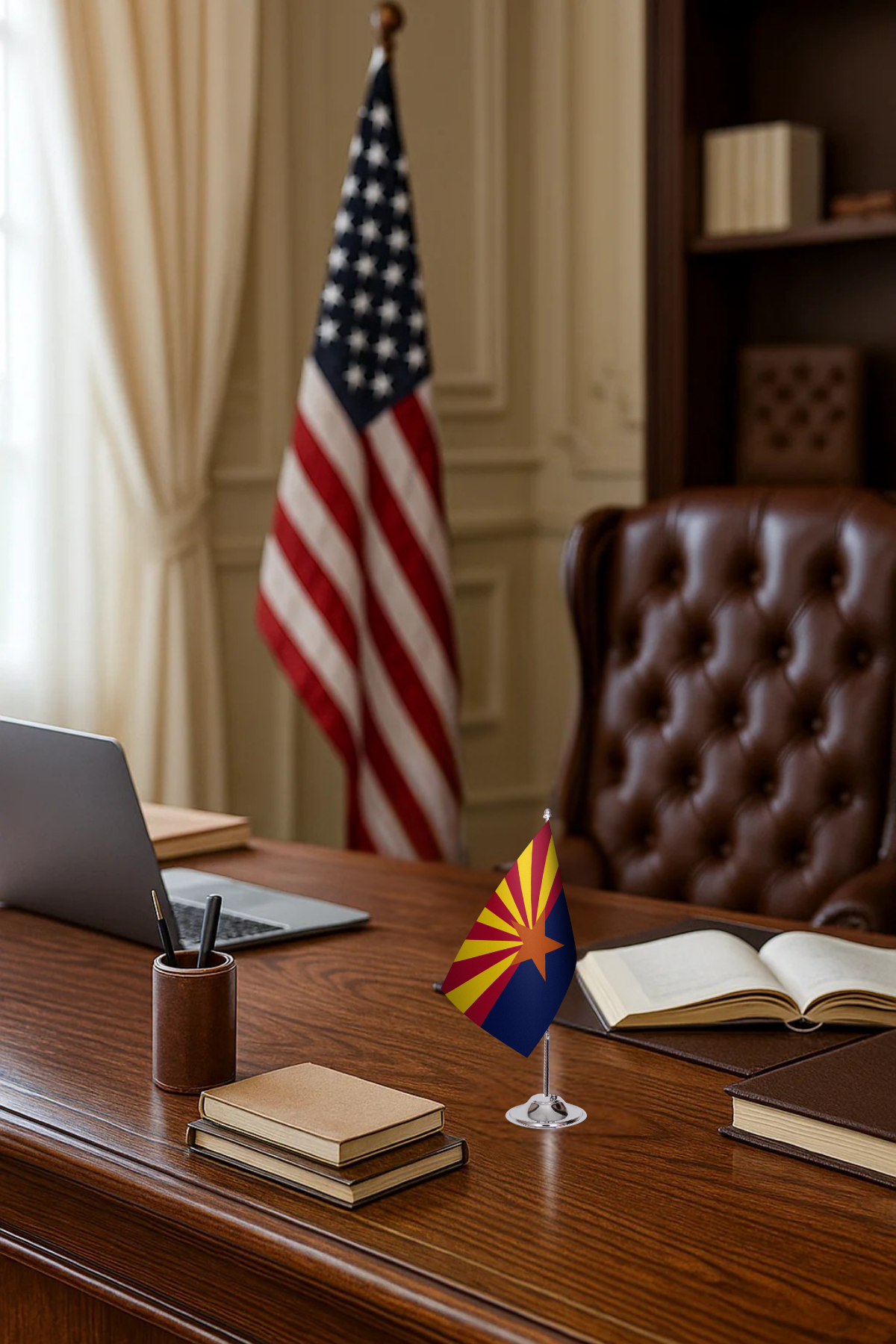
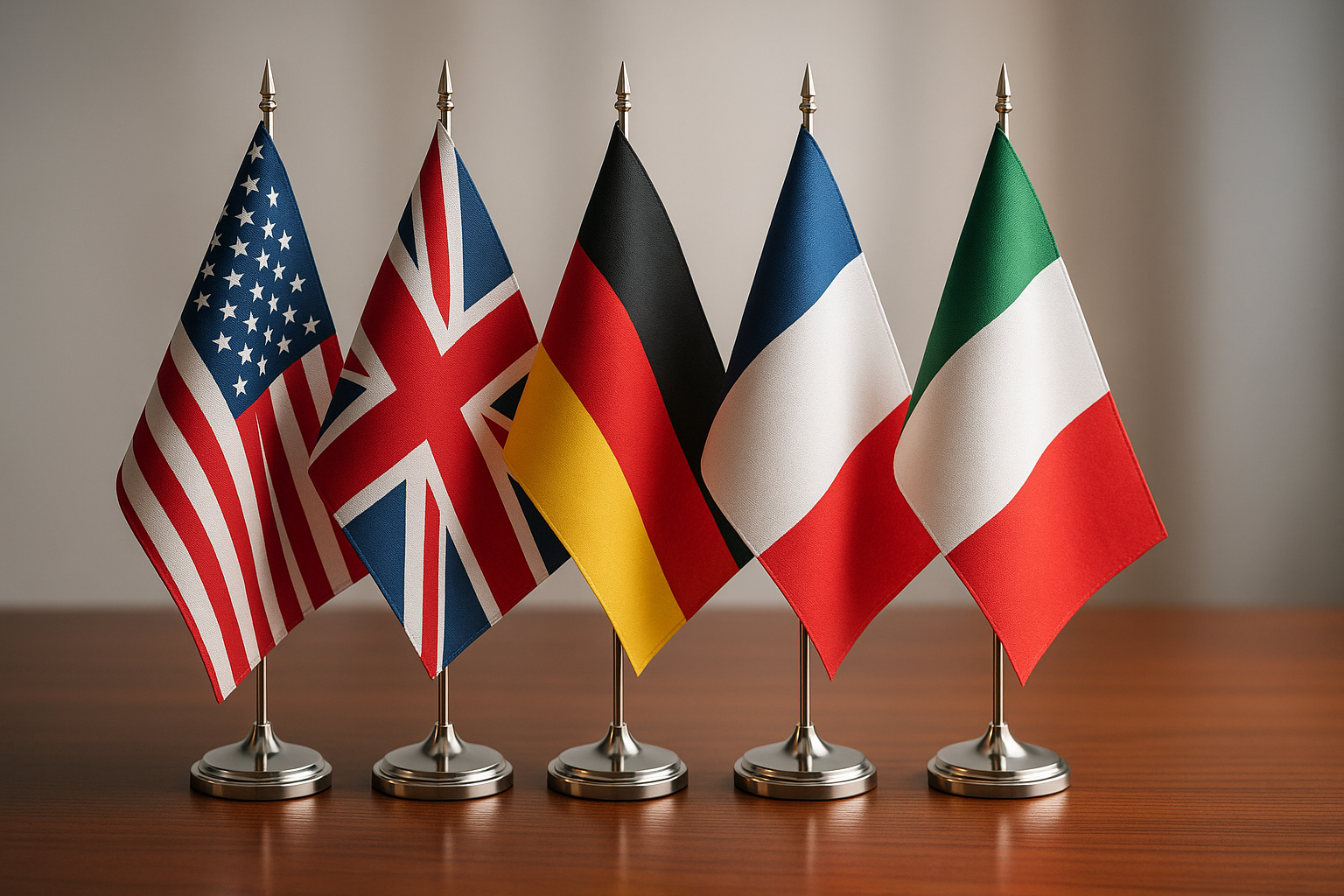
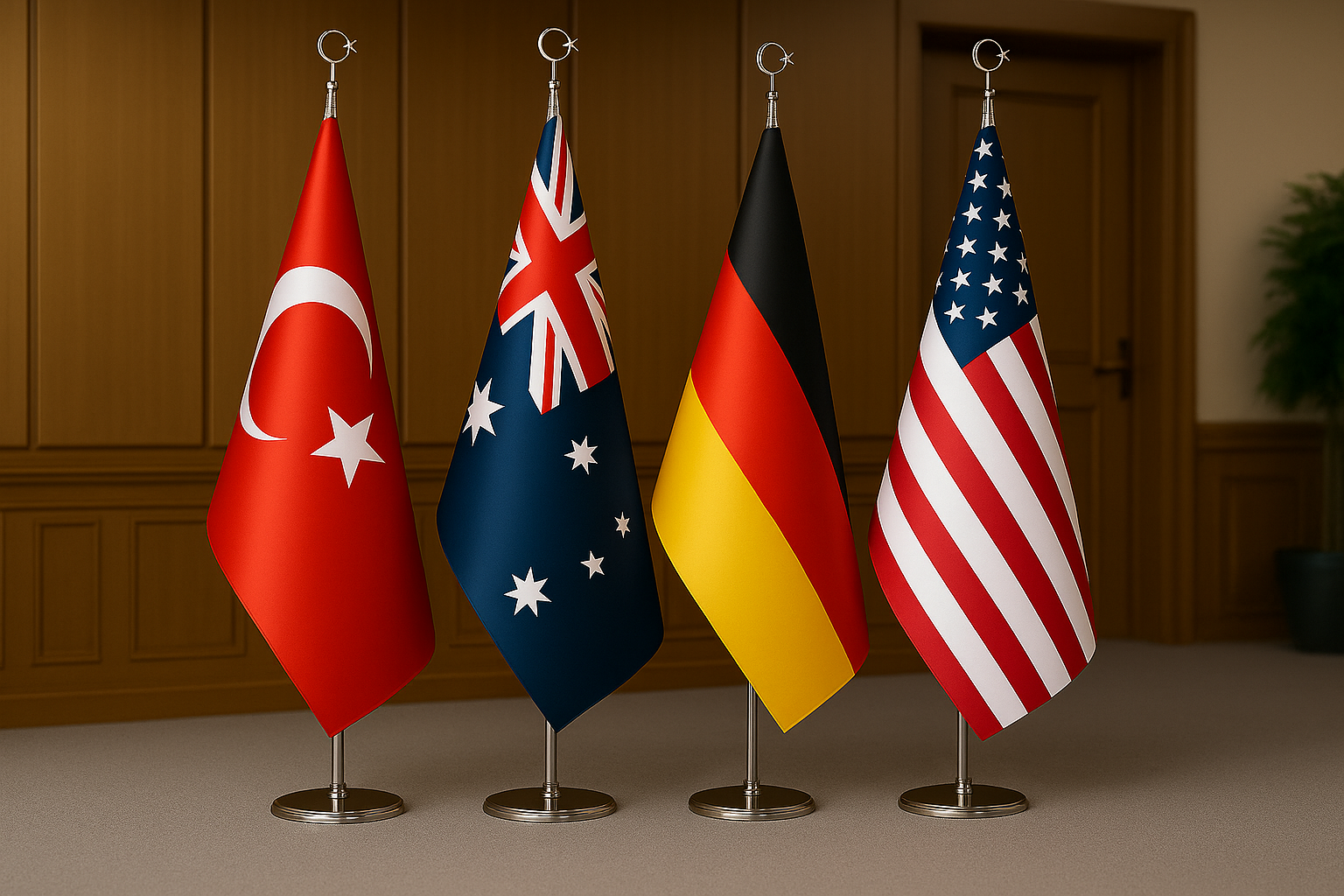
Your specific application should be the deciding factor, and most use cases fall cleanly into one category or the other. For flat, anchored, short-term outdoor displays — grand openings, road-side advertising, event perimeters, parking lot sales — vinyl wins on cost and durability. For pole-mounted, wind-exposed, or frequently repositioned applications, fabric is the technically correct choice. Ceremonial and civic displays almost always use fabric because the visual softness and movement of woven polyester reads as dignified rather than commercial.
- Fence and wall banners (semi-permanent): 13–18 oz vinyl with reinforced grommets. Lifespan 12–24 months outdoor.
- Street pole banners and flagpole displays: Knitted or woven polyester fabric, breathable weave, sleeve or clip attachment. Lifespan 6–18 months depending on UV and wind exposure.
- Trade show and event (outdoor pavilion): Retractable vinyl print or fabric tension display depending on whether the setup is sheltered or fully exposed to weather.
- Civic and ceremonial outdoor banners: Woven polyester fabric — allows respectful, flag-like movement and conforms to the aesthetic expectations of government, military, and institutional settings.
- Customized banners for recurring reuse: Fabric; washable, lightweight, packable, and color-stable over multiple seasons when stored correctly.
For sizing guidance once you've settled on material, the published article on standard banner sizes for indoor events covers proportions and pole-height ratios that transfer directly to outdoor pole systems.
Banners & Accessories
Complete your outdoor banner setup with the hardware, stands, and mounting accessories that match your chosen material and display environment.
Browse Collection →How Long Each Material Actually Lasts and What It Really Costs
Vinyl is cheaper upfront and fabric is cheaper over time — that one sentence captures the cost comparison for most buyers. A standard outdoor vinyl banner runs lower per square foot than an equivalent fabric banner at single-unit quantities, but vinyl degrades and typically needs replacement after 1–2 years of outdoor exposure. Fabric banners, when properly stored between uses, can last 3–5 seasons — sometimes longer — making the total cost per use meaningfully lower for any recurring display program.
Here is a practical comparison of the two materials over a 3-year outdoor display program:
- Vinyl (3-year horizon): Low initial unit cost, likely 1–2 replacements due to UV degradation and wind damage, moderate shipping cost due to weight, no cleaning value between uses. Total cost is moderate but rising.
- Fabric (3-year horizon): Higher initial unit cost, typically no replacement needed if stored correctly, low shipping due to light weight and compact pack size, washable between deployments. Total cost stabilizes or drops below vinyl after year two.
- Wind damage risk: Vinyl tears or pulls grommets in sustained winds above approximately 30–40 mph (48–64 km/h) unless specifically over-engineered. Fabric breathes through the same wind load with negligible additional stress.
- Print longevity: UV-printed vinyl holds color 6–24 months outdoor. Dye-sublimated fabric holds color comparably; neither should be assumed colorfast beyond 2 years in direct full-sun exposure without UV-protective coating.
For a detailed breakdown of how material choice moves the price per square foot at different order sizes — including bulk pricing tiers — the article on custom banner prices by size and material provides current reference figures that apply to both vinyl and fabric formats.
The Practical Verdict for Outdoor Buyers
Most outdoor buyers should start with vinyl if the installation is flat, anchored, and temporary, and start with fabric if the banner will hang from a pole, face sustained wind, or be reused across multiple events or seasons. Neither material is universally superior — the right answer depends on your mounting method, wind exposure, display duration, and how much you value packability and reuse. Customized banners in both materials can be produced at high resolution with consistent color, so print quality should not be the deciding factor in your choice.
Explore the full range of vinyl and fabric options in the Banners & Posters collection, find matching hardware and mounting systems in the Banners & Accessories collection, and for trade show or presentation environments consider the Portable Roll-up Banner Stand as a complete, travel-ready solution. Bulk pricing is available for corporate orders — contact us directly for volume quotes on customized banners in any material or format.