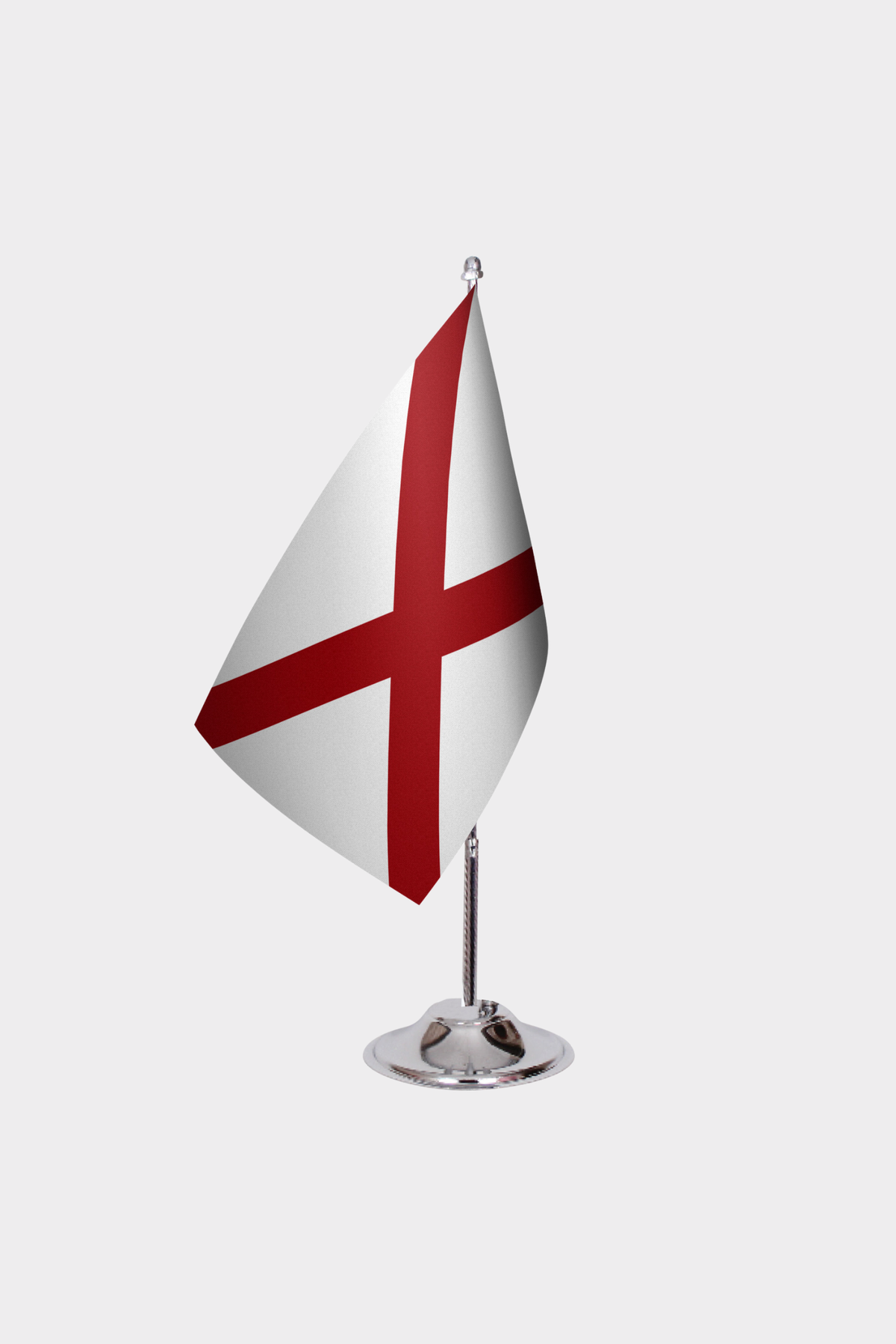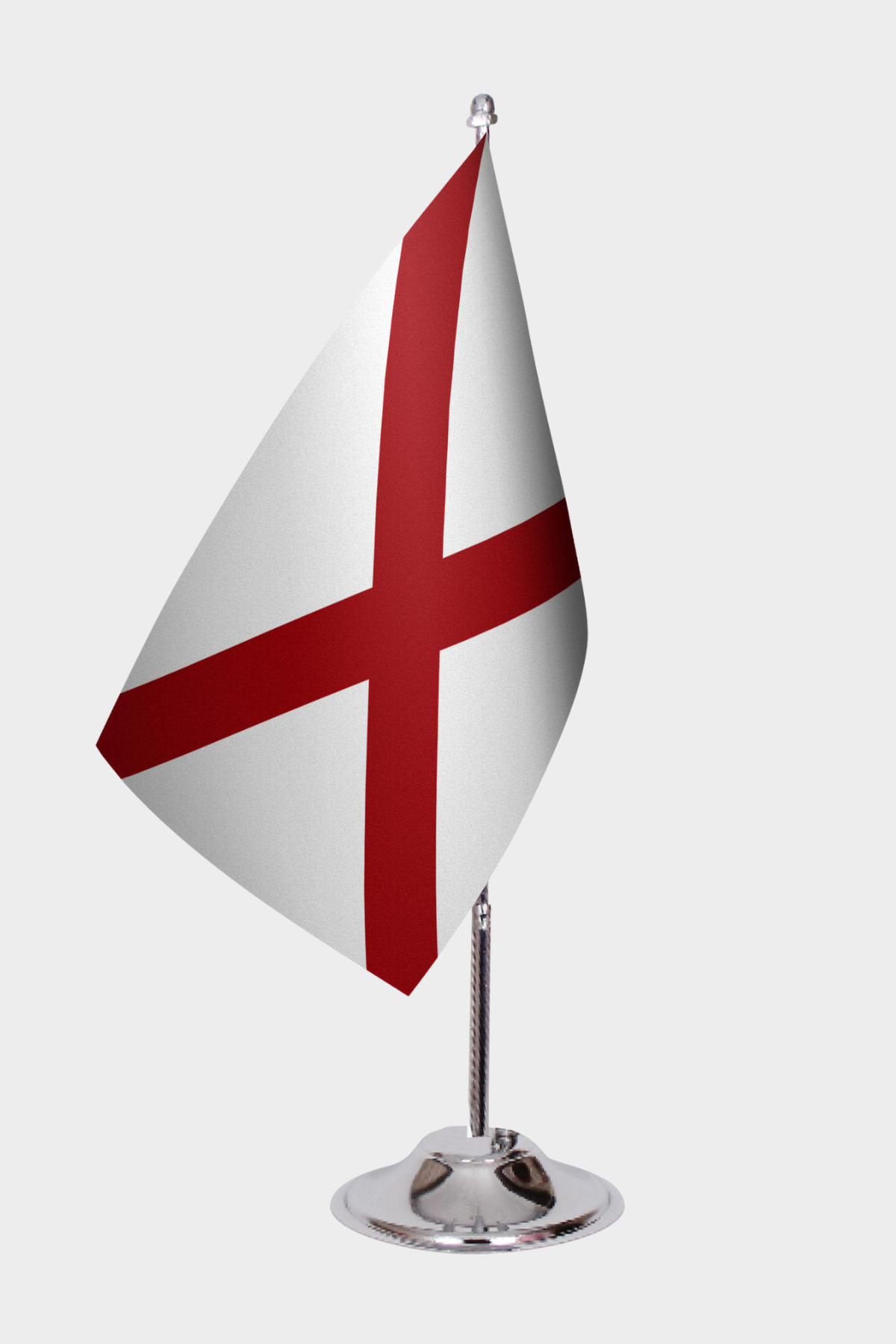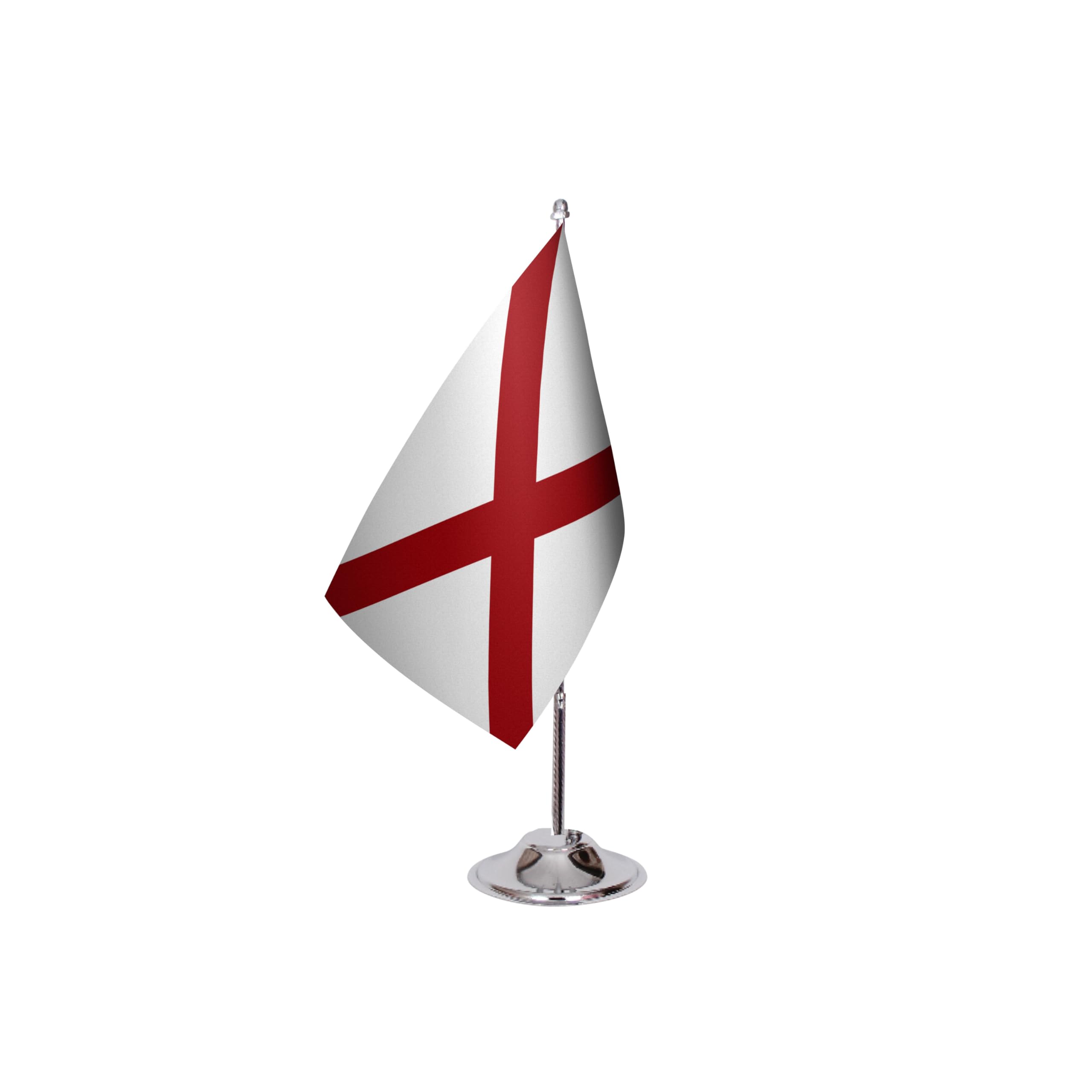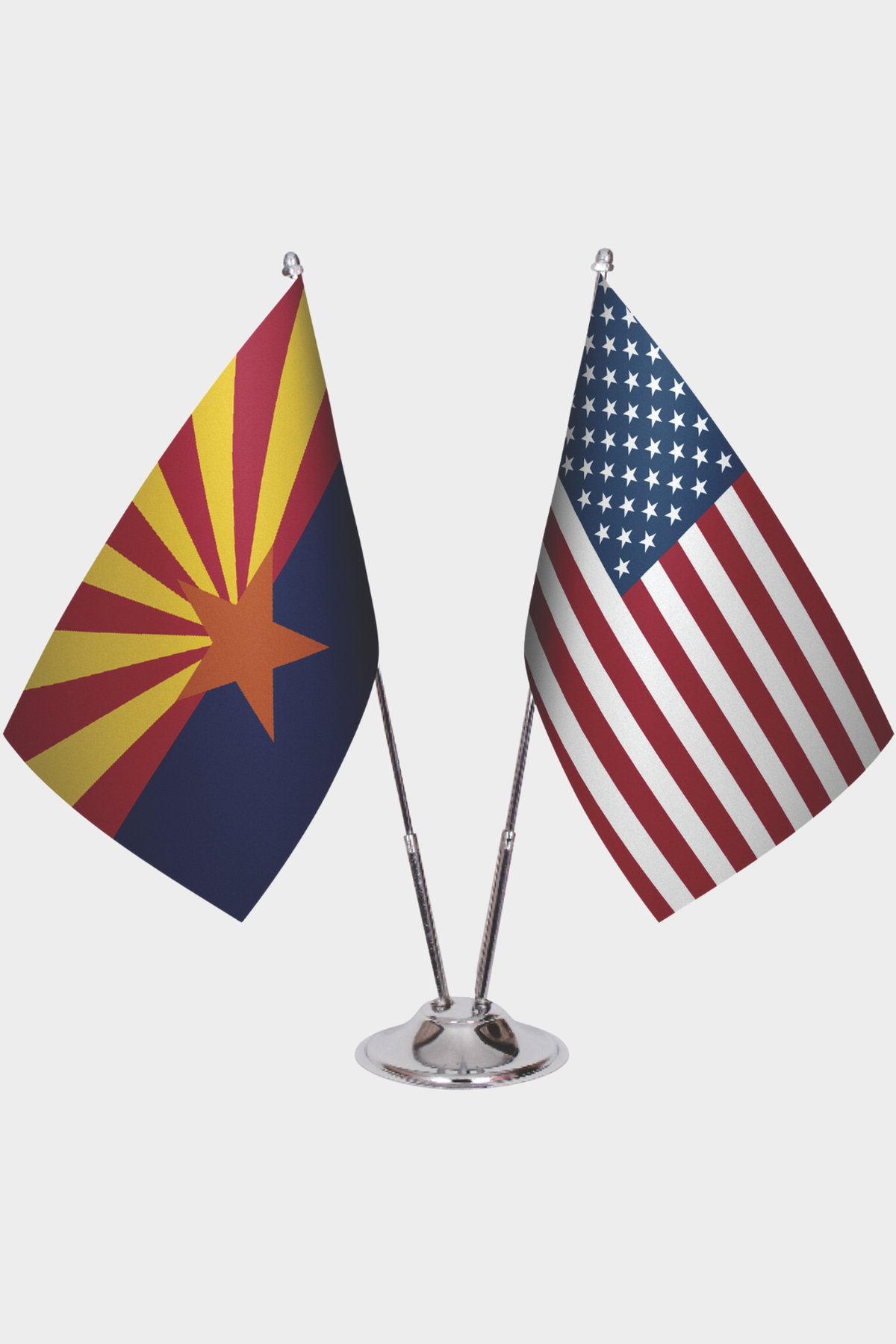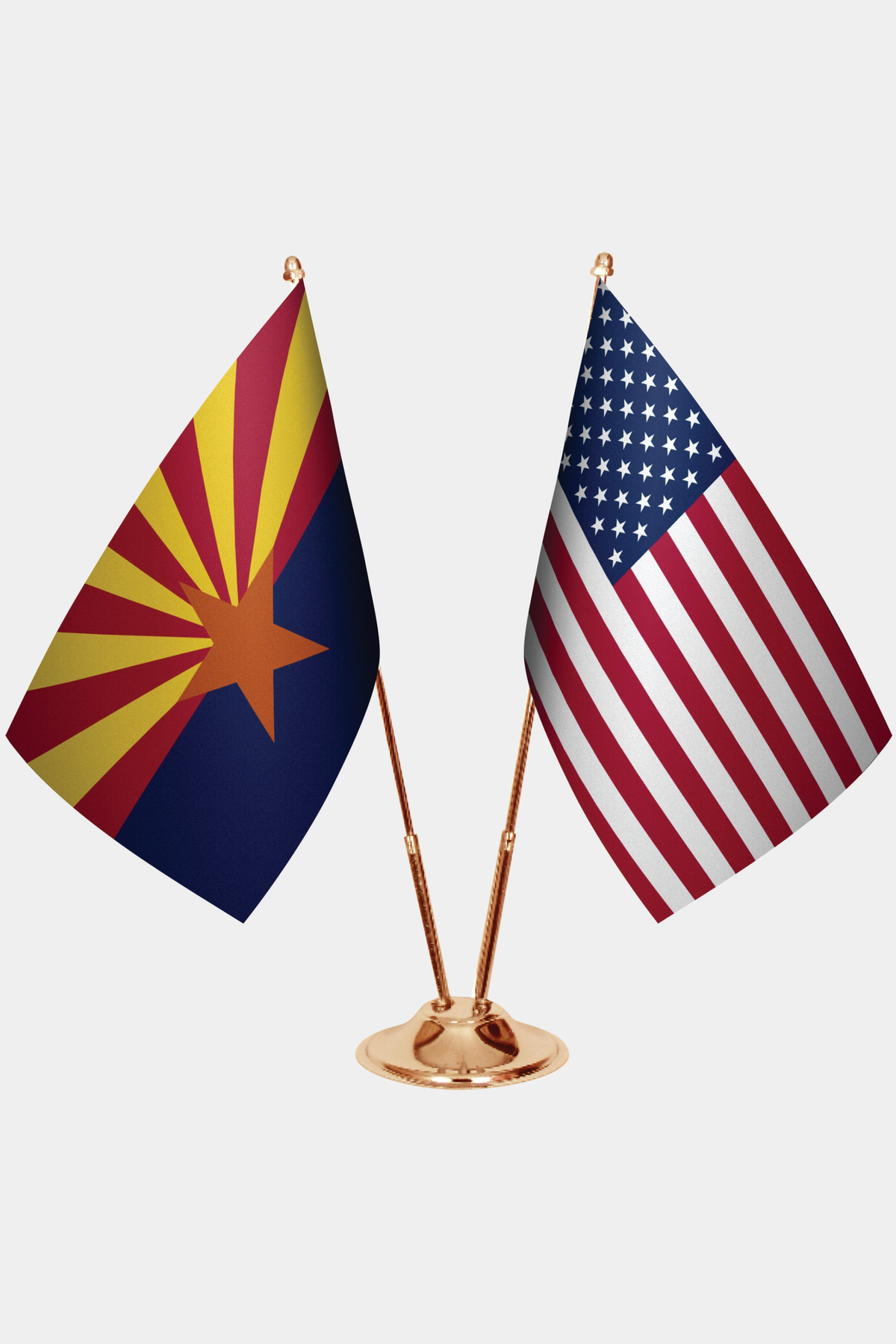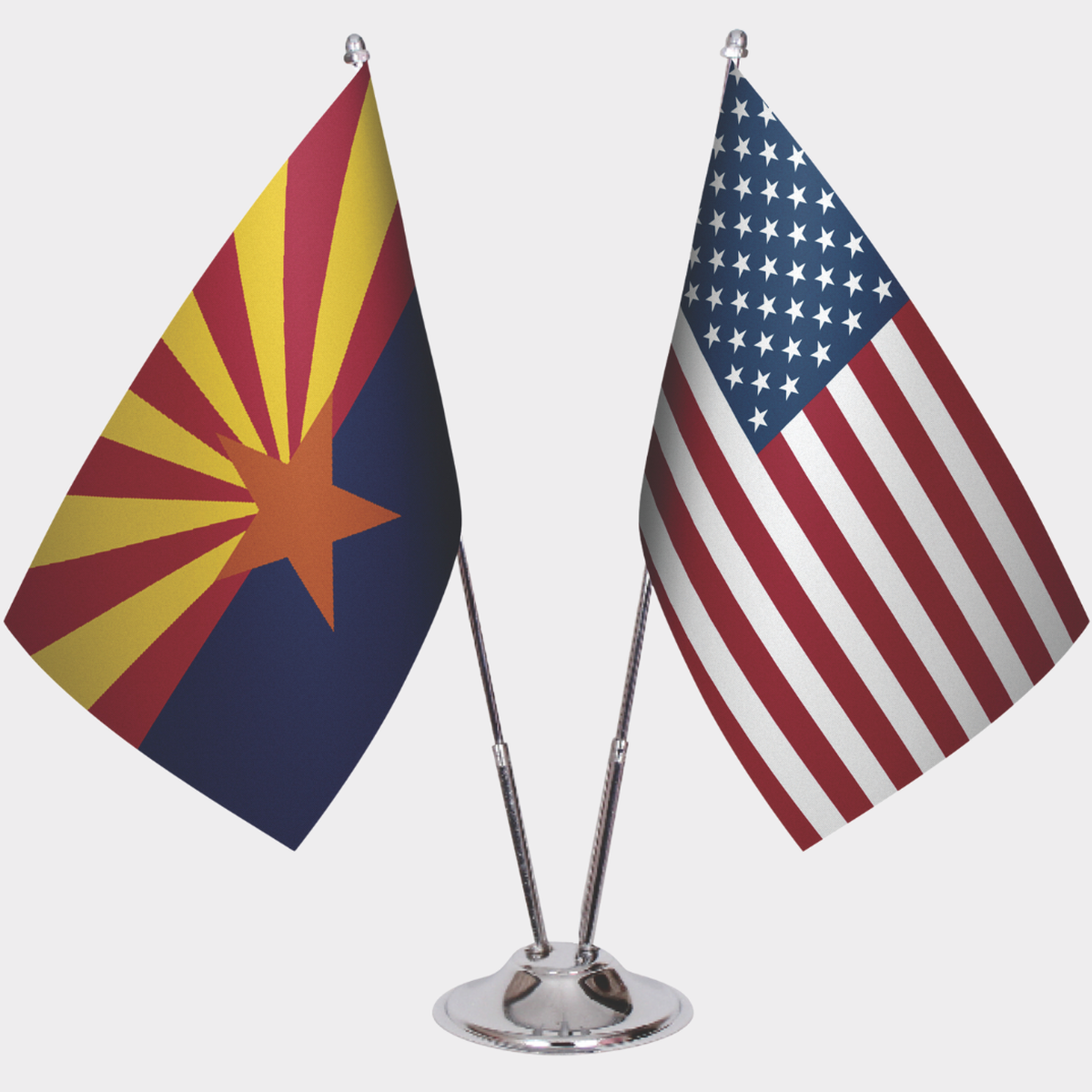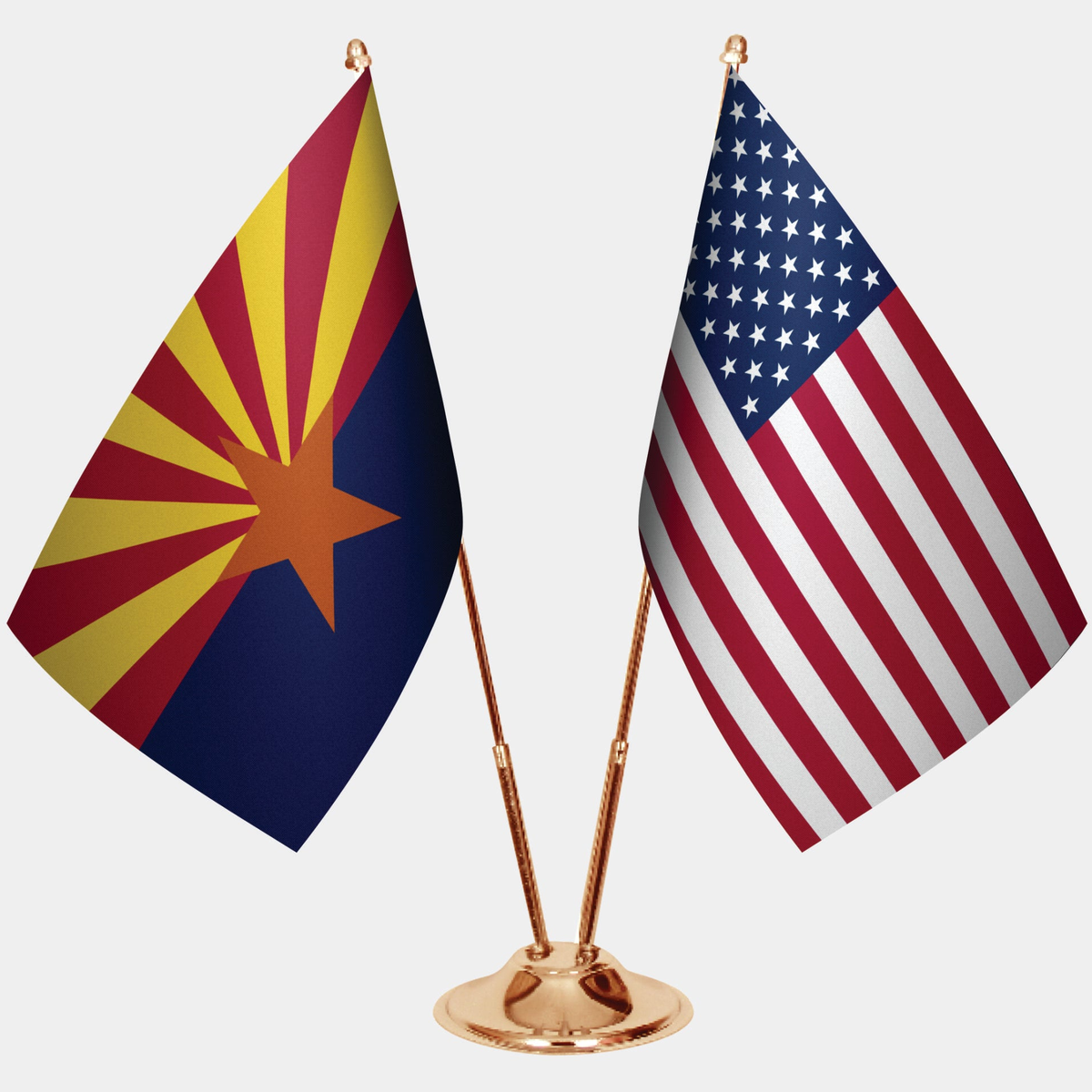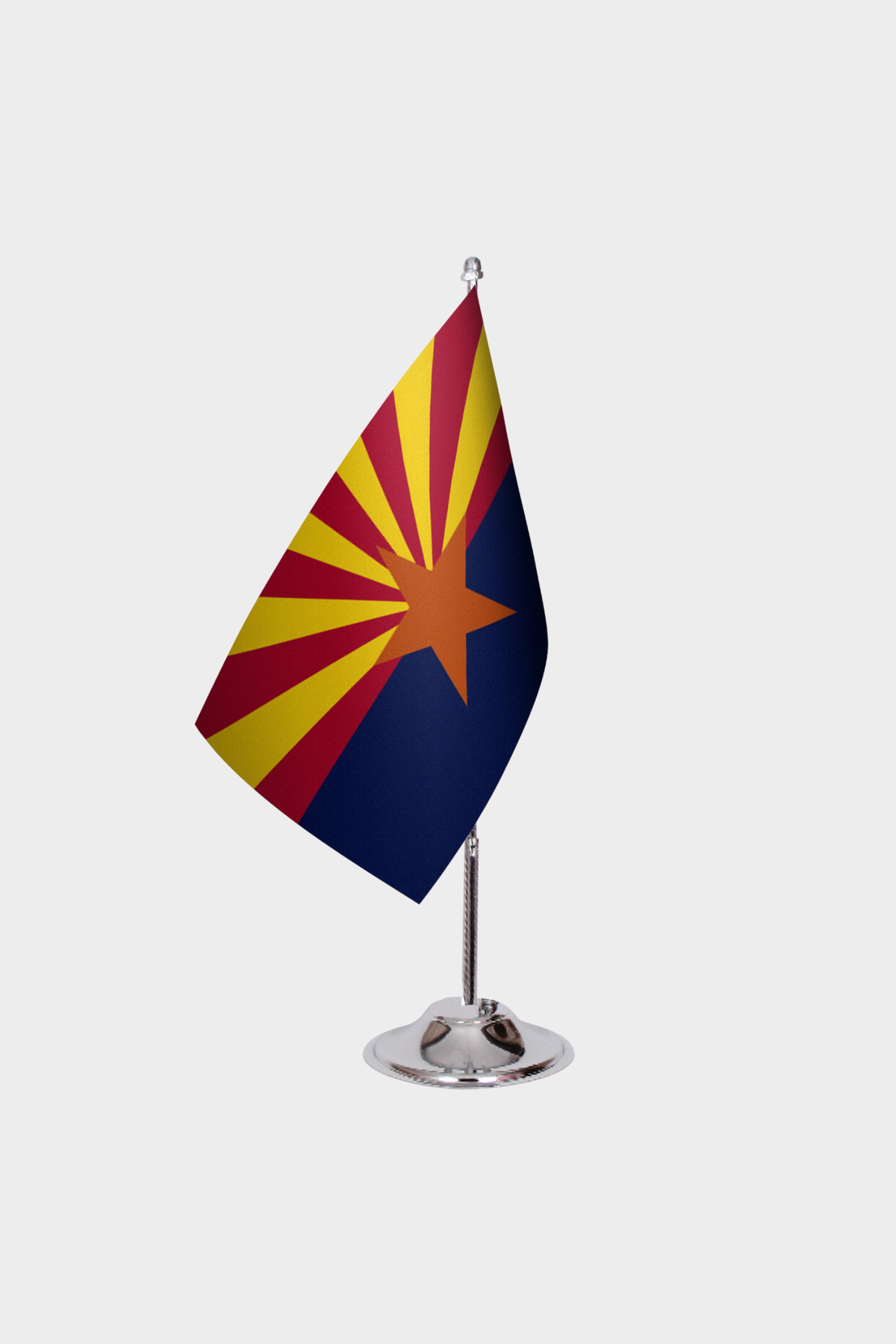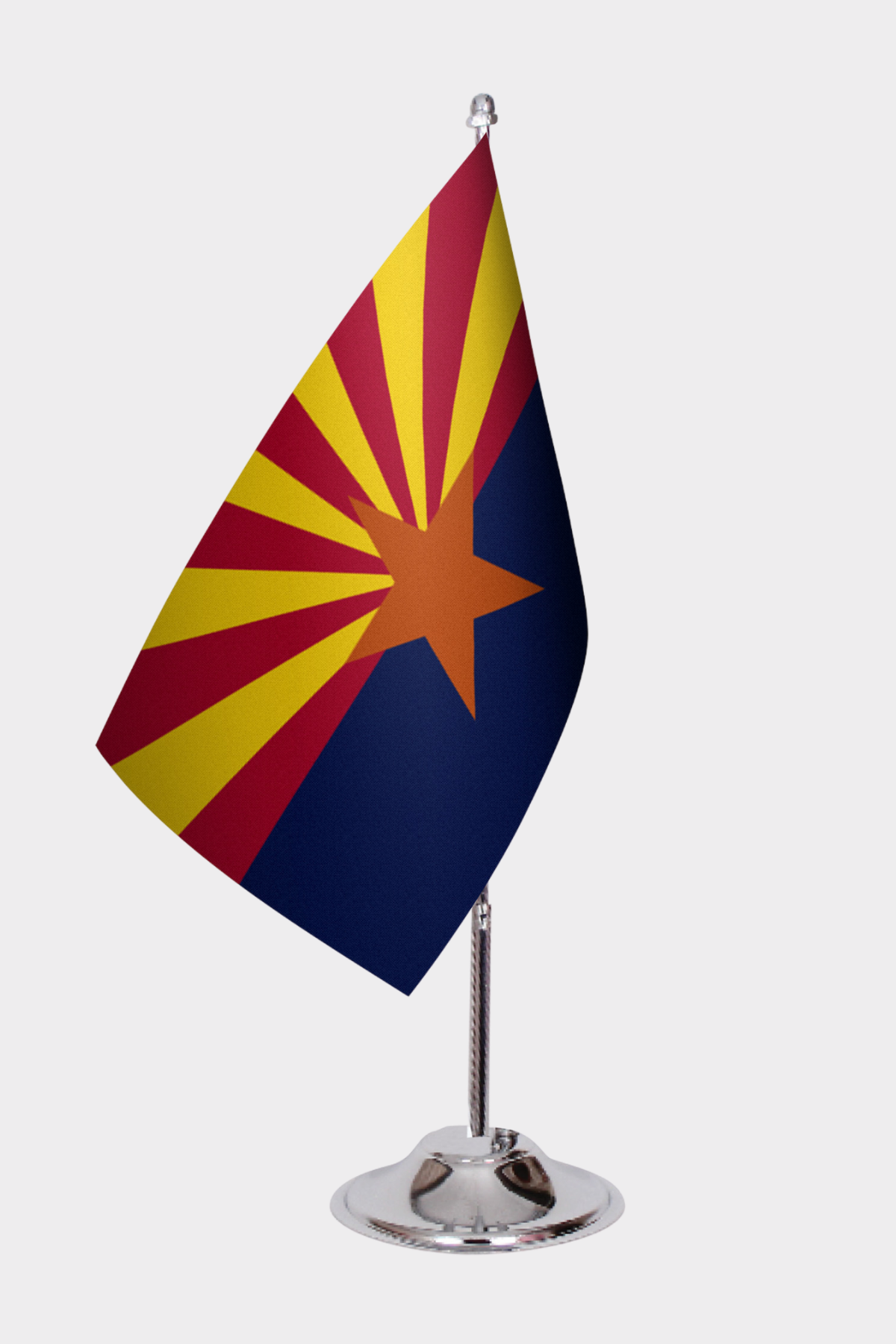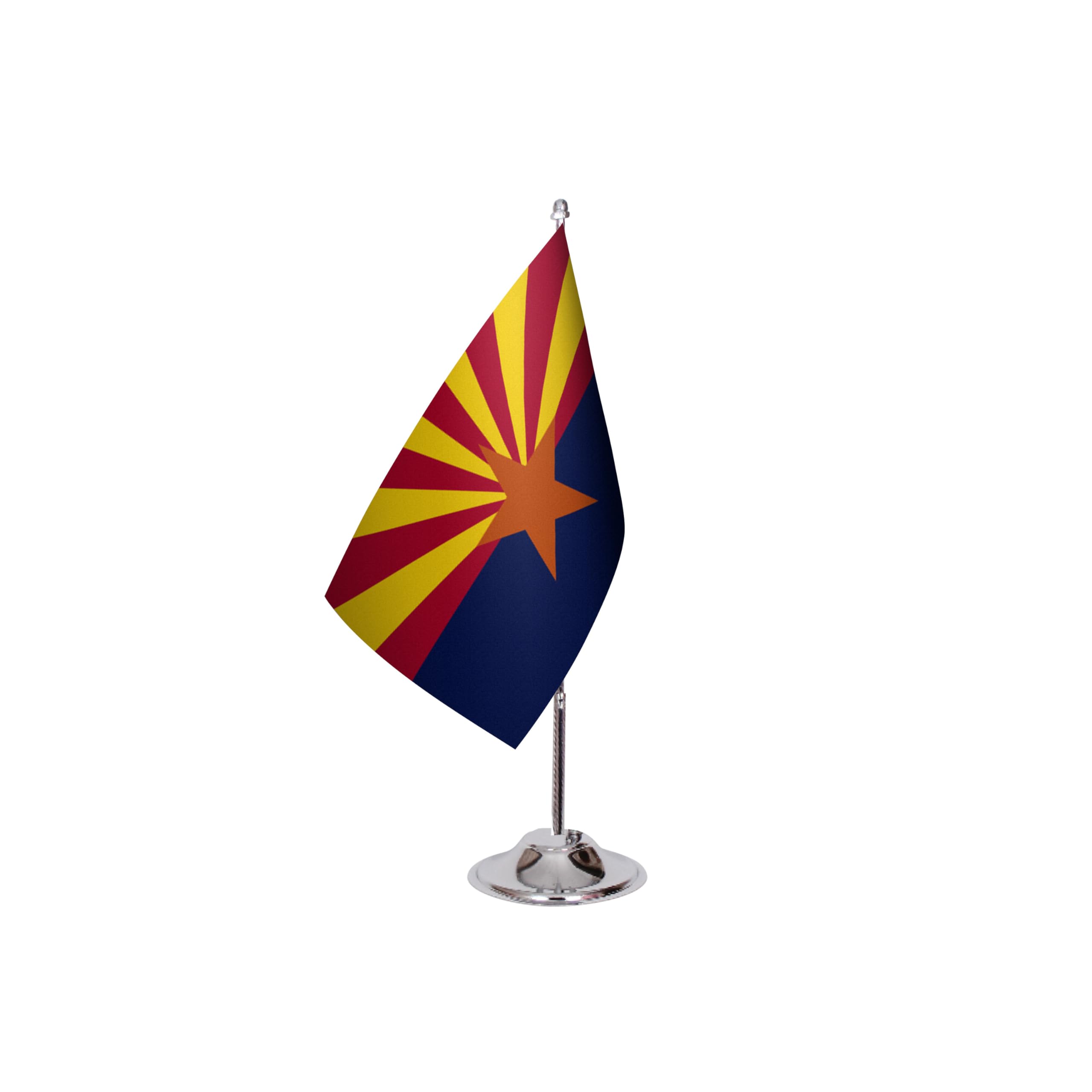






A wall-mounted flagpole set is the most practical and code-compliant way to display a flag from a residential or commercial building exterior — it keeps the flag clear of foot traffic, requires no permanent in-ground installation, and can be installed in under an hour using basic tools. Choosing the right house flagpole set comes down to five factors: bracket angle, pole material, telescoping capability, flag compatibility, and mounting surface. Get those five right and your flag will fly proudly for years; get them wrong and you'll be dealing with a bent pole, a tangled flag, or a bracket that's pulled away from the siding after the first windstorm.
Browse the full wall-mounted telescopic flagpole sets collection from Asya Bayrak to see the full range of sizes, finishes, and national-flag kits available for residential and commercial buyers.
Understanding Bracket Angles: 45°, 60°, and 90° — Which Is Right for You?
For most homes, a 45° bracket angle gives the best flag presentation: the pole extends diagonally outward so the flag hangs fully clear of the wall without the horizontal rigidity that can cause the flag to wrap around the pole in calm conditions. A 90° (horizontal) bracket works well for covered porches and storefronts where vertical clearance is generous, while a 60° bracket is a versatile middle-ground for two-story facades and townhouses.
Bracket angle also interacts with flag size. At 45°, a 3 ft × 5 ft (91 cm × 152 cm) flag on a 6 ft (183 cm) pole will clear most door frames with room to spare. At 90°, you need to verify that the fly end of the flag won't drag against the building's siding or trim — a clearance of at least 12 in (30 cm) between the flag's fly edge and any wall surface is the practical minimum. Some wall-mounted flagpole brackets include an adjustable collar that lets you change the angle after installation, which is particularly useful if you plan to fly different flag sizes through the year. Always check that the bracket's collar lock — whether a set screw, locking pin, or spring-loaded button — is rated for the combined load of the pole, flag, and wind pressure before purchasing.
Pole Material and Finish: Aluminum, Steel, and Fiberglass Compared
Aluminum is the industry standard for residential wall-mounted flagpole hardware because it delivers the best ratio of weight to strength, resists corrosion without painting, and is available in anodized gold, silver, and brushed finishes that match most architectural hardware. Steel poles are heavier and stronger but require a powder-coat or galvanized finish to prevent rust in humid or coastal climates; they're rarely necessary for flags smaller than 4 ft × 6 ft (122 cm × 183 cm). Fiberglass poles are the lightest option, entirely non-conductive (relevant near power lines), and handle flexing in high winds without permanent deformation.
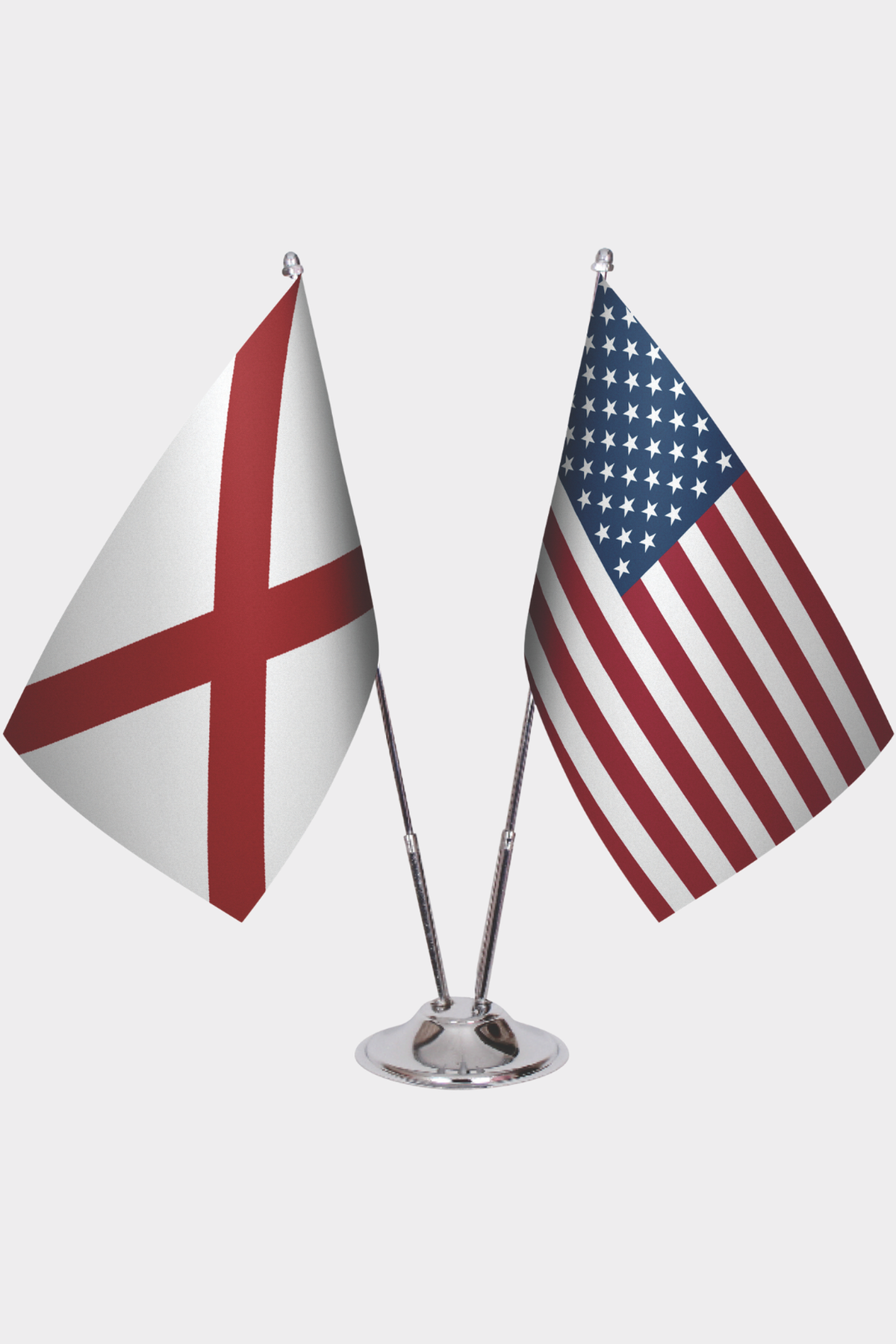
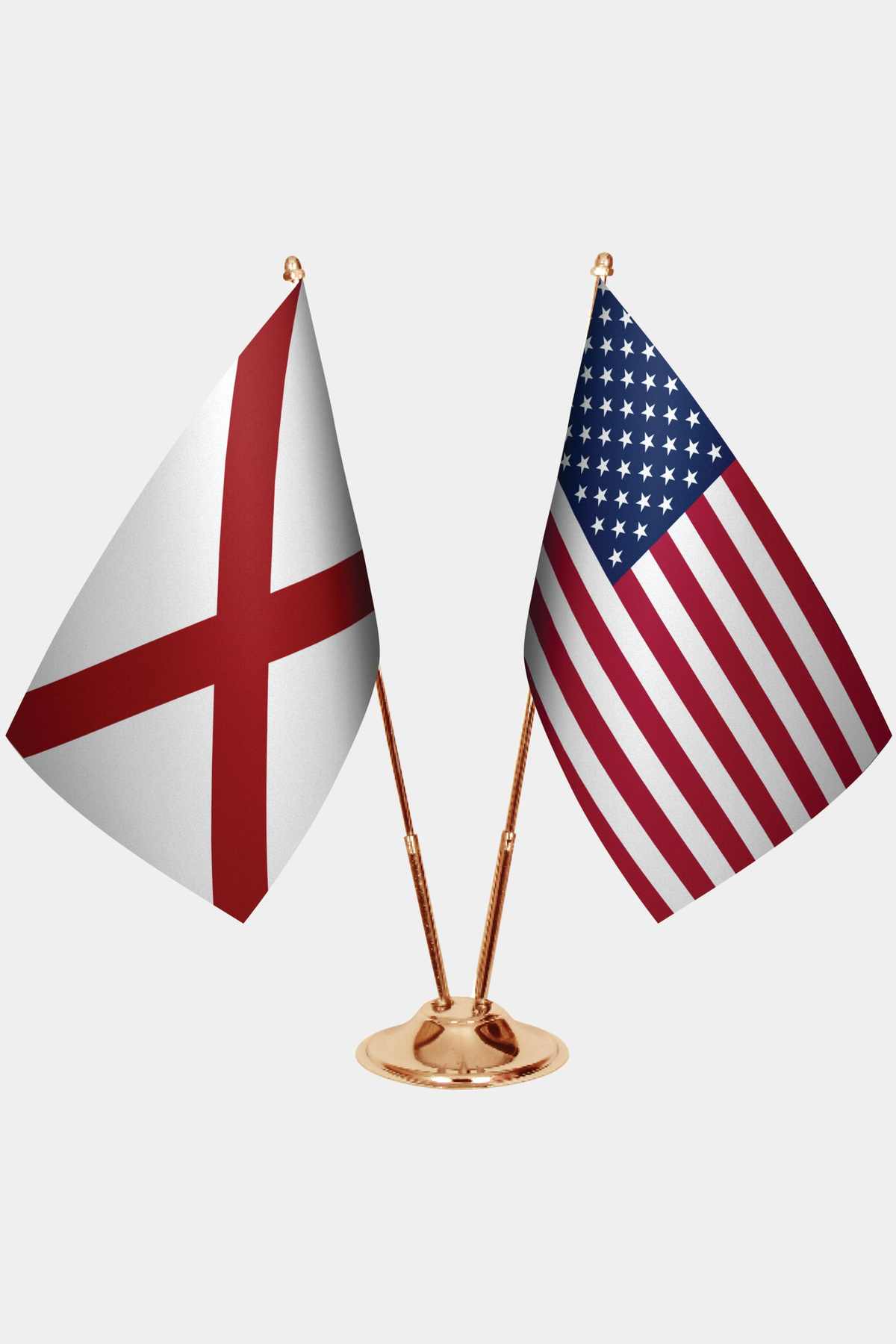
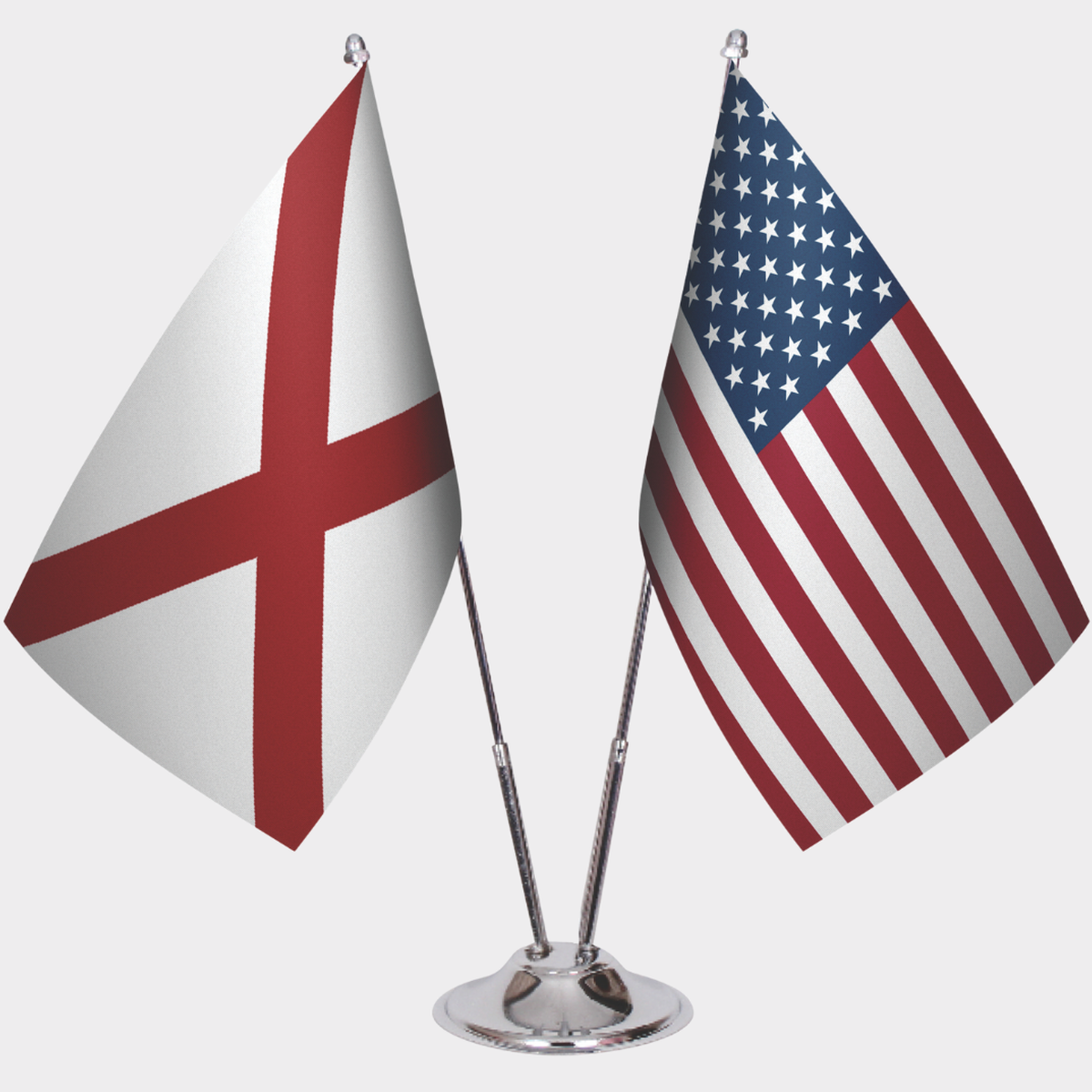
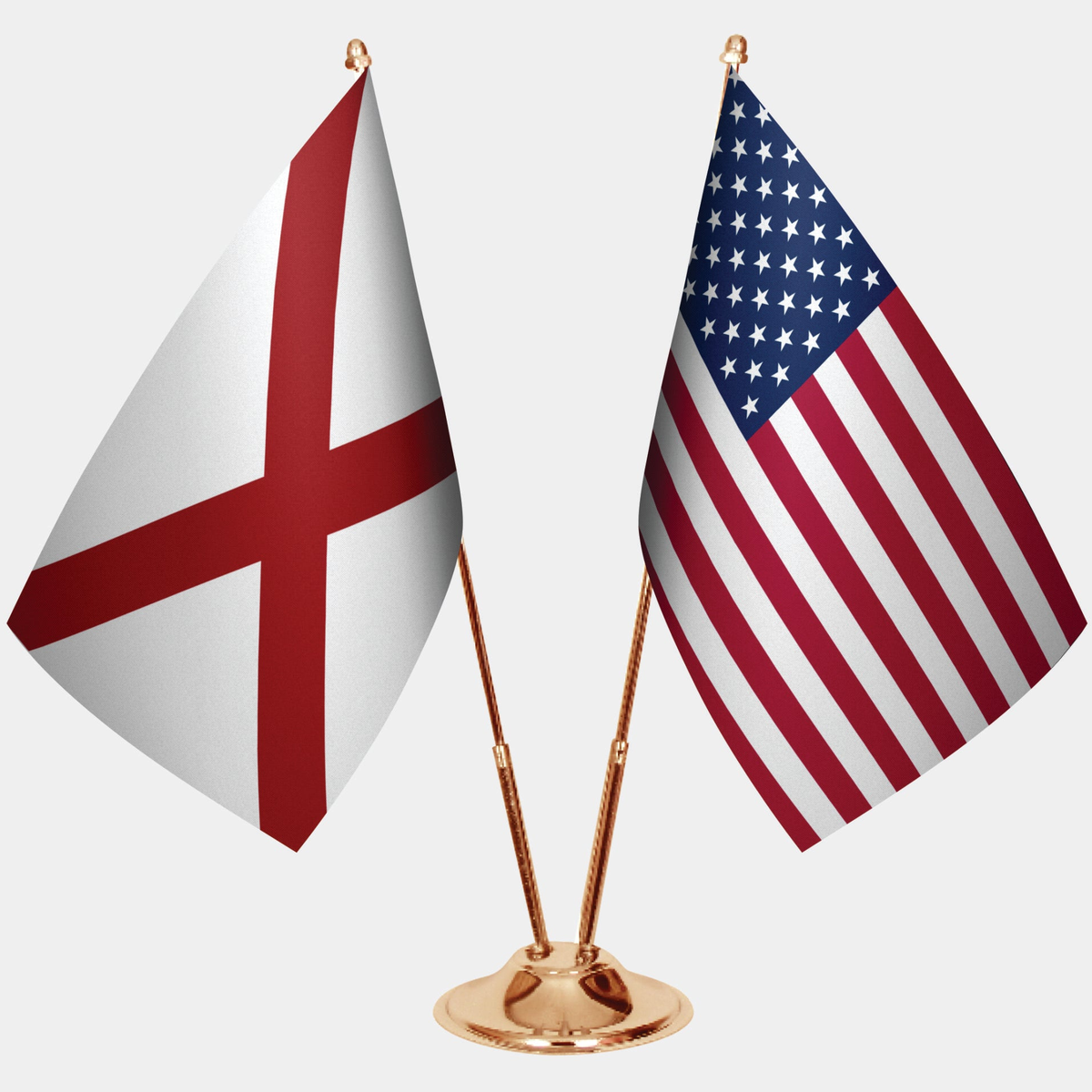
 When evaluating finish, consider your local climate first. Coastal homeowners within 5 miles (8 km) of saltwater should prioritize marine-grade anodized aluminum or powder-coated steel with a minimum 65-micron coating thickness to resist salt-spray corrosion. Inland buyers in high-UV climates (USDA Hardiness Zones 9–13, covering the American Southwest) benefit from UV-stabilized anodized finishes that won't chalk, fade, or pit over 6 to 10 years of direct sun exposure. For a well-made example of how premium materials translate to real-world durability, the Albania wall-mounted telescopic flagpole set uses an anodized aluminum shaft and a die-cast bracket engineered for year-round outdoor use. Most residential aluminum poles are rated for sustained winds of 40–55 mph (64–88 km/h) when properly anchored; always check the manufacturer's wind-load specification before installation in storm-prone regions. Finish choice also affects maintenance frequency — bare aluminum needs only an occasional wipe-down, while steel poles should be inspected annually for coating chips that could allow rust to establish.
Telescoping vs. Fixed-Length Poles: The Practical Differences
Telescoping wall-mounted flagpole sets are the better choice for most buyers because they allow you to adjust the display length from roughly 4 ft to 6 ft (122 cm to 183 cm) without changing the bracket, making it easy to fly different flag sizes throughout the year. Fixed-length poles cost slightly less up front but lock you into one flag size and can be awkward to store or ship.
The telescoping mechanism on quality poles uses either an internal twist-lock collar or a push-button locking pin at each extension joint. Twist-lock collars are more secure in wind but require two hands to adjust; push-button pins allow single-hand adjustment but should be inspected for pin wear annually. For a house flagpole set that you'll adjust seasonally — flying a full-size national flag in summer and a smaller decorative flag in fall and winter — a telescoping pole with two or three extension sections gives you the flexibility to right-size your display without any additional hardware purchases. When fully retracted, most telescoping poles collapse to around 2.5–3 ft (76–91 cm), which also makes winter storage straightforward in climates where ice and heavy snow loads would stress an extended pole beyond its rated capacity.
Flag Size Compatibility and US Flag Code Proportions
Under US Flag Code (4 USC §§ 1–10), the American flag must be displayed with dignity and in proper proportion to its setting — while the Code does not mandate specific sizes for residential wall displays, the broadly accepted guideline is that the flag's fly length should be no more than one-quarter of the building's facade width. For a standard 30 ft (9 m) wide colonial or ranch home, that yields a maximum fly of about 7.5 ft (229 cm), which corresponds to a 3 ft × 5 ft (91 cm × 152 cm) flag on a 6 ft (183 cm) pole — the most popular residential size.
Flag-to-pole ratio matters beyond aesthetics: a flag that is too large for its pole will overload the bracket and create excessive drag in wind, stressing the mounting hardware far beyond its design load. As a practical rule, the flag's hoist (the dimension along the pole) should be no more than 25–30% of the pole's total extended length. A 6 ft (183 cm) pole, for instance, pairs well with flags up to 2 ft × 3 ft (61 cm × 91 cm) for a compact display, or a 3 ft × 5 ft (91 cm × 152 cm) standard flag for a full presentation. If you're displaying multiple flags simultaneously — a common approach for civic organizations and businesses — refer to our guide on choosing outdoor flags for nonprofits, churches, and houses of worship, which covers multi-flag display protocol in detail. Always confirm that your bracket is rated for the combined weight of all flags and poles before adding a second flag to the same mounting point.
Wall-Mounted Telescopic Flagpole Sets
Complete kits — pole, bracket, and mounting hardware — sized for homes, storefronts, and civic buildings, available in multiple finishes and national-flag configurations.
Browse Collection →Mounting Surface Requirements: Brick, Vinyl Siding, Wood, and Stucco
The mounting surface is the single most critical factor in long-term bracket performance — a high-quality pole on an improperly anchored bracket will fail in the first major windstorm, potentially damaging the wall or injuring someone below. For wood framing and wood siding, lag screws driven into a wall stud provide the strongest attachment; most house flagpole set brackets include 3/8 in (9.5 mm) lag bolts for exactly this application.
Brick and masonry walls require masonry anchors — typically 3/8 in (9.5 mm) sleeve anchors or wedge anchors — drilled into the mortar joint or the brick face with a hammer drill fitted with a carbide-tip bit. Never mount into a single mortar joint alone; at least one anchor should penetrate solid brick or block for adequate shear strength. Vinyl siding presents a different challenge: it is not a structural surface, and any bracket must pass through the siding to anchor into the sheathing and ideally into a stud behind it. Use a siding spacer (a J-block or mounting block, typically 3/4 in to 1 in / 19–25 mm thick) to create a flat, level surface that won't crush or crack the siding under the bracket's clamping force. Stucco walls should be treated similarly to masonry, with anchors driven through the stucco layer into the underlying concrete or CMU block; surface-mounted brackets on stucco alone will inevitably crack the finish coat within one or two seasons of wind loading.
Hardware Accessories That Extend Pole Life and Improve Presentation
Beyond the pole and bracket, a small set of accessories makes a measurable difference in both flag condition and pole longevity. Nylon-sleeve rotating rings prevent the flag from wrapping around the pole in calm or variable-wind conditions, which is the leading cause of premature flag wear at the grommet. Most quality house flagpole sets include two brass or anodized aluminum clips or snap-hooks; upgrading to swivel snap-hooks further reduces flag twisting and extends grommet life by 30–50% compared to fixed clips.
Pole-top finials — eagle ornaments, ball tops, and spear tips — are both decorative and functional, preventing water from entering the hollow pole shaft and causing internal corrosion or ice damage in cold climates. A stainless-steel set screw at the base of the finial threads secures it against vibration-induced loosening, which is particularly important for poles exposed to consistent prevailing winds. For buyers who want to expand their exterior flag display beyond a single wall bracket, the broader poles and holders collection includes ground sleeves, in-ground pole systems, and multi-bracket mounting kits suited to commercial facades and institutional entries. Anti-wrap technology — either a rotating collar built into the bracket or a spinning pole shaft — is worth the modest price premium for anyone flying a flag in a location with variable or swirling winds, such as building corners, courtyard entries, or sites near large trees or structures that create turbulent airflow.
Choosing a Set for International or Country-Specific Flag Display
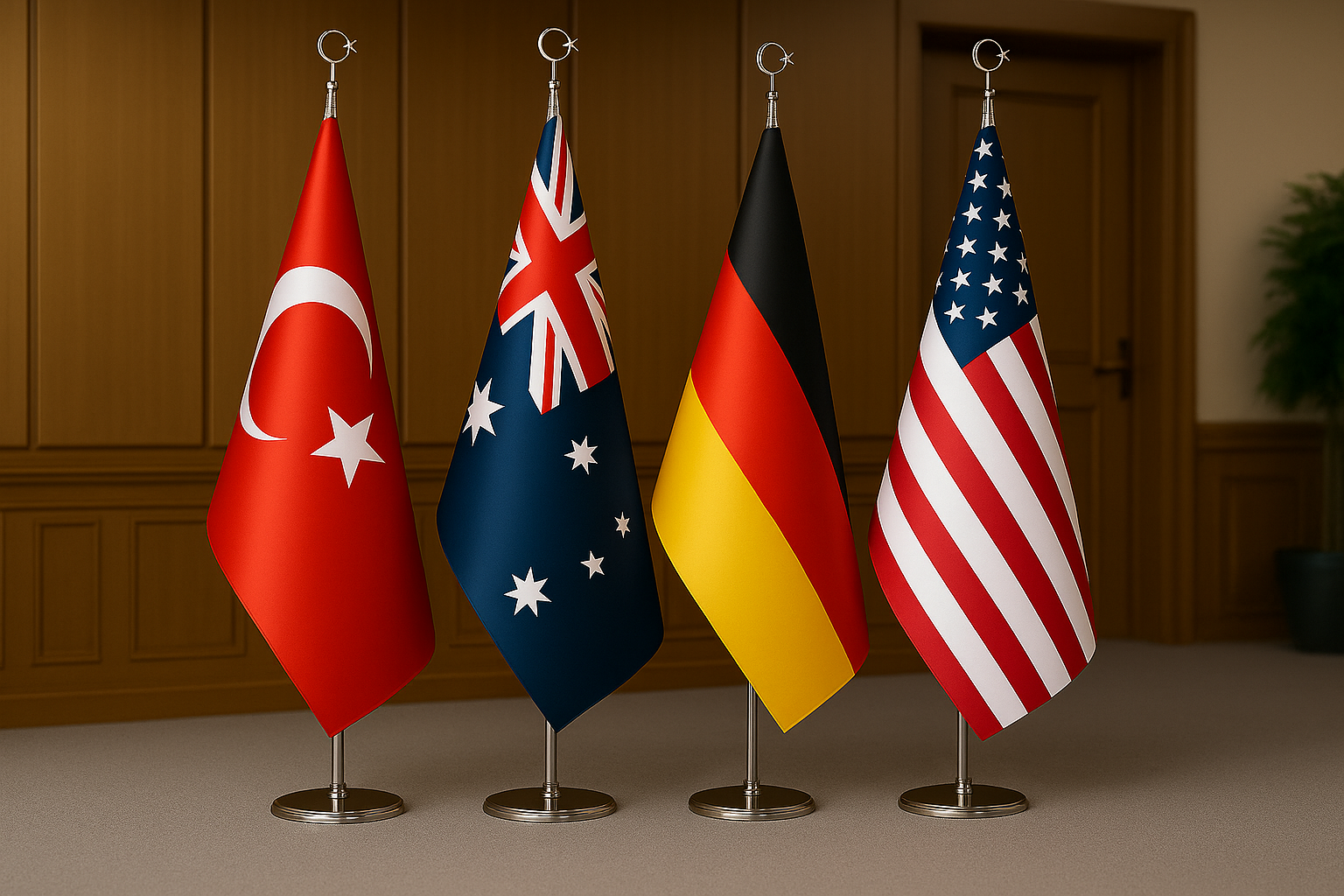
When flying a national flag other than the American flag — or alongside it — international display standards set by the Fédération internationale des associations vexillologiques (FIAV) and host-country protocol should guide your hardware selection as much as aesthetic preference does. The core requirement is that flag proportions match the official FIAV-registered ratio for that nation's flag; hardware that accommodates non-standard aspect ratios (such as Nepal's non-rectangular pennant or Switzerland's square canton) may require a custom bracket or a wider pole-top swivel to prevent the flag from folding against the pole.
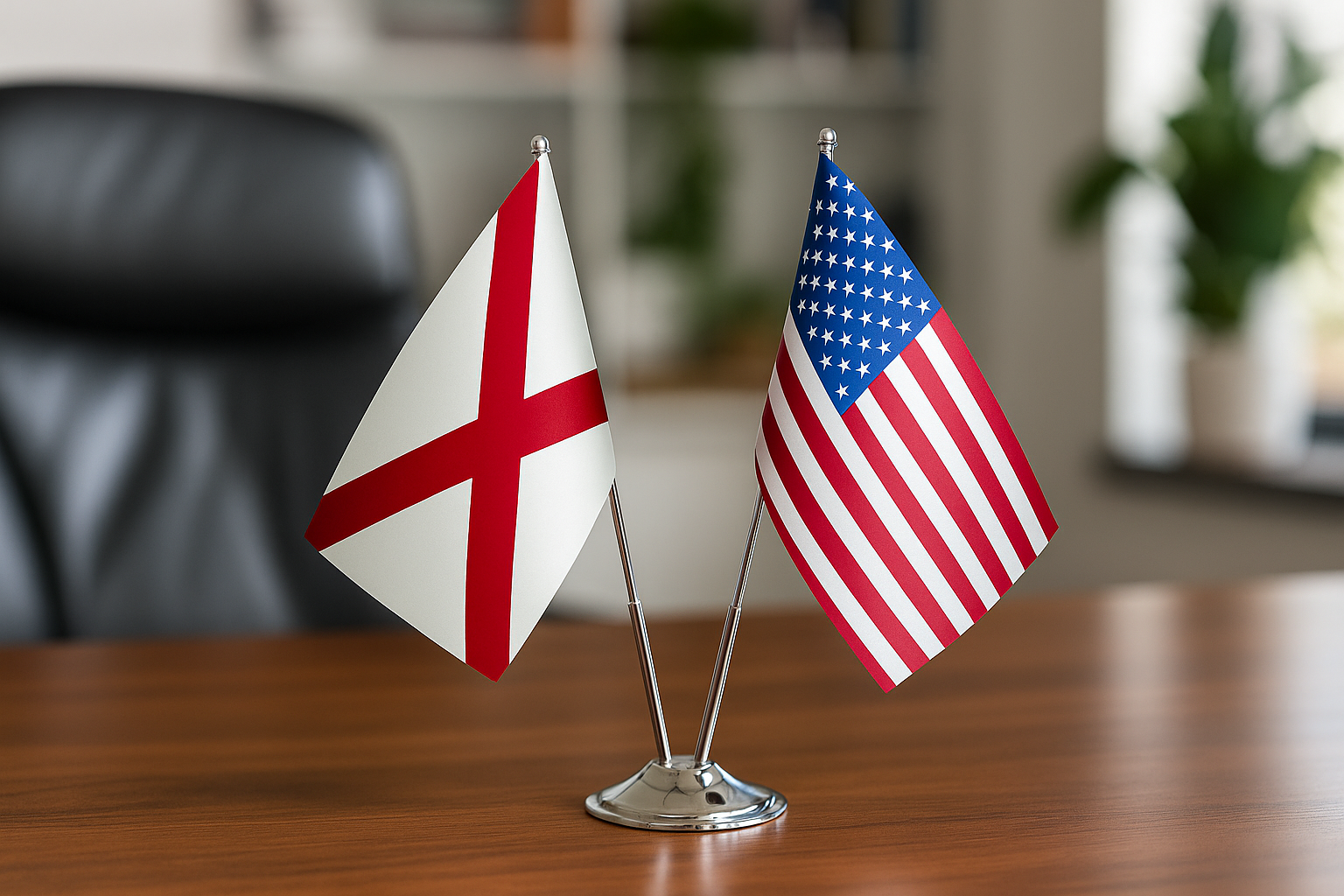
For displays pairing a national flag with the US flag under US Flag Code guidance, the American flag must be mounted at the same height or higher than any other flag, and both flags should be displayed on separate poles of equal height if side by side. Country-specific complete kits — pole, bracket, and correctly proportioned flag — simplify compliance by providing hardware matched to the flag's dimensions from the outset. You can explore a range of these ready-to-fly national kits, such as the Albania wall-mounted telescopic flagpole set, which ships as a complete display solution with a correctly proportioned national flag and all mounting hardware included. For organizations that regularly display flags for different nations or rotate diplomatic displays, establishing a standardized bracket and pole format across all mounting points simplifies logistics and ensures a consistent, professional appearance.
Frequently Asked Questions
What size wall-mounted flagpole do I need for a standard house? +
Can I mount a wall-mounted flagpole on vinyl siding? +
How long does a wall-mounted aluminum flagpole last? +
Does US Flag Code say anything about wall-mounted flag displays? +
What bracket angle is best for a covered porch or overhang? +
Can I fly two flags on a single wall-mounted bracket? +
Are wall-mounted flagpole sets suitable for apartment balconies? +
How do I prevent my flag from wrapping around the pole? +
Selecting the right wall-mounted flagpole set is ultimately about matching hardware to your specific building surface, flag size, and local wind conditions — and investing in materials that will hold up through seasons of UV, rain, and wind without constant maintenance. Start by measuring your facade width to determine the correct flag-to-building proportion, confirm your wall construction type before ordering fasteners, and choose an anodized aluminum telescoping pole for the best balance of durability and adjustability. For country-specific or diplomatic displays, ready-to-fly kits like the Albania wall-mounted telescopic flagpole set take the guesswork out of proportion and hardware compatibility. Explore the complete wall-mounted telescopic flagpole sets collection or browse the broader poles and holders collection for ground-mount, in-ground, and multi-bracket options suited to storefronts, civic buildings, and institutional entries. Bulk pricing is available for corporate, government, and institutional orders — contact the Asya Bayrak team directly for volume quotes and custom configurations.