








A worn American flag must be retired — and under 4 U.S.C. § 8(k), the only dignified method prescribed by law is destruction by fire, carried out in a respectful manner. Knowing exactly when a flag crosses the line from "battle-worn and proud" to "unfit for display," and how to retire it properly, is something every flag owner — homeowner, school administrator, or facilities manager — should understand. Whether you fly a full-sized outdoor flag or keep a smaller version on a desk, the obligation to honor the flag extends to its final moments. Browse the USA Flag Collection if you're ready to replace a retired flag with a quality new one built to last.
The Legal Basis: What US Flag Code Says About Disposal
The US Flag Code (4 U.S.C. § 8(k)) states directly that a flag that is "no longer a fitting emblem for display" should be destroyed in a dignified way, preferably by burning. This is the only disposal method explicitly named in federal law, and while the Flag Code carries no criminal penalty for civilians, it represents the nation's authoritative standard of respect. The Code does not specify a schedule — it simply requires that once a flag is worn, torn, faded, or soiled beyond reasonable repair, it should not continue to be flown. Understanding this provision is the legal foundation for everything that follows in a flag retirement ceremony.
It is worth noting that the Flag Code does not mandate a ceremony with specific prayers, words, or organizational affiliation — those elements come from long-standing tradition, particularly through the Veterans of Foreign Wars (VFW) and the Boy Scouts of America. The law itself is simple: the flag must be destroyed in a dignified way. What "dignified" means in practice has been interpreted by custom and community across more than a century of flag retirement tradition. If you are looking for formal ceremony guidance, the VFW and American Legion both publish detailed scripts that complement the legal framework without overriding it.
How to Recognize When a Flag Is No Longer Fit for Display
A flag is no longer fit for display when it shows fraying, fading, tearing, or staining that cannot be reasonably corrected — these are the primary visual signals that retirement is warranted. The Flag Code does not set a numeric threshold (such as "more than 3 inches of fraying"), so the judgment is yours, guided by a simple principle: would you be proud to fly this flag in front of your home or institution?
Here are the specific conditions that typically signal it is time to retire a flag:
- Fraying edges: When the fly end (the free end opposite the hoist) begins to shred more than about 1 inch (2.5 cm) and cannot be re-hemmed cleanly, the flag has reached the end of its service life.
- Significant fading: UV exposure degrades flag dyes over 6 months to 2 years depending on fabric quality and climate. When the red stripes appear pink or the blue canton looks gray, the flag no longer presents a proper national symbol.
- Tears or holes: Small snags from hardware can sometimes be repaired, but tears that compromise the structural integrity of the field or canton should not be patched and re-flown.
- Permanent staining: Mildew, rust from grommets, or environmental staining that cannot be laundered out disqualifies the flag from further display.
- Distorted proportions: If a flag has been stretched, shrunk, or otherwise deformed so that its proportions no longer conform to the standard ratio (typically 1:1.9 for US flags), it should be retired.
A useful rule of thumb used by many military installations: inspect outdoor flags every 90 days. In harsh coastal or high-wind environments, monthly inspections are more appropriate. Indoor and ceremonial flags — such as those displayed in offices and chambers — last considerably longer and may serve for years before showing meaningful wear.
The Approved Method: Burning the Flag with Dignity
 Burning is the legally preferred and culturally honored method of flag disposal in the United States. To do it correctly, the fire should be large enough to completely consume the flag — a bonfire rather than a small campfire is ideal. The flag is placed on the fire whole and allowed to burn completely; participants typically stand at attention during the burning, and some ceremonies include a formal salute. Once the fire has died and the ashes have cooled, they are collected and buried — this final step, while not required by law, is observed by most veteran organizations and adds a final note of respect. For those who fly a durable USA Outdoor Flag day after day in wind and weather, this ceremony marks a fitting end to faithful service.
Before burning, it is common practice — though not legally required — to cut the flag into pieces, separating the blue canton (the star field) from the stripes. This is intended to ensure the flag is no longer recognizable as a flag during the burning, reducing the visual impact for participants. However, some organizations prefer to burn the flag whole and intact as a sign of unity. Either approach is acceptable under the Flag Code's silence on the specifics of the burning procedure. Check local ordinances before conducting a burn — some municipalities restrict open burning, in which case partnering with a local VFW post, American Legion post, or fire department that conducts annual retirement ceremonies is the right alternative.
Alternative Disposal Methods When Burning Is Not Possible
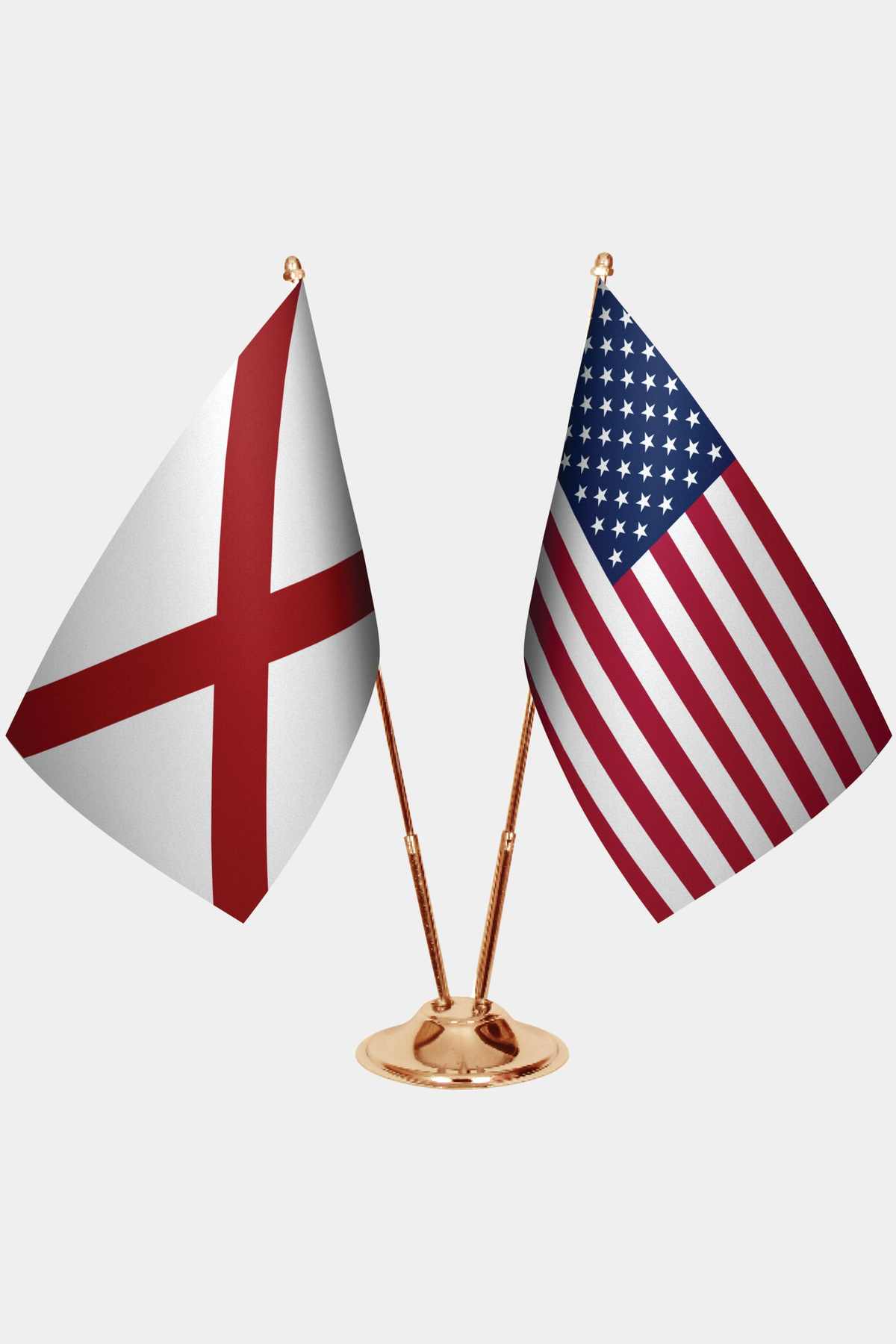
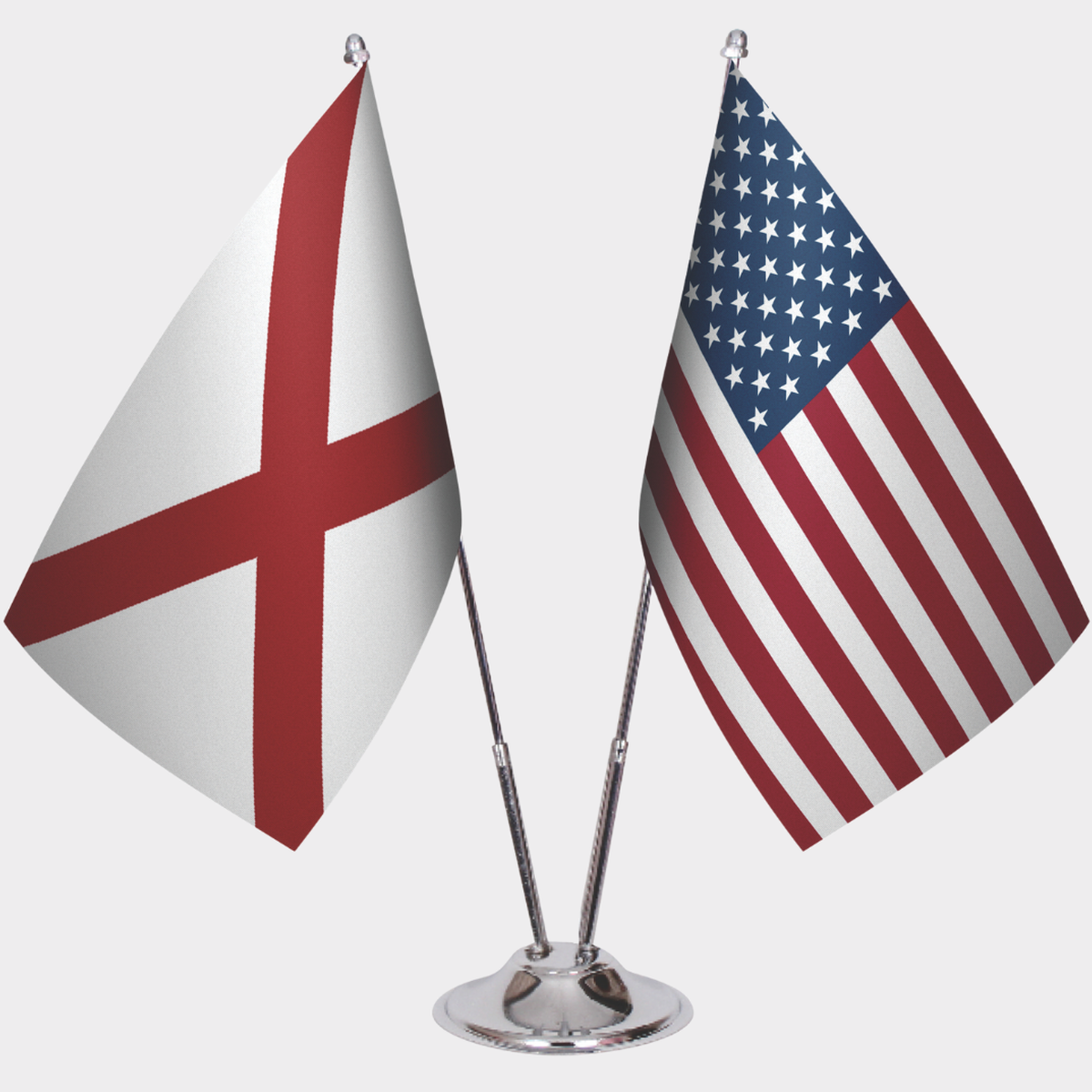
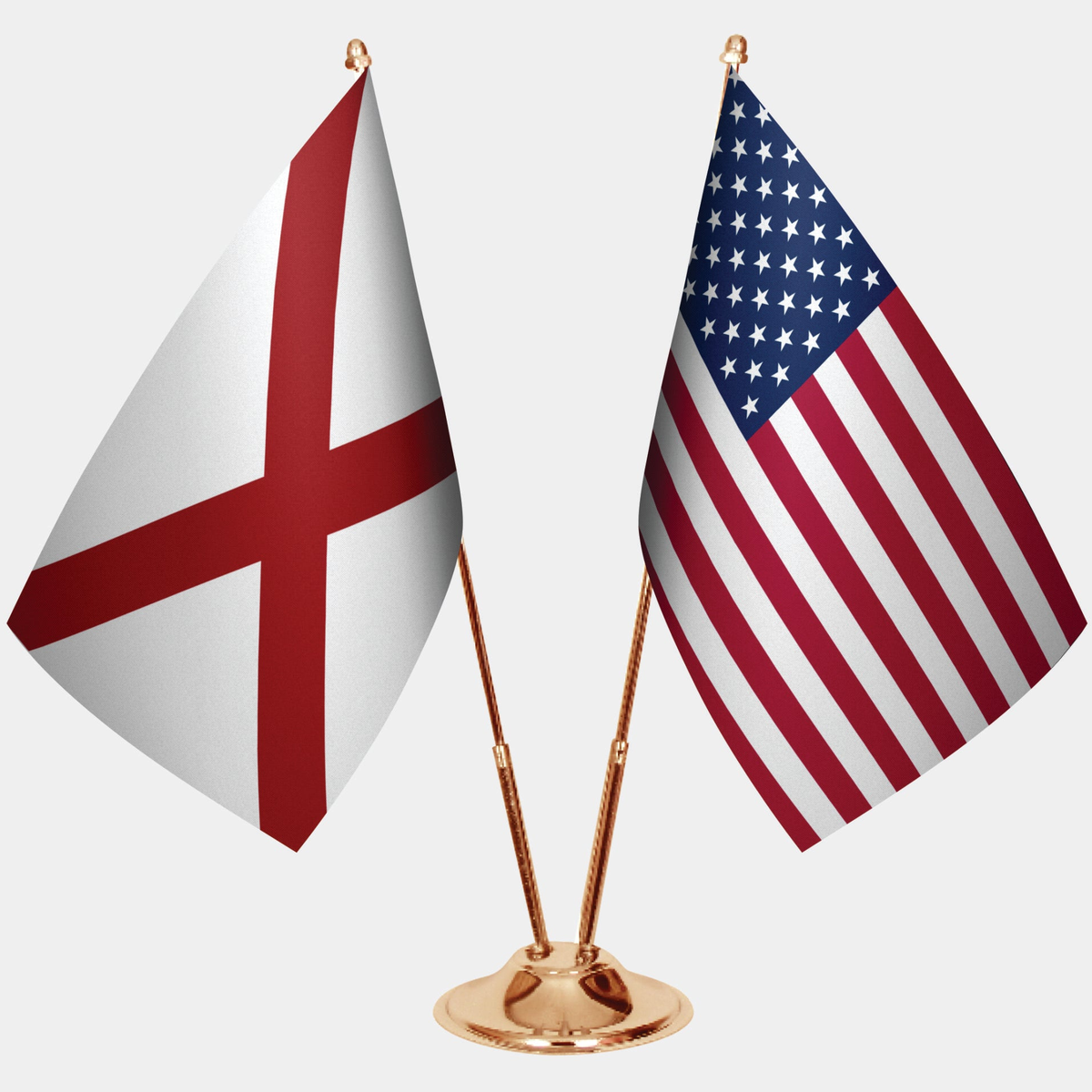
 When open burning is prohibited by local ordinance or simply impractical, several dignified alternatives exist that are widely accepted by veteran organizations and civic groups. The most accessible option for most people is to drop the flag at an official collection point — many VFW posts, American Legion halls, Boy Scout troops, and some municipal facilities operate year-round flag retirement collection boxes. The organizations then conduct periodic group retirement ceremonies, typically on Flag Day (June 14th) or Veterans Day. If you display a Premium USA Desk Flag in your office and it has reached the end of its life, this drop-off route is often the most practical option for an urban or commercial setting.
A secondary alternative that has gained acceptance — though it is not mentioned in the Flag Code itself — is burial. The flag is folded in the traditional triangular military fold and buried whole in a respectful manner, similar to how a flag-draped coffin is honored. This method is most common in rural areas where burning is not feasible and collection points are not nearby. A third option sometimes cited is shredding, which is used by some organizations for flags made of synthetic materials that may release toxic fumes when burned. Shredded flags are then buried or disposed of as solid waste — this is the least traditional method and should only be used when neither burning nor burial is feasible. Regardless of which method you choose, the goal is always the same: the flag's final disposition should honor the symbol it represents.
Retirement Ceremonies: Who Conducts Them and When
Annual retirement ceremonies organized by veteran organizations are the most dignified and community-oriented way to retire multiple flags at once, and participation is open to the public in most cases. Flag Day (June 14th) is the most common date for these ceremonies, but many VFW and American Legion posts schedule them throughout the year — particularly around Memorial Day (last Monday in May), Veterans Day (November 11th), and Independence Day (July 4th). Attending or co-sponsoring one of these ceremonies turns a private obligation into a meaningful public act of civic respect.
Schools, government buildings, and corporations with flagpoles often accumulate several worn flags before addressing retirement, which makes an organized annual ceremony especially efficient and impactful. For context, the American Legion alone conducts thousands of retirement ceremonies annually across the United States, and many welcome community members to bring their retired flags in advance. If your institution flies a formal USA Official Indoor Flag in a chamber or courtroom, plan for retirement on a predictable schedule — typically when the flag reaches visible fraying or fading — and coordinate with a local veteran organization well in advance of the ceremony date. For more on how ceremonial display rules intersect with everyday etiquette, the guide on American flag etiquette rules at home covers the broader protocol framework in detail.
A Practical Checklist for Flag Owners and Institutions
Following a structured checklist ensures that flag retirement is handled consistently, respectfully, and in compliance with 4 U.S.C. § 8(k). Use this process whether you are an individual homeowner or a facilities manager overseeing a government building, school, or corporate campus.
- Inspect regularly: Check outdoor flags every 30–90 days depending on exposure. Check indoor and ceremonial flags at least twice a year.
- Document the condition: For institutions, keep a simple log noting the date a flag was put into service and the date it was retired. This supports accountability and helps project replacement budgets.
- Fold before retirement: Even a flag destined for burning should be folded in the traditional 13-fold triangular manner as a sign of respect during transport and storage before the ceremony.
- Choose your method: Determine whether you will burn, bury, or deliver to a collection point based on local ordinances and proximity to veteran organization drop-off locations.
- Verify local burn regulations: Contact your municipal fire authority before conducting any open burn. Many jurisdictions require a permit for fires over a certain size.
- Partner with a veteran organization: If you lack the means to conduct a private ceremony, locate your nearest VFW or American Legion post and ask about their next scheduled retirement ceremony.
- Order a replacement promptly: A flagpole without a flag — or with a visibly worn flag still flying — reflects poorly on the institution. Have the replacement ready before or immediately after the retirement ceremony.

USA Flag Collection
From heavy-duty outdoor flags built for all-weather flying to formal indoor and desk flags, this collection covers every display need with US-standard proportions and durable, fade-resistant materials.
Browse Collection →Half-Staff, Special Circumstances, and One Final Note on Respect
A flag that is worn but being flown at half-staff during a period of national mourning should still be retired as soon as that mourning period ends — the two obligations do not cancel each other out. Under 4 U.S.C. § 7(m), the President and state governors have the authority to order half-staff displays, and those orders must be followed regardless of the flag's condition; however, a worn flag should be replaced with a new one as quickly as practicable once the half-staff order is lifted. For a full breakdown of who can issue half-staff orders and on what authority, the article on half-staff rules: who decides and when provides a comprehensive explanation.
One important practical point: never simply throw an American flag in the trash or recycling bin. While the Flag Code carries no civilian penalty, discarding the flag in ordinary refuse is widely considered disrespectful and is condemned by every major veteran and civic organization in the country. Even if formal retirement is temporarily delayed — for example, if you are waiting for the next community ceremony — store the flag folded in the traditional triangular form in a clean, dry location until proper retirement can be arranged. This simple act of interim respect matters.
Frequently Asked Questions
How do you properly discard an American flag? +
How do you destroy an American flag the right way? +
How do you dispose of an American flag respectfully? +
Can I put an American flag in the trash if it is worn out? +
Where can I drop off an American flag for retirement? +
Is burying an American flag an acceptable alternative to burning? +
How long does an American flag typically last before it needs to be retired? +
When it is time to replace a retired flag, choosing the right replacement from the start extends its service life and reduces how often retirement becomes necessary. The USA Flag Collection offers heavy-duty outdoor flags, formal indoor flags, and desk flags built with fade-resistant dyes and reinforced stitching designed for years of dignified display. For everyday outdoor flying, the USA Outdoor Flag is engineered to withstand wind, rain, and UV exposure. If you need a formal flag for a government office, courtroom, or school lobby, the USA Official Indoor Flag meets the proportions and finish quality expected in ceremonial settings. Bulk pricing is available for corporate, institutional, and government orders — contact us directly to discuss volume requirements and lead times.