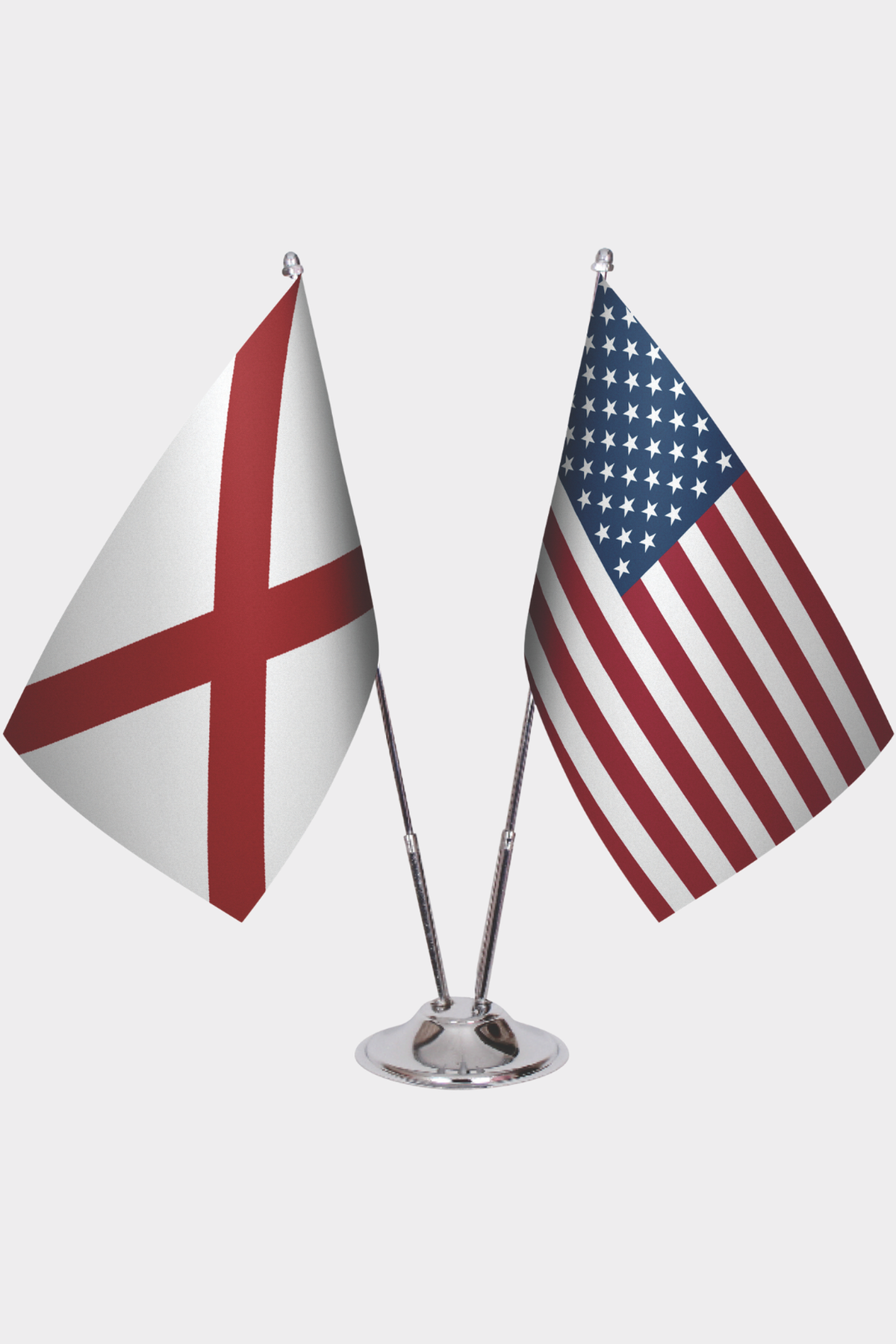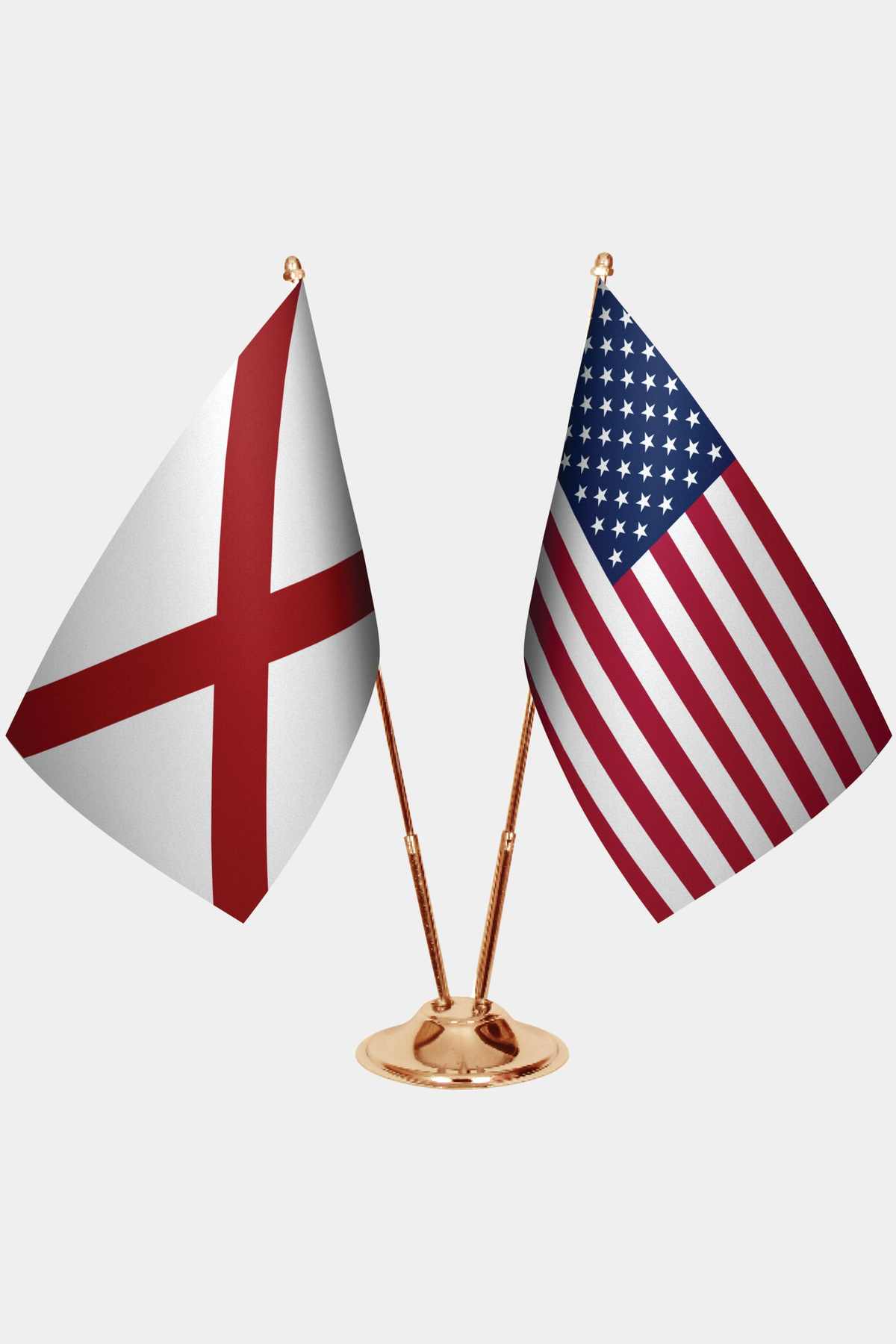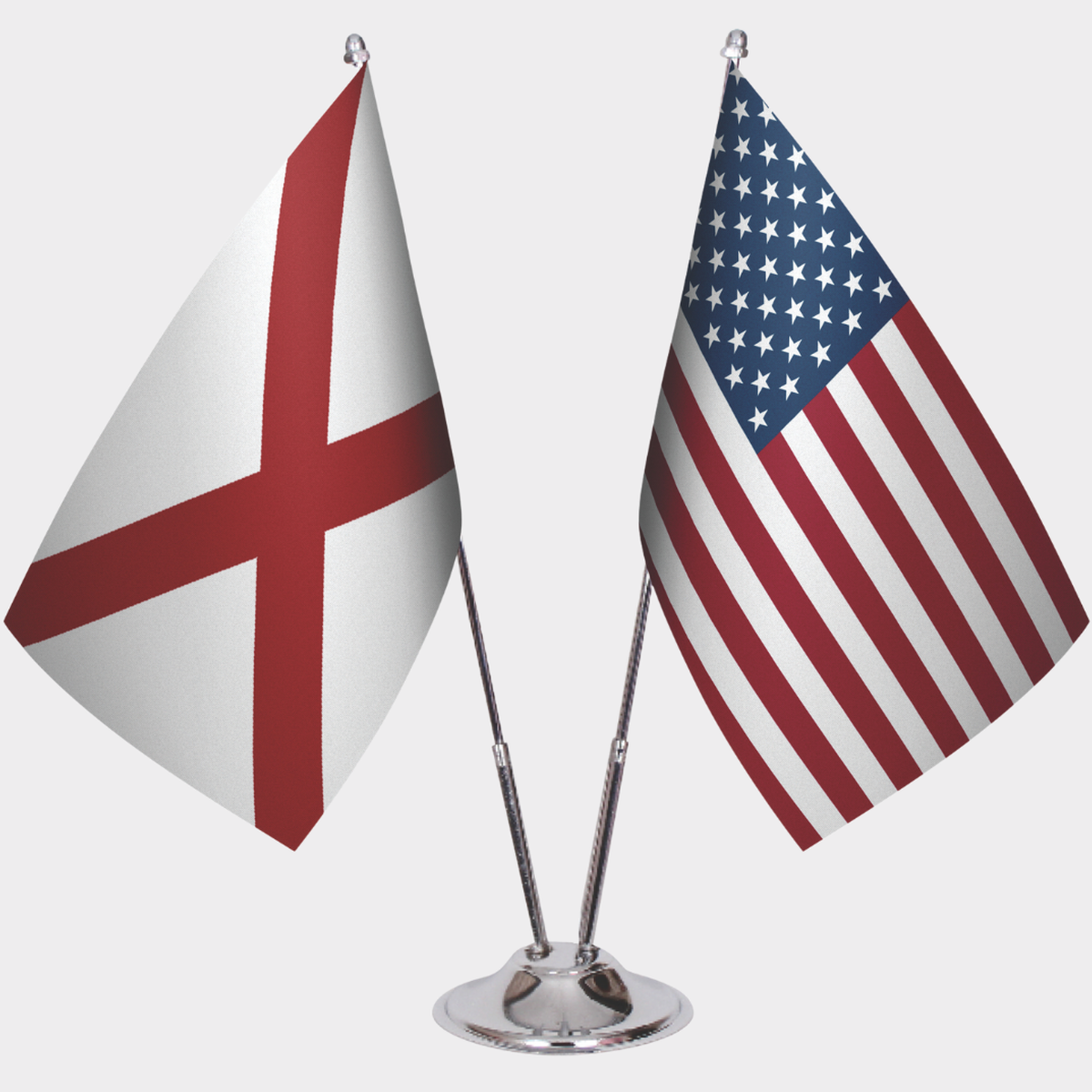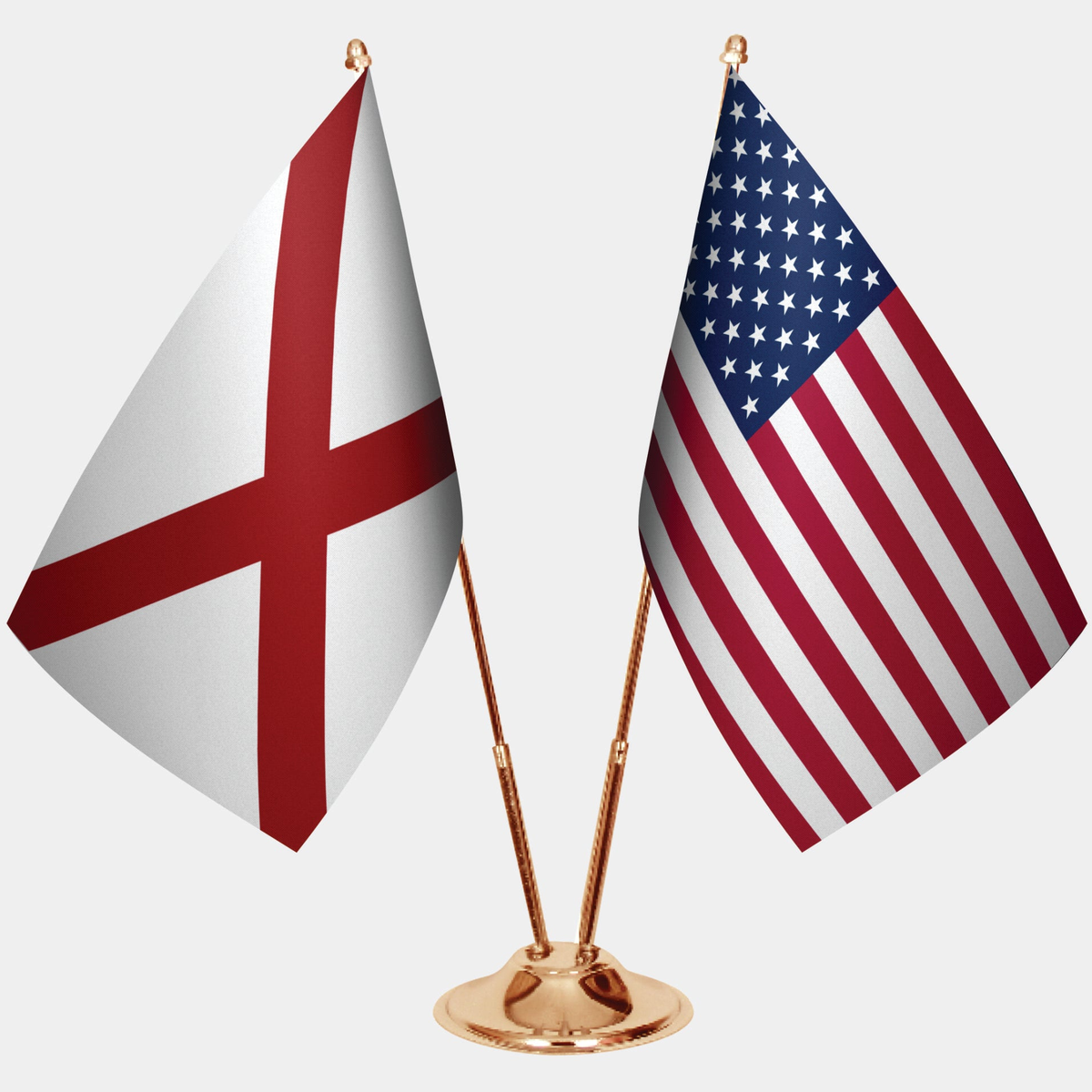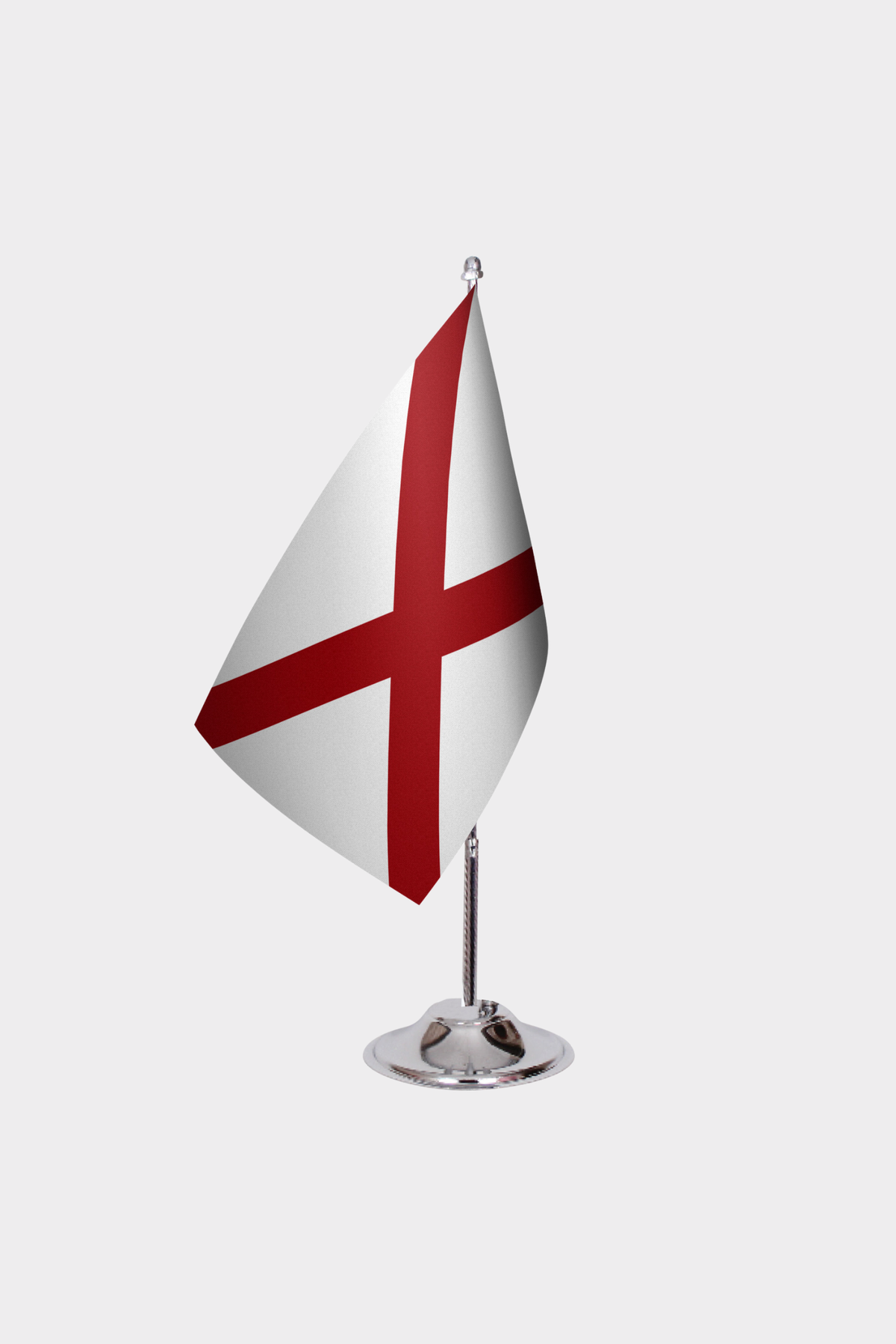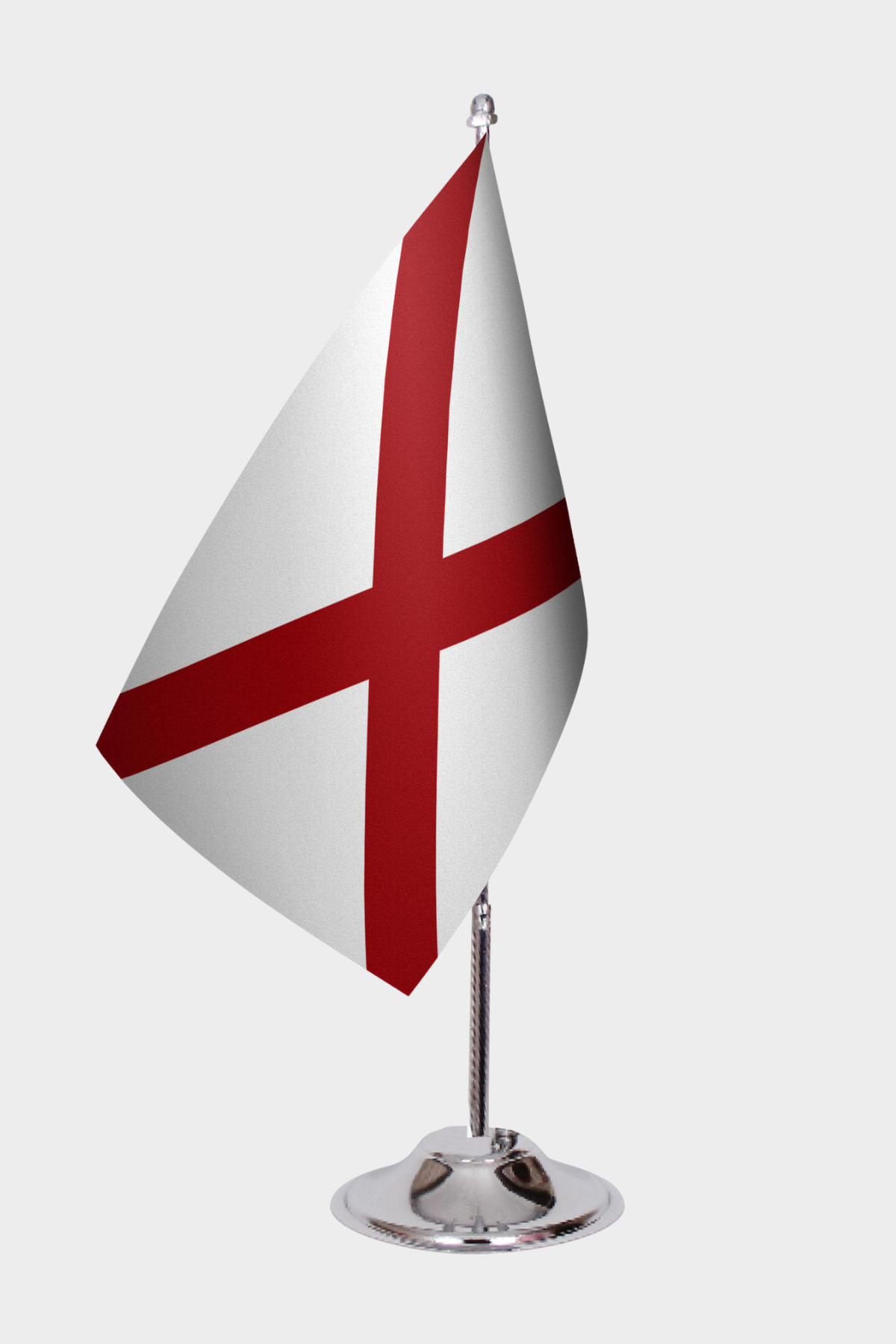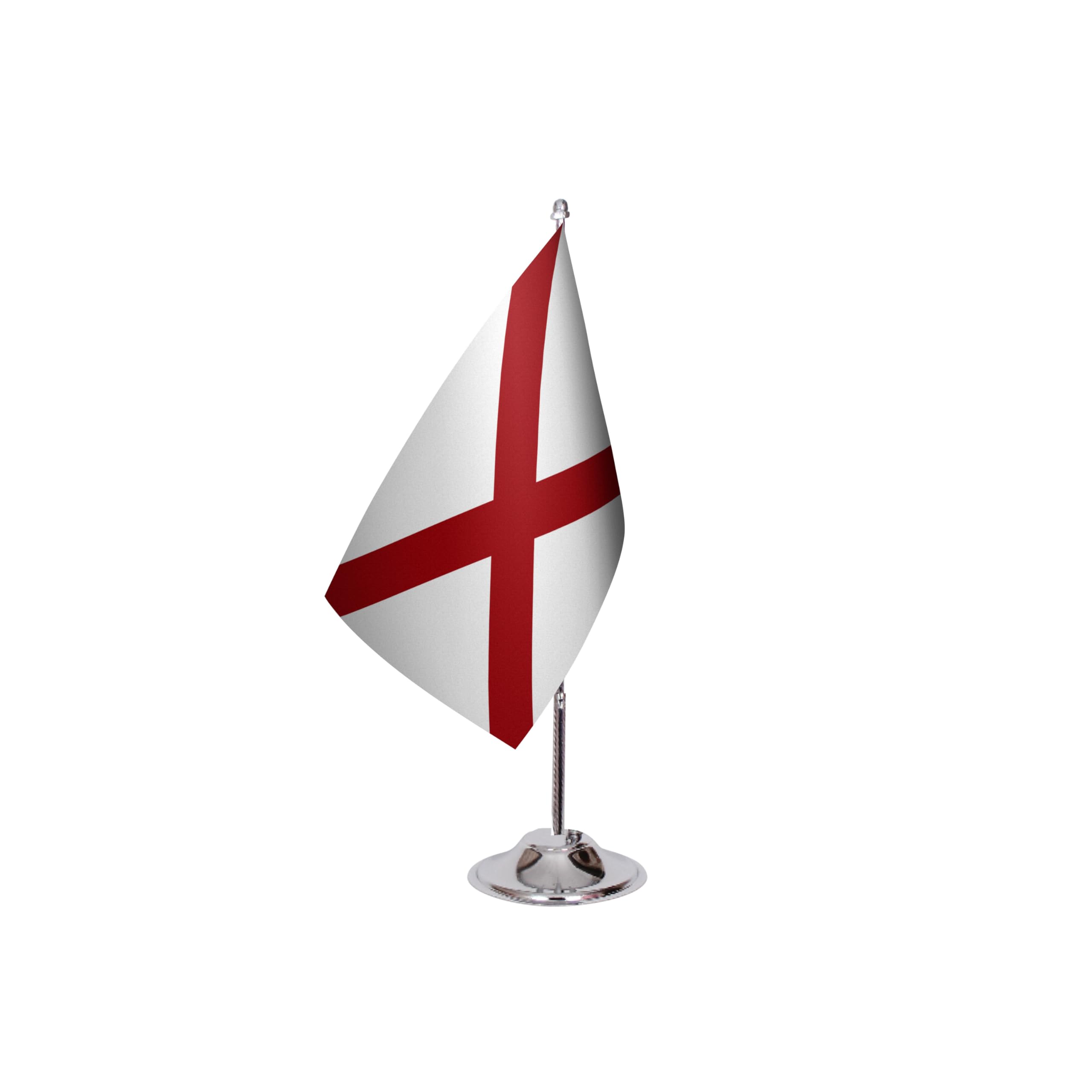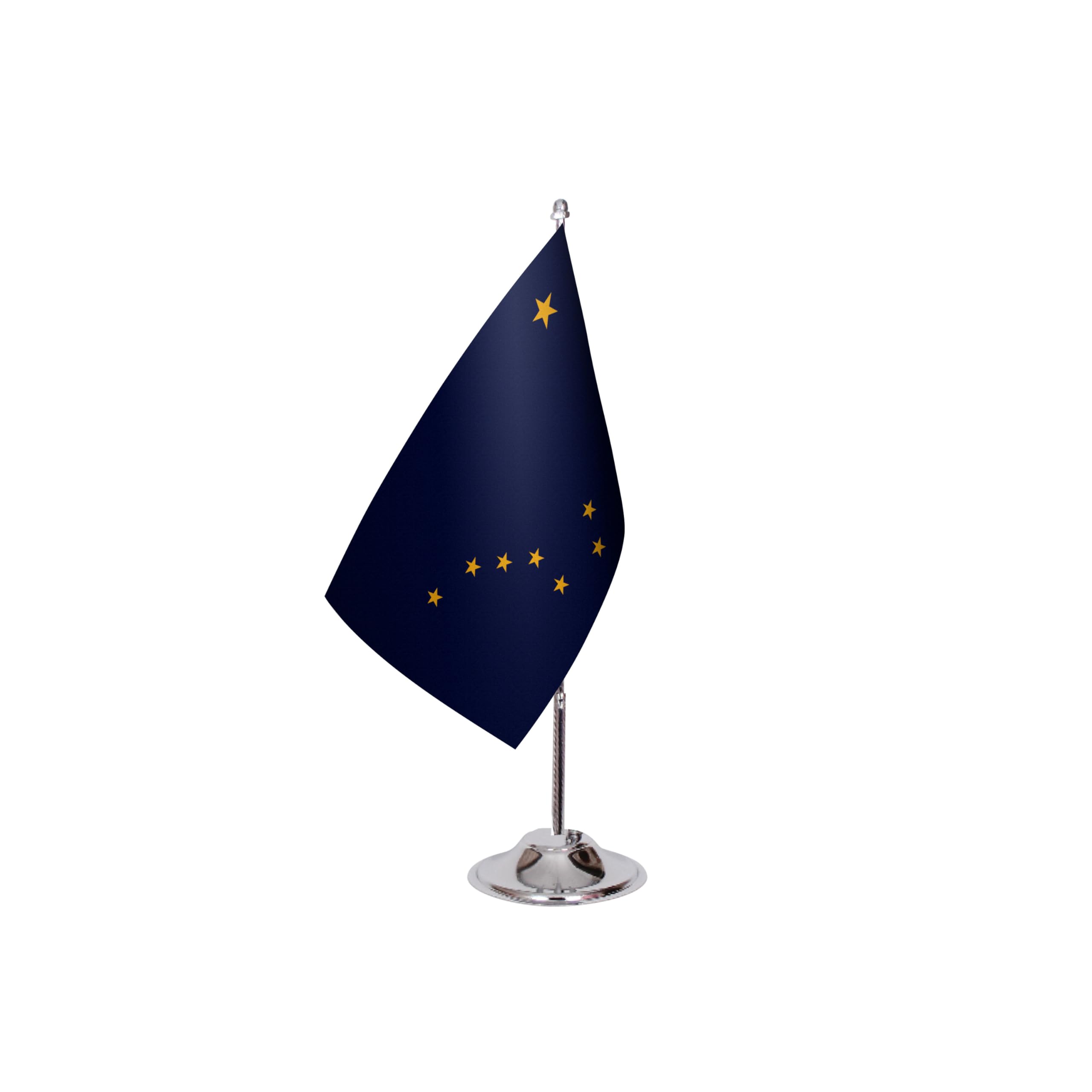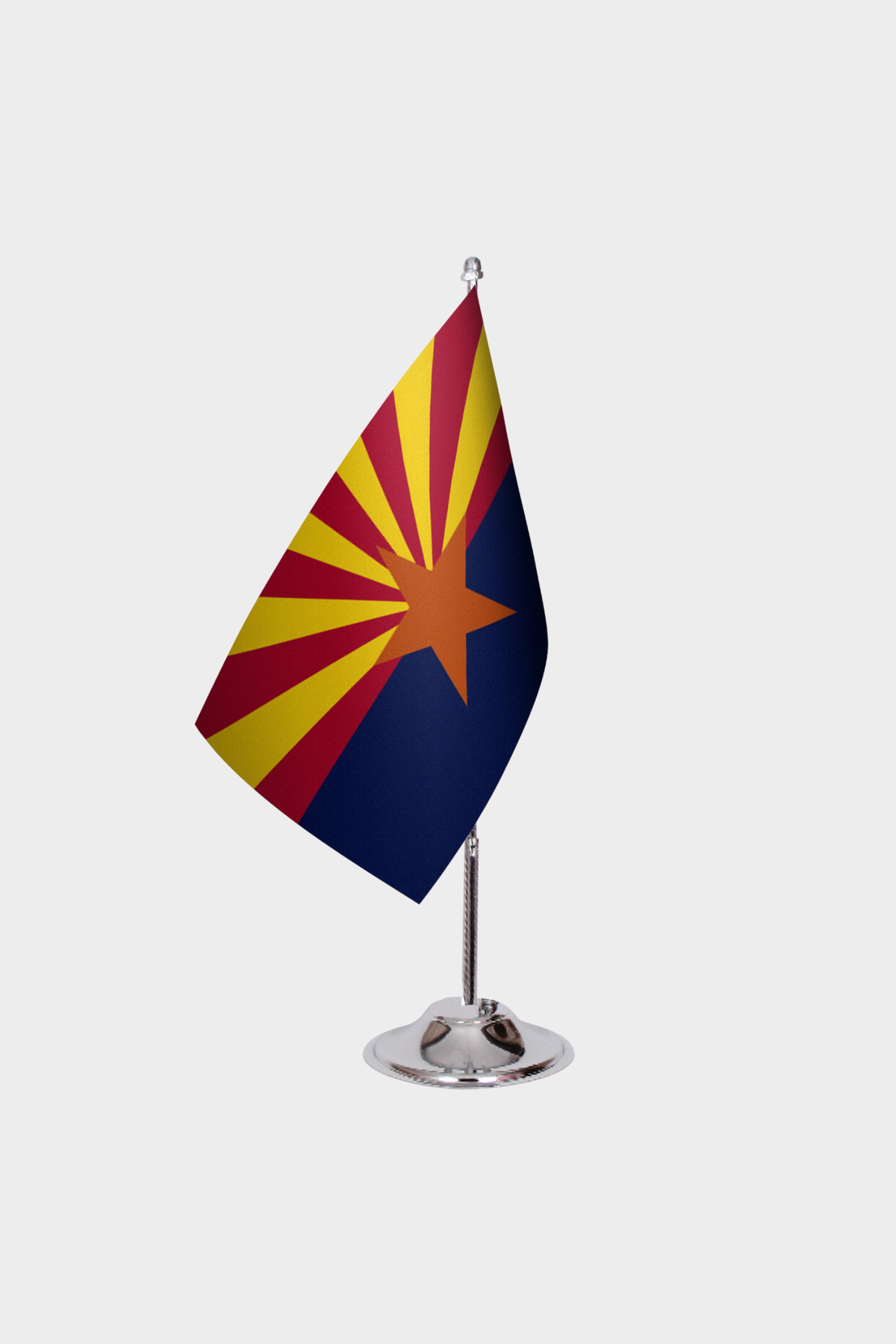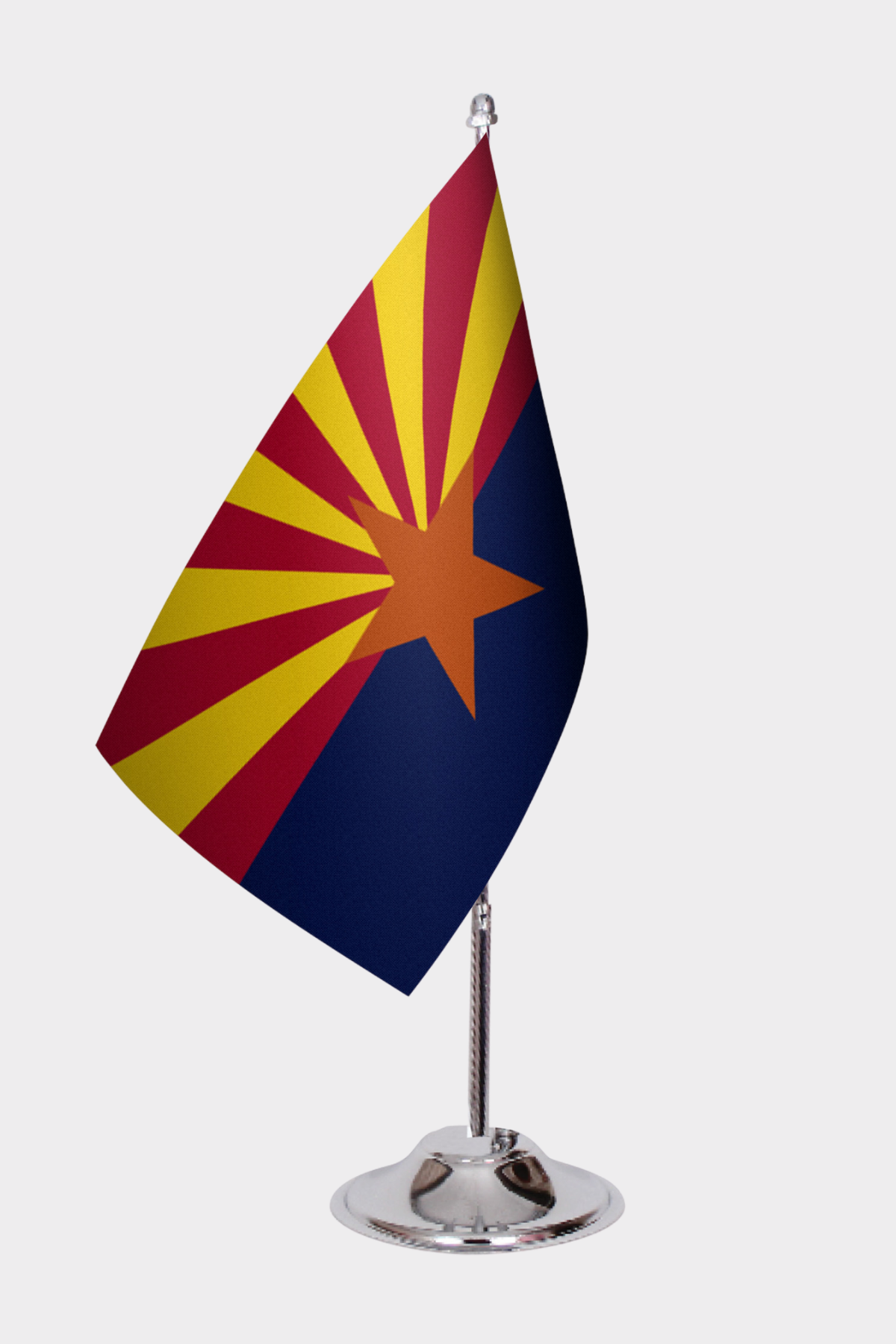




Outdoor vertical banners work best at high-traffic venues where maximum height visibility matters more than horizontal spread — storefronts, event entrances, trade show exteriors, sports facilities, municipal buildings, and roadside perimeters are the top locations. If you're planning a display and need a starting point, the Vertical Country Flag collection covers national flags in the most common outdoor vertical formats, built for pole-mount use in exactly these environments.
Which Outdoor Vertical Banner Type Fits Your Venue
The right banner type depends on whether you're displaying a national symbol, a brand identity, or a directional marker — each has a distinct format optimized for outdoor poles. Country flags in vertical orientation follow FIAV proportion standards and are typically finished with header sleeves or grommets for pole attachment, while logo-branded vertical pole flags use a longer, narrower teardrop or rectangular cut designed to catch wind and rotate 360 degrees for brand visibility from any angle.
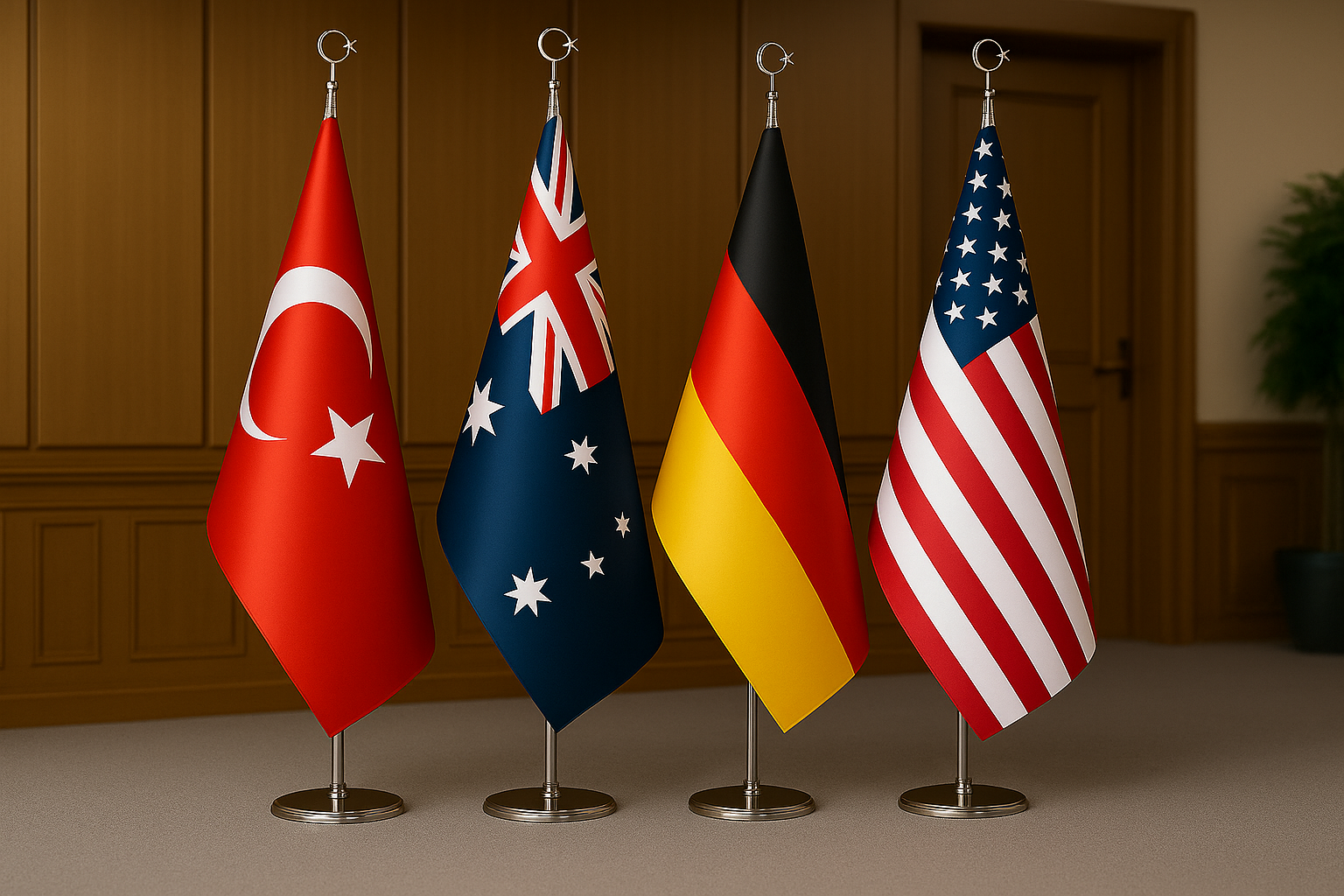
National flag displays — at embassies, government buildings, international schools, hotels with international clientele, and sports arenas — almost always require a true vertical country flag. These are governed by protocol: the U.S. Flag Code (4 USC §§ 1–10) specifies that when the U.S. flag is displayed vertically on a wall or in a window, the union (the blue star field) must be at the observer's upper left. For flagpoles in outdoor settings, a sleeve-mounted or grommet-finished vertical flag is the standard format. Fabric matters enormously outdoors — a nylon or polyester weave rated for 80% UV resistance will hold color significantly longer than unrated materials, especially in sun-belt states like Florida, Texas, Arizona, and California.
 The Outdoor Vertical USA Flag is one of the clearest examples of the right format for civic and commercial outdoor use — it's built to sleeve-mount directly onto a vertical pole, with reinforced fly ends to handle sustained wind load without fraying. For storefronts that want to project a patriotic identity year-round, or municipal parks that need a standards-compliant display, this format eliminates the guesswork about orientation and attachment. Outdoor vertical flags like this one are typically sized from 3 ft × 5 ft (91 cm × 152 cm) up to 5 ft × 8 ft (152 cm × 243 cm), with the larger sizes reserved for tall poles where a smaller flag would look lost against the sky. If your venue is an interior atrium or a trade show booth, the hardware and format differ — but for true outdoor pole display, a reinforced sleeve-mount vertical flag is the benchmark.
Brand-focused venues — dealerships, hotel entrances, stadium concourses, retail parks, and convention center exteriors — are better served by Logo Printed Vertical Pole Flags, which are engineered to display custom artwork, logos, and promotional messaging on a format that spins freely in wind and reads from multiple approach angles simultaneously. The key distinction from country flags is the lack of orientation protocol: brand flags can rotate, which means they're optimized for 360-degree visibility rather than a single fixed face.
How Many Vertical Banners You Actually Need for the Space
As a working rule, one vertical banner per 15–20 linear feet (4.5–6 m) of frontage creates a visually complete line without overcrowding; for event entrances, a minimum of two flanking banners (one each side) establishes a formal gateway effect. The exact count scales with pole spacing, building height, and whether you're creating perimeter coverage or focal-point emphasis.
For a standard retail storefront with 40 ft (12 m) of street-facing frontage, three poles — one at each end and one centered — is a common minimum. A sports facility perimeter or festival ground with 200 ft (61 m) of fence line typically needs 10–14 banners to achieve consistent visual density from a moving vehicle or pedestrian approach. Event entrances work differently: two banners create symmetry, but four (two staggered per side) creates depth and a ceremonial corridor effect that reads well in event photography. For municipal or campus settings where multiple nations' flags are displayed simultaneously, the U.S. Flag Code requires the U.S. flag to be at the center and highest point, or at the observer's far right when flags are in a line — always plan pole placement around this protocol before finalizing your quantity.
Layout and Setup Principles for Outdoor Vertical Displays
Consistent pole height, equal spacing, and hardware matched to flag size are the three non-negotiable layout rules for outdoor vertical banners. Uneven poles or mismatched sleeve diameters are the most common setup failures that compromise an otherwise well-planned display.
Pole height should match flag size: a 3 ft × 5 ft (91 cm × 152 cm) flag needs a minimum 6 ft (1.8 m) pole to hang freely without touching the ground when weighted by wind; a 5 ft × 8 ft (152 cm × 243 cm) flag needs at least 10 ft (3 m). For roadside installations, local municipal codes often require a minimum ground clearance of 7 ft (2.1 m) to allow pedestrian passage beneath — check your city's outdoor signage ordinance before setting posts. Spacing between poles should be consistent: irregular gaps read as disorganized even when individual banners look good in isolation. For event setups on temporary stands, use sand-bag-weighted bases rated for the banner's wind load; a banner that catches wind like a sail will topple a base that's undersized. Step-by-step installation guidance is covered in detail in the sibling article how to hang a flag vertically, which walks through hardware selection, sleeve alignment, and safety checks specific to pole-mount vertical displays.

Vertical Country Flag Collection
Outdoor-rated national flags in vertical pole-mount format, covering a wide range of countries for embassies, hotels, schools, and international event venues.
Browse Collection →What Actually Drives the Cost of Outdoor Vertical Banners
The four main cost drivers for outdoor vertical banners are fabric grade, print method, flag size, and quantity — hardware (poles, bases, ropes) adds a separate line item that many buyers underestimate in their initial budget. Understanding these levers helps you allocate your spend where it has the most durability impact.
Fabric grade is the single biggest quality differentiator: a heavier-denier polyester or nylon rated for outdoor UV and wind cycling will outlast a lighter indoor-grade fabric by a factor of three to four in a typical outdoor environment. Expected lifespan for a well-made outdoor vertical flag is 6 months to 2 years depending on sun exposure, average wind speed, and whether the flag is taken down nightly. Flags left flying 24 hours a day in coastal or high-wind environments wear out significantly faster than those on a dawn-to-dusk rotation. Print method matters too — dye sublimation bonded into the fabric fiber outlasts surface-applied screen printing in rain and UV. Size scales cost directly, and quantity introduces the most significant savings: per-unit cost drops substantially as order volume increases, which is why organizations with multiple sites almost always place consolidated orders. For detailed guidance on order quantities and what thresholds trigger bulk pricing, the article on custom flag prices and minimum order quantity covers the specific breakpoints that apply to vertical flag formats.
When to Place Your Outdoor Vertical Banner Order
Order outdoor vertical banners at least 3–4 weeks before your display date for standard production, or 6–8 weeks out if your order requires custom printing, large quantities, or involves multiple national flags with specific protocol requirements. Leaving less time than this routinely forces buyers into expedite fees or compressed quality checks.
Event-driven orders — for festivals, grand openings, sporting tournaments, or national holidays — have fixed deadlines with zero flexibility. July 4th, Memorial Day, Veterans Day, and Flag Day (June 14) are the peak demand windows for U.S. flag displays; production lead times compress industry-wide in the weeks approaching these dates. For permanent installations like hotel lobbies, embassy exteriors, or municipal parks, there's no hard event deadline, but installation scheduling, permit approvals, and pole installation itself often add 2–3 weeks to the timeline beyond the flag production window. For international flags specifically — if you're displaying flags for a multinational event, a delegation visit, or a permanent diplomatic setting — lead times should account for any country-specific proportion or color standards. FIAV-compliant national flags sometimes require color-matching verification that adds to production time. Order early, build in a buffer for shipping transit (especially for international deliveries), and plan to receive and inspect banners at least one week before the display date so any issues can be resolved without last-minute scrambling. Questions about protocol compliance for vertical displays are covered thoroughly in the dedicated article on rules for displaying a flag vertically.
What are the best locations to use outdoor vertical banners? +
How long do outdoor vertical banners last? +
What size outdoor vertical banner do I need for a tall flagpole? +
Can I use outdoor vertical banners for temporary events like festivals? +
Do outdoor vertical banners need special hardware compared to horizontal flags? +
Are there rules about which direction a vertical outdoor flag faces? +
How many outdoor vertical banners do I need for a storefront? +
Outdoor vertical banners deliver reliable, weather-resistant visibility at the venues and events where height, wind movement, and approach-angle visibility matter most — from storefronts and festival grounds to embassy exteriors and sports complexes. Start by browsing the Vertical Country Flag collection for protocol-compliant national flag options, or explore the Logo Printed Vertical Pole Flags collection if your venue calls for custom brand or promotional displays. For the Outdoor Vertical USA Flag specifically, the product page includes size options and hardware compatibility details that make installation planning straightforward. Bulk pricing is available for corporate, municipal, and event orders — reach out directly to discuss consolidated quantities across multiple sites or a recurring supply program.