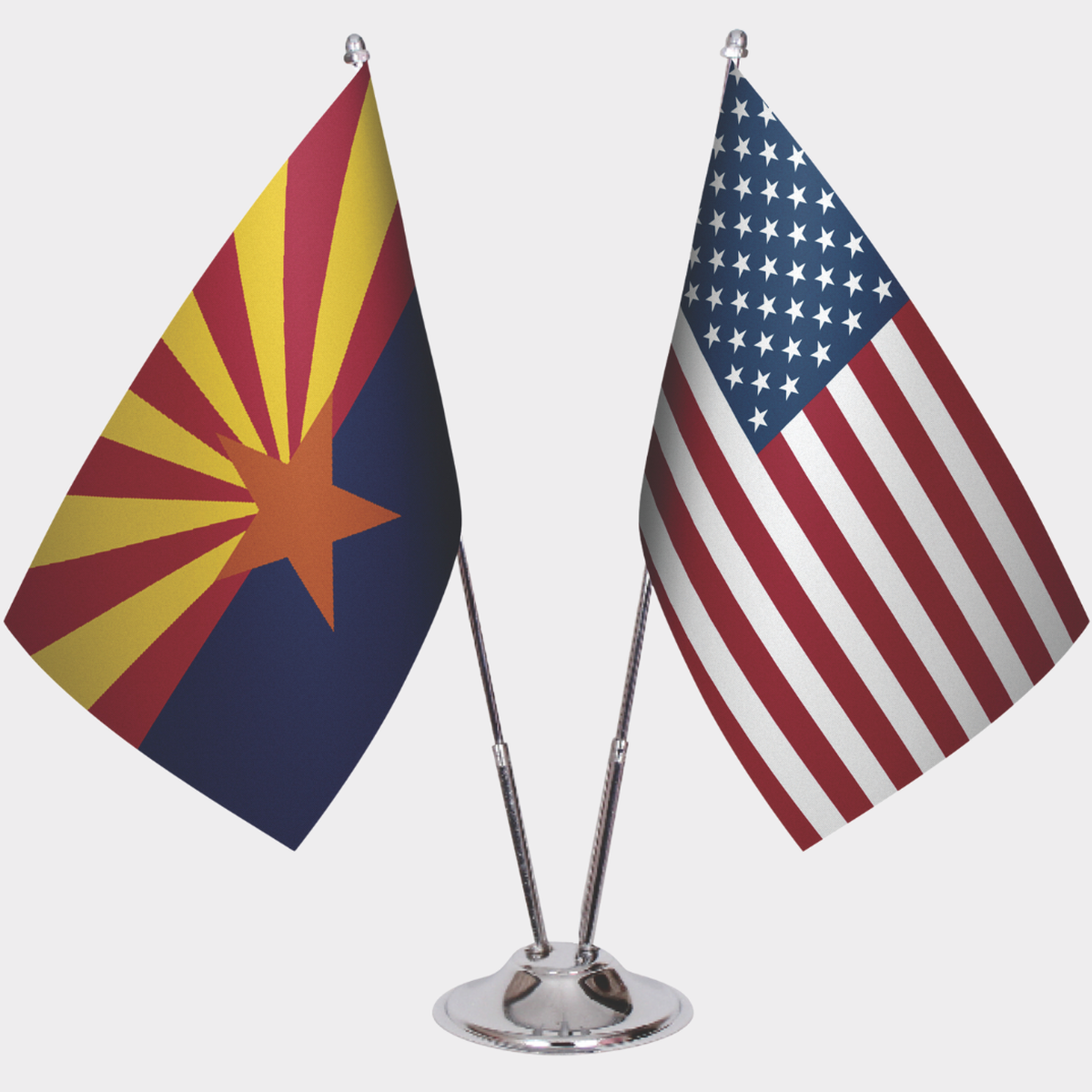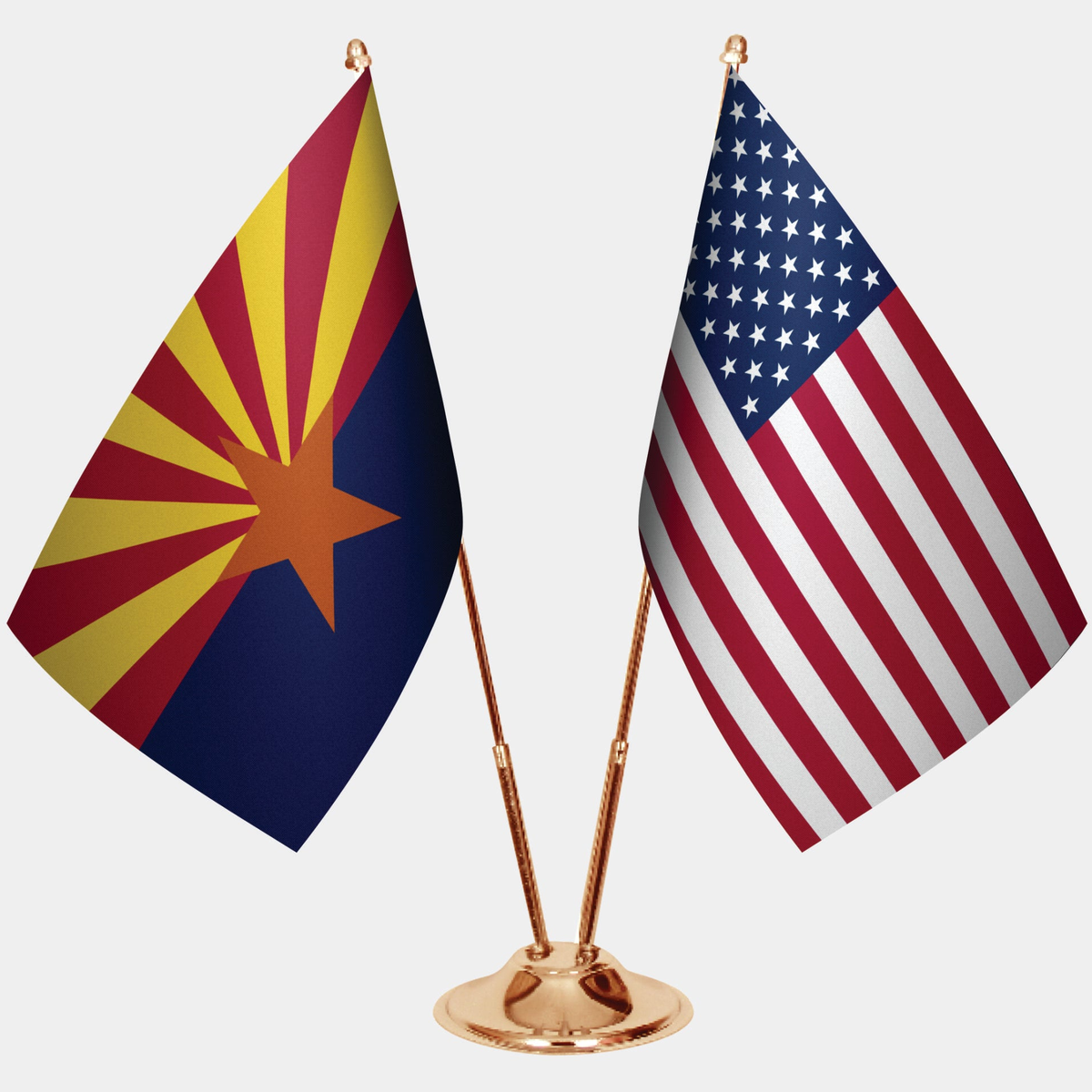
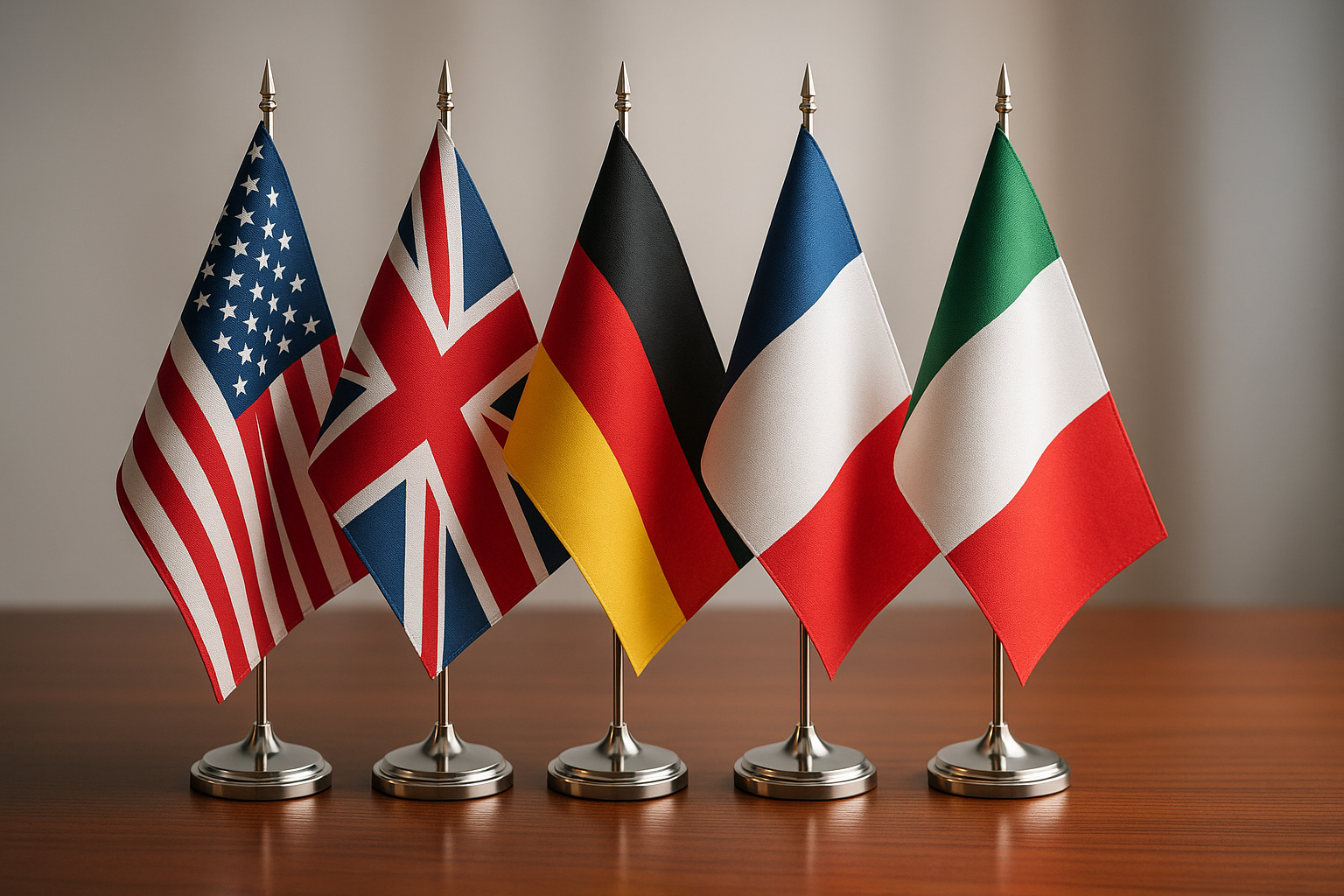
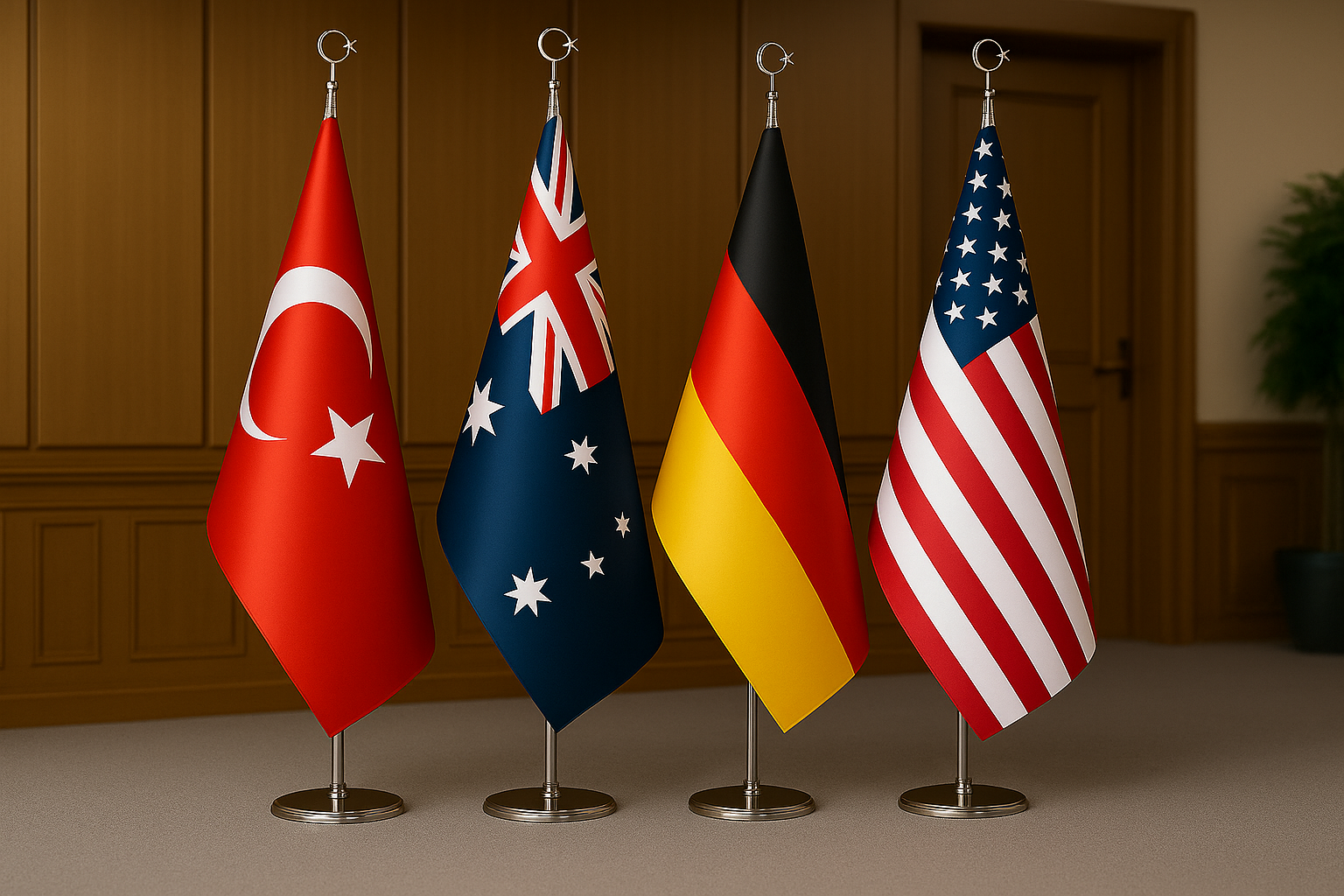
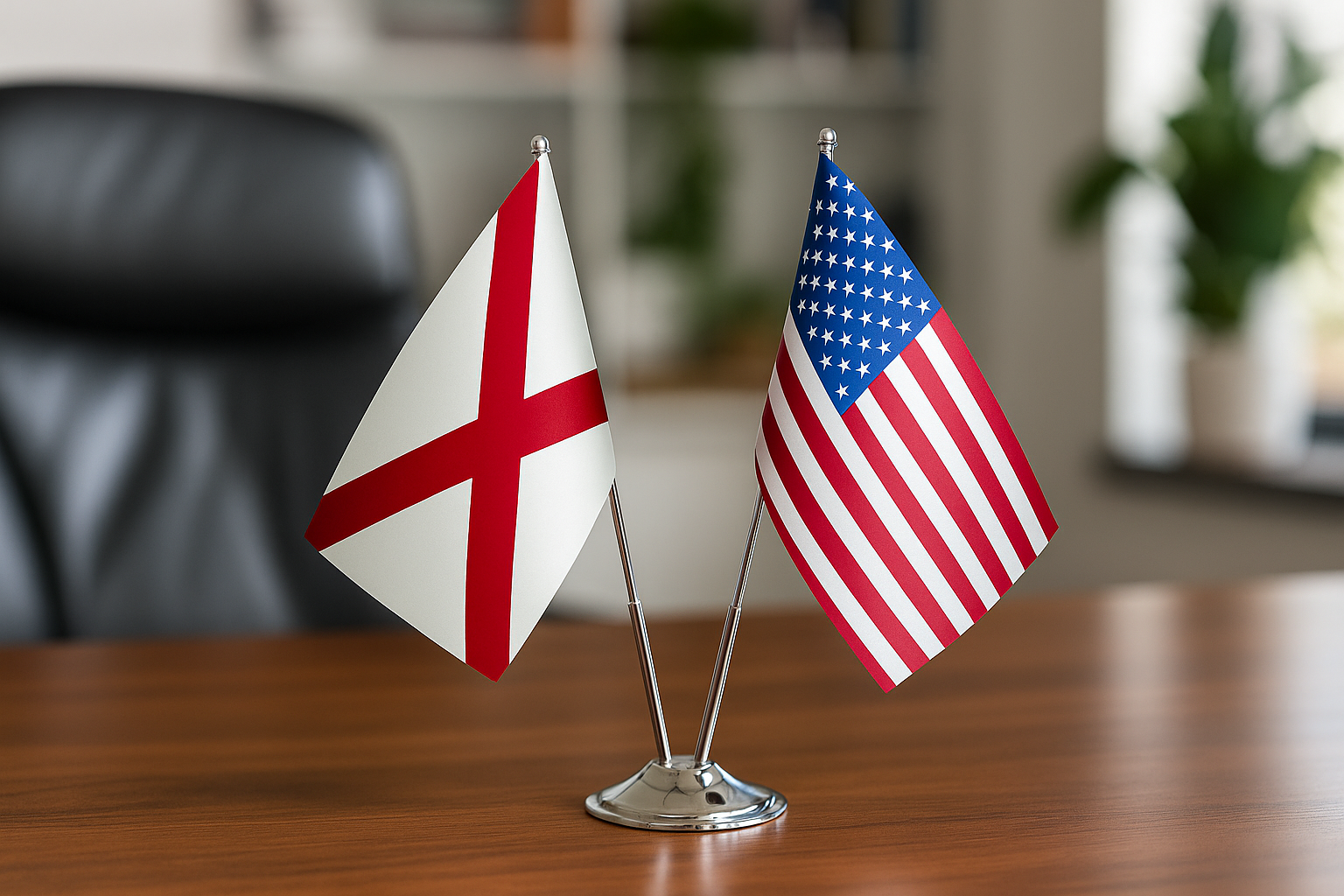

Flags fade primarily because ultraviolet (UV) radiation from sunlight breaks down the chemical bonds in dyes and pigments, causing colors to lose their vibrancy over time — a process that is accelerated by heat, moisture, wind abrasion, and the specific fabric type used. Understanding why flags fade helps you choose the right material, care routine, and replacement schedule so your flag always flies with the dignity it deserves.
Whether you're flying a USA Outdoor Flag in front of your home, a corporate banner at your business, or a national flag at an institution, color loss is the single most visible sign of flag wear — and it's almost entirely preventable with the right knowledge.
The Science Behind UV Fading in Flags
UV fading occurs when photons in the ultraviolet spectrum (wavelengths between 290 and 400 nanometers) carry enough energy to break the covalent bonds within dye molecules, permanently altering the chromophore structure that gives color its visible wavelength. In practical terms, this means that every hour a flag spends in direct sunlight, thousands of tiny molecular reactions are quietly stripping away its color.
There are two primary UV bands responsible: UVA (315–400 nm), which penetrates deeply and causes gradual, cumulative fading, and UVB (280–315 nm), which is more energetic and causes faster surface degradation. Synthetic dyes used in flag printing — reactive dyes, acid dyes, and disperse dyes — all respond differently to UV exposure. Disperse dyes used on polyester tend to have better UV stability than reactive dyes on cotton, which is one reason polyester has become the dominant material in outdoor flag manufacturing. FIAV (Fédération internationale des associations vexillologiques) standards acknowledge UV resistance as a key quality benchmark for flags intended for prolonged outdoor display.
Why Some Colors Fade Faster Than Others
Not all flag colors fade at the same rate — red and yellow pigments are typically the most UV-vulnerable, while blue and green dyes tend to be more photostable, meaning a tricolor flag can develop an uneven, washed-out appearance even before the fabric itself shows wear. This is a critical point that flag buyers often overlook until it's too late.
The chemistry behind this disparity lies in the molecular structure of the dye. Red dyes, particularly azo-based compounds, have chromophore bonds that are relatively weak against UV photon bombardment. Yellow dyes, often derived from flavonoid or azo structures, suffer a similar vulnerability. Blue dyes, especially phthalocyanine-based compounds, have a more stable ring structure that resists photodegradation. This is why a faded American flag so often shows a noticeably pinkish or white stripe before the blue canton loses its depth. If you're curious about how specific flag colors carry symbolic weight, our article on what the colors on flags mean provides deeper context on why preserving those exact hues matters symbolically and not just aesthetically.
The Role of Fabric Material in UV Resistance
 The fabric your flag is made from is arguably the single biggest determinant of how quickly UV fading will set in — polyester and nylon both outperform cotton significantly, but they behave differently under UV stress. Nylon is lightweight, dries quickly, and is well-suited to light-to-moderate wind environments; it typically offers a lifespan of 6 to 12 months in full outdoor exposure before noticeable fading begins. Polyester is heavier, more abrasion-resistant, and generally rates around 80% UV resistance when manufactured with UV-stabilizing additives, making it the preferred choice for high-wind coastal or rooftop installations with a lifespan of 12 months to 2 years. Cotton, while historically prestigious and aesthetically warm, absorbs moisture readily — and that moisture accelerates both UV photodegradation and microbial breakdown simultaneously, giving it the shortest outdoor lifespan of the three. For a standard outdoor display, a quality USA Outdoor Flag made from solution-dyed polyester offers the best balance of UV stability and structural durability available on the market today.
Solution dyeing — where pigment is infused into the polymer fiber before it is extruded, rather than applied to the surface after weaving — is the gold standard for UV resistance in flag fabrics. Because the color exists throughout the fiber rather than sitting on top, there is no surface layer for UV radiation to strip away. Flags made with solution-dyed fibers can resist fading up to 5 times longer than surface-printed alternatives under equivalent sun exposure. When evaluating flag manufacturers, always ask whether the fabric uses solution-dyed yarn or post-production printing, as this single variable has an outsized impact on long-term color retention.
Environmental Factors That Accelerate Flag UV Fading
Beyond raw UV radiation, several environmental factors compound the rate of flag UV fading — heat, humidity, wind abrasion, and airborne pollutants all work in concert with sunlight to degrade color and fabric integrity faster than UV alone would. A flag in Phoenix, Arizona, for example, will fade measurably faster than the same flag flown in Seattle, Washington, even accounting for similar hours of sunlight, because the combination of high UV index and extreme heat creates a synergistic degradation effect.
- Heat: Elevated temperatures (above 90°F / 32°C) accelerate the photochemical reaction rate, meaning dye bonds break down faster in hot climates. Thermal cycling — repeated heating and cooling — also stresses fiber structure.
- Humidity and Rain: Water acts as a solvent that can leach surface dyes from fabrics, particularly cotton and lower-grade polyester blends. Wet flags also attract mildew, which produces acids that further attack dye molecules.
- Wind Abrasion: Constant flapping creates friction between fibers, physically wearing away the dye surface layer and exposing fresh, unprotected fiber to UV radiation. Flags in high-wind environments (15+ mph / 24+ km/h average) may fade 30–50% faster than flags in calm conditions.
- Air Pollution: Ozone and nitrogen oxides in urban environments oxidize dye compounds, particularly attacking red and orange pigments. This is a significant but often overlooked cause of premature fading in city installations.
- UV Index by Region: The USDA UV Index scale runs from 0 to 11+; flags flown in southern states (Florida, Texas, Arizona) routinely experience UV Index values of 9–11+ during summer months, dramatically shortening expected service life compared to northern installations.
How US Flag Code and Display Standards Relate to Fading
The US Flag Code (4 USC §§ 1–10) does not prescribe specific replacement intervals or fading thresholds, but it does state that the American flag should be displayed in a condition that is representative of respect for the nation — a worn, faded, or tattered flag is considered disrespectful and should be retired with dignity. This means that flag fading is not merely an aesthetic inconvenience; it carries a genuine civic and ceremonial obligation to replace flags before they become visibly degraded.
The Flag Code specifically notes in 4 USC § 8(k) that a flag "that is no longer a fitting emblem for display" should be destroyed in a dignified way, most commonly by burning in a formal ceremony often conducted by the American Legion or Boy Scouts. From a practical standpoint, most flag professionals recommend inspecting outdoor flags monthly and replacing them when colors have faded more than approximately 20–25% from their original vibrancy, or when any fraying is visible at the fly end. For organizations flying multiple flags simultaneously — such as nonprofits, churches, or municipal buildings — our comprehensive guide on outdoor flags for nonprofits, churches, and houses of worship provides detailed guidance on maintenance schedules and display standards tailored to institutional use.
Practical Tips to Slow Flag Fading and Extend Lifespan
You can meaningfully extend the life of any outdoor flag by combining smart material selection with disciplined care habits — most flags fade 40–60% faster than necessary simply because of avoidable exposure and neglect. These are evidence-based practices used by professional flag installers and government facilities managers.
- Bring flags indoors overnight: Up to 30% of total UV exposure accumulates during early morning and late afternoon low-angle sunlight hours. Bringing a flag indoors from dusk to dawn can add weeks or months to its useful life.
- Retire flags during severe weather: High-wind events (storms, gusts above 30 mph / 48 km/h) cause more abrasion damage in a single day than weeks of calm-weather flying.
- Use UV-protective sprays: Commercial UV-inhibitor sprays designed for fabrics can add a measurable layer of protection, particularly for cotton or lower-grade polyester flags. Reapply every 3–4 months.
- Rotate flags on a schedule: If you fly flags continuously at a business or institution, maintaining two flags in rotation — alternating weekly — effectively doubles the lifespan of each individual flag.
- Rinse periodically: Rinsing a flag with clean water (no detergents) every 4–6 weeks removes salt, pollution particles, and mildew spores that accelerate chemical degradation of dyes.
- Choose the right size for wind conditions: An oversized flag on a short pole in a high-wind location flaps violently and undergoes extreme abrasion. Matching flag size to pole height and typical wind speed significantly reduces wear.
Flags Collection
Browse our full range of UV-resistant outdoor flags — manufactured with solution-dyed polyester and nylon for maximum color retention in any climate.
Browse Collection →When to Replace a Faded Flag
A flag should be replaced when its colors have visibly lightened to the point where the design is no longer clearly distinguishable at a reasonable viewing distance — typically 20 ft (6 m) for a standard 3 ft × 5 ft (0.9 m × 1.5 m) residential flag. Waiting until a flag is completely sun-bleached or structurally fraying is both unnecessary and, under the US Flag Code, a lapse in proper display standards.
As a general rule of thumb based on average US sun exposure: nylon flags in full sun should be assessed after 6 months; polyester flags after 12 months; and any flag flown in high-UV-index regions (Florida, California, Texas, Arizona) should be inspected every 3–4 months regardless of material. For flags used at events, trade shows, or temporary installations — where concentrated display periods are short but intense — fading may be less of a concern than abrasion damage. The key signal for replacement is always visual: if the colors no longer represent the design with clarity and vibrancy, it is time for a new flag. Exploring how symbolic colors are defined in national flags — as covered in our piece on what the colors on flags mean — underscores just how much visual accuracy matters to the integrity of any flag's message.
Frequently Asked Questions
Why do flags fade so quickly in sunlight? +
Which flag material is most resistant to UV fading? +
Why do red and yellow flag colors fade faster than blue? +
How long does an outdoor flag typically last before fading noticeably? +
Does the US Flag Code require replacing a faded American flag? +
Can you slow down flag UV fading with a protective spray? +
Does wind cause flag fading or just physical damage? +
What is solution dyeing and why does it matter for flag fading? +
Understanding why flags fade — and how to slow that process — is the foundation of responsible flag ownership, whether you're a homeowner, a business, or an institution. For the longest-lasting color retention in outdoor conditions, always prioritize solution-dyed polyester construction, follow a disciplined care and rotation schedule, and replace any flag whose colors no longer represent the design with clarity and respect. Explore the full Flags Collection at Asya Bayrak to find UV-resistant options for every application, or shop specifically for a USA Outdoor Flag built to withstand years of American sun and wind. Bulk pricing is available for corporate, institutional, and government orders — contact us directly for volume quotes and custom specifications.