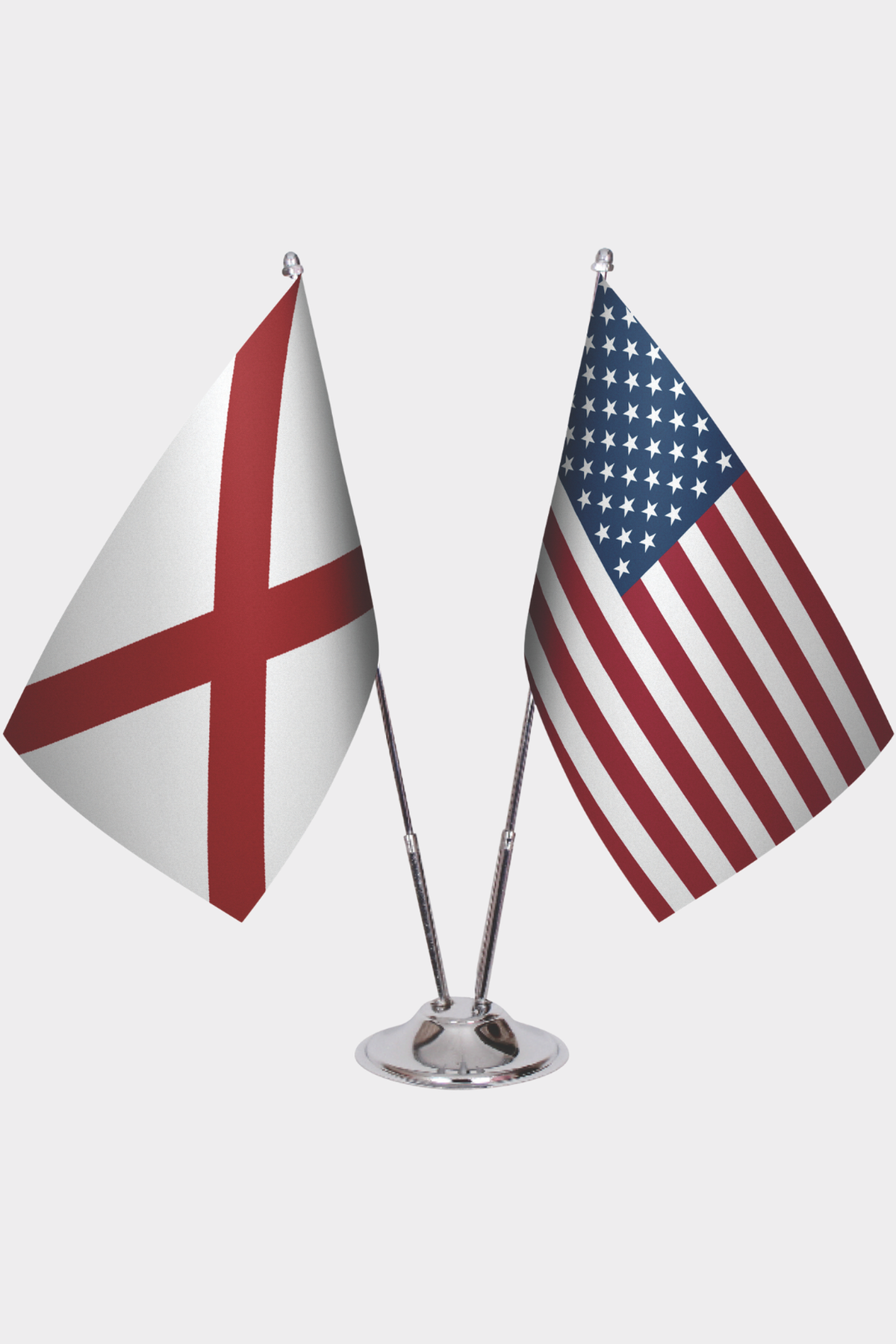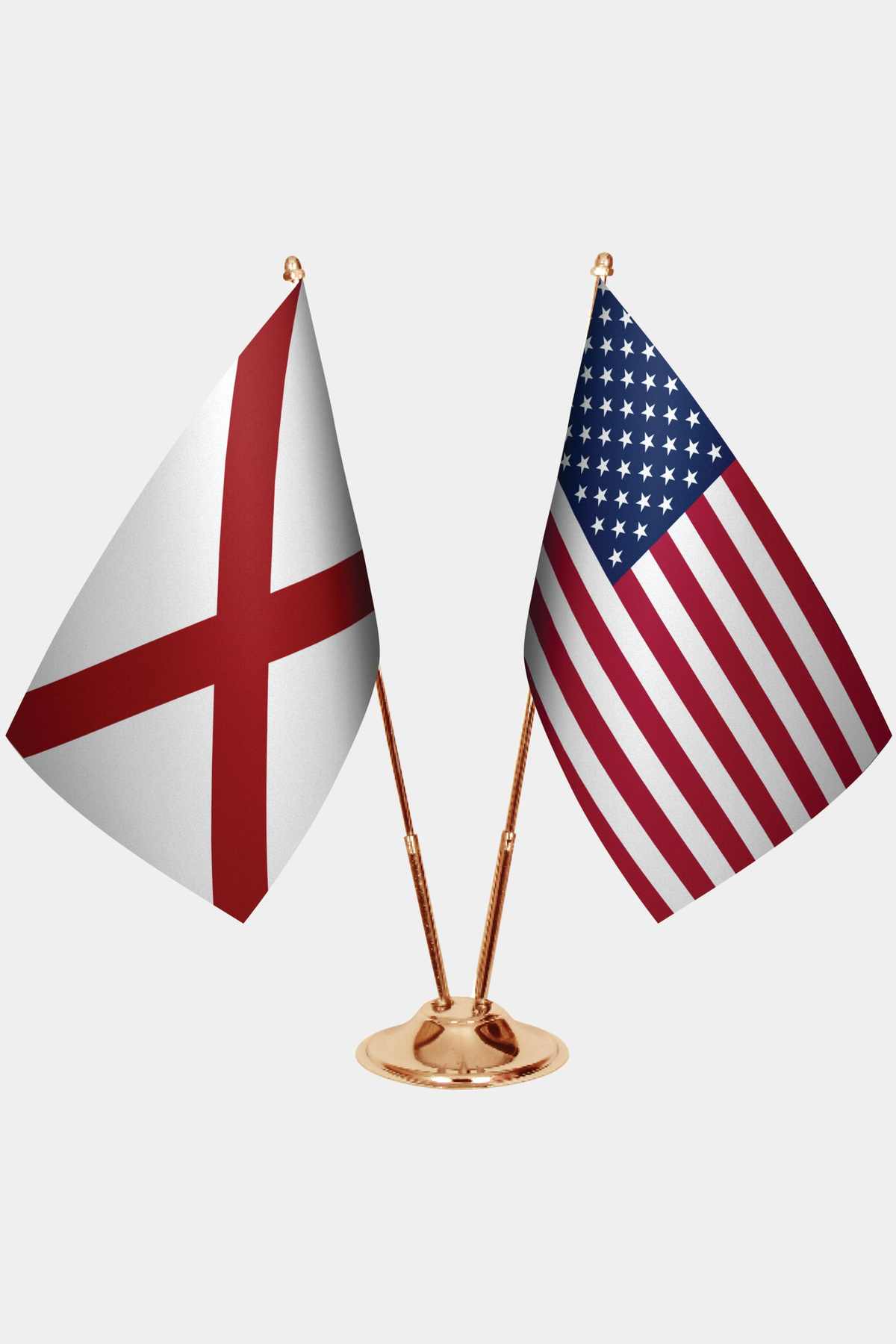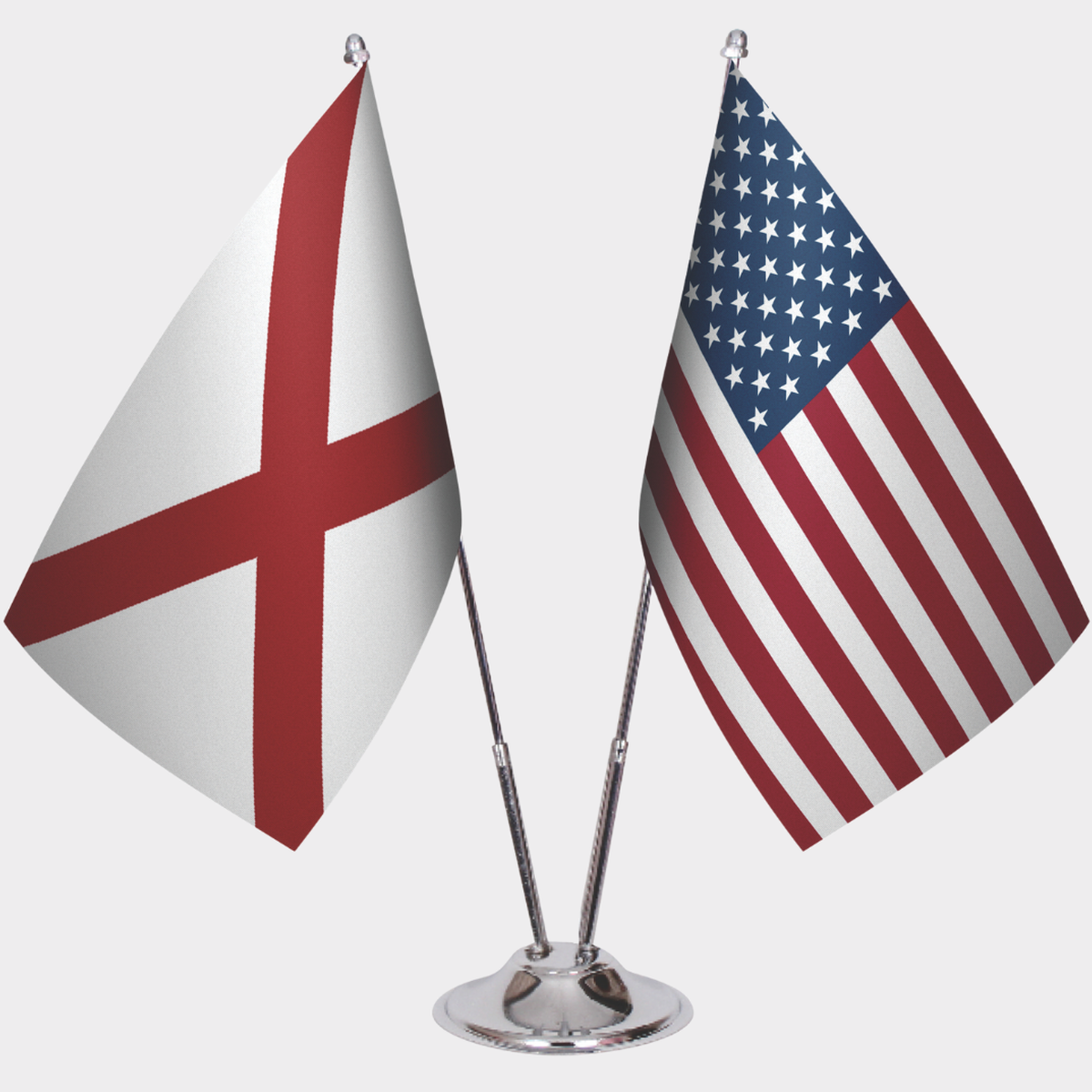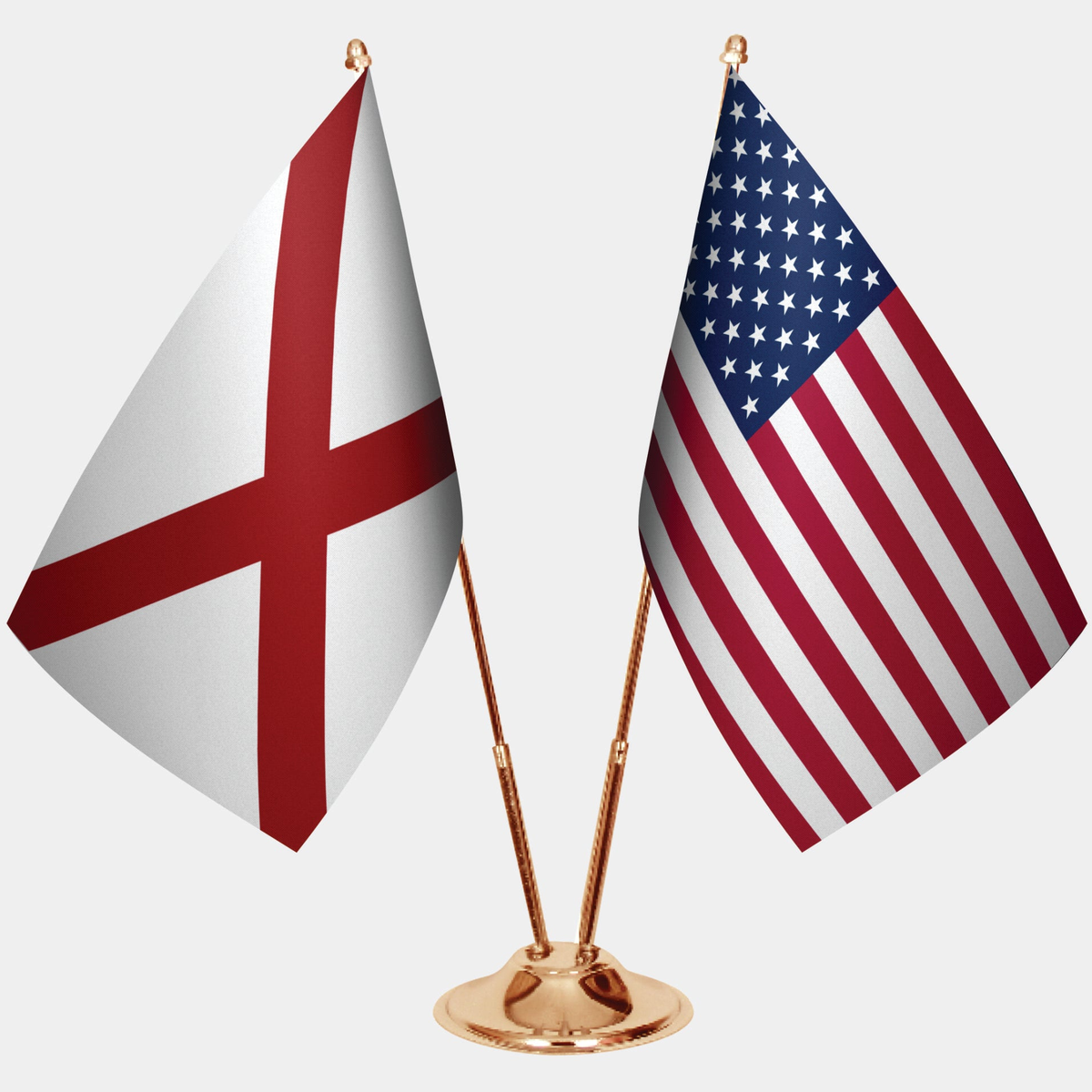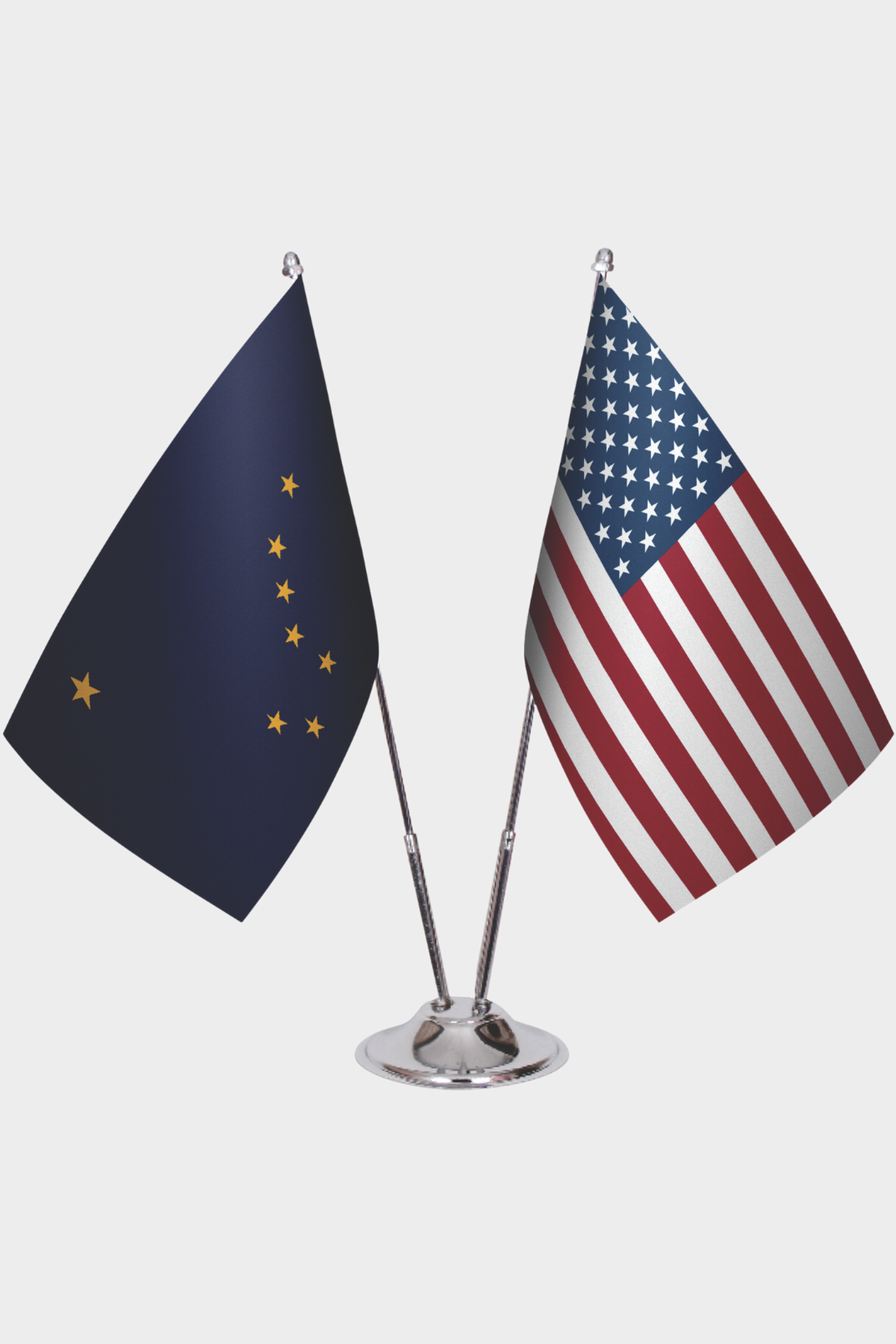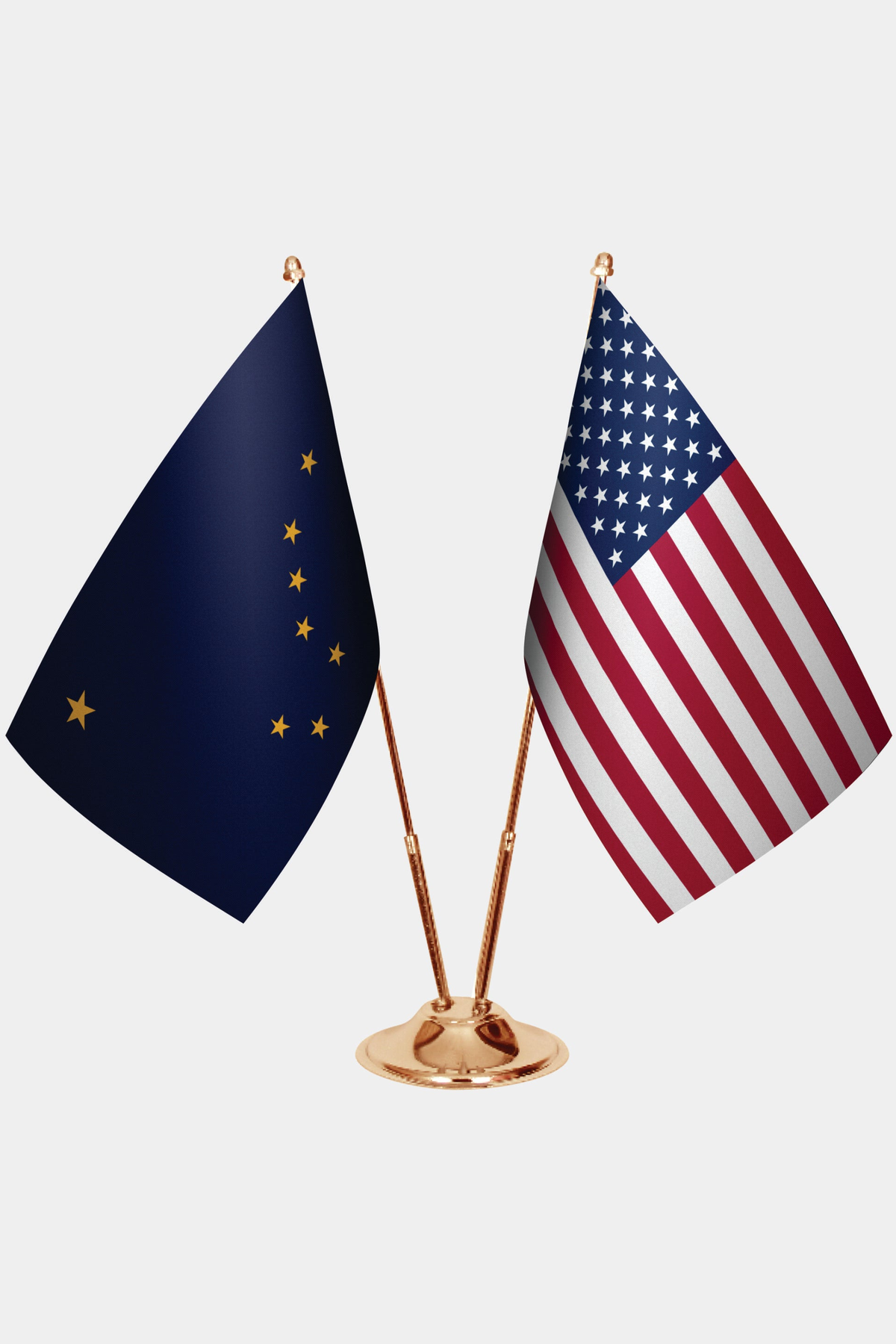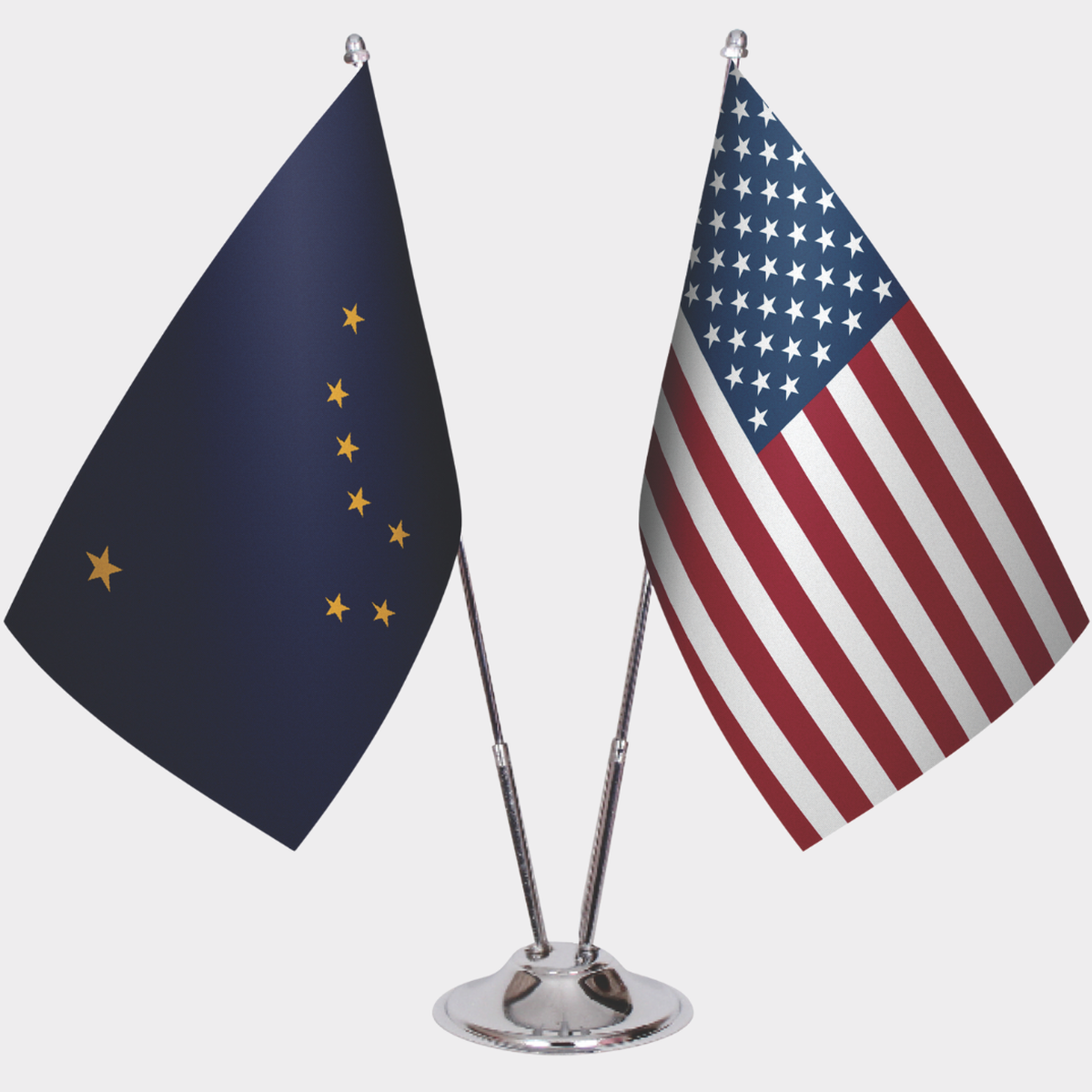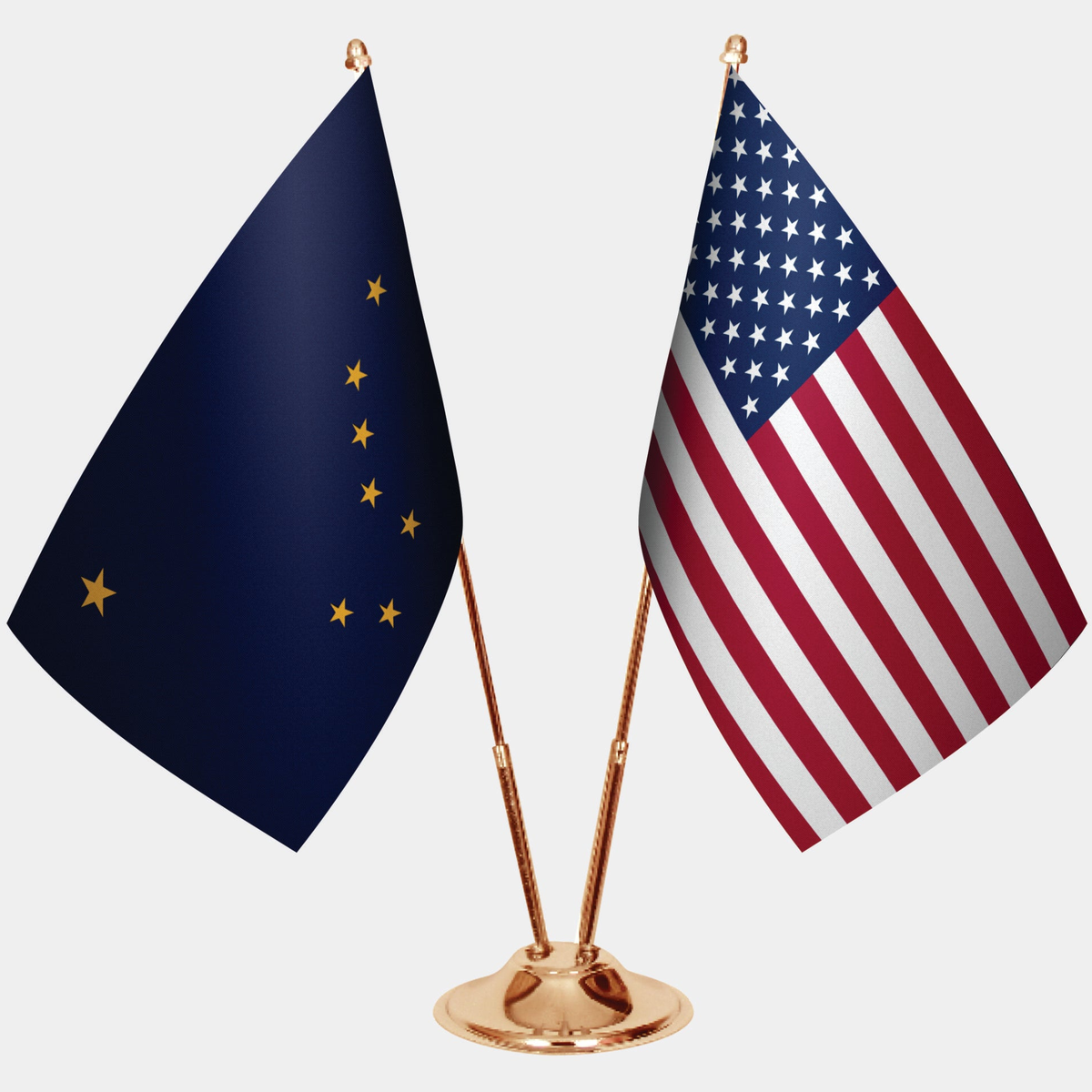
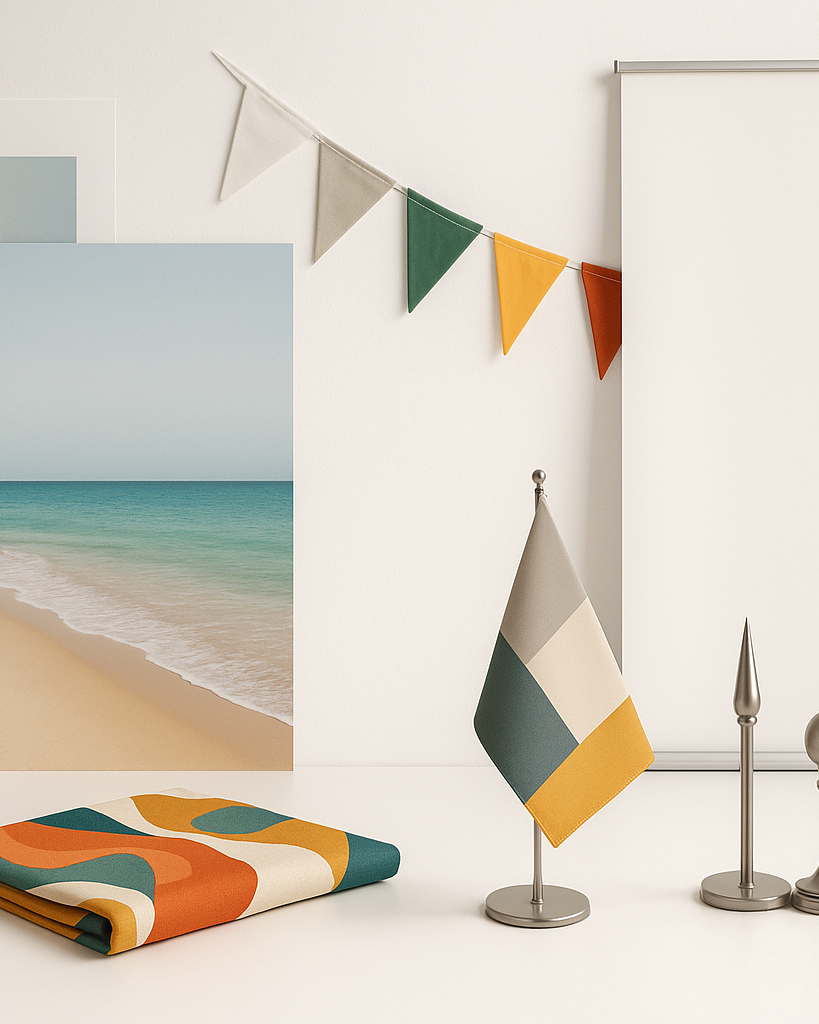
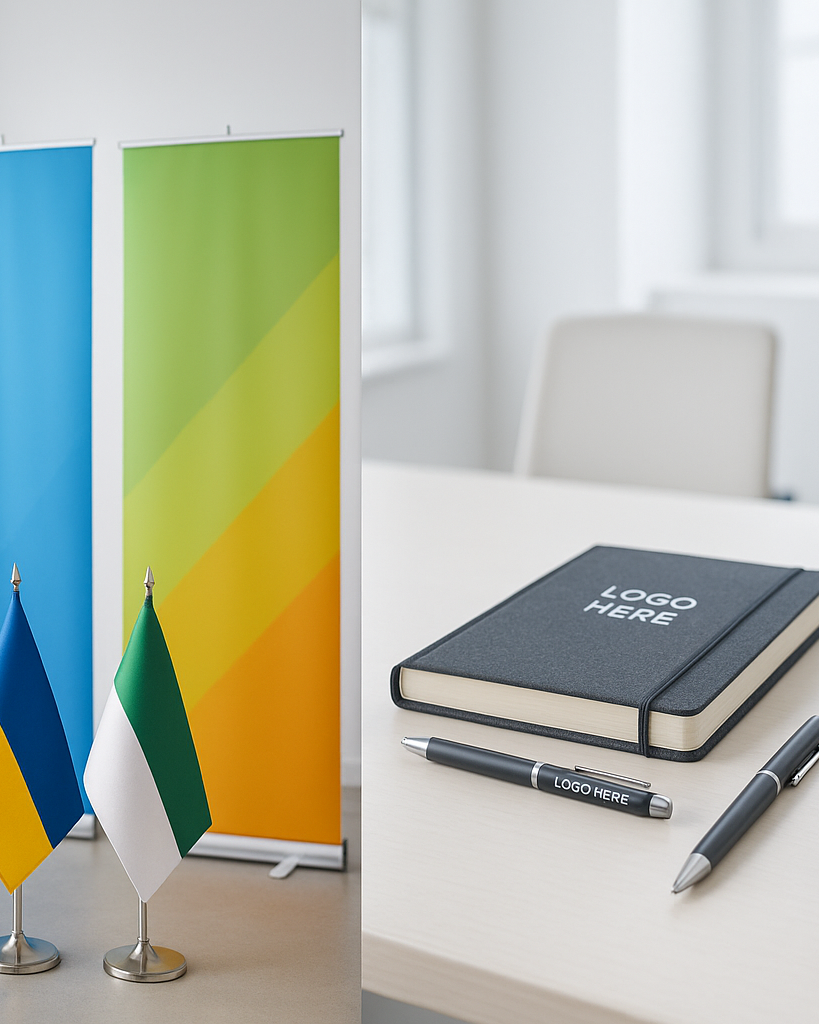
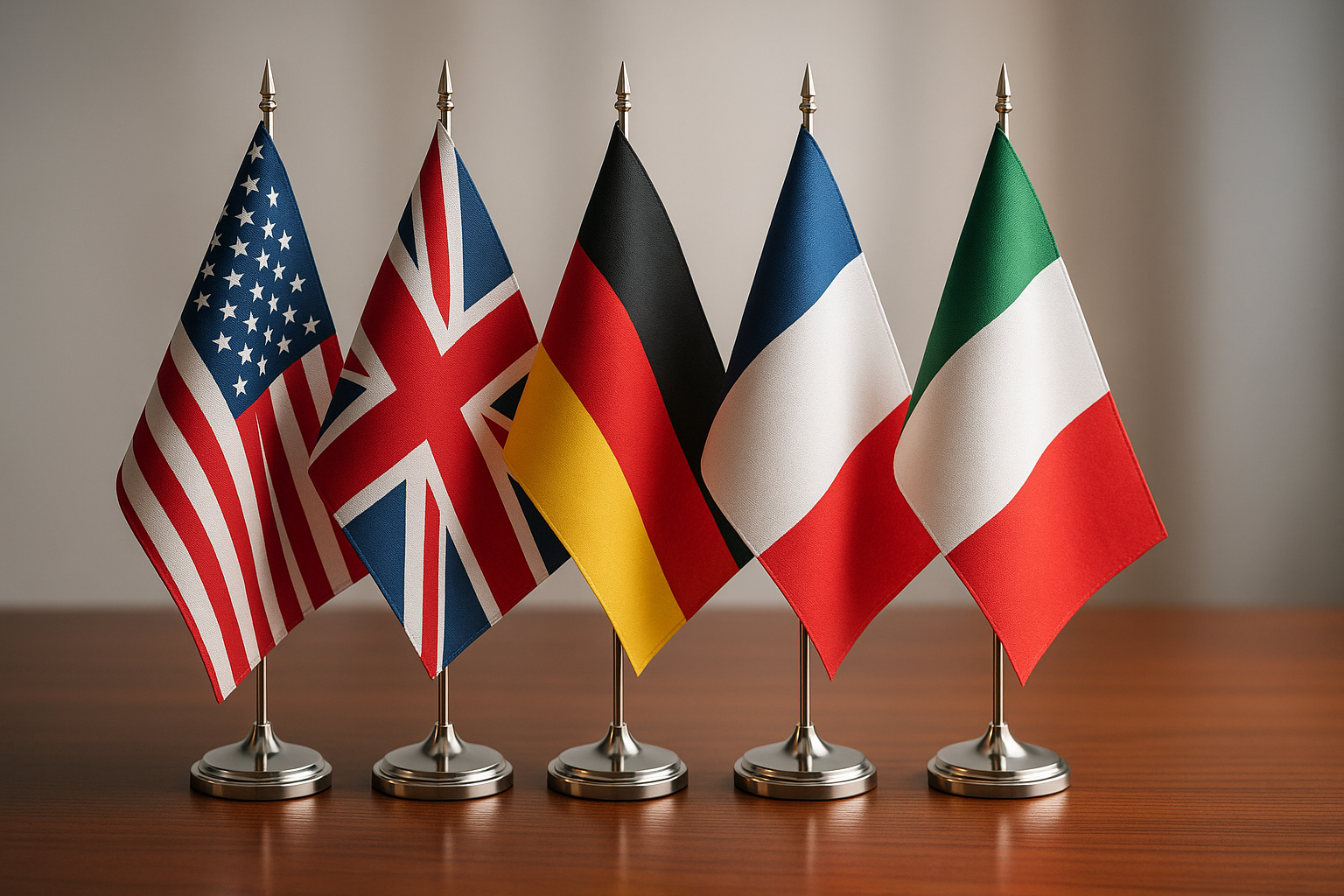
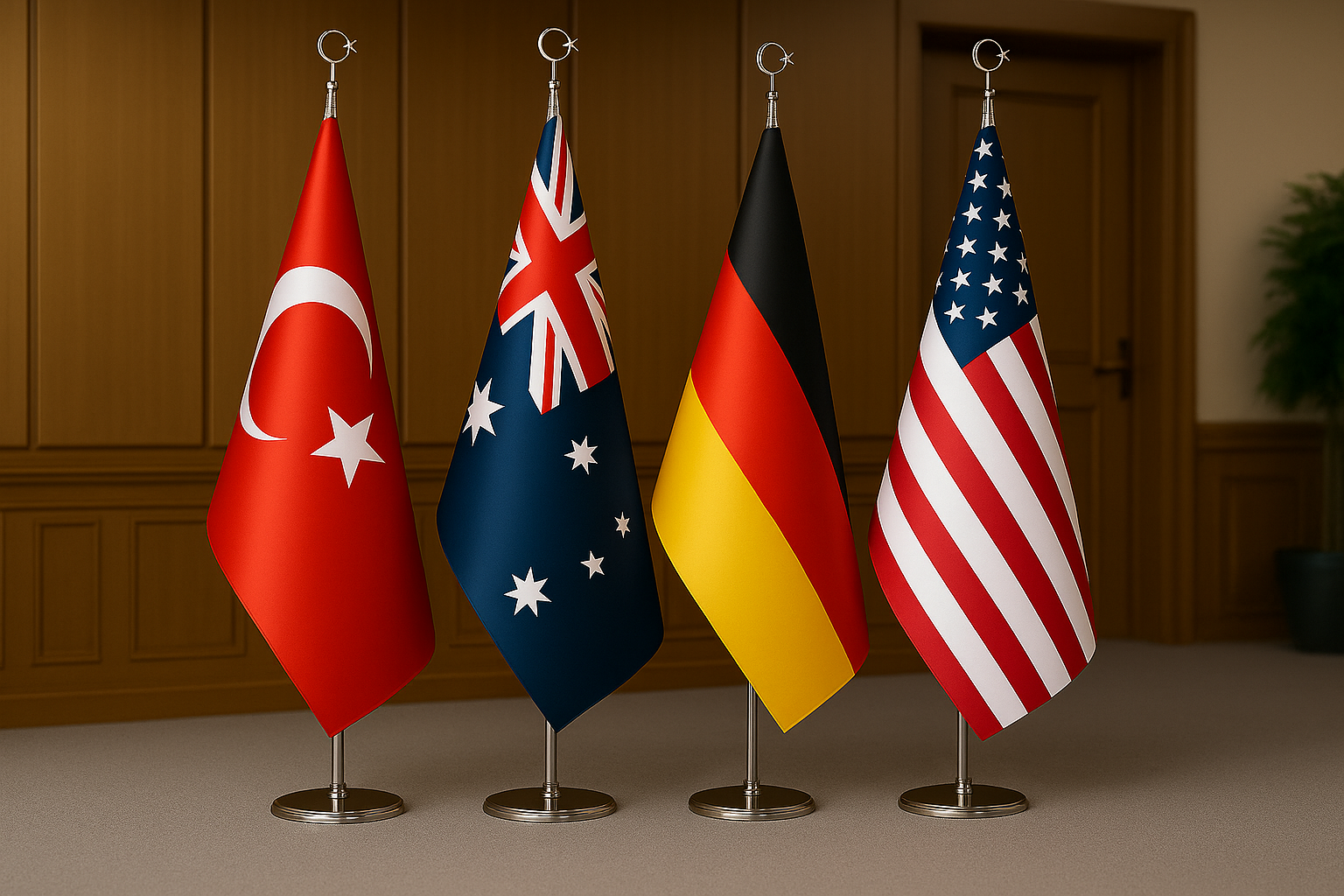
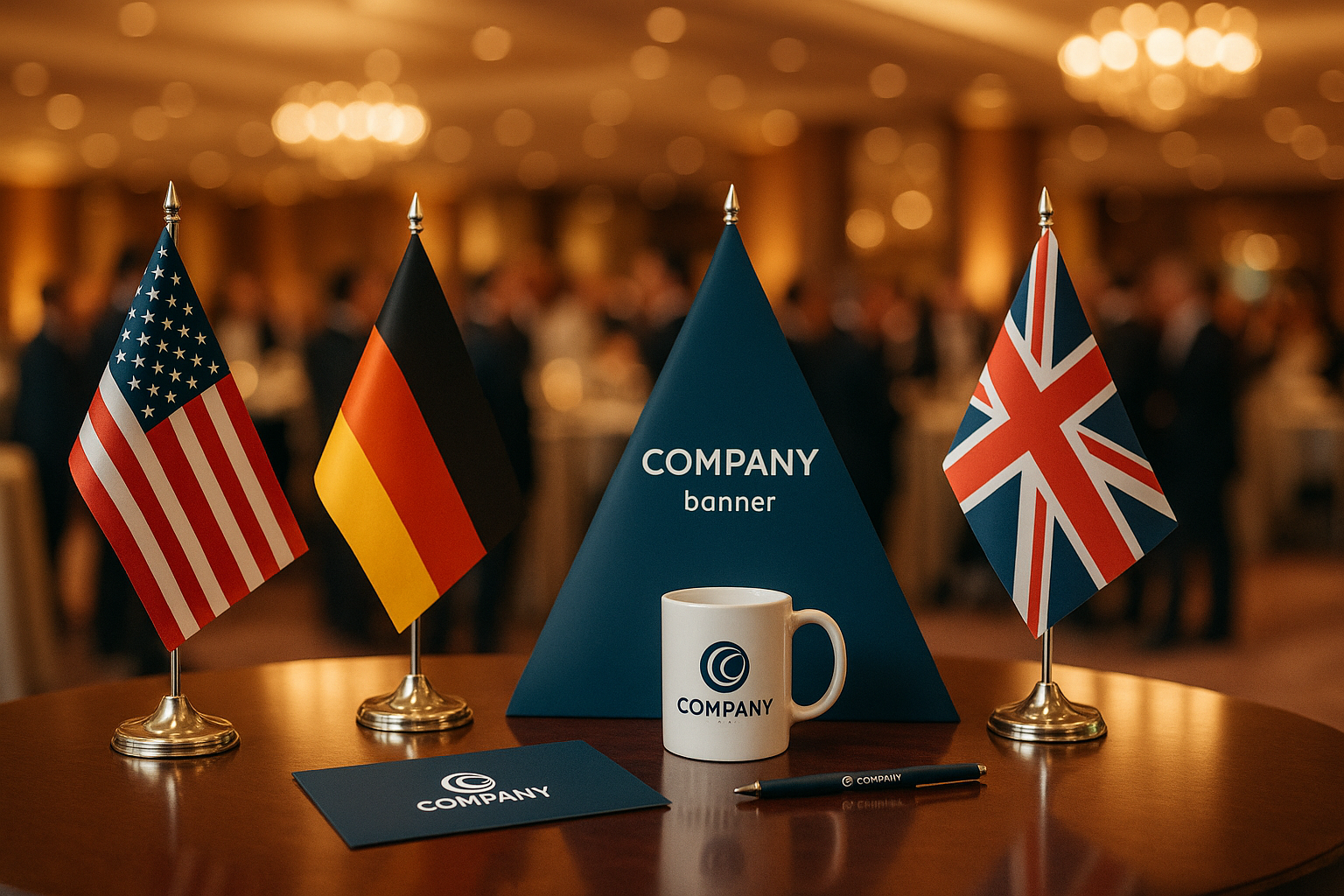

A custom corporate flag is one of the most visible and cost-effective branding tools available to businesses of any size — giving your brand a physical, three-dimensional presence at trade shows, office entrances, events, and retail locations. Whether you need a large outdoor corporate flags collection or a compact desk display, the right flag communicates professionalism, reinforces brand identity, and makes an immediate impression on clients, partners, and employees alike.
Why Custom Corporate Flags Are a Smart Branding Investment
Corporate branding flags deliver a remarkably high return on investment compared to digital advertising, offering permanent, reusable visibility at a one-time cost. Studies in retail and event marketing consistently show that branded physical signage increases consumer recognition by up to 47% and can reduce the cost-per-impression to fractions of a cent over the flag's lifespan of 6 months to 2 years outdoors and 3 to 5 years indoors. Unlike a banner ad that disappears the moment a budget runs out, a well-made company flag continues working around the clock, in all weather conditions, without recurring fees. For businesses entering new markets or participating in trade shows, corporate flags also signal credibility and permanence — qualities that resonate especially with B2B buyers who equate physical branding with organizational maturity. From Fortune 500 headquarters to local retail chains, the decision to invest in custom corporate flags is backed by measurable brand-recall data and decades of real-world use.
Choosing the Right Size and Format for Your Business Flag Design
The correct size for your business flag design depends entirely on where it will be displayed — outdoor pole flags typically range from 3 ft × 5 ft (0.9 m × 1.5 m) to 5 ft × 8 ft (1.5 m × 2.4 m), while indoor and desk flags are commonly 4 in × 6 in (10 cm × 15 cm) or 6 in × 9 in (15 cm × 23 cm). Selecting the wrong size is one of the most common and costly mistakes businesses make in the flag-ordering process.
Outdoor flags mounted on 20 ft (6 m) poles should generally measure at least 3 ft × 5 ft (0.9 m × 1.5 m) to remain legible from a distance of 100 ft (30 m) or more, while roadside or building-top installations may require 5 ft × 8 ft (1.5 m × 2.4 m) or larger. Indoor pole flags used in lobbies or conference rooms typically run 3 ft × 5 ft (0.9 m × 1.5 m) and are mounted on 8 ft (2.4 m) ceremonial poles. Desk flags, feather flags, teardrop flags, and retractable banner flags each follow different dimensional conventions tied to their display hardware. Always confirm your pole or stand hardware specifications before finalizing flag dimensions, since a mismatch wastes both time and money. Industry standards from FIAV (Fédération internationale des associations vexillologiques) recommend flag proportions of 2:3 or 3:5 for most corporate applications, which ensures the design scales predictably across different sizes.
Design Principles for High-Impact Corporate Branding Flags
 Effective corporate branding flag design follows five core principles: simplicity, scalability, color accuracy, readability at distance, and brand consistency. Because a flag is viewed in motion — rippling, twisting, and folding in the wind — complex artwork with thin lines, fine gradients, or intricate text becomes illegible within seconds. The most successful company flag designs use bold, solid-color fields (no more than three colors), a single dominant logo or wordmark occupying 30–50% of the flag's surface area, and high-contrast color pairings that remain distinguishable under varying light conditions. Pantone color matching is strongly recommended for corporate flags, as even slight shifts in dye lots between production runs can make your brand colors appear inconsistent across multiple flags displayed side by side. For businesses managing global brand standards, referencing your brand's Pantone Matching System (PMS) codes when submitting artwork to your manufacturer ensures consistency across markets and materials. You can explore professional logo-printed options in our logo-printed outdoor pole flags collection to see how complex logos translate to durable flag formats.
Typography on corporate flags should be limited to short, high-impact text — a tagline of no more than five words or simply the company name. Body text, URLs, and phone numbers are almost never legible on outdoor flags and only add visual noise. Vector artwork (AI, EPS, or SVG formats) is the industry standard for flag production, as it scales without loss of quality from a 4 in (10 cm) desk flag all the way to a 10 ft × 15 ft (3 m × 4.6 m) building banner. If your logo was designed in raster format (PNG, JPG), work with your manufacturer's art department to trace it into vector format before production begins — a step that typically adds 1 to 3 business days but prevents blurry, pixelated output. Color contrast ratios of at least 4.5:1 between the logo and background flag color are advisable for maximum visibility, particularly in bright sunlight where colors can wash out by as much as 20–30%.
Materials and Printing Methods That Define Flag Quality
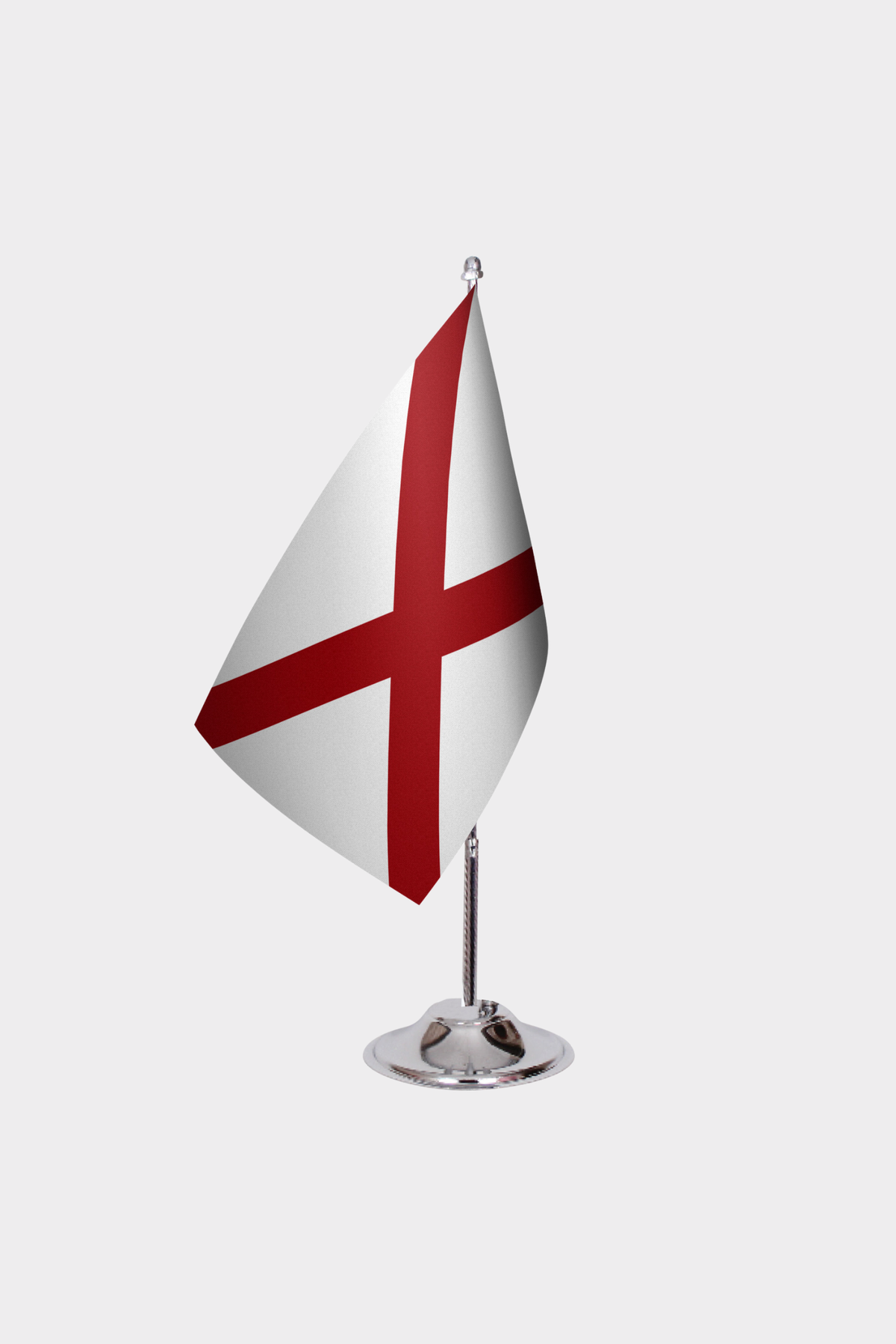
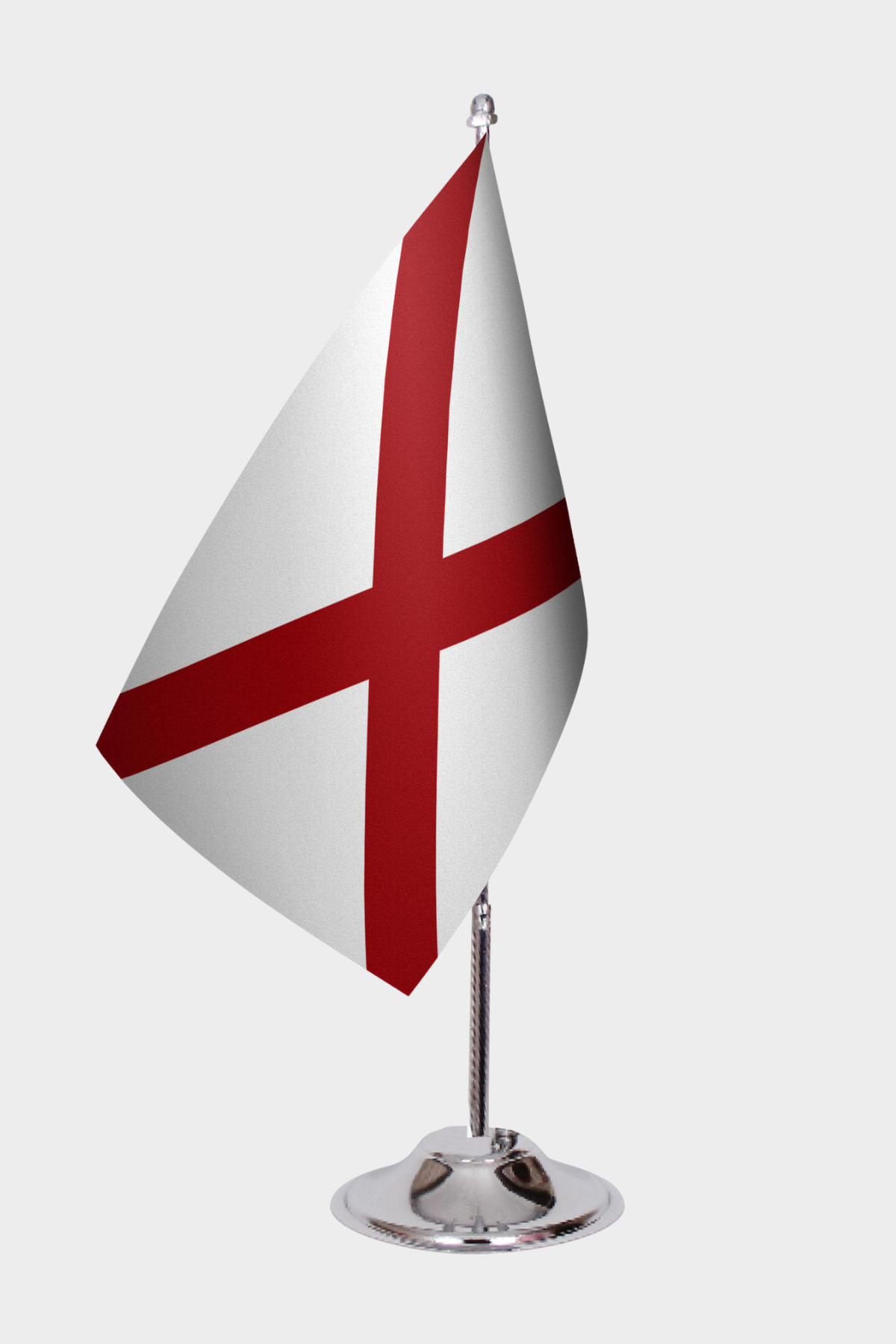
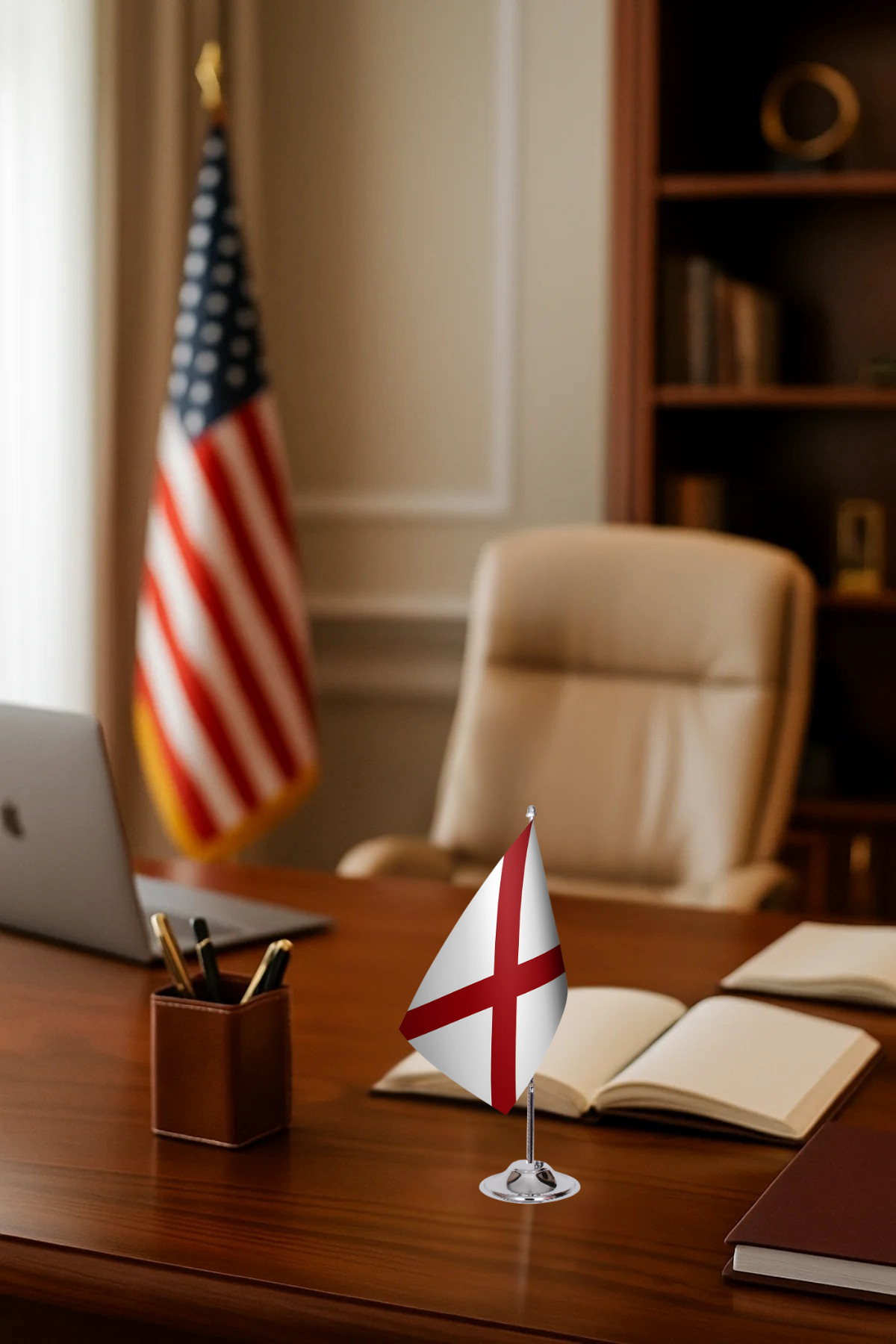
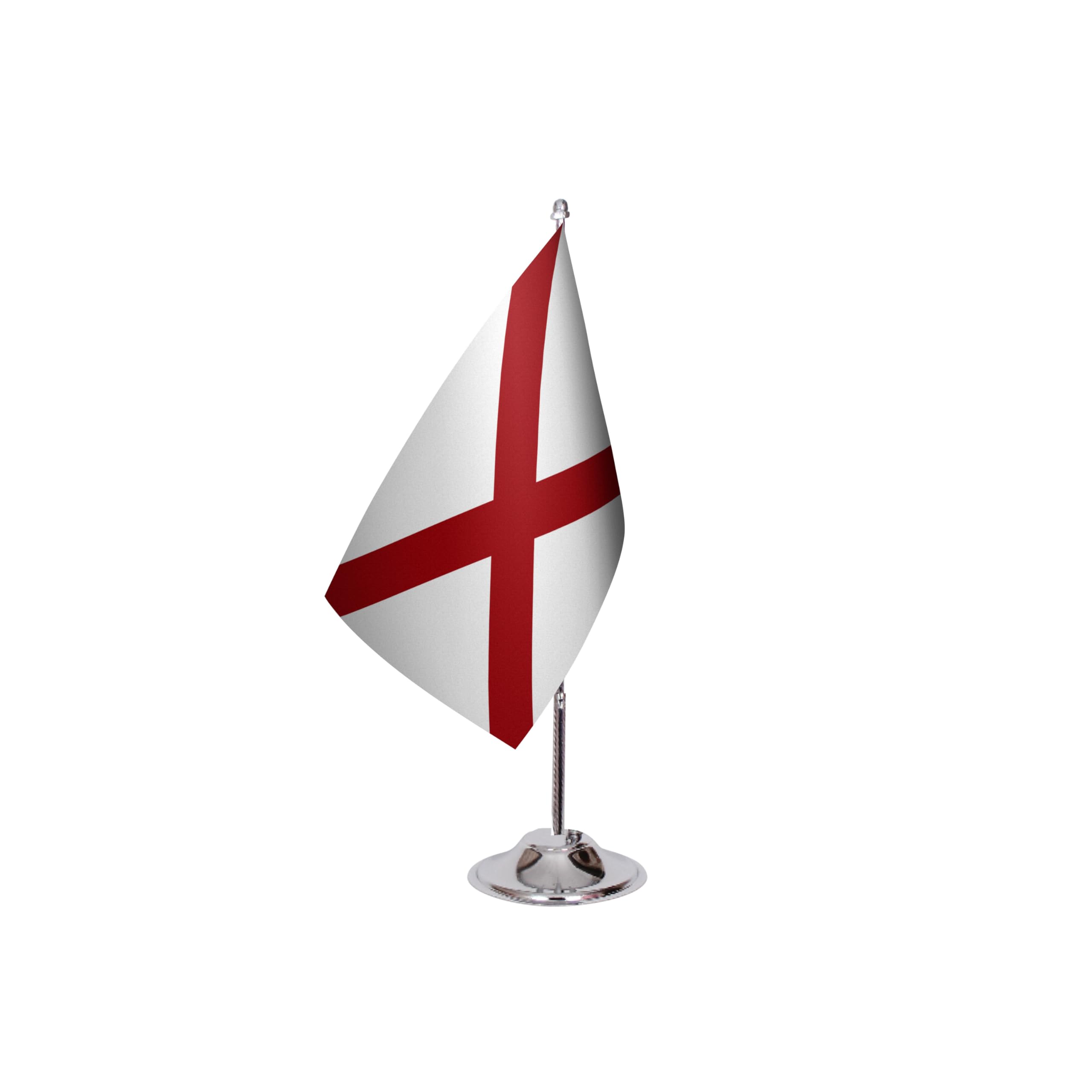
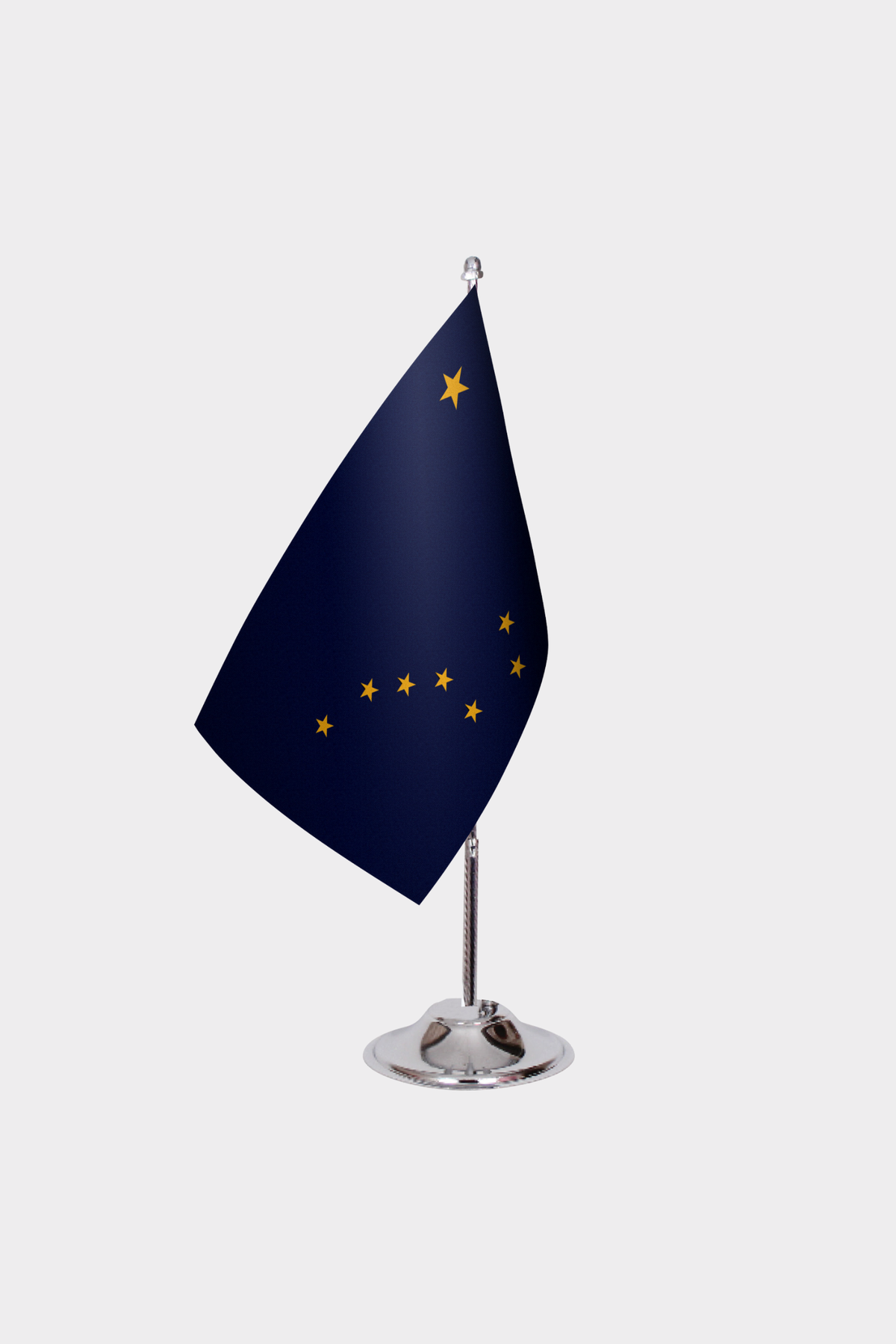
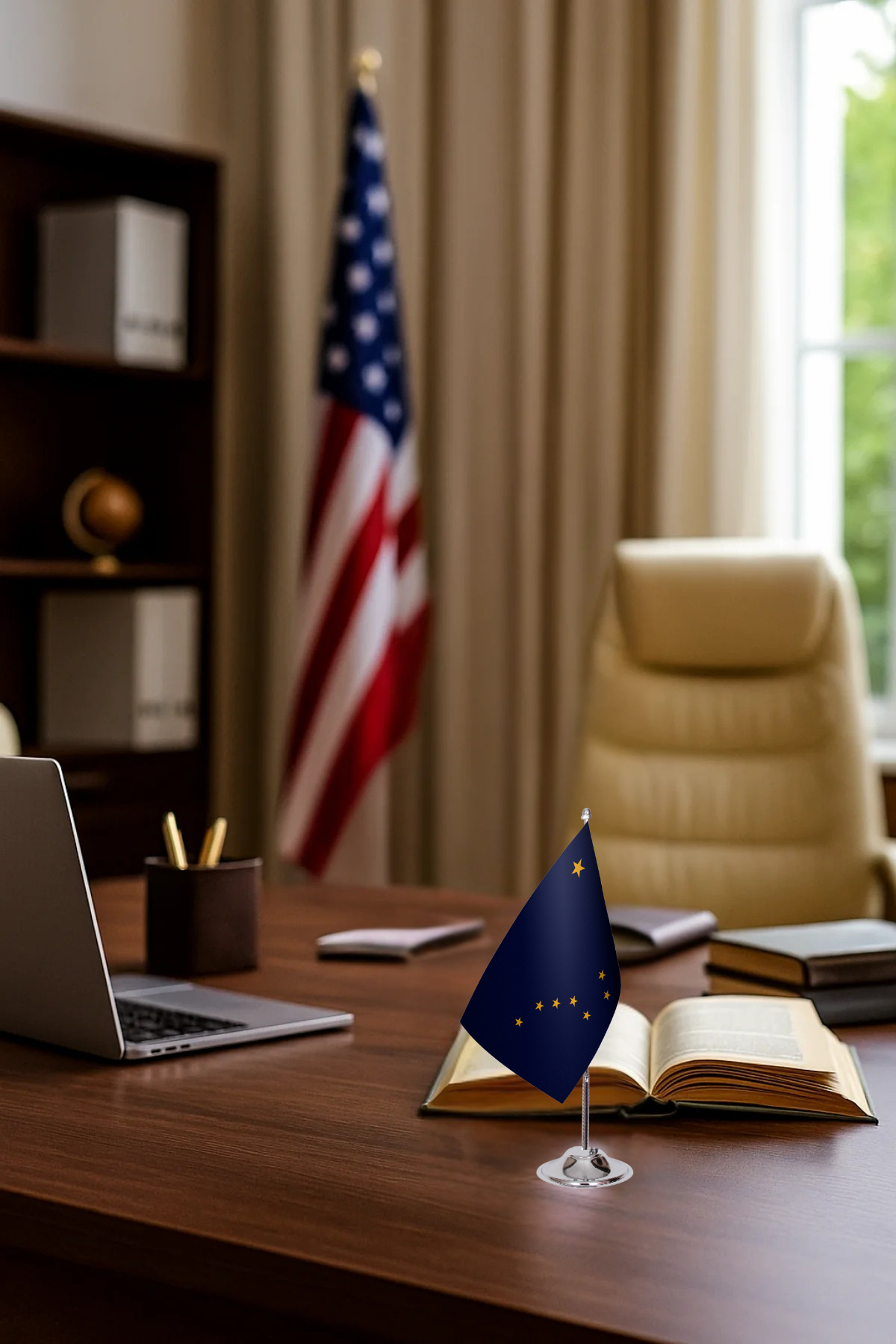
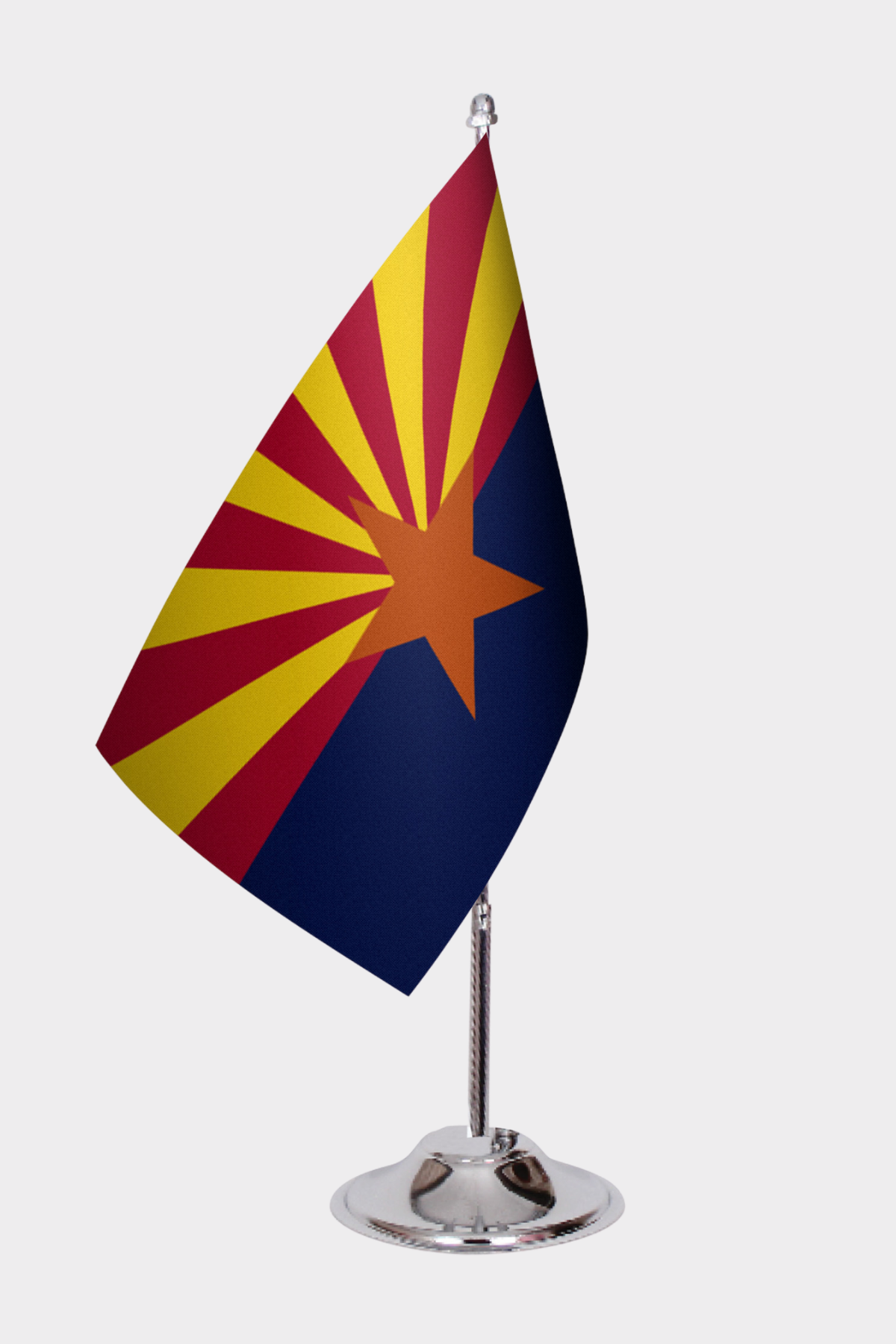
 The material and printing method your manufacturer uses determines not just how good the flag looks on day one, but how long it holds its color and structural integrity under real-world conditions. For outdoor corporate flags exposed to UV radiation and wind, 100% polyester or nylon are the two most widely used fabrics — polyester offers superior print saturation and is approximately 20% more abrasion-resistant than nylon, while nylon is lighter and flies better in low-wind conditions. High-quality outdoor corporate flags should be rated for at least 80% UV resistance, with double-stitched fly hems and reinforced header panels (typically canvas or heavy-weight polyester) to withstand constant stress at the attachment point. Sublimation dye printing is the gold standard for custom corporate flags: ink is bonded directly into the fabric fibers under heat and pressure, producing colors that do not crack, peel, or fade as rapidly as screen-printed or vinyl-applied alternatives. For desk flags and indoor display flags, a lighter 110–130 GSM (grams per square meter) polyester satin or knitted polyester provides crisp color reproduction and a premium appearance suitable for executive offices and reception areas. The logo-printed desk flag is an excellent example of how high-resolution sublimation printing translates even complex corporate logos into a compact, professional display piece.
Finishing details are equally important and are often overlooked in the rush to approve artwork. Grommets (brass or stainless steel, typically 0.5 in / 1.3 cm in diameter) are standard for outdoor flags and should be positioned at the top and bottom of the hoist side. Pole sleeves or tabs are preferred for indoor ceremonial flags, as they give a cleaner appearance without exposed hardware. Wind slits — small vertical cuts near the fly edge — can extend the lifespan of outdoor flags by up to 40% by reducing wind resistance and the mechanical stress that tears fabric along seams. For corporate environments where flags are displayed year-round, requesting double-needle stitching on all four edges adds minimal cost but can extend usable life by several months. Finally, consider whether you need single-sided printing (where the reverse side shows a mirror image) or double-sided construction (two layers of fabric with a light-blocking liner), which is preferred for premium executive and ceremonial applications.
Compliance, Placement, and Protocol for Company Flags
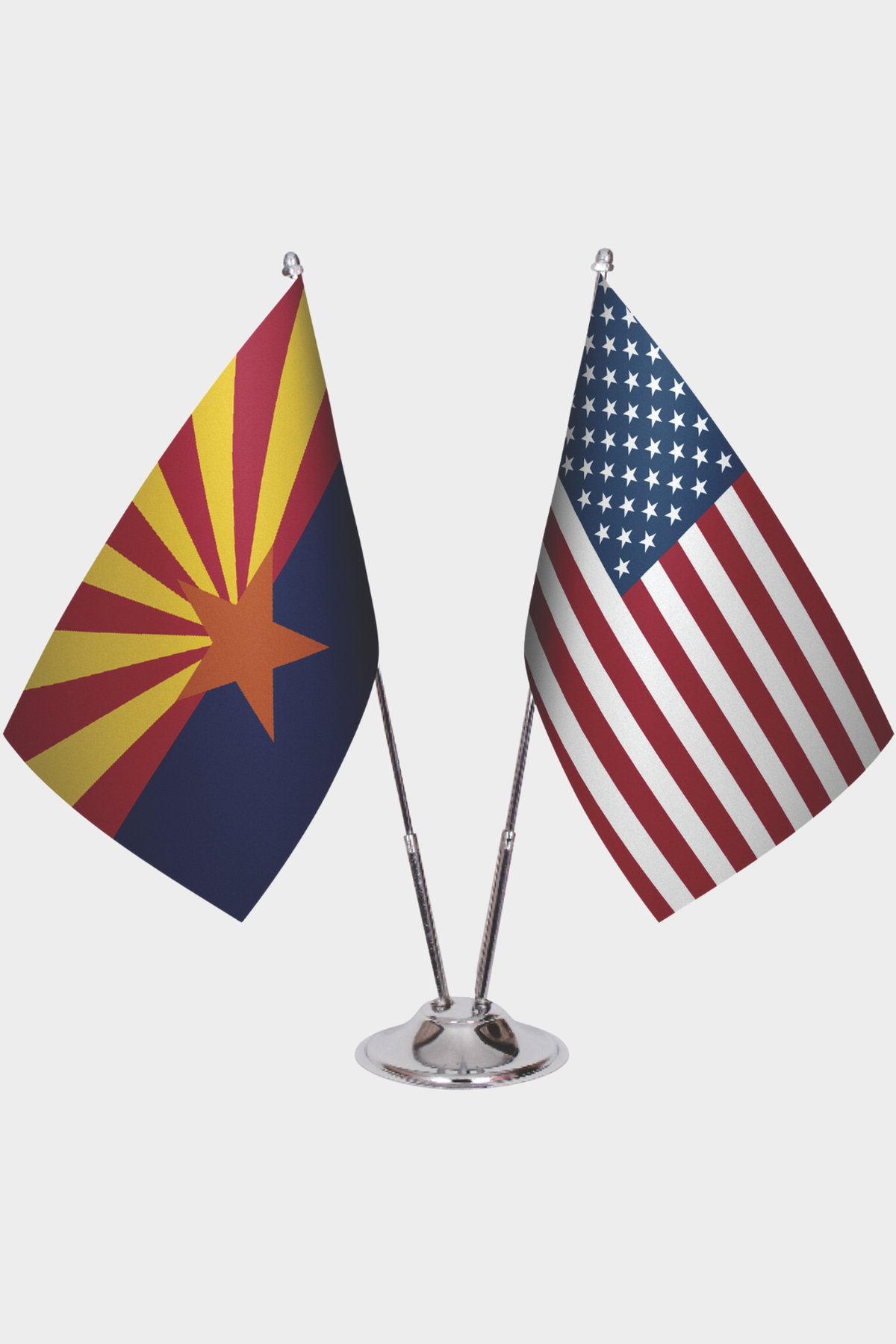
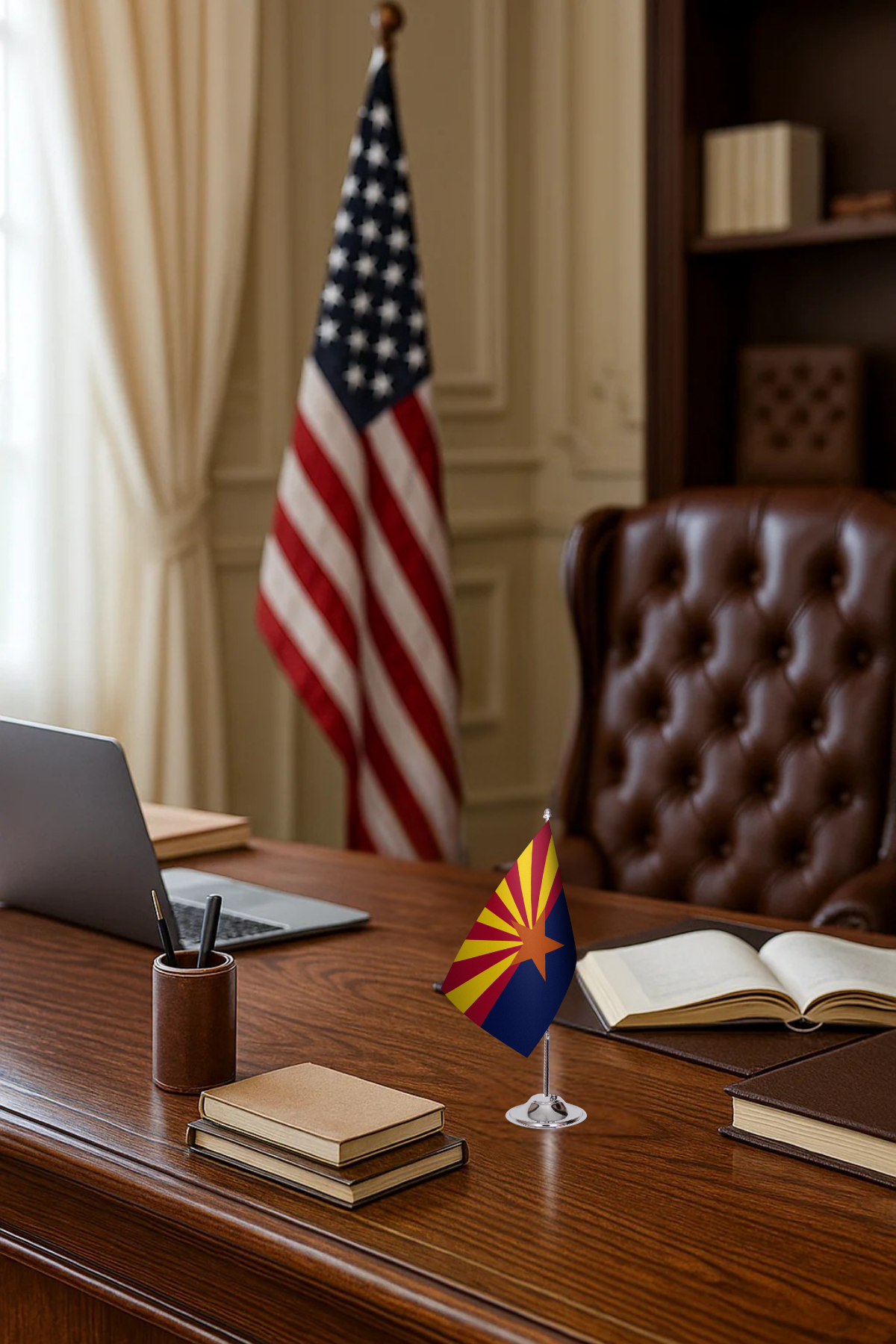
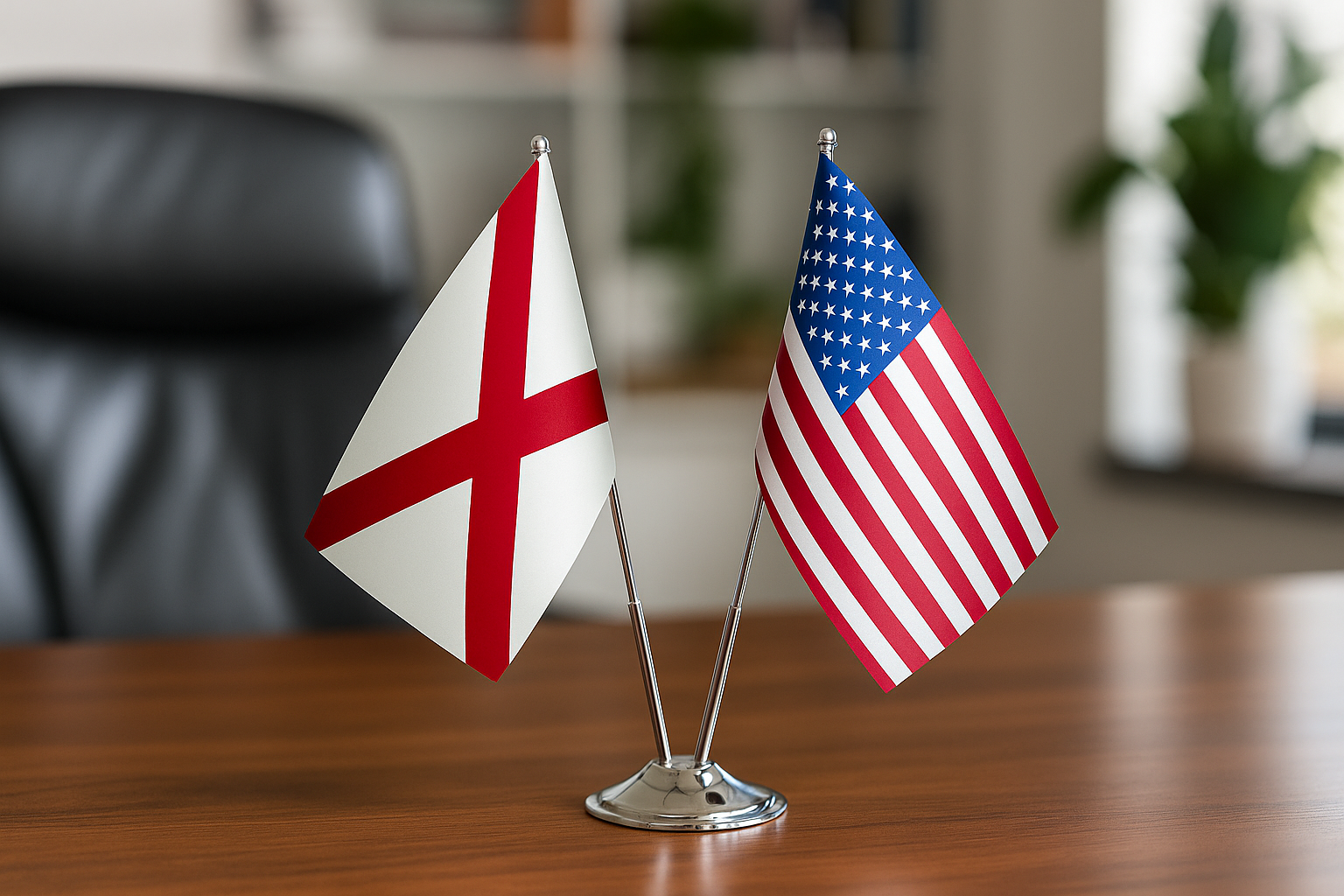
Corporate flags displayed alongside the U.S. national flag must comply with the U.S. Flag Code (4 USC §§ 1-10), which specifies that the American flag must be placed to its own right (the observer's left) and must be at least as large and as high as any other flag in the grouping. Ignoring these protocols can create public relations problems and signal cultural insensitivity to clients and government stakeholders.
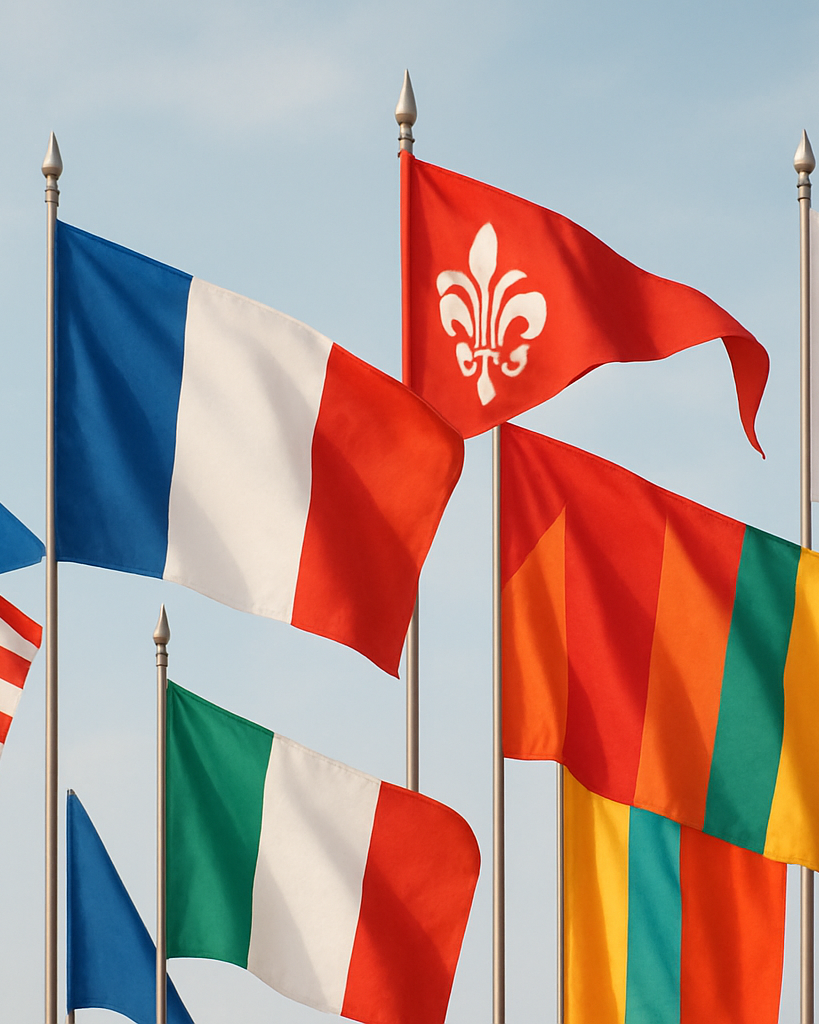
When flying a company flag outdoors on the same pole as the U.S. flag, the national flag must always occupy the superior position — meaning it is hoisted first, lowered last, and never below another flag on the same halyard. Corporate flags are typically flown on separate poles of equal height immediately to the right of the national flag from the viewer's perspective. For multi-flag displays common at corporate headquarters or convention centers, the standard protocol follows FIAV guidelines: national flag at center or to the observer's left, state or regional flags next, and corporate or institutional flags completing the arrangement. Some U.S. states maintain additional flag display statutes; for example, California's Government Code §431 governs flag placement at public facilities, and companies operating in regulated industries (defense contractors, federal vendors) should consult their compliance teams before installing permanent flagpole arrays. Half-staff orders issued by the President or state governors under 4 USC § 7 apply to the national flag and, by convention, corporations often voluntarily lower their own flags as well on days of national mourning.
Corporate Flags Collection
Explore our full range of custom corporate branding flags — from executive office pole flags to outdoor display options — all available with logo printing and bulk pricing.
Browse Collection →Ordering Process: From Artwork Submission to Delivery
The typical custom corporate flag order moves through five stages — artwork review, digital proof approval, production, quality inspection, and shipping — with a standard lead time of 7 to 15 business days for most quantities. Rush production in 3 to 5 business days is available from most manufacturers for an additional fee, typically 20–40% above standard pricing.
Begin by preparing your artwork in vector format (AI, EPS, or PDF) at the correct flag dimensions, with all fonts converted to outlines and all colors specified in PMS codes alongside CMYK and RGB values. Most manufacturers offer a free digital proof within 24 to 48 hours of artwork submission — review this proof carefully at 100% zoom and under both bright and dim lighting to catch any color, sizing, or layout issues before production. Minimum order quantities (MOQs) vary by flag type: outdoor pole flags commonly start at 1 piece for custom orders, while desk flags and small promotional flags may have MOQs of 10 to 25 units depending on the supplier's production setup. For bulk corporate orders of 50 units or more, pricing per unit can decrease by 30–60%, making large-scale deployments at multi-location businesses significantly more economical. Request physical samples or strike-off proofs for orders exceeding $500 or 25 units — the additional 3 to 5 day delay is worth the assurance that color, material, and construction meet your standards before the full run is produced.
Maintaining and Replacing Corporate Flags to Protect Brand Image
A worn, faded, or torn corporate flag actively damages your brand image, so establishing a regular inspection and replacement schedule is as important as the initial design investment. Outdoor flags in high-wind locations should be inspected monthly and replaced when fading exceeds 20% of original color saturation or when any tearing or fraying is visible along the fly edge.
General lifespan guidelines for corporate flags are 6 months to 1 year for continuous outdoor use in harsh climates (coastal, desert, or high-altitude environments), 1 to 2 years for moderate outdoor conditions, and 3 to 5 years for indoor or occasional-use flags. To maximize lifespan, lower outdoor flags during severe weather events (sustained winds above 35 mph / 56 km/h), hand-wash with mild soap and cold water when soiling occurs, and allow flags to dry completely before re-raising to prevent mildew and dye migration. Store spare flags rolled (not folded) on cardboard tubes in a cool, dry location away from direct sunlight. Many corporate procurement teams establish standing bulk orders with their flag manufacturer to ensure replacement stock is always on hand — this approach also locks in pricing and guarantees color consistency across production runs. Under the U.S. Flag Code (4 USC § 8k), worn or soiled national flags should be destroyed respectfully; while this provision does not apply to corporate flags by law, many organizations apply the same standard as a matter of brand stewardship and corporate culture.
Frequently Asked Questions
What file format should I submit for a custom corporate flag order? +
How long does a custom corporate flag last outdoors? +
What is the best printing method for corporate branding flags? +
Can I fly my company flag on the same pole as the U.S. flag? +
What is the standard size for an outdoor corporate flag? +
Is single-sided or double-sided printing better for a company flag? +
How many colors can I use in a corporate flag design? +
What is the minimum order quantity for custom corporate flags? +
Ready to give your brand the visibility it deserves? Explore our full corporate flags collection for outdoor pole flags, indoor ceremonial flags, and everything in between. For a polished executive presentation, the logo-printed office pole flag delivers boardroom-quality branding, while the custom logo desk flag is perfect for reception desks, conference tables, and executive offices. Bulk pricing is available for corporate orders of 10 units or more — contact our team to receive a custom quote tailored to your brand specifications, production timeline, and budget.