
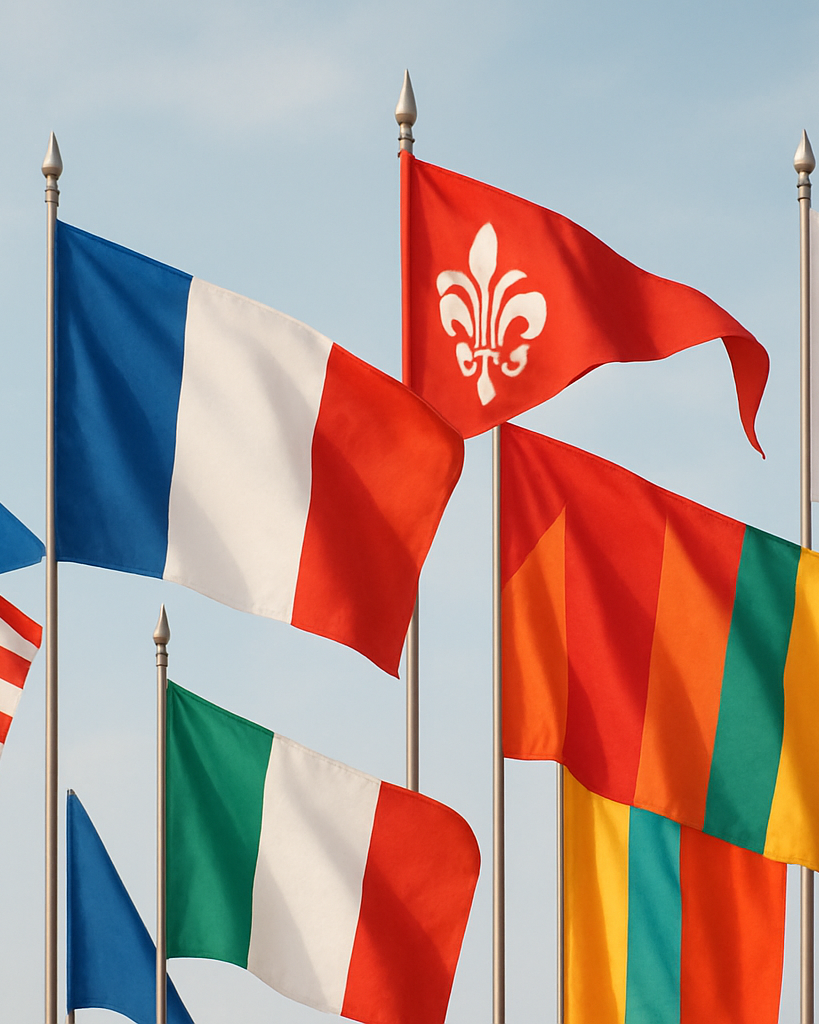
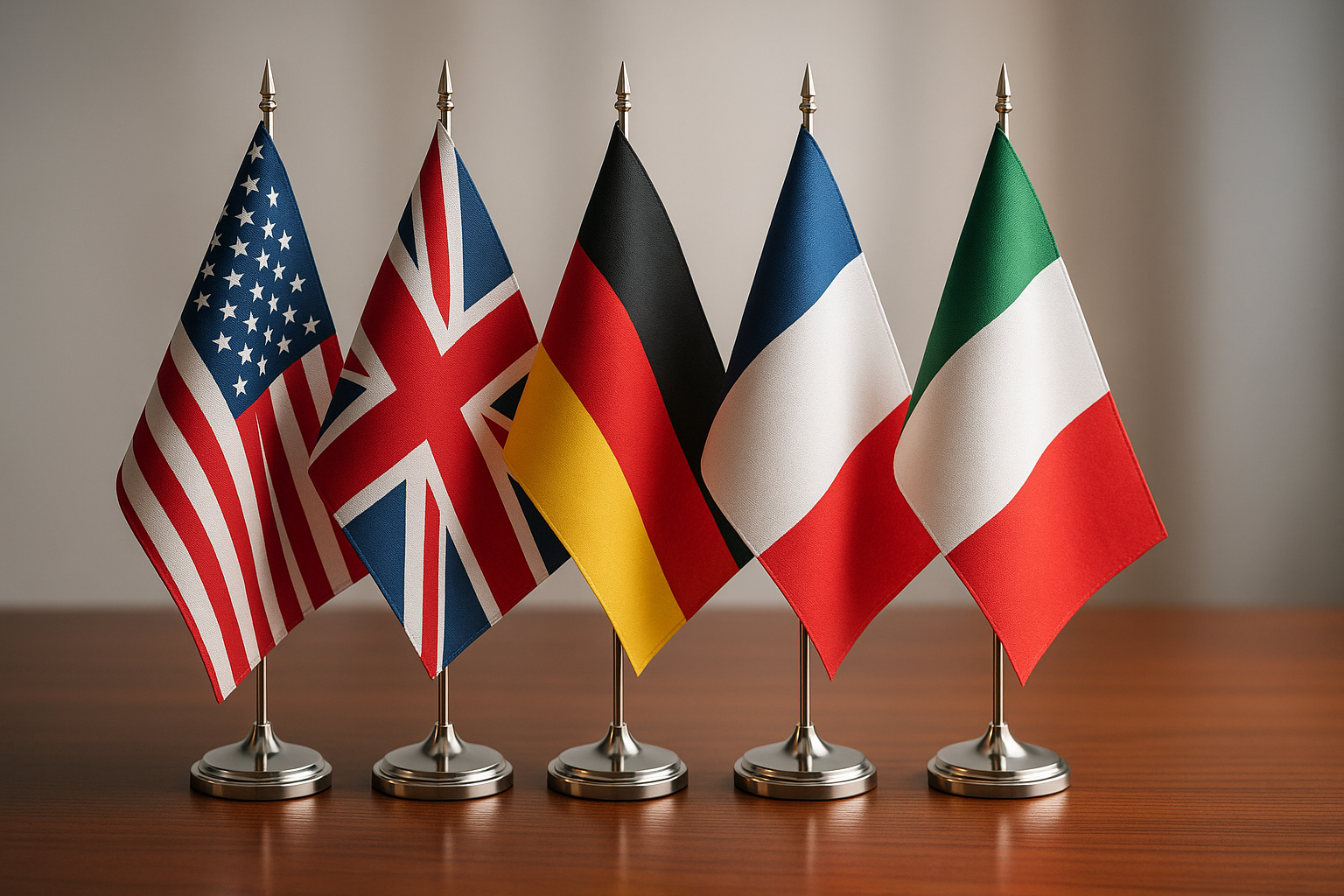
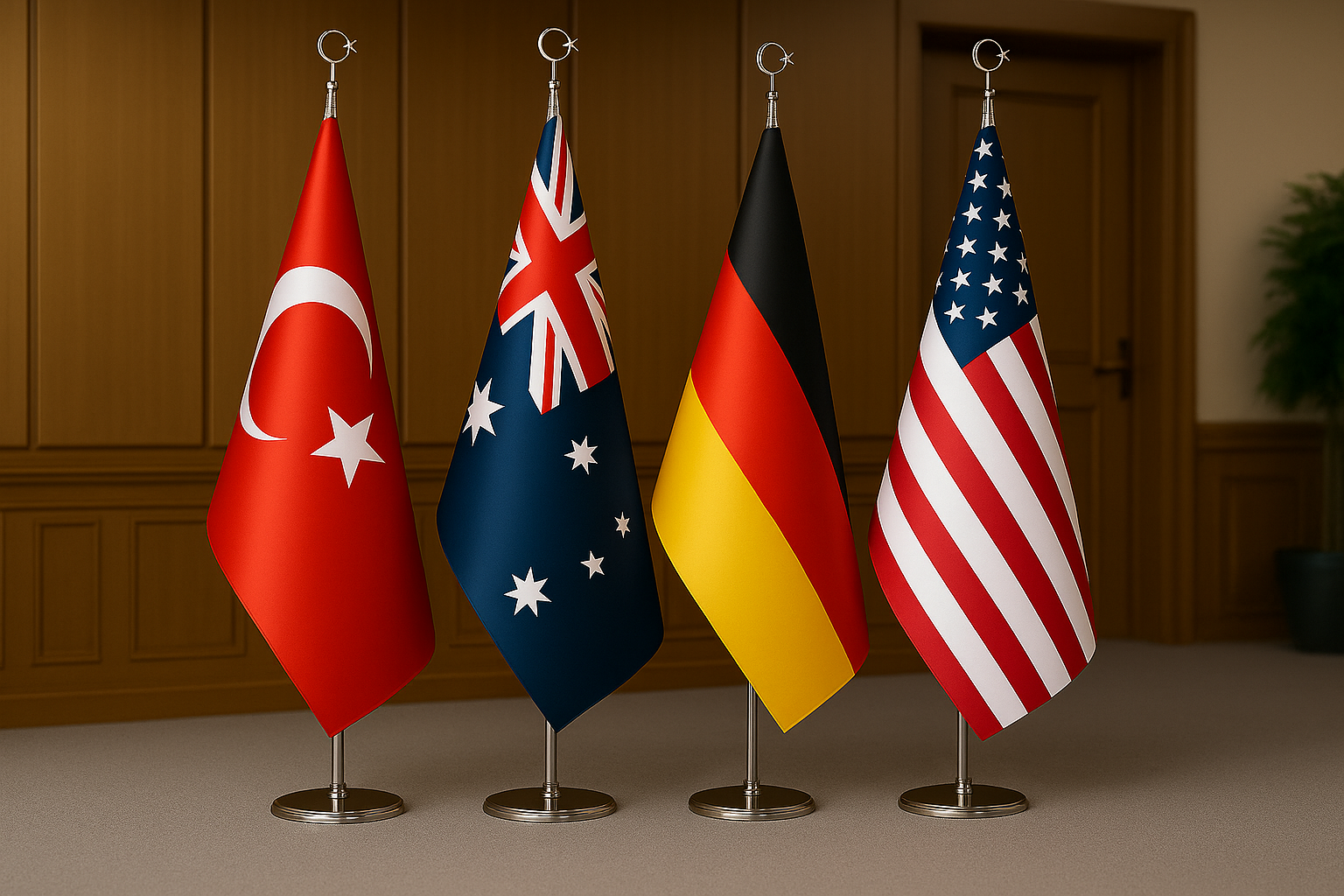
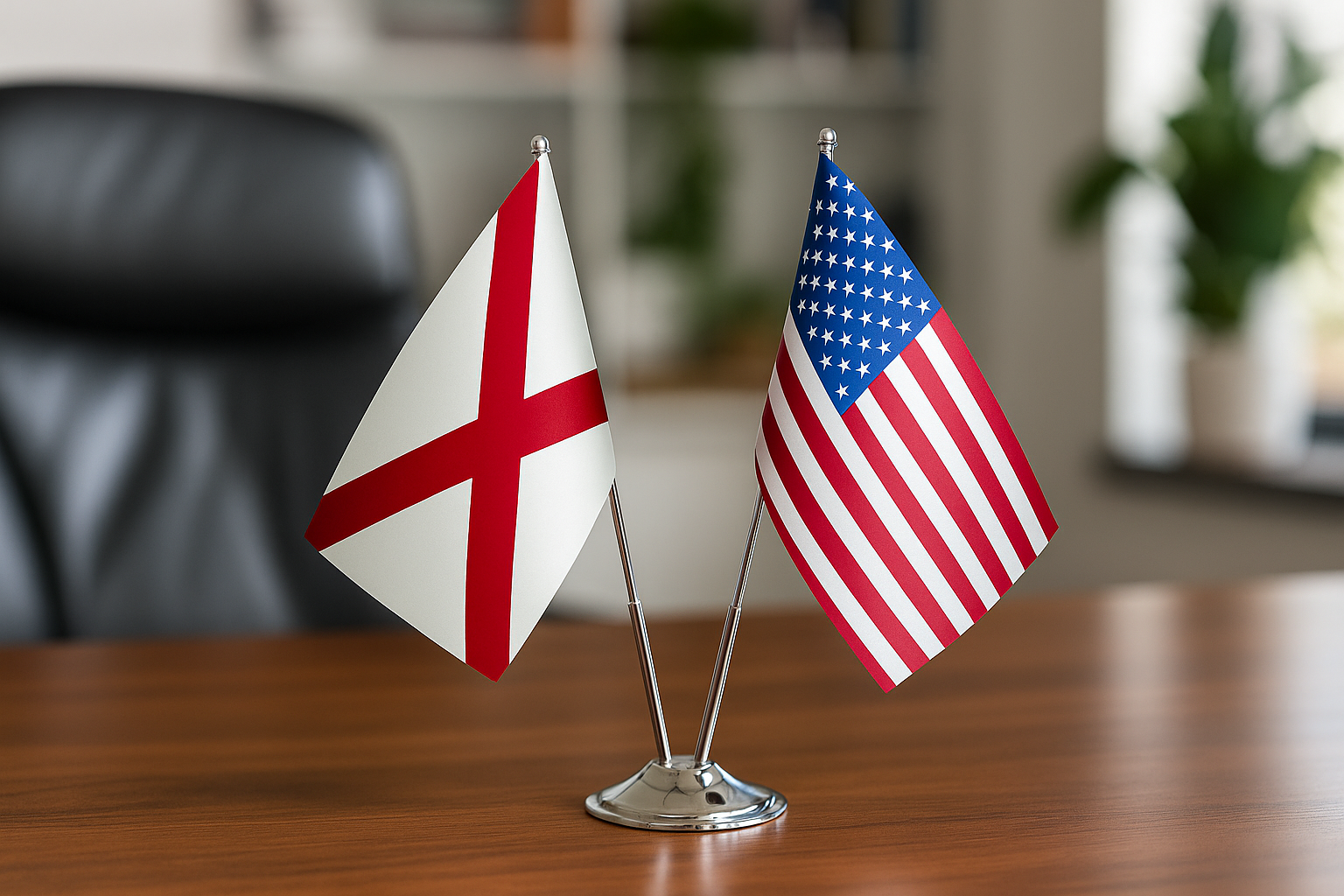
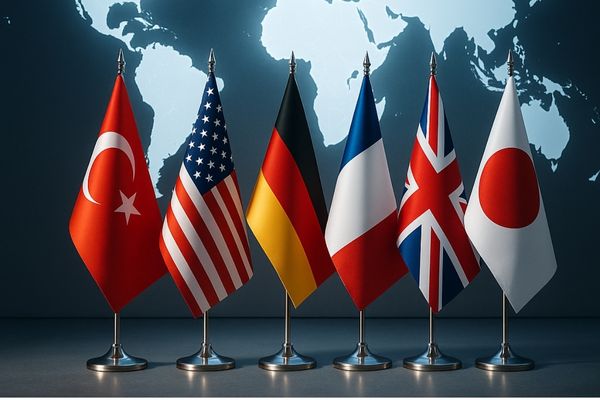

Choosing the right flag printing technique directly affects color vibrancy, durability, and cost — and the three dominant methods are sublimation printing, screen printing, and digital printing, each suited to different flag types and order volumes. Whether you need a bold logo-printed outdoor pole flag that survives months of UV exposure or a short-run custom design for an indoor event, understanding these three processes will help you order with confidence and avoid costly mistakes.
How Sublimation Flag Printing Works — and Why It Dominates the Industry
Sublimation printing is the gold standard for full-color, high-resolution flag production because dye molecules are heat-transferred directly into the fabric fibers, making the color a permanent part of the material rather than a surface coat. Temperatures of around 375–400 °F (190–205 °C) convert solid dye into gas that bonds with polyester at a molecular level, yielding prints that will not crack, peel, or wash away.
The process begins with printing a mirror-image design onto transfer paper using water-based sublimation inks, then pressing that paper against the flag fabric in a large heat press or calendar machine. Because the dye penetrates the fiber, the finished flag is soft to the touch with no raised ink layer — a critical advantage for flags that flutter constantly in the wind, since surface coatings would eventually flake under repeated flexing. Sublimation achieves color gamuts that cover roughly 95% of the sRGB spectrum, allowing photographic gradients and subtle logo shading to reproduce with striking accuracy. However, sublimation is limited to light-colored, synthetic (usually 100% polyester) base fabrics; it cannot produce true white on a colored background without printing on white fabric first, and it is essentially incompatible with natural fibers like cotton or linen.
From a longevity standpoint, a quality sublimation print flag used outdoors typically lasts 6 months to 2 years depending on wind, UV index, and geographic location. Many sublimation-printed polyester fabrics carry 80% UV-resistance ratings, meaning the flag absorbs the majority of harmful ultraviolet radiation before it can degrade the dye. For high-volume corporate or government orders where consistent Pantone-accurate color reproduction is essential, sublimation is almost always the preferred technique.
Screen Printing on Flags: Precision, Pantone Colors, and Its Real Limitations
Screen printing delivers the most accurate Pantone spot-color matching of any flag printing method, making it the traditional choice for national flags, military unit colors, and institutional banners where exact hue specification is non-negotiable. Each color in a screen print flag is applied through a separate mesh stencil stretched over a frame, allowing the ink to be laid down in a thick, opaque layer that remains vibrant even on dark or colored base fabrics.
 The screen printing process requires creating a separate screen for every color in the artwork, which means setup costs are significant — often $30–$80 per screen — but those costs amortize effectively across large print runs of 500 pieces or more. For a simple two- or three-color design such as a national emblem or a corporate logo with solid fills, screen printing produces a flag with an ink layer thickness of 50–200 microns, giving colors a rich, almost tactile depth. The ink is typically plastisol or UV-curable, both of which offer excellent outdoor durability when properly cured; a well-made screen print flag can last 2–4 years outdoors under normal conditions. One meaningful limitation is that screen printing is poorly suited to photographic images, fine gradients, or designs with more than six or seven distinct colors, because each additional color multiplies both cost and production complexity considerably. If your organization needs a custom logo office flag with exact brand colors, screen printing remains a strong candidate alongside modern sublimation alternatives.
Another consideration is fabric compatibility: screen printing works on polyester, nylon, cotton, and canvas — a broader substrate range than sublimation. This makes it the go-to method for heavyweight parade flags, ceremonial standards, and traditional bunting, where natural-fiber textiles are preferred for historical or regulatory reasons. Under FIAV (Fédération Internationale des Associations Vexillologiques) standards, flags intended for official state use often specify woven or embroidered construction, but where printing is permitted, screen printing on heavy woven nylon or polyester is the accepted method in many jurisdictions.
Digital Flag Printing: Flexibility, Speed, and Where It Fits
Digital flag printing — often called direct-to-fabric (DTF) or inkjet printing — is the most versatile on-demand method, capable of reproducing unlimited colors, photographic detail, and complex gradients without any setup screens or transfer papers. Inkjet print heads deposit water-based or reactive inks directly onto pretreated fabric or onto transfer media in resolutions of 720 to 1440 DPI, enabling print runs as small as a single flag at competitive per-unit costs.
For short-run orders — typically 1 to 100 units — digital flag printing is almost always the most economical choice, because there are no per-color setup fees, and artwork changes cost nothing beyond the operator's time. Event organizers, political campaigns, and sports teams frequently choose digital printing precisely because designs can be updated between print runs without financial penalty. Color accuracy with modern digital printers running ICC-profiled workflows is excellent, typically within ΔE 2–4 of a Pantone reference, which satisfies most commercial branding requirements. The chief trade-off versus sublimation is that digital inks sit slightly above the fabric surface rather than bonding within the fiber, meaning outdoor longevity is somewhat shorter — approximately 4–12 months in direct sun — unless the fabric is overcoated with a UV-protective finish post-printing.
Digital printing is particularly well-matched to indoor applications: trade show displays, retail signage, conference room flags, and decorative banners where sun exposure is minimal and the ability to update messaging seasonally is valuable. For organizations managing a fleet of logo-printed indoor flags across multiple locations, digital printing makes it economically practical to maintain brand consistency even at low per-location quantities.
Side-by-Side Comparison: Which Technique Should You Choose?
The best flag printing method depends on five key variables: order quantity, color complexity, fabric type, intended environment, and budget — and each technique leads in a different combination of these factors. Use the breakdown below as a practical decision framework before placing your next flag order.
- Order quantity: Digital printing wins for 1–100 units; sublimation is most cost-effective from 50–500+ units on polyester; screen printing becomes economical above 200–500 units for simple designs.
- Color complexity: Sublimation and digital handle unlimited colors and photographic images with equal ease; screen printing is optimized for 1–6 spot colors and becomes costly above that threshold.
- Fabric compatibility: Screen printing supports the widest range including cotton and canvas; sublimation requires 100% polyester or polyester-blend fabric; digital works on most pretreated fabrics but performs best on polyester.
- Outdoor durability: Screen printing leads at 2–4 years; sublimation follows at 6 months to 2 years; digital printing typically provides 4–12 months without additional UV coating.
- Pantone accuracy: Screen printing is most precise for spot colors; sublimation and digital both achieve good results within ΔE 2–4 using profiled workflows.
- Setup cost: Digital printing has virtually zero setup fees; sublimation requires transfer paper and heat press time but no screens; screen printing carries the highest setup cost due to screen fabrication.
Logo-Printed Outdoor Pole Flags
Browse our full range of custom outdoor pole flags printed with your logo using sublimation or screen techniques for maximum weather resistance.
Browse Collection →Material Matters: How Fabric Choice Interacts With Printing Technique
The fabric you choose is inseparable from the printing method — selecting the wrong combination can result in faded colors, ink bleed, or premature structural failure regardless of print quality. Each printing technique places different demands on the substrate, and understanding these interactions will prevent expensive reprints.
For sublimation printing, 100% polyester is non-negotiable. A polyester content below 80% will result in muted, washed-out colors because sublimation dyes bond only with polyester polymer chains; the dye simply passes through cotton, linen, or natural fiber components without adhering. High-thread-count polyester fabrics — typically 110–150 g/m² (3.2–4.4 oz/yd²) — strike the best balance between print resolution and flag weight for outdoor use. Heavier knitted polyester at 200 g/m² (5.9 oz/yd²) is recommended for windswept outdoor locations where structural durability is more critical than fine print detail.
Screen printing tolerates the broadest fabric range. Cotton bunting, nylon taffeta, and heavy woven polyester all accept screen inks well when the fabric surface is smooth and the thread count is fine enough to prevent ink bleeding through the weave. Nylon is particularly valued for official flag production because it is lightweight (typically 70–100 g/m² / 2.1–2.9 oz/yd²), flies well in light winds, and accepts screen inks without requiring surface pretreatment. Digital printing sits between the two extremes: most modern polyester flag fabrics are sold pretreated for inkjet reception, but cotton and natural fibers require a separate sizing or mordanting step that adds cost and processing time.
Regulatory and Compliance Considerations for Printed Flags
Printed flags used in official, governmental, or public contexts may be subject to specific regulations governing construction, color accuracy, and display — and understanding these rules before ordering can save you from having to reprint. The US Flag Code (4 USC §§ 1–10) governs the display and respect requirements for the American flag but does not specify printing technique, leaving construction standards to federal procurement specifications and military regulations.
Federal procurement specifications for US government-issued American flags (Berry Amendment compliance) require domestic manufacture and specify construction methods that often favor woven or embroidered stars over printed ones, particularly for ceremonial and military flags. However, for commercial, corporate, and event use, printed flags — whether sublimation, screen, or digital — are fully permissible under the Flag Code provided the design accurately represents the official proportions (10:19 ratio for the US flag) and colors. State flags ordered for official government use may carry additional specifications; many state procurement offices reference Pantone codes published by the National Association of State Procurement Officials, making screen printing the method of choice when exact Pantone matching is mandated. For international flags, FIAV standards recommend that national flag colors be matched to the specifications published by each country's official heraldic or vexillological authority, a requirement that again favors screen printing for spot-color accuracy.
Ordering Tips: Getting the Best Results From Any Flag Printing Method
Preparing your artwork and specifications correctly before submitting a flag order will dramatically reduce turnaround time, proof iterations, and the likelihood of color disappointment on delivery. A few universal best practices apply regardless of whether you choose sublimation, screen, or digital flag printing.
Always supply vector artwork (AI, EPS, or high-resolution PDF) at the actual output size or larger — minimum 150 DPI at final flag dimensions for digital and sublimation orders, and true vector paths for screen printing separations. For sublimation and digital jobs, provide a Pantone-to-CMYK conversion table alongside your logo files so the print operator can build an accurate ICC profile match. For screen printing, confirm your Pantone Coated (PMS C) references explicitly, and ask for a physical strike-off proof before approving a large run, since monitor colors are not a reliable guide to mixed ink results. Flag size tolerances under standard commercial practice are ±0.5 in (±13 mm) on width and length; for flags governed by government specifications, tolerances tighten to ±0.25 in (±6 mm). Finally, specify your header and grommet requirements upfront: a standard outdoor flag uses a canvas header with two brass grommets spaced 12 in (30 cm) apart, while pole sleeve flags require a different construction that must be planned into the cutting pattern before printing begins.
Frequently Asked Questions
What is the most durable flag printing method for outdoor use? +
Can sublimation printing be used on cotton flags? +
Which flag printing method is best for photographic or gradient artwork? +
How many colors can a screen print flag include before costs become prohibitive? +
Does sublimation flag printing show through to the back of the flag? +
What file format should I send for flag printing? +
Is digital flag printing the same as sublimation printing? +
Understanding the strengths and trade-offs of sublimation, screen, and digital flag printing gives you a clear framework for selecting the right process for every project — whether you are ordering a single indoor display piece or hundreds of branded outdoor flags for a corporate campus. For full-color logo flags destined for outdoor pole display, explore the logo-printed outdoor pole flags collection where sublimation-quality polyester construction meets professional finishing. For interior branding environments, the logo-printed indoor flags collection offers high-resolution digital and sublimation options tailored to trade shows, offices, and retail spaces. You can also review the custom logo office flag product page for specifications on sizes, fabric weights, and mounting hardware. Bulk pricing is available for corporate orders — contact our team to discuss volume discounts, branded packaging, and expedited production timelines for large-quantity flag printing programs.


