
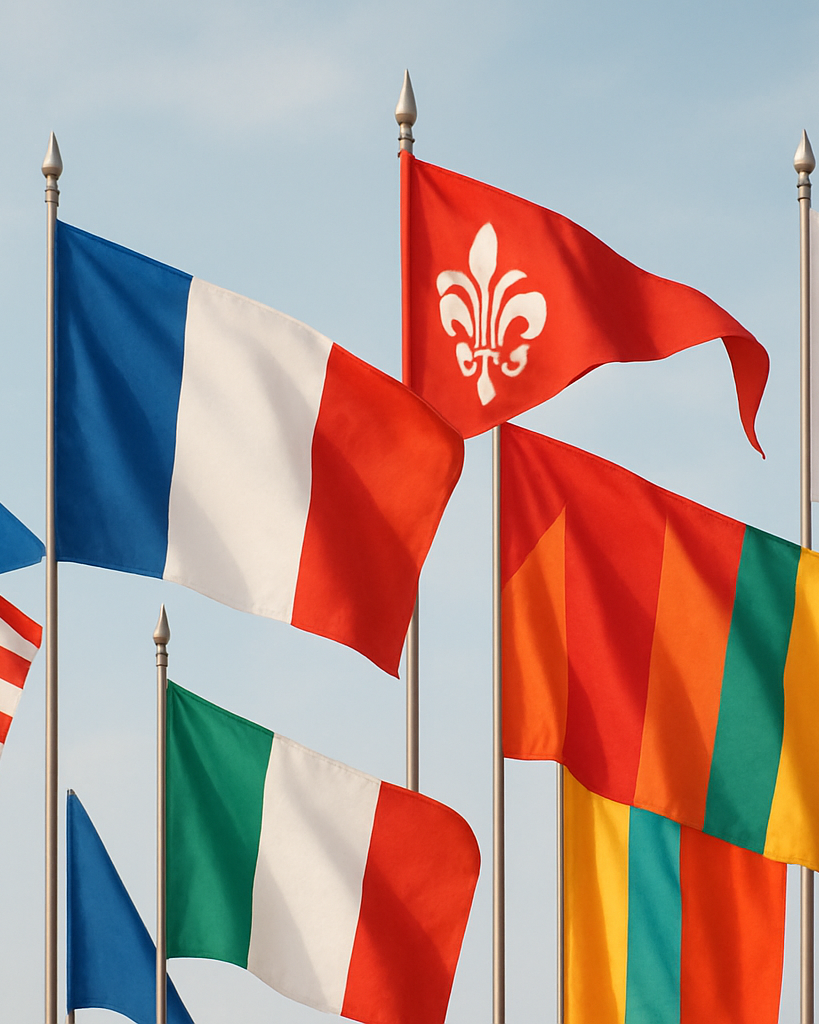
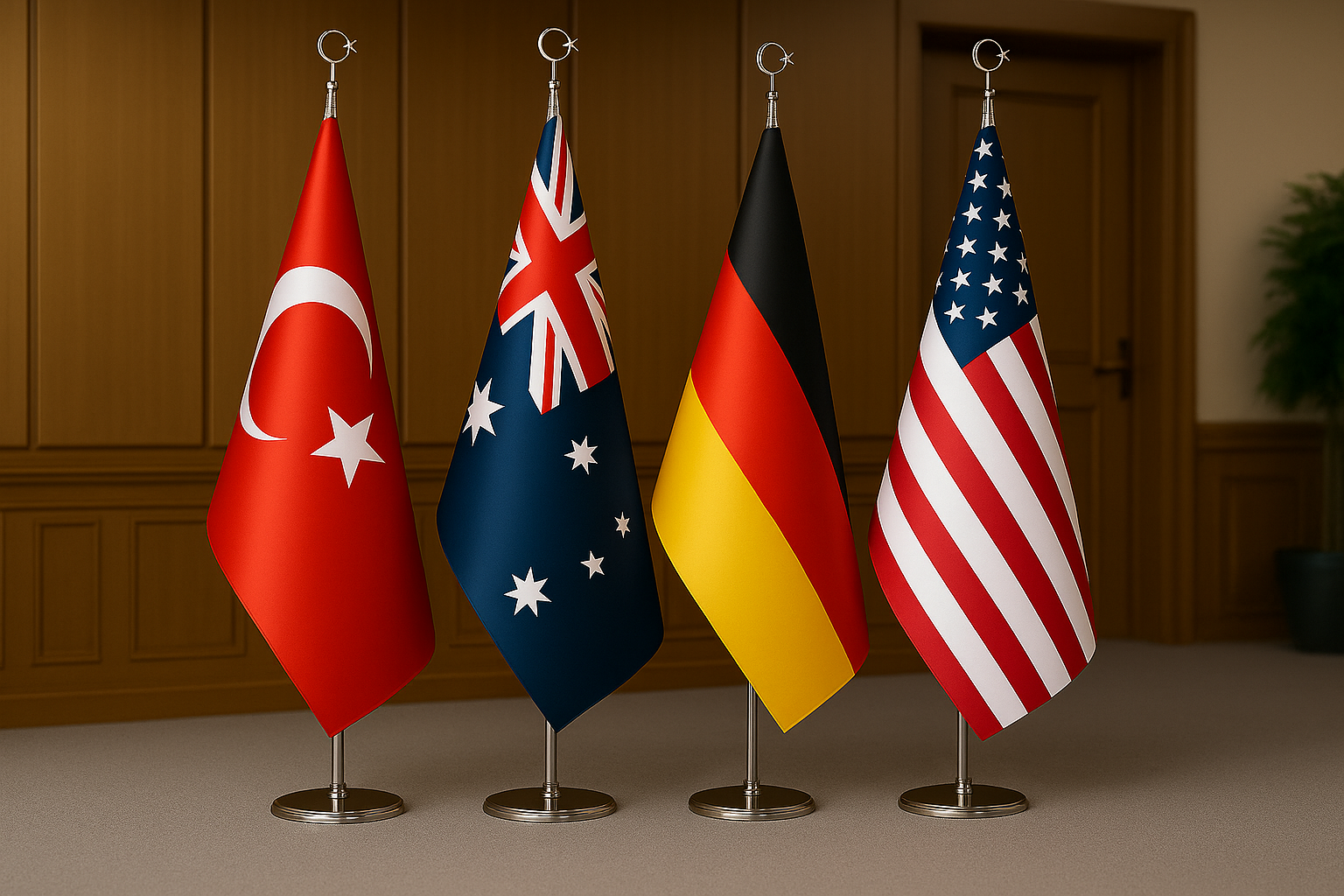


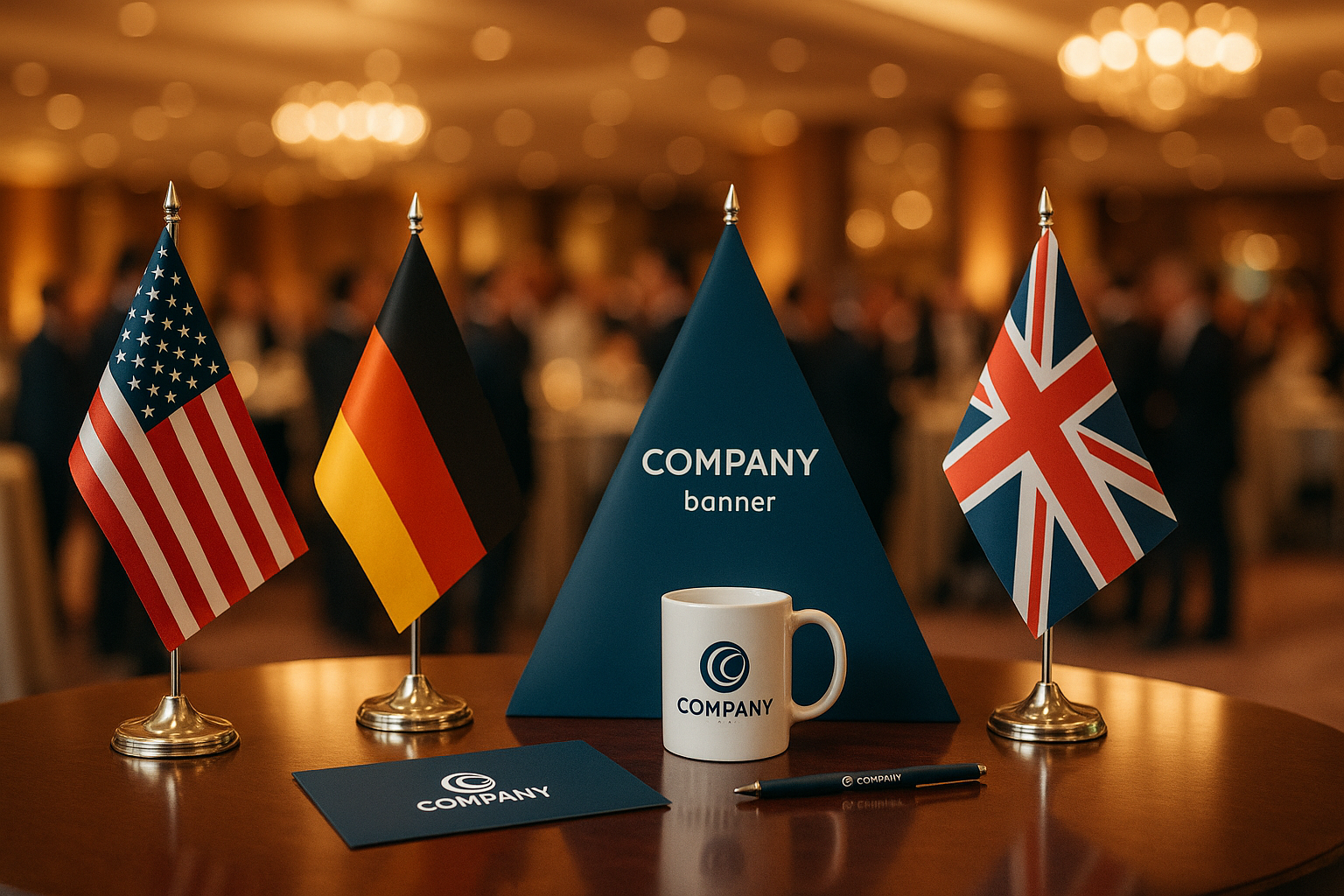

Real estate open house flags, feather flags, and tall pole banners are among the most cost-effective tools an agent or broker can deploy to drive foot traffic, maximize visibility, and close more deals at property sales events. A single well-placed outdoor feather flag can be seen from 300–500 ft (90–150 m) away, making it dramatically more effective than a standard yard sign alone. Whether you are staging a weekend open house, launching a model home community, or running a multi-property sales event, the right flags — properly selected, branded, and bulk-ordered — can meaningfully increase visitor counts and brand recognition. Explore the sail flags collection to see the full range of formats available for real estate professionals.
Why Outdoor Flags Outperform Traditional Real Estate Signage
Outdoor flags for model homes and open houses consistently outperform static signs because they move — the motion of a flag naturally draws the human eye, even in peripheral vision. Studies on outdoor advertising consistently show that kinetic elements (anything that moves) capture attention 3–5× faster than static displays of equivalent size, which translates directly into more impulse walk-ins and drive-by inquiries at property events.
Beyond attention capture, feather flags and sail flags are significantly taller than typical real estate directional signs. A standard feather flag stands 10–15 ft (3–4.5 m) high, while heavy-duty pole flag systems can reach 20–25 ft (6–7.6 m). This vertical profile means your branding clears parked cars, landscaping, and competing signage. For model home communities — where multiple homes line a single street — a row of matching branded flags creates a corridor effect that guides prospects naturally toward the sales center. Real estate teams who invest in consistent, professional-grade outdoor flags also benefit from the compound brand exposure: every passing car during the days leading up to an event sees your agency's colors and name, not just visitors on open house day itself.
Durability matters too. Commercial-grade outdoor flags for real estate use are typically constructed from 110–150 GSM woven polyester with UV-resistant inks that retain 80%+ color vibrancy for 6–18 months of regular outdoor use, compared to 4–8 weeks for typical paper or foam-board directional signs. The cost-per-impression calculation strongly favors flags, especially for brokerages that run events on a recurring schedule.
Feather Flags vs. Sail Flags vs. Pole Flags: Which Format Works Best for Property Events?
The best format depends on your specific event setup: feather flags excel at high-traffic roadside placement, sail flags offer maximum print area for branding-heavy displays, and traditional pole flags work best for permanent or semi-permanent model home installations. Each format has a distinct profile, wind behavior, and hardware requirement that suits different stages of a real estate marketing campaign.
Feather flags (also called swooper flags or teardrop flags) have a curved, tapering profile that performs well in low-to-moderate wind. Their concave shape keeps the printed face visible even when wind is light, which is a critical advantage in sheltered suburban neighborhoods. Sizes typically range from 6 ft (1.8 m) entry-level to 15 ft (4.6 m) tall premium models. Hardware options include ground spikes for grass, cross bases for hard pavement, and weighted water bases for indoor model home lobbies.
Sail flags (rectangular banner flags) provide the largest printable surface area per dollar, making them ideal for displaying property photos, QR codes linking to virtual tours, or detailed agency branding. A standard sail flag measuring 3 × 8 ft (0.9 × 2.4 m) can carry far more visual information than a feather flag of equivalent height. The trade-off is that rectangular flags require more wind to stay taut, so they are best used in open, exposed locations. Agents running outdoor property sales events on large lots, parking areas, or along highways consistently prefer sail flags for their sheer visual impact.
Vertical pole flags and outdoor pole flags are the preferred choice for model home communities, new development sales offices, and any installation intended to remain in place for weeks or months. These flags fly from a dedicated flagpole (typically 15–25 ft / 4.5–7.6 m) and project a highly professional, permanent impression. Many large homebuilders use a combination of pole flags at the entrance and feather flags at individual lot markers to create a cohesive branded experience across the entire development. The logo-printed vertical pole flags collection offers custom-branded options tailored for exactly this kind of professional installation.
Designing Effective Custom Flags for Open Houses and Model Homes
Effective custom flags for open house events follow a simple visual hierarchy: one dominant message (such as "OPEN HOUSE," "NOW SELLING," or your brokerage name), one bold color block for contrast, and one clear call to action or directional element. Flags with more than three visual elements lose legibility at driving speeds, where you have approximately 1.5–2 seconds to communicate your message.
 Color selection is one of the most impactful design decisions for property sales event flags. High-contrast combinations — navy on white, red on white, black on yellow — achieve maximum legibility from 200+ ft (60+ m). Many successful real estate teams use their established brand palette as the dominant flag color, reserving a high-contrast secondary color for the text or directional arrows. FIAV-standard flag proportions (typically 2:3 or 3:5 width-to-length ratios) also apply to commercial display flags and ensure the flag fills naturally without excessive bunching or curling. For franchise brokerages such as RE/MAX, Keller Williams, or Century 21, maintaining brand color standards across all printed materials — including flags — is often required by franchisor guidelines, making precise dye-sublimation printing essential. The logo-printed outdoor pole flags collection offers full-color dye-sublimation printing that reproduces Pantone-matched brand colors with high accuracy.
For model home communities, consider designing a flag system rather than a single flag. A three-flag system typically includes: (1) a large entrance flag with community name and developer logo, (2) mid-size directional flags pointing toward the sales center, and (3) small lot-marker flags in a consistent color to differentiate available lots from sold ones. This systematic approach creates a guided experience that reduces friction for prospective buyers navigating a large development for the first time.
QR code integration is an increasingly popular design element for property sales event flags, allowing drive-by prospects to scan directly to a property listing, virtual tour, or registration form. For QR codes to scan reliably from a flag, they should occupy at least 20–25% of the flag's total print area and be printed in high-contrast ink (typically black on white). Avoid placing QR codes on feather flags where fabric movement may interfere with scanning; sail flags and pole flags with stiffer construction perform better for this application.
Bulk Buying Guide: How Real Estate Agents and Brokers Should Order Flags
Bulk flags for real estate agents and brokers offer significant cost savings — typically 30–50% per unit versus single-item pricing — and are the standard procurement approach for any team managing more than 4–5 events per month. Understanding minimum order quantities (MOQs), lead times, and hardware bundling options is essential for efficient purchasing.
Most commercial flag suppliers set MOQs of 10–25 units for custom-printed feather or sail flags, which aligns well with team or office-level buying. A single real estate office running weekly open houses typically needs 6–12 flags deployed simultaneously across multiple properties, meaning a 25-unit order covers both active deployment and spares to replace weather-damaged or lost units. For franchise networks and large brokerages coordinating across multiple offices, orders of 50–200+ units are common, and per-unit pricing at these volumes can drop to 40–60% of the retail single-unit price.
When placing bulk orders, consider requesting a hardware bundle — flags without poles and bases are significantly less useful in the field. Ground spikes (for grass or soft ground) cost approximately $8–$15 per unit and are essential for suburban open house setups. Water-filled cross bases ($20–$40 each) are preferred for paved driveways, parking areas, and indoor model home lobbies. Ordering hardware alongside flags in one purchase simplifies logistics and often unlocks additional discounts. Lead times for bulk custom-printed flag orders typically run 7–14 business days, so plan orders at least 3 weeks ahead of a major property launch.
Corporate Flags Collection
Professional corporate-grade flags designed for real estate brokerages, model home communities, and property sales events requiring premium branding and lasting durability.
Browse Collection →Placement Strategy: Maximizing Visibility at Open Houses and Sales Events
Strategic flag placement — not quantity alone — determines how effectively your real estate open house flags convert passing traffic into walk-in visitors. The most impactful positions are: the nearest major intersection to the property (for maximum impressions), the property driveway entrance (for decision-point confirmation), and any blind turns or low-visibility corners along the route from the intersection to the home.
For a typical suburban open house, a minimum of 3 flags placed in a directional chain from the nearest high-traffic road to the property entrance creates a navigational experience that significantly reduces "I couldn't find it" drop-offs. Each flag should be visible from the previous one — meaning spacing of no more than 150–200 ft (45–60 m) in residential neighborhoods where sight lines are limited by landscaping and parked vehicles. In open rural or commercial areas where sight lines are clear, flags can be spaced 400–500 ft (120–150 m) apart without breaking the chain.
Height matters significantly in flag placement. Ground-spike feather flags in grass should be installed so the bottom of the printed panel sits at least 18–24 in (45–60 cm) above the ground to clear snow, wet grass, and foot traffic. In areas with local sign ordinances — which vary considerably by municipality — verify that your flag height complies with local regulations before installation. Many municipalities treat promotional flags as temporary signage and limit display to 48–72 hours per event, or require a temporary sign permit for installations exceeding a certain height. Always confirm local rules before deploying flags on public right-of-ways or medians.
Maintenance, Storage, and Longevity Tips for Real Estate Flag Programs
With proper care, commercial-grade real estate flags last 6 months to 2 years of active outdoor use, making per-event cost extremely low for teams that deploy flags regularly. The primary enemies of flag longevity are UV degradation, moisture (especially stored wet), and mechanical wear at attachment points.
After each deployment, allow flags to dry fully before folding and storing. Storing damp flags in sealed bags or containers causes mold growth within 48–72 hours, permanently discoloring dye-sublimation prints. UV-resistant coatings protect against sun fading, but flags deployed in full sun in the Sunbelt states (Florida, Texas, Arizona, California) should be expected toward the lower end of the 6–18 month color vibrancy range. Rotating flags — using some in storage while others are deployed — effectively extends the working life of your inventory by 40–60%.
Hardware maintenance is equally important. Ground spikes and cross bases should be inspected after each use for bending or cracking; a failed base can cause a flag to fall onto vehicles or pedestrians, creating liability. Fiberglass poles — the most common material for feather and sail flag systems — should be checked for stress fractures, particularly at the joint between sections. Replace any pole showing white stress lines or visible cracking before the next deployment. Telescoping aluminum poles used in larger outdoor pole flag systems should be checked for smooth extension and secure locking at each joint. Pairing your flag program with a reliable USA outdoor flag for the property's main flagpole reinforces a professional, patriotic presentation that resonates strongly with American homebuyers.
Frequently Asked Questions
What size feather flag works best for a real estate open house? +
How many flags should a real estate agent order for a typical open house? +
Are there local regulations I need to know before placing real estate flags on public property? +
What is the difference between a feather flag and a sail flag for real estate use? +
How long do outdoor real estate flags last with regular use? +
Can I add a QR code to my custom open house flags? +
What hardware bases do I need for open house feather flags on pavement vs. grass? +
Do real estate brokerages qualify for bulk pricing on custom flags? +
For real estate teams ready to elevate their property marketing with professional outdoor signage, Asya Bayrak offers the full range of formats needed for every stage of a sales campaign. Browse the sail flags collection for high-impact roadside banners, explore logo-printed vertical pole flags for model home and development entrance installations, and review the corporate flags collection for brokerage-wide branding programs. Bulk pricing is available for corporate orders and franchise networks — contact the team to discuss volume pricing, hardware bundles, and custom design support for your next property sales event.


