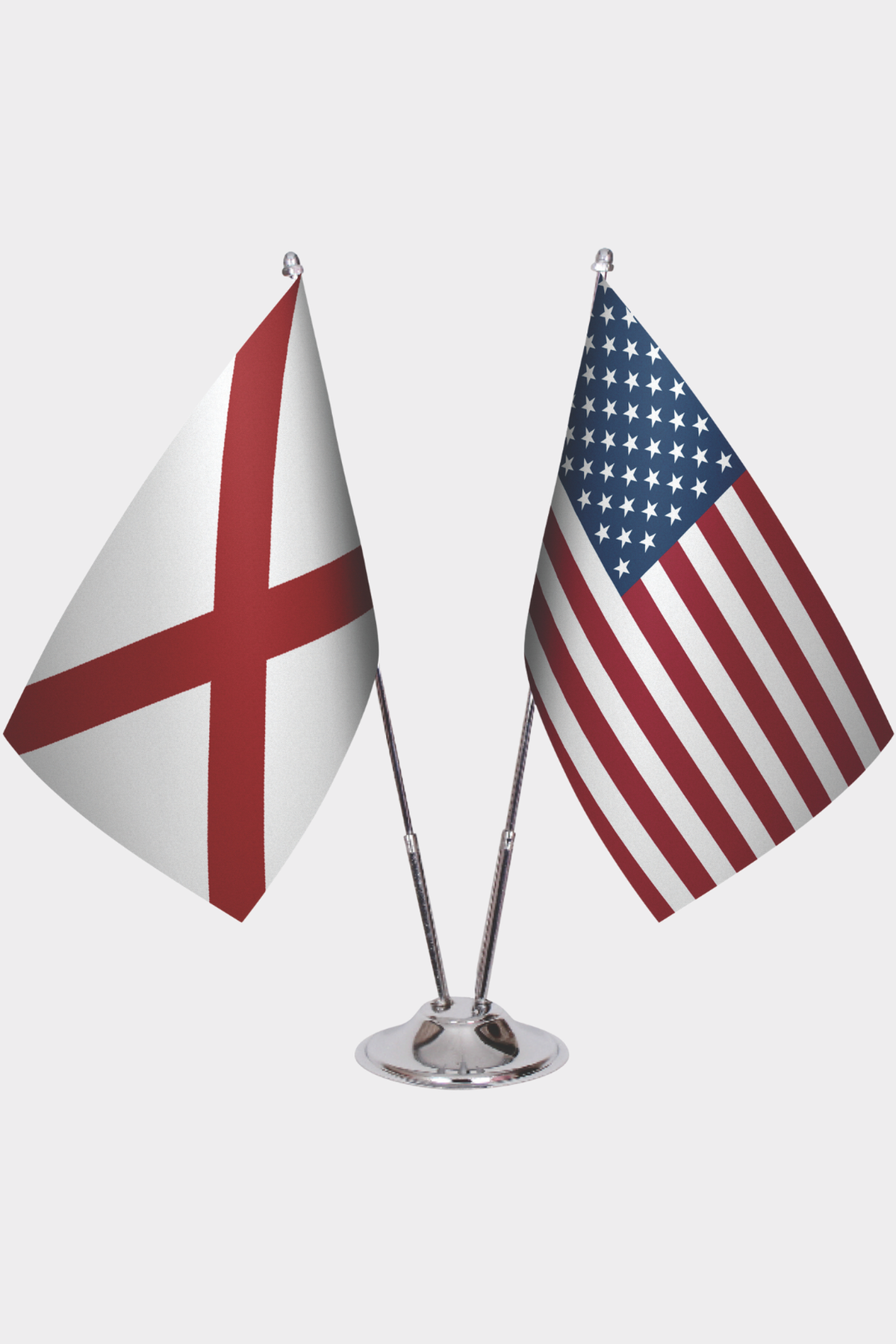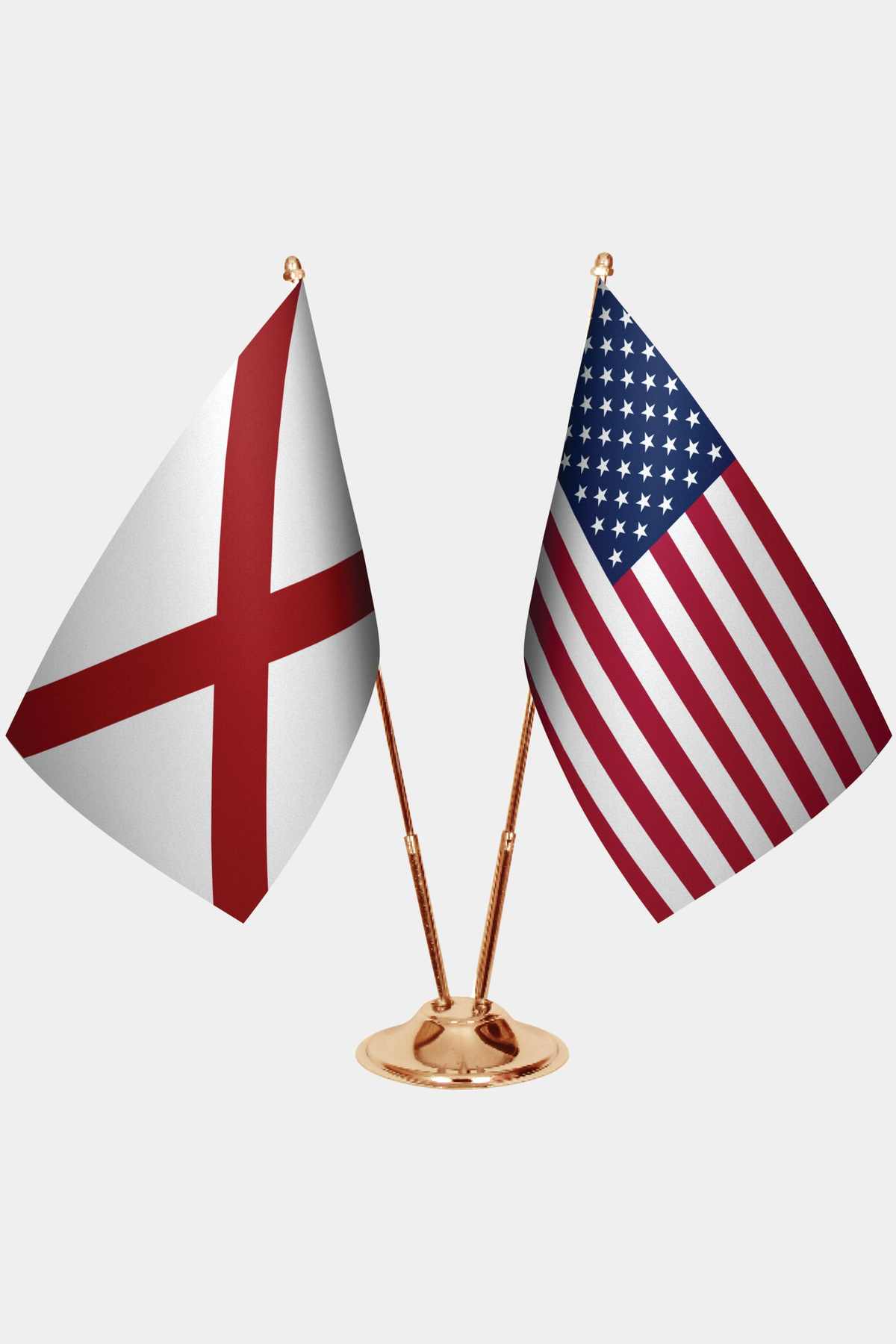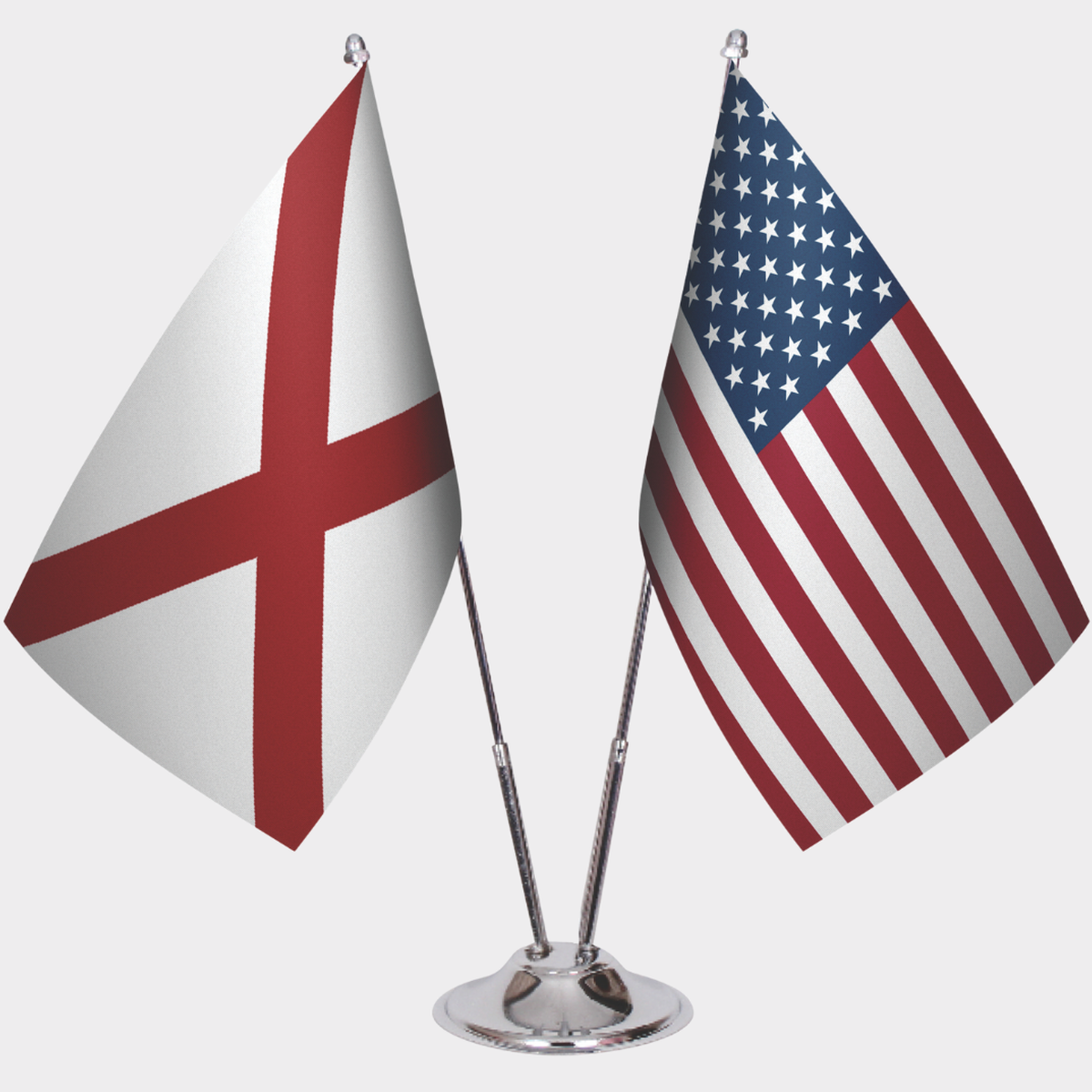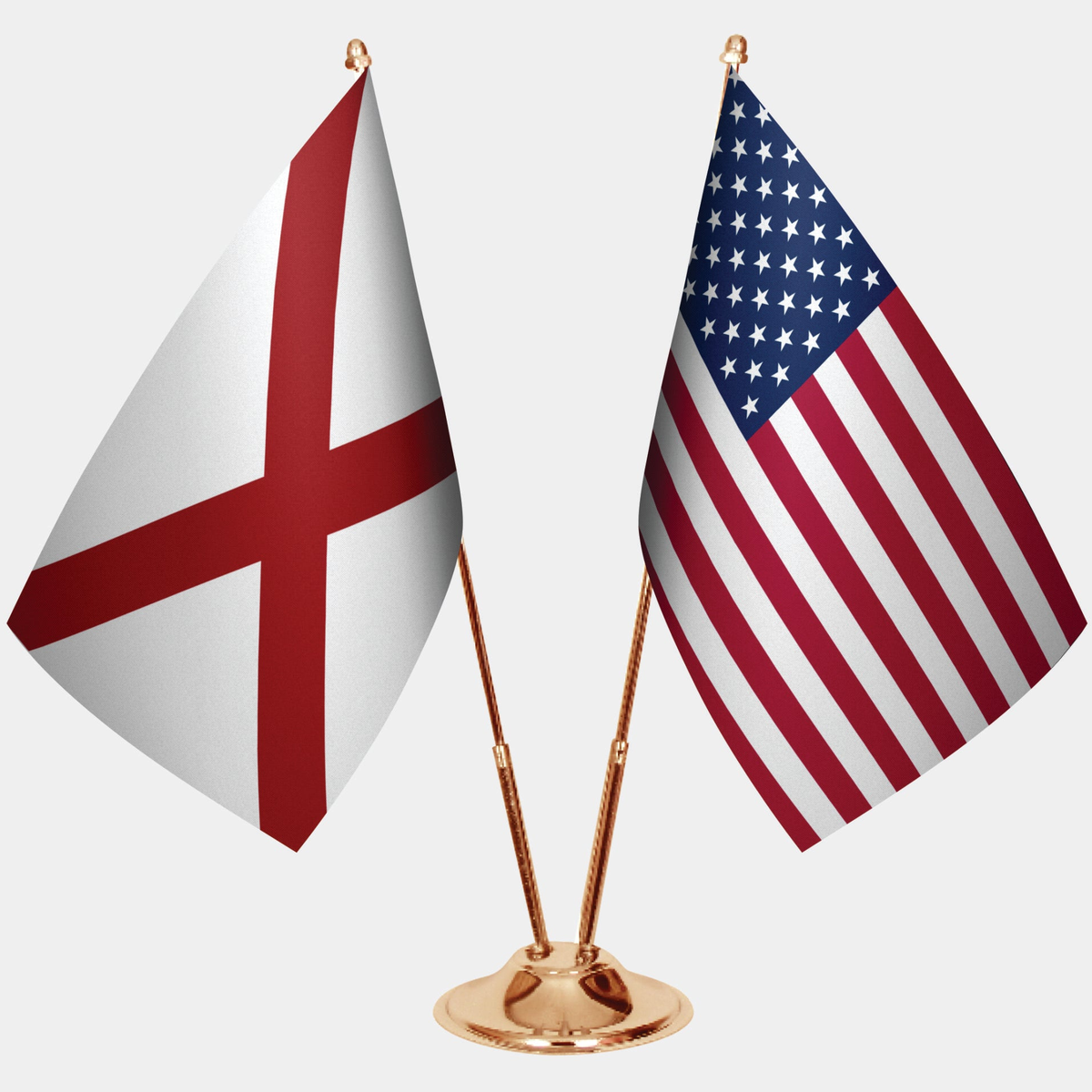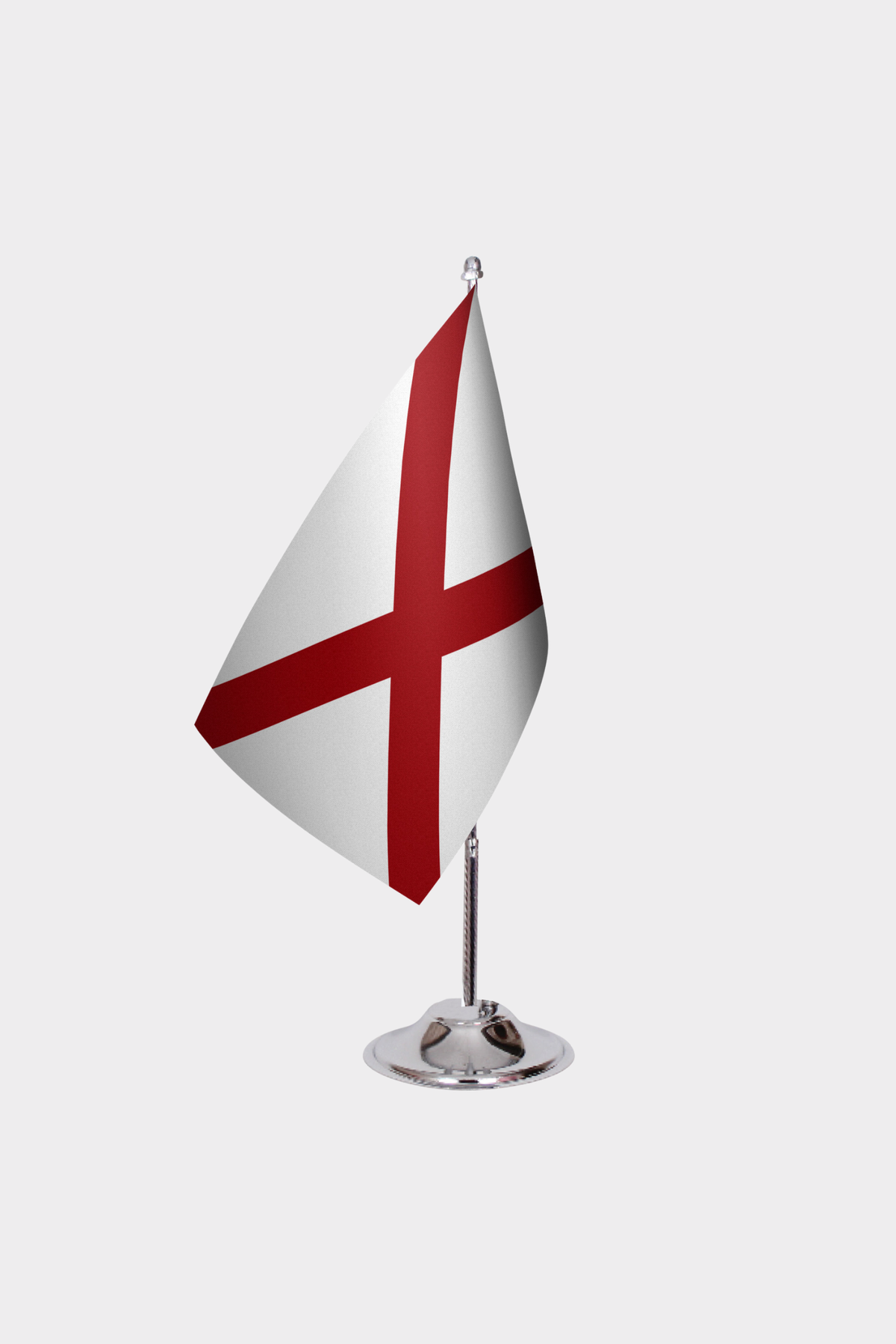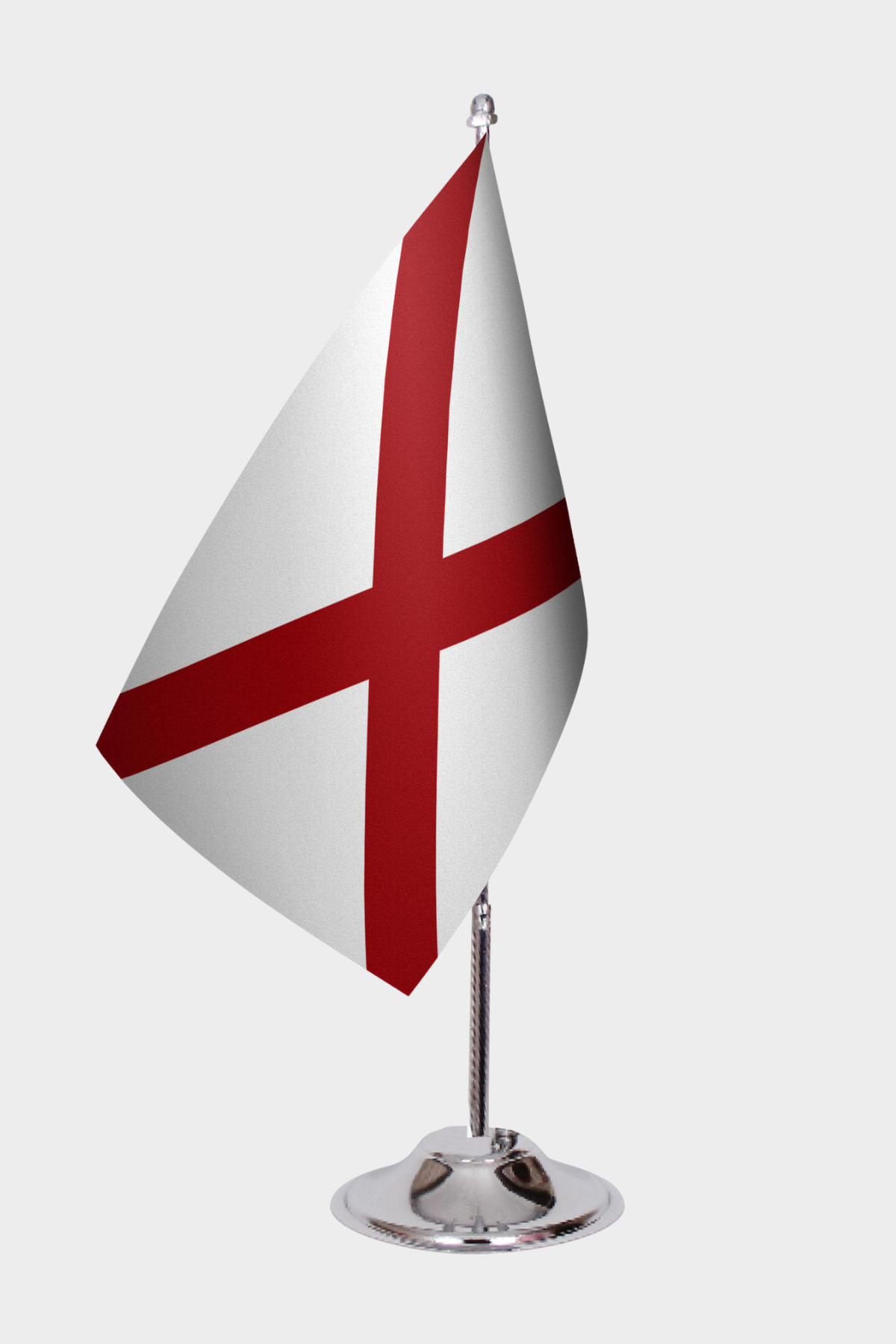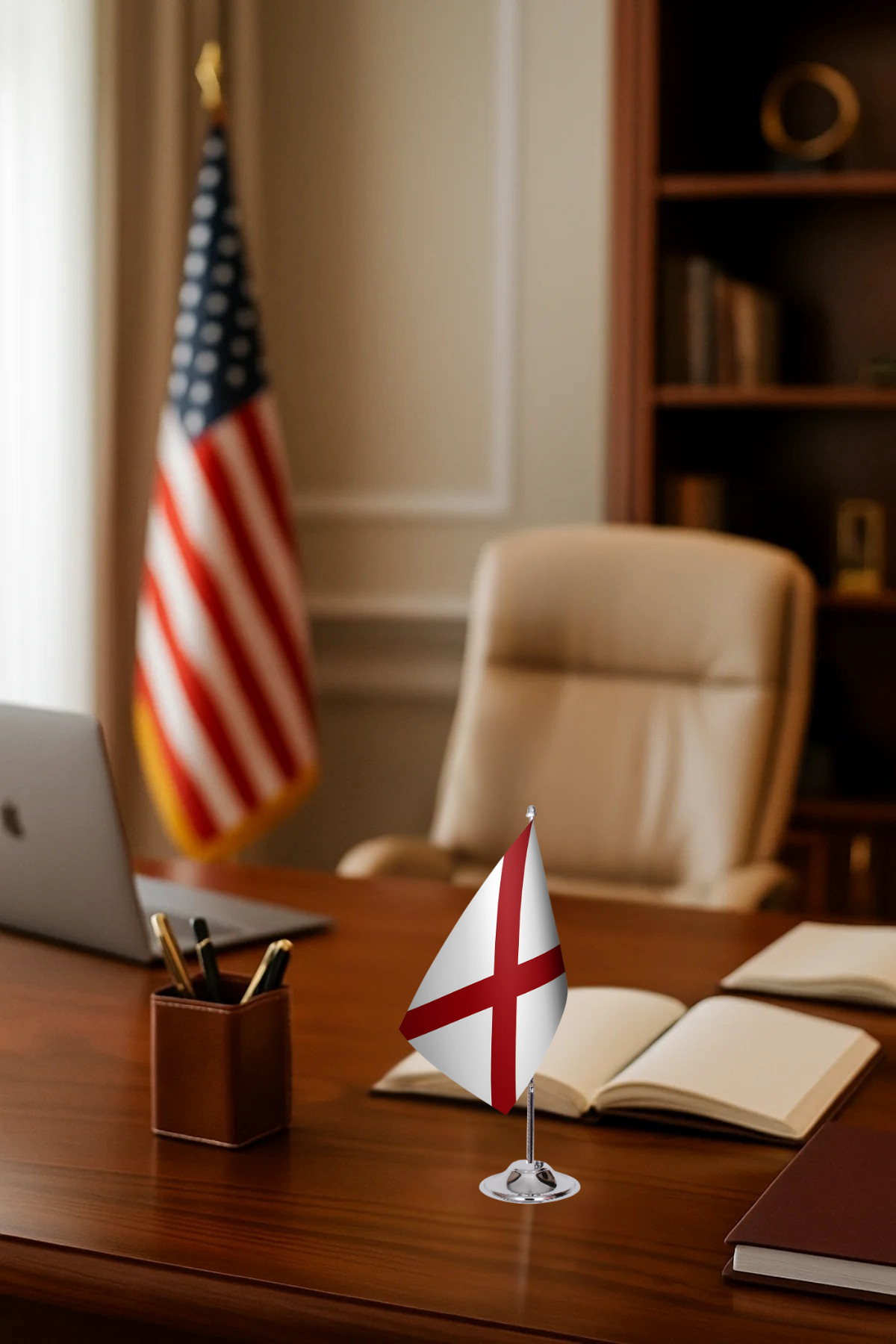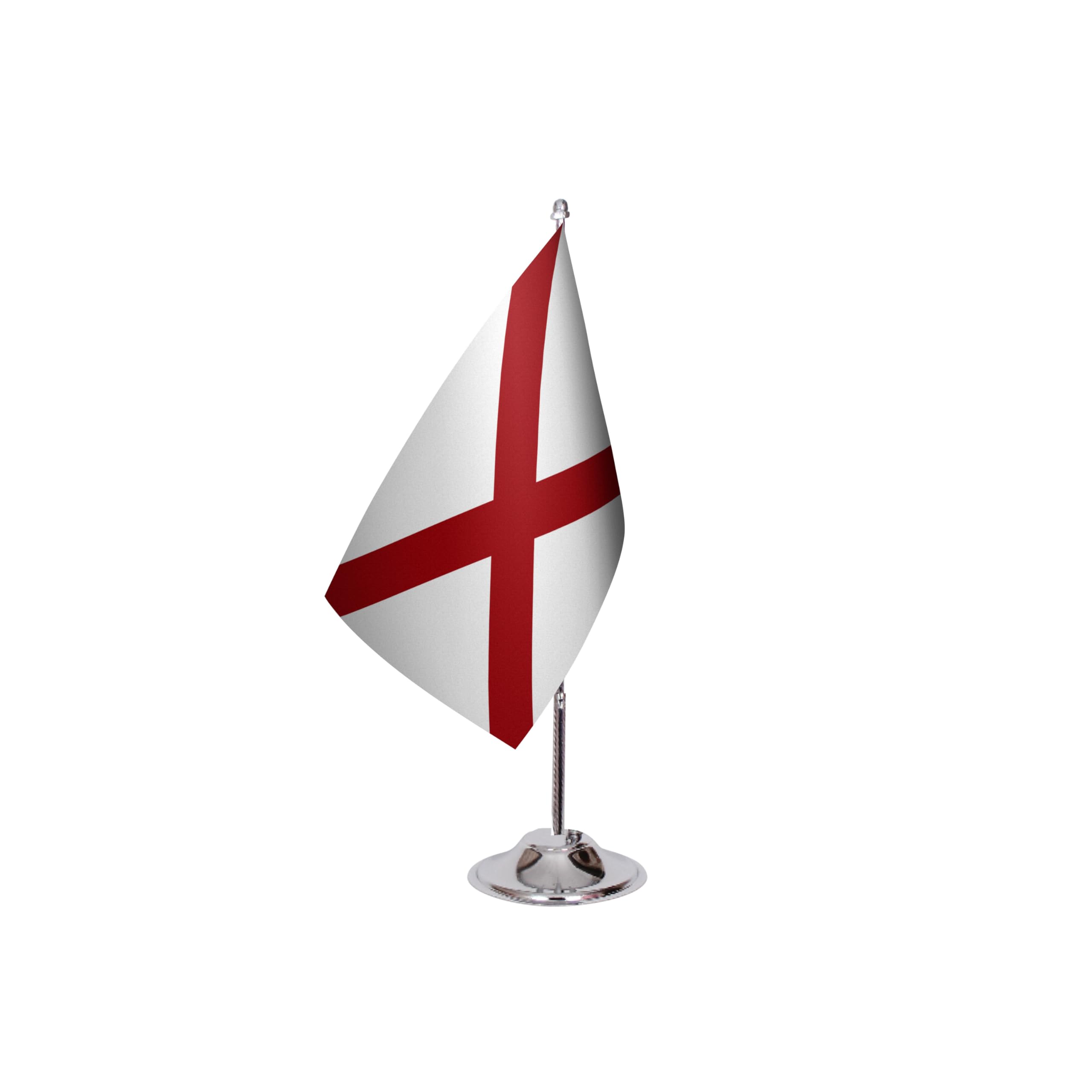






Florida flags face a punishment that flags in most other states simply do not: year-round subtropical sun, corrosive salt air within miles of two coastlines, and a hurricane season that runs from June through November. Choosing the right fabric and care routine is the difference between a flag that lasts 18–24 months and one that shreds in 90 days. Whether you fly the Sunshine State's distinctive red diagonal cross outdoors or display it indoors at a public institution, everything in this guide applies — and you can browse the full range in the USA Flag Collection to find the right grade for your specific environment.
How to Wash a Florida Flag Without Ruining the Colors or Fabric
Hand-wash outdoor Florida flags in cool water (under 85 °F / 29 °C) with a mild, pH-neutral detergent, and machine-wash only on a gentle cycle if the manufacturer's label explicitly permits it. Florida's salt air deposits a fine layer of chloride crystals on fabric fibers; if you leave those crystals in place, they act like microscopic razor blades that accelerate fraying every time the flag snaps in the wind. For outdoor polyester flags — the most common material for Florida conditions — fill a large basin or bathtub with cool water, add a small amount of gentle detergent (no bleach, no fabric softener), submerge the flag, and agitate by hand for 3–5 minutes. Rinse thoroughly until the water runs completely clear, because any detergent residue left in the weave will attract airborne dirt and accelerate UV breakdown. Never wring or twist the fabric; instead, roll the flag loosely in a clean dry towel to absorb excess water, then hang it flat in the shade to air-dry completely before reattaching it to the pole.
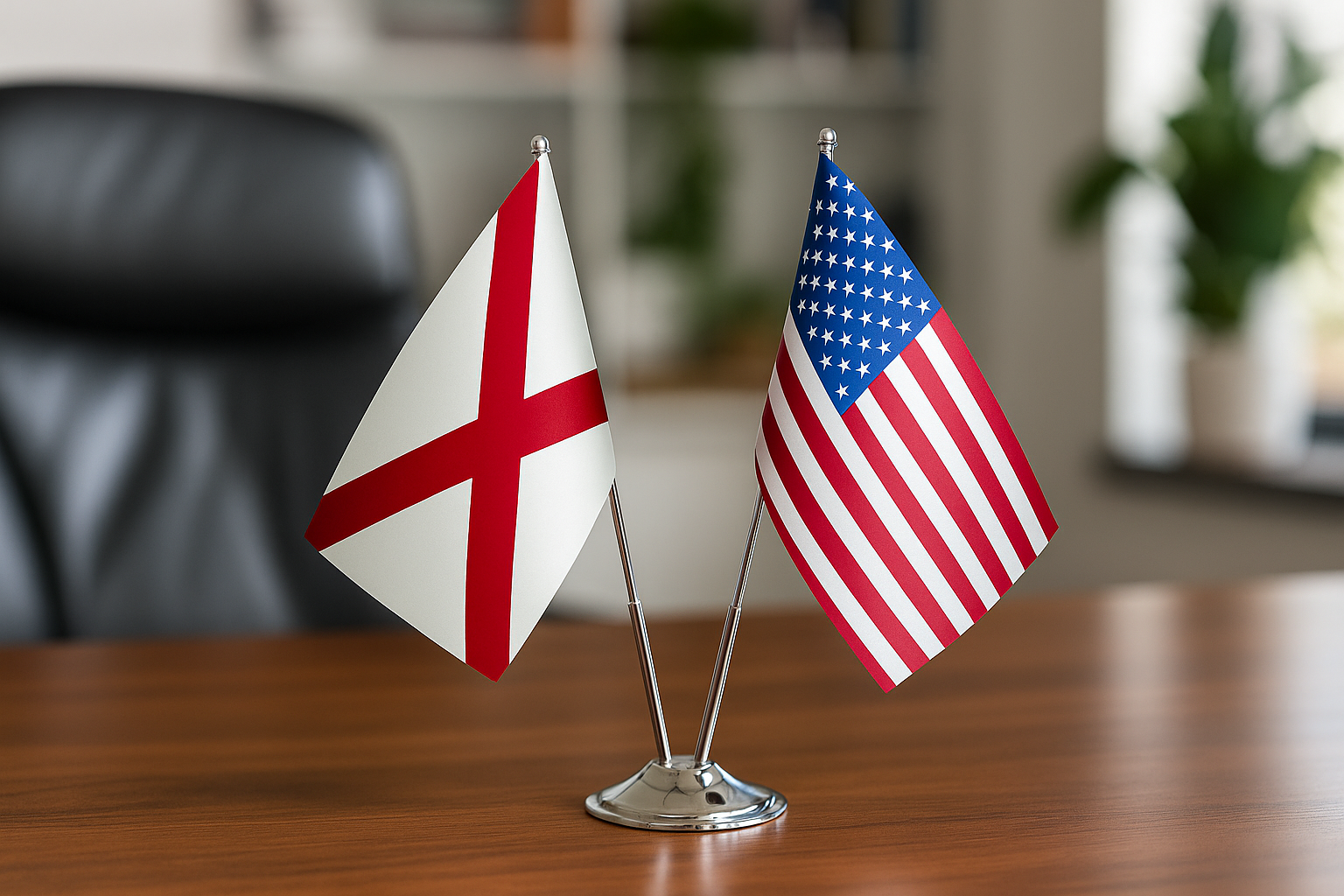
 Coastal Florida homes often fly both the state flag and the national flag side by side, and both need the same disciplined wash routine. Salt residue builds fastest within 5 miles (8 km) of the coast, so flags in beachfront communities like Destin, Miami Beach, or Clearwater typically need washing every 4–6 weeks during summer — roughly twice as frequently as flags flown inland near Orlando or Tallahassee. For flags that share a pole with the American flag, the USA Outdoor Flag crafted from 110g Raschel knitted polyester is engineered for exactly this kind of demanding outdoor environment and benefits from the same salt-rinse wash schedule. Washing both flags at the same time keeps your display consistent and ensures neither one ages noticeably faster than the other. If you notice color bleeding during the first wash — occasionally seen with deeply saturated red inks on white backgrounds — wash the flag separately until the water runs clear, and continue separate washes for the first two cycles.
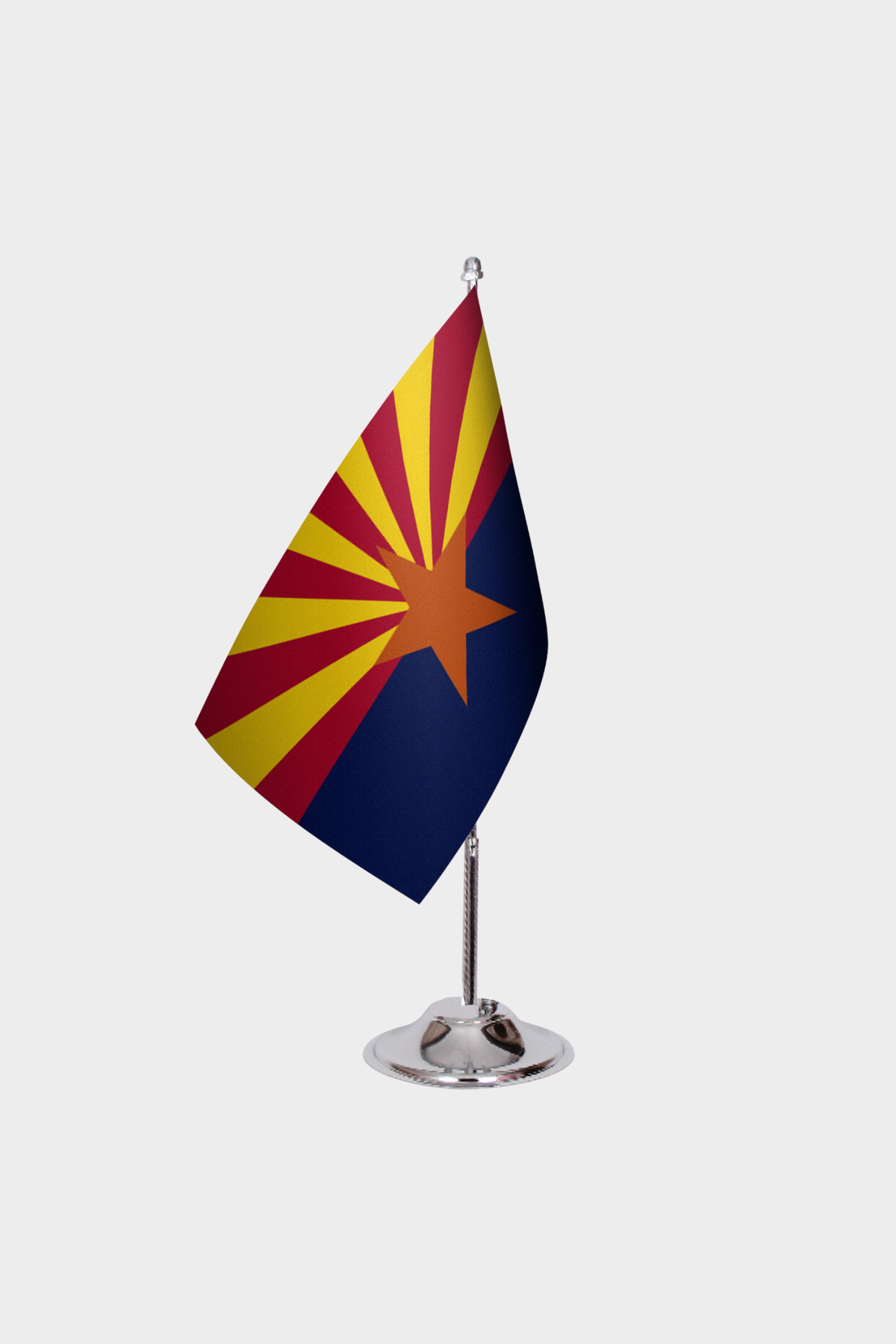
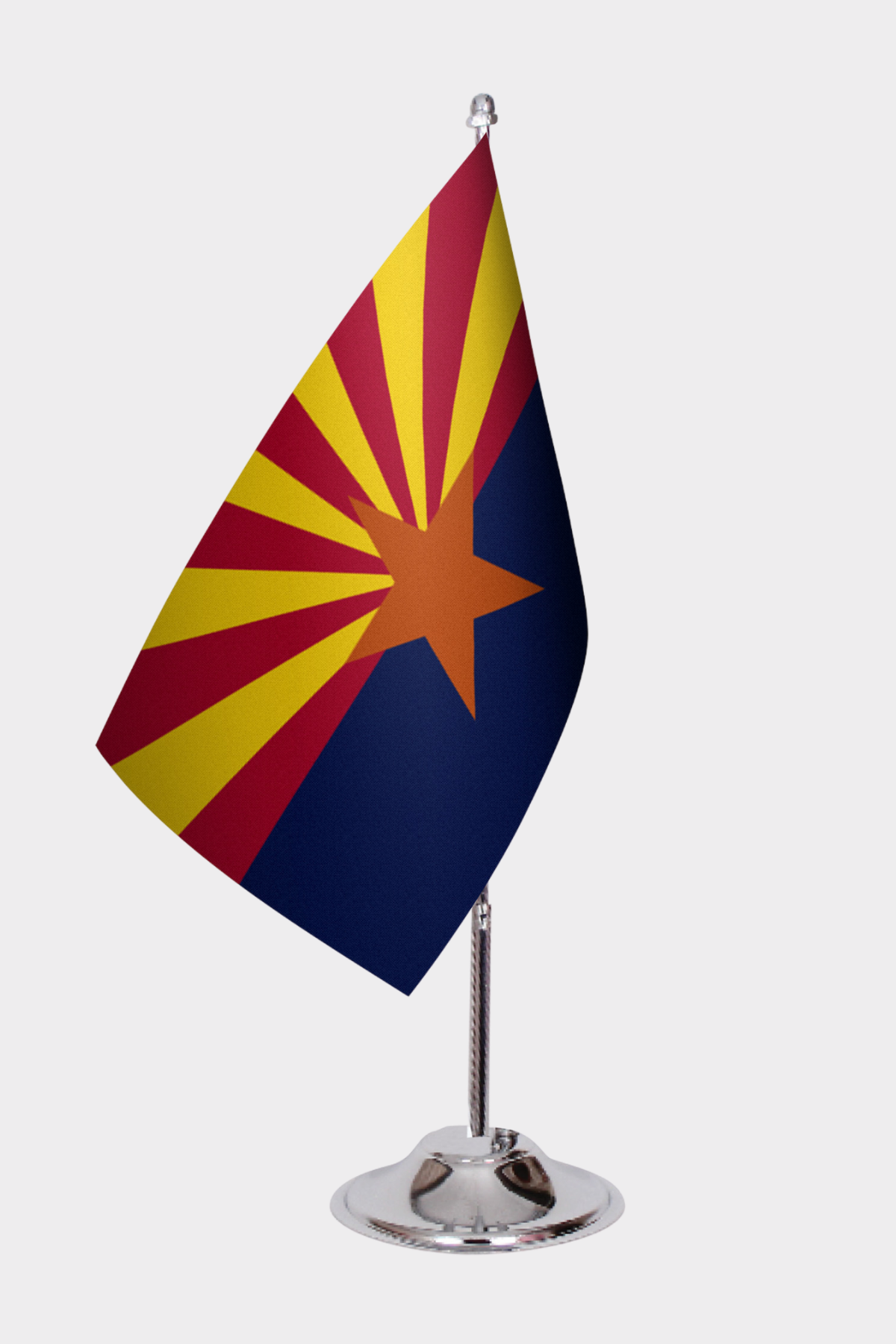
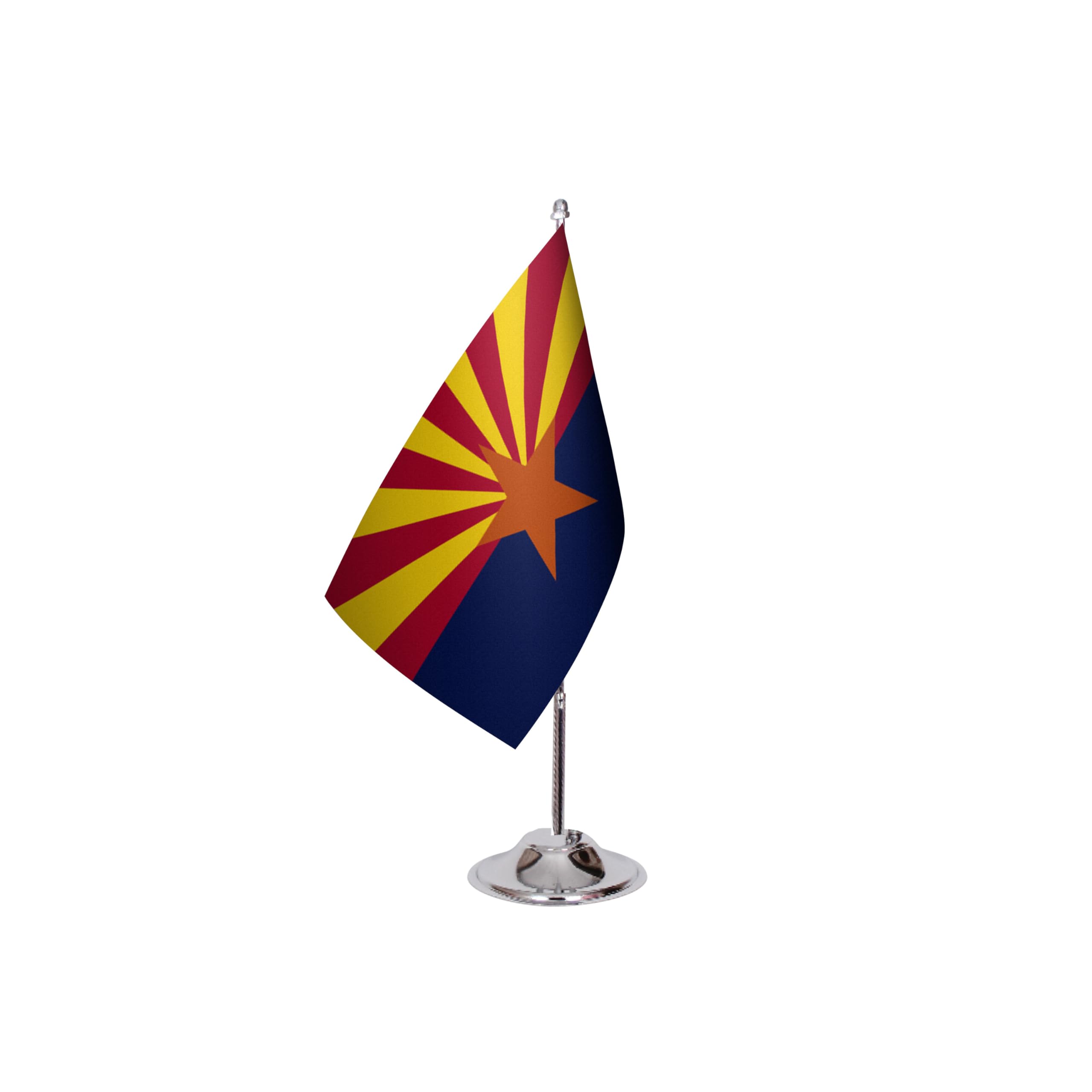
For indoor flags, washing is rarely needed more than twice a year. The Florida Official Indoor Flag features high-definition sublimation printing on double-layer satin, a material that should only be spot-cleaned with a damp cloth for minor dust or smudging. If a full wash becomes necessary, hand-wash only in cool water, and lay flat to dry — never hang it on a pole while damp, as the weight of wet fabric can distort the grommets and heading.
The Right Way to Store a Florida Flag Between Uses or After Storm Season
Store your Florida flag clean, completely dry, and loosely rolled (never folded flat under pressure) inside a breathable cotton bag or acid-free tissue paper in a climate-controlled space away from direct light. Florida's humidity — averaging 74% relative humidity statewide, with coastal areas regularly exceeding 80% — is the single biggest storage enemy; any moisture trapped in stored fabric creates the ideal conditions for mildew, which destroys synthetic fibers and permanently stains printed designs. After hurricane season ends in November, remove outdoor flags, wash and dry them thoroughly, and inspect every seam and grommet before storing. Roll loosely around an acid-free cardboard tube (the same method archivists use for textile storage) to prevent sharp fold lines that weaken the weave over time. Keep stored flags away from basements, garages, and attic spaces — Florida's high ambient humidity makes these areas risky even with dehumidifiers running. A bedroom closet or climate-controlled storage room with temperatures between 60–75 °F (15–24 °C) and relative humidity below 55% is ideal. For practical seasonal storage techniques that apply equally well to Florida flags and decorative bunting, our guide on how to store bunting between seasons covers the full process step by step.
What Shortens a Florida Flag's Life Faster Than Anywhere Else
UV radiation, salt air, and wind-induced mechanical fatigue are the three forces that shorten a Florida flag's lifespan — and in Florida all three operate at maximum intensity simultaneously. The state receives an average of 237 sunny days per year, and UV index readings of 10–11 (Extreme) are common from April through September; unprotected polyester fabric loses 30–40% of its tensile strength after 500 hours of direct UV exposure at those intensity levels. Salt air carries chloride ions that embed in fabric fibers and corrode metal grommets and pole fittings; even 100% polyester flags are not immune, because the grommets and header tape deteriorate faster when salt is present. Wind is the third factor: Florida's afternoon sea breezes regularly run 15–20 mph (24–32 km/h), and tropical systems can produce sustained winds of 45–75 mph (72–120 km/h) well before reaching hurricane strength. Each snap and crack of the flag in the wind is a micro-stress event on the fabric, and the fly end — the free edge opposite the pole — accumulates the most damage. Flags in coastal locations from Key West to Pensacola typically show fly-end fraying within 3–4 months without any protective measures.
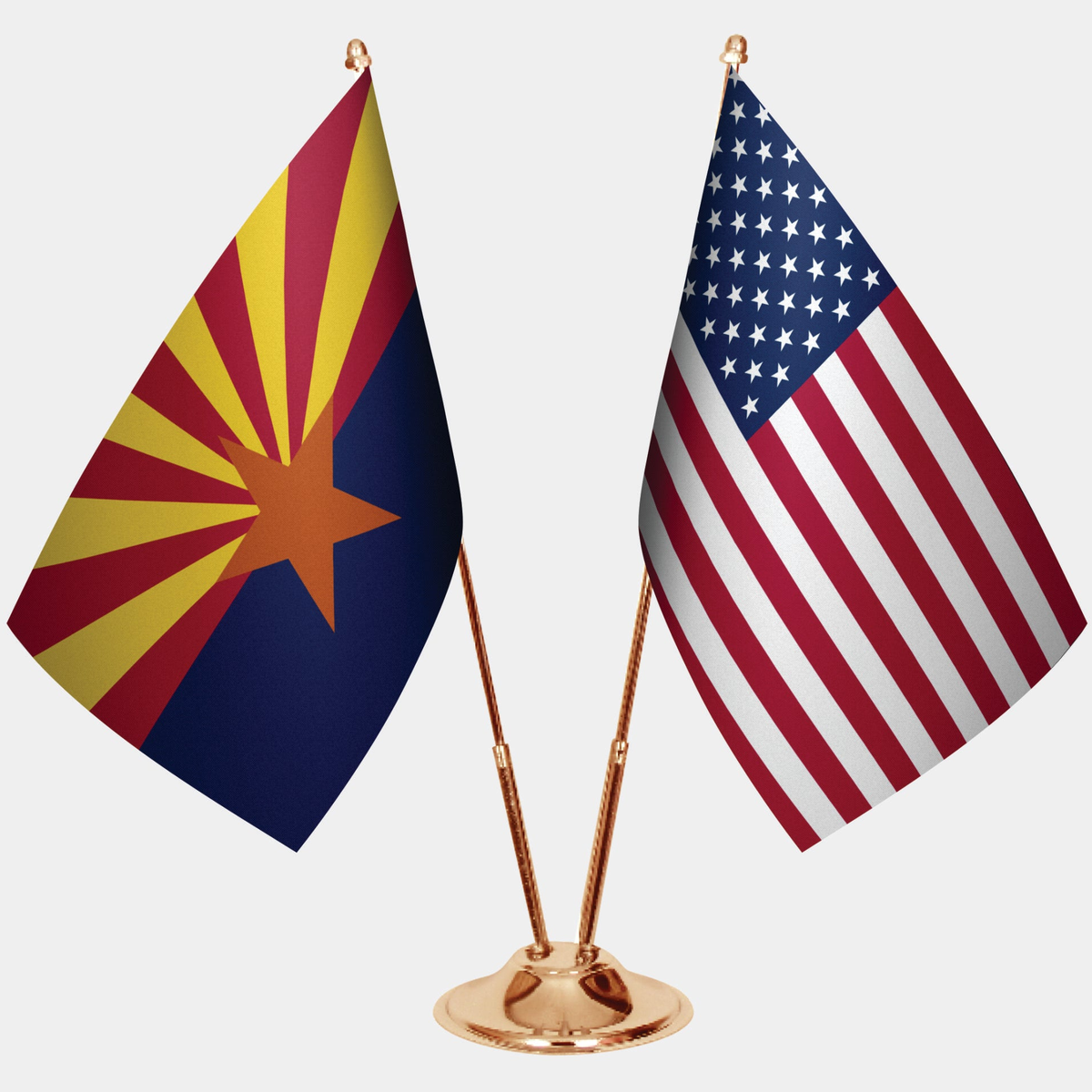
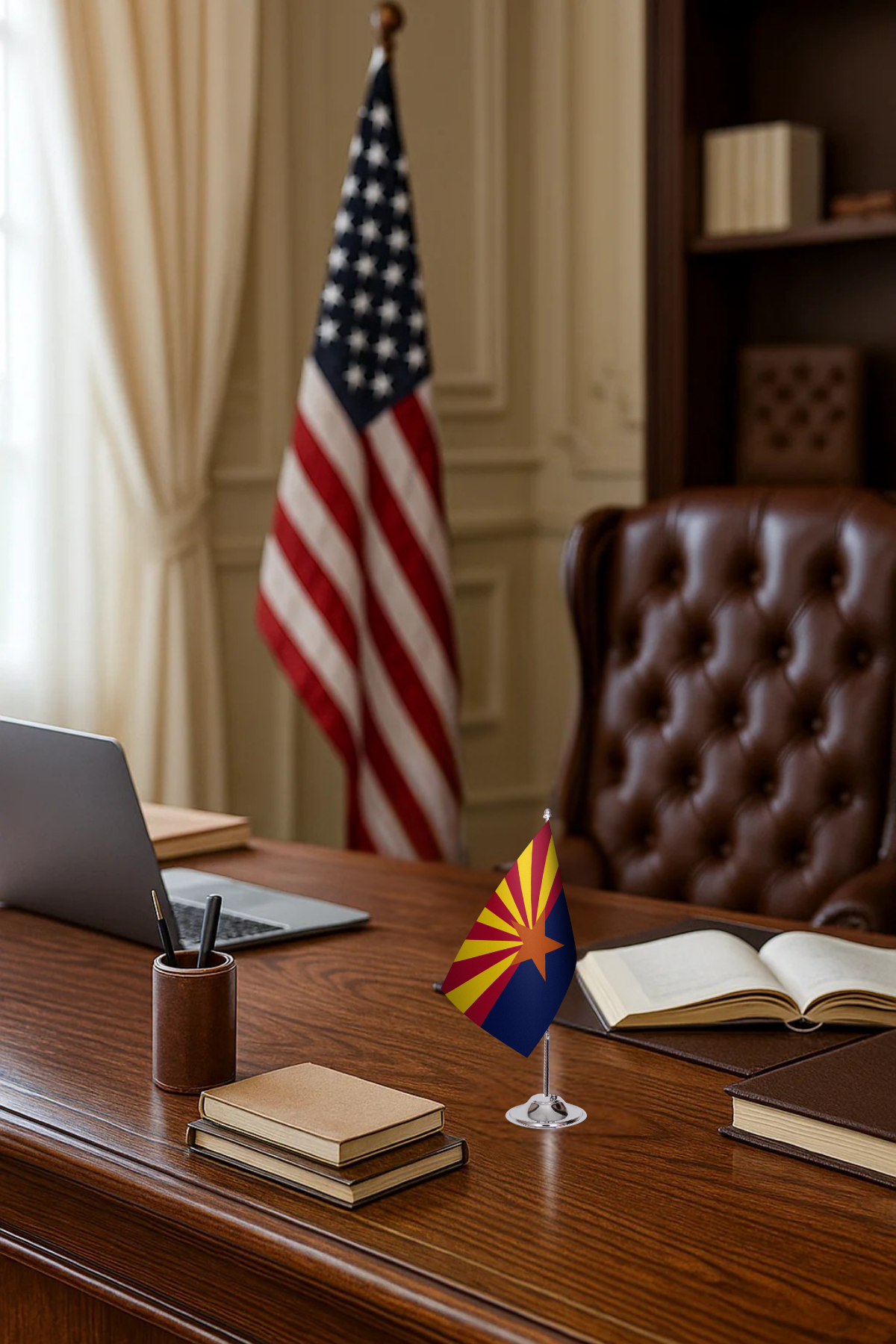
 To slow UV degradation, look for flags rated 80% UV-resistant or higher — a standard that quality outdoor polyester and nylon flags should meet. Bringing a flag indoors during peak UV hours (10 a.m.–4 p.m.) extends its working life dramatically, though most homeowners and businesses find this impractical. A more realistic mitigation is to fly the flag only during daylight hours and bring it in each evening, which also aligns with US Flag Code (4 USC § 6(a)) guidance on illumination requirements. For indoor or desktop display — where UV and wind are non-issues — the Florida & U.S. Desk Flag Set offers a professional way to honor Florida pride inside offices, reception areas, and government buildings without any of the outdoor degradation concerns. Salt air damage is harder to mitigate than UV, but rinsing flag hardware (clips, swivels, grommets) monthly with fresh water removes chloride deposits before they cause corrosion and abrasion.

USA Flag Collection
Browse state, national, and specialty flags engineered for American outdoor conditions — from Florida's salt air to Alaska's freezing winds.
Browse Collection →When Your Florida Flag Has Reached the End of Its Serviceable Life
Replace an outdoor Florida flag when the fly end shows fraying wider than 1 in (2.5 cm), when colors have faded so significantly that the red of the diagonal cross is no longer clearly distinguishable from the white field, or when the header (the reinforced canvas strip holding the grommets) begins to tear away from the flag body. Under Florida's typical conditions — high UV, salt air, regular afternoon winds — a quality outdoor polyester flag flown daily should last 6–12 months in coastal areas and 12–18 months in inland locations. Lower-quality flags made from thinner fabric may need replacement in as little as 60–90 days on a beachfront pole. A flag that is faded, frayed, or torn is not a neutral display; under US Flag Code (4 USC § 8(k)), a flag in such condition should be retired — it is considered a discourtesy to display a flag that is no longer in a suitable condition to serve as a national or state emblem. The standard applies equally to state flags, even though the Code formally addresses only the US flag, and Florida's own flag protocol follows the same dignified display expectations.
How to Properly Retire a Worn Florida Flag
The dignified retirement method for any American or state flag is burning in a private, respectful ceremony — a practice explicitly described in US Flag Code (4 USC § 8(k)) as the preferred method of disposal. Cremation (burning) is the official term used in the Code, and the American Legion, Veterans of Foreign Wars (VFW), and Boy Scouts of America all conduct organized retirement ceremonies, particularly around Flag Day (June 14) and Veterans Day. In Florida, many VFW posts and American Legion chapters hold public retirement ceremonies, and most accept worn flags dropped off year-round. If you choose to conduct a private retirement, use a contained fire such as a fire pit, ensure the flag burns completely, and treat the occasion with the solemnity it deserves — no casual bonfires. For flags made from synthetic polyester, be aware that burning releases some chemical byproducts; conduct the ceremony outdoors with good airflow. For additional guidance on the full retirement process for national flags displayed alongside your state flag, our article on when a worn American flag must be retired covers the legal framework and ceremony options in detail.
After retiring an old flag, it is a good moment to reassess the right flag grade for your location and display method. If you display the Florida state flag indoors at a government office, courthouse, or institution, the Florida Official Indoor Flag — with its double-layer satin construction and chrome metal pole — is the appropriate replacement. If the flag was part of an outdoor pole display, upgrading to a heavier-weight outdoor fabric will extend the next flag's service life noticeably compared to standard commercial grades. The State and City Indoor Flags collection is also worth browsing if you are setting up a new indoor display for any Florida institution or event space.
How often should I wash a Florida flag flown near the beach? +
Should I take my Florida flag down before a hurricane or tropical storm? +
What is a double-sided Florida flag and is it worth buying? +
Can I put a Florida flag in the dryer after washing? +
How long does a Florida flag typically last outdoors? +
Where can I retire a worn Florida flag near me? +
Does the Florida state flag have any special display rules I should follow? +
Florida's climate demands more from a flag than almost any other state — but the right fabric choice, a consistent wash schedule, smart storm-season management, and timely retirement all add up to a flag display that remains dignified and sharp year-round. For outdoor pole display, explore our USA Outdoor Flag in 110g Raschel knitted polyester as a durable national flag companion to your state flag. For institutional or office use, the Florida Official Indoor Flag on a chrome metal pole delivers a polished presentation that never needs to face salt air or UV stress. The Florida & U.S. Desk Flag Set is the ideal choice for executive desks, reception counters, and conference rooms where a professional dual display represents both state and national pride. Bulk pricing is available for corporate, government, and institutional orders — contact us directly to discuss volume requirements and lead times.