





Selecting the right outdoor flags for government buildings requires precise sizing, weather-durable materials, and a reliable procurement process — and getting all three right ensures your facility meets both legal standards and community expectations. Municipal procurement officers, city administrators, and facilities managers across the United States rely on purpose-built outdoor flags that conform to US Flag Code (4 USC §§ 1–10), withstand year-round exposure, and arrive on budget whether you need 5 flags or 500. This guide walks through every critical decision point for city hall American flag sizing, fabric selection, flagpole compatibility, and municipal flag bulk ordering so your government facility is always properly, proudly represented. For a reliable starting point, the USA Outdoor Flag collection offers commercial-grade options sized specifically for institutional poles.
Understanding US Flag Code Requirements for Government Facilities
Government buildings are legally and symbolically obligated to display the American flag in a manner consistent with 4 USC §§ 1–10, which governs flag dimensions, display hours, lighting requirements, and retirement procedures. The Flag Code does not specify exact sizes for every building type, but it establishes proportional standards — the flag's width (fly) should be roughly 1.9 times its height (hoist) — and strongly implies that flags should be proportionate to the structure and flagpole on which they are displayed.
For city halls, county courthouses, and municipal offices, the most common interpreted standard is that the flag should never appear dwarfed by the building or flagpole. A flag that looks undersized undermines the dignity of public display. Federal guidance from the General Services Administration (GSA) recommends that outdoor flags on standard 20 ft (6.1 m) to 25 ft (7.6 m) institutional poles use a minimum 4×6 ft (1.2×1.8 m) flag, while poles at 30 ft (9.1 m) to 40 ft (12.2 m) call for 5×8 ft (1.5×2.4 m) or 6×10 ft (1.8×3 m) flags. Taller poles at 50 ft (15.2 m) and above typically require 8×12 ft (2.4×3.7 m) flags or larger. County courthouses with prominent 60–80 ft (18.3–24.4 m) flagpoles often fly 10×15 ft (3×4.6 m) or even 12×18 ft (3.7×5.5 m) flags to maintain visual dignity from the street.
Flag Code also mandates that the flag be illuminated if displayed after sunset, that it be retired promptly when worn or tattered, and that it never touch the ground. For procurement officers managing multiple facilities, building these retirement and replacement cycles into your annual purchasing schedule — rather than ordering reactively — is a best practice that keeps all sites compliant year-round.
Recommended Flag Sizes for City Halls, Courthouses, and Municipal Buildings
The correct city hall American flag size depends primarily on flagpole height, with secondary consideration for building footprint and the viewing distance from the street or public plaza. Here is a practical sizing reference used by municipal procurement teams nationwide:
- Pole height 15–20 ft (4.6–6.1 m): Use a 3×5 ft (0.9×1.5 m) flag for small municipal offices or branch facilities.
- Pole height 20–25 ft (6.1–7.6 m): A 4×6 ft (1.2×1.8 m) flag is the standard for community centers, libraries, and smaller city offices.
- Pole height 25–35 ft (7.6–10.7 m): A 5×8 ft (1.5×2.4 m) flag is appropriate for mid-size city halls and municipal service buildings.
- Pole height 35–50 ft (10.7–15.2 m): 6×10 ft (1.8×3 m) or 8×12 ft (2.4×3.7 m) flags are standard for prominent county government buildings.
- Pole height 50–80 ft (15.2–24.4 m): 10×15 ft (3×4.6 m) to 12×18 ft (3.7×5.5 m) flags are used at major county courthouses and state-adjacent facilities.
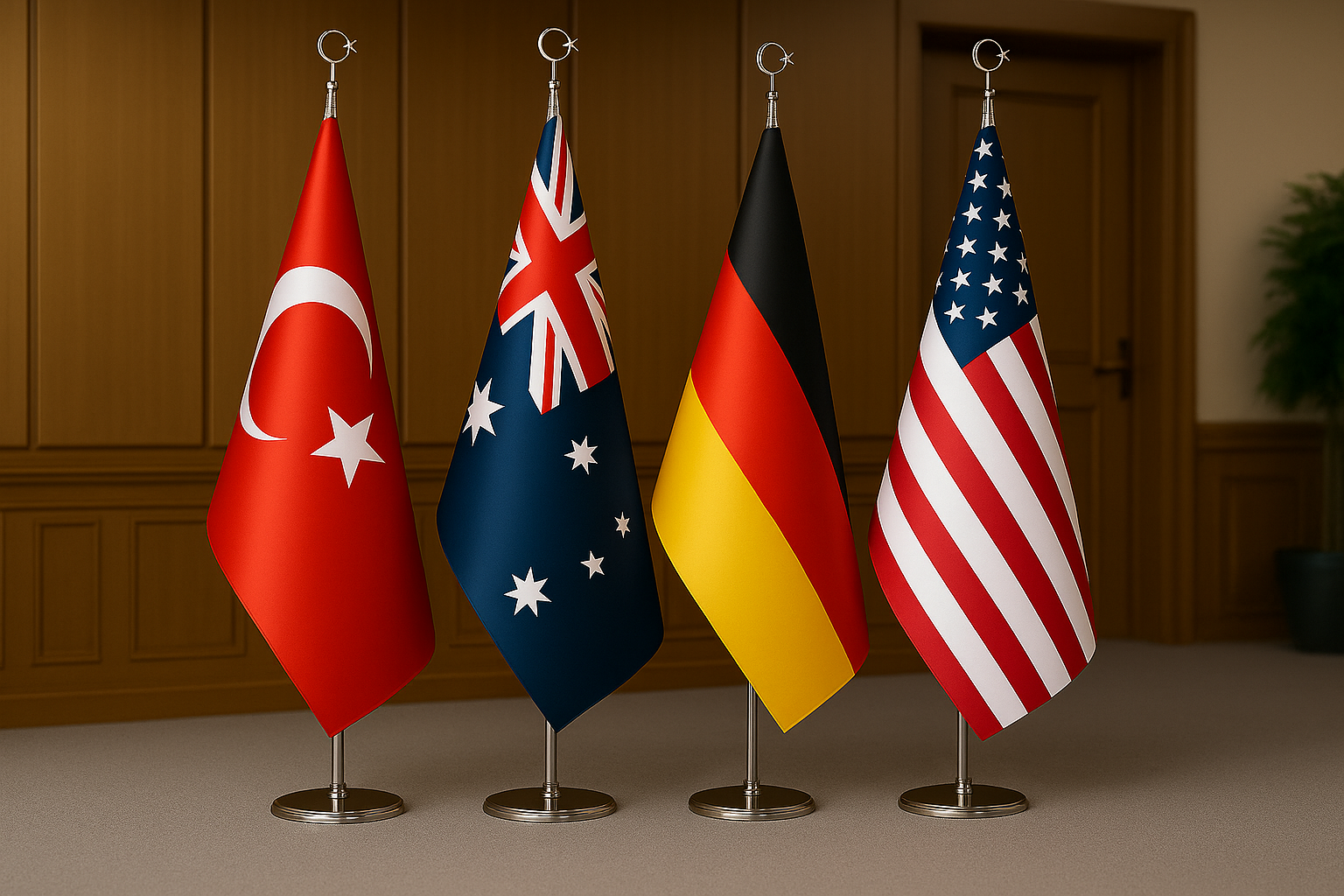
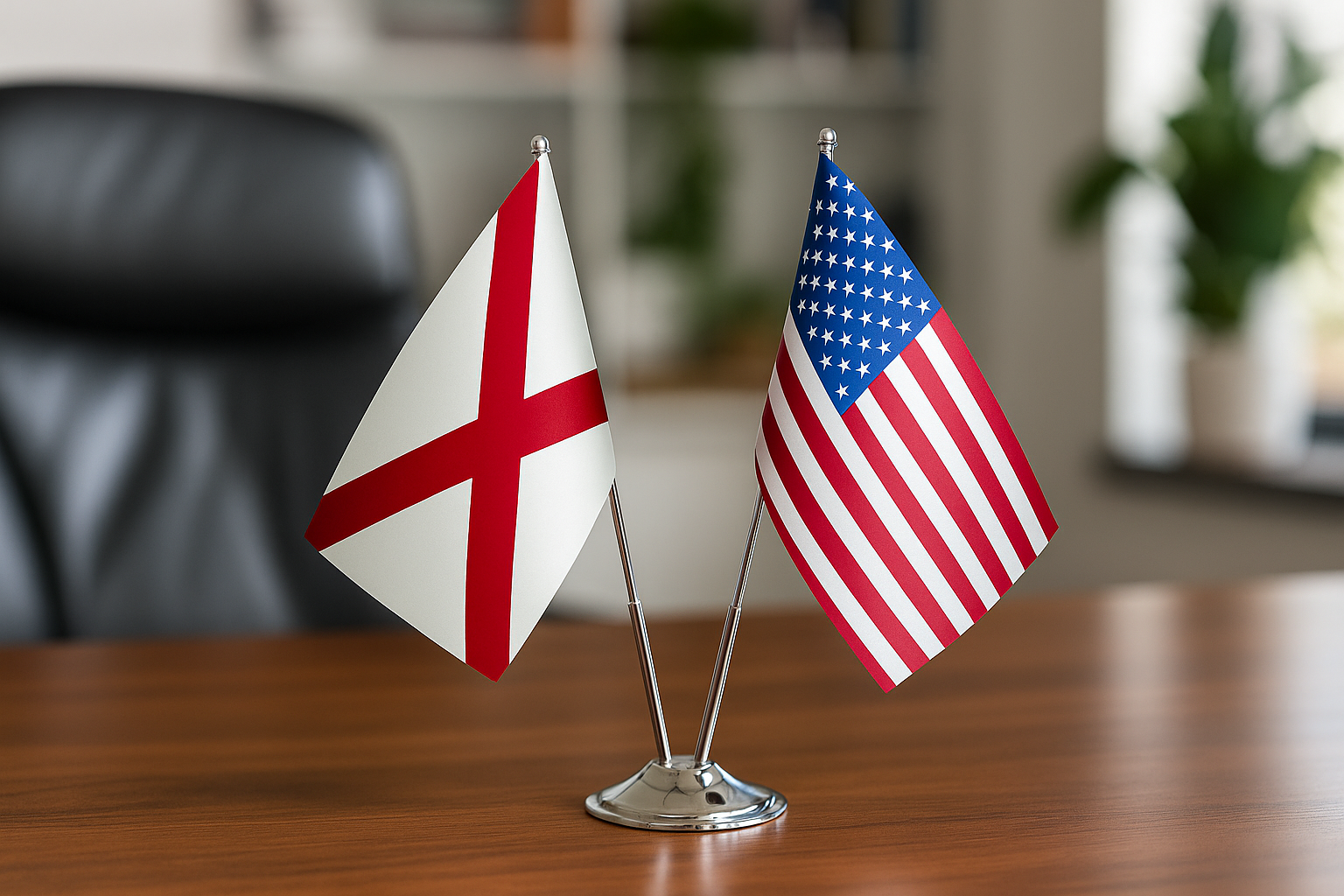
When multiple flags are displayed on a single grouping of poles — for example, the US flag flanked by a state flag and a municipal flag — all flags should be flown at the same height, and the US flag must be on the observer's left (the flag's own right) per Flag Code. The US flag should also be at least as large as, or larger than, any other flag in the grouping. This multi-flag protocol is common at county courthouses where a third flagpole carries the county seal or department flag.
Best Materials for Outdoor Government Flags
 For outdoor flags for government buildings, the three dominant fabric choices are nylon, polyester, and SolarMax nylon — each with distinct performance profiles suited to different climates and exposure conditions. Nylon is the most widely specified fabric for government procurement because it is lightweight, dries quickly, and offers 80% UV resistance, which translates to a usable service life of 6 months to 2 years depending on geographic sun intensity and wind exposure. In coastal or high-wind regions such as the Gulf Coast, Pacific Northwest, or Great Plains, heavy-duty 2-ply polyester is preferred because it resists fraying and tearing under sustained winds above 25 mph (40 km/h). SolarMax nylon — a premium 200-denier solution-dyed fabric — extends outdoor lifespan significantly by resisting color fading even in high-UV environments like the Desert Southwest, where standard nylon may fade within 4–6 months. For government facilities that display flags continuously (24/7 with lighting), a heavier polyester or SolarMax nylon is almost always the better long-term investment even at a higher per-unit cost. Browse the USA Outdoor Flag product page to review available fabric weights and sizes suitable for institutional poles.
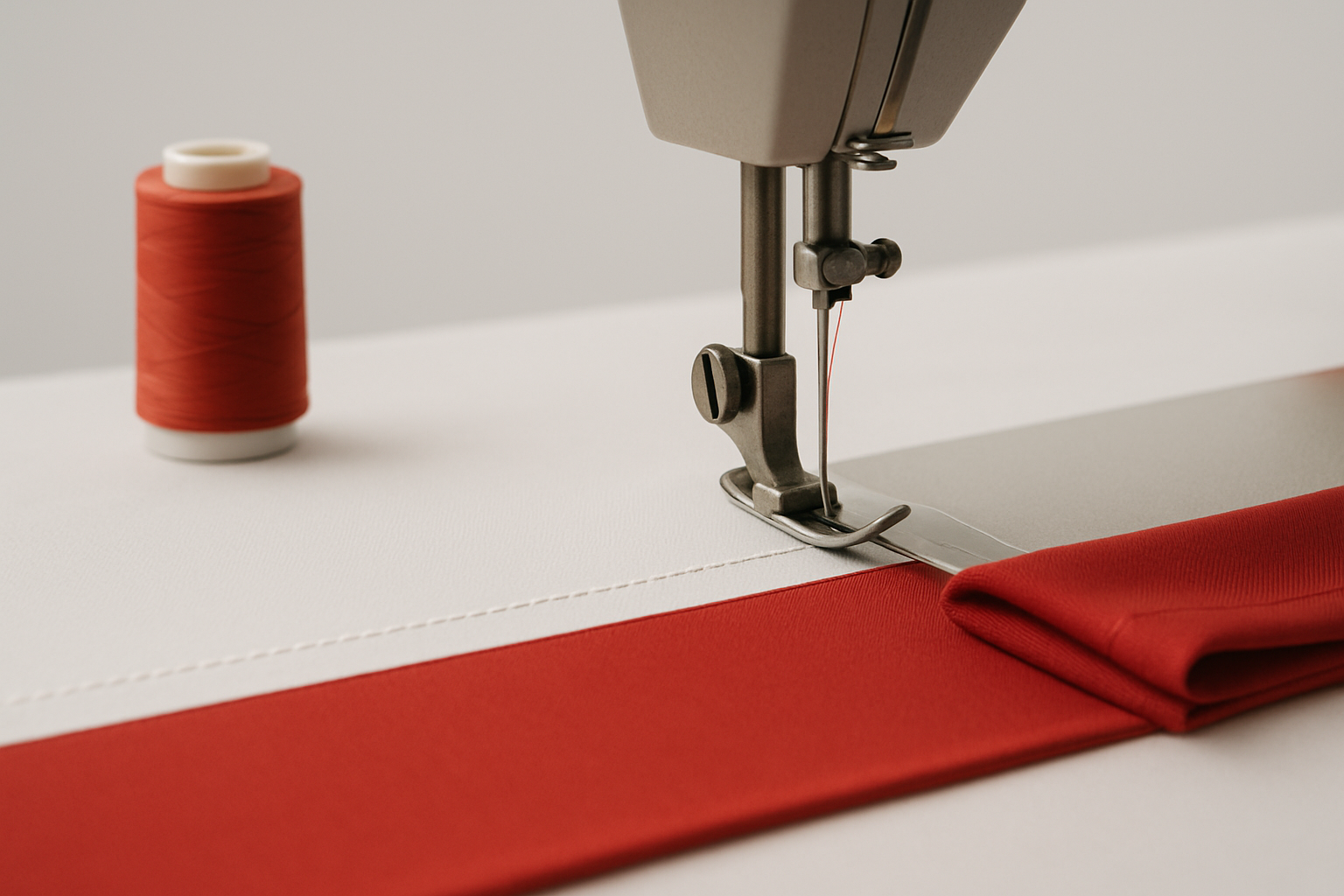
Header and fly-end construction is equally important for government-grade flags. Institutional outdoor flags should feature a canvas header (at least 1.5 in / 3.8 cm wide) with reinforced brass grommets rather than the lighter aluminum grommets found on economy flags. Lock-stitched fly hems — using double or triple needle stitching — add critical durability at the point of greatest stress. Government procurement specifications frequently call for four-row lock-stitching on the fly hem specifically because this area experiences the highest repetitive stress from wind snap. Flags displaying embroidered stars and screen-printed or embroidered stripes tend to outlast digitally printed alternatives in outdoor conditions because the color is integral to the thread or fabric rather than applied as an ink layer on the surface.
Flagpole Compatibility and Hardware Considerations for Municipal Sites
 Proper flagpole compatibility is a step that many procurement officers overlook until a flag arrives and the grommets don't match the halyard snap hooks on site. Government outdoor flags are attached to poles in one of three ways: snap hook and grommet (most common for institutional poles under 40 ft / 12.2 m), rope-and-toggle sewn into the header for taller outdoor poles, or internal halyard systems in vandal-resistant poles common at county courthouses and high-security facilities. Before specifying flag hardware in your purchase order, always confirm pole type, halyard material (rope vs. wire cable), and snap hook diameter — standard commercial snap hooks accept a 3/8 in (9.5 mm) to 1/2 in (12.7 mm) grommet opening. For municipalities managing 10 or more flagpoles across multiple sites, standardizing hardware specs across all locations dramatically simplifies both installation and flag replacement logistics. The flagpoles and accessories collection includes compatible hardware kits, replacement snap hooks, and halyard components designed for institutional-grade installations.
Wind loading is another critical hardware consideration for larger flags. A 10×15 ft (3×4.6 m) polyester flag can exert over 200 lbs (90 kg) of force on a pole in 40 mph (64 km/h) sustained winds, which is why government facilities in hurricane-prone or high-wind zones should use heavy-duty swivel snap hooks rated at 300 lbs (136 kg) or more. Anti-wrap sleeves and rotating truck assemblies at the top of the pole prevent flags from wrapping around the shaft — a common cause of premature tearing in urban environments with variable wind direction. Many municipalities also install breakaway swivels on their snap hooks so that in extreme wind events the flag can release rather than shredding against the pole hardware.
Logo Printed Outdoor Pole Flags
Custom-printed outdoor pole flags for municipal seals, county insignia, and departmental branding — built to the same commercial-grade standards as institutional USA flags.
Browse Collection →Bulk Ordering and Government Procurement for Municipal Flag Programs
For wholesale outdoor flags for city government and government building flag procurement, ordering in volume is both a budget necessity and a logistical advantage. Most municipalities manage between 5 and 50 flagpole sites, and coordinating a single annual bulk order rather than piecemeal replacement requests can reduce per-flag costs by 20–40% while ensuring color and construction consistency across all sites — critical when your city's flags are visible side-by-side in front of multiple public buildings.
A well-structured municipal flag bulk order typically includes the following components in the purchase specification: flag size(s) by pole height at each site, fabric type and weight (specify nylon weight in denier, e.g., 200D), header construction (canvas header width, grommet material and diameter), stitching standard (number of rows on fly hem), color standard (Pantone® references for state and municipal flags), quantity per size, and desired delivery timeline. Many government procurement offices also require a Certificate of Compliance confirming the flags are manufactured to Federal Specification DDD-F-416F, which governs construction standards for American flags purchased with federal or grant-funded dollars. If your municipality receives federal community development or infrastructure grants, verifying Buy American Act compliance with your supplier before issuing a purchase order is essential.
Lead times for large government flag orders vary by fabric and customization: standard nylon USA flags in common sizes (3×5 ft through 6×10 ft) are typically available with a 5–10 business day turnaround, while custom-sized flags or municipally branded flags with printed seals require 15–25 business days. Planning your annual replacement order in late summer — before fall weather increases flag wear — allows facilities teams to receive and install new flags before the high-visibility Veterans Day and Memorial Day display seasons. Bulk pricing is available for corporate and government orders; contact Asya Bayrak directly for volume pricing schedules on orders of 25 flags or more.
Custom Municipal and County Flags for Government Branding
Beyond the American flag, many city halls, county courthouses, and municipal campuses also fly custom flags representing their jurisdiction — city seals, county insignia, department logos, or sister-city relationships. These outdoor flags for county courthouse installations require the same commercial-grade construction as standard USA flags, with additional attention to color accuracy and print durability since municipal seals often involve complex multi-color designs.
For outdoor municipal custom flags, UV-stabilized dye-sublimation printing on 200-denier polyester or nylon produces the sharpest reproduction of seal artwork while maintaining 80%+ UV resistance. FIAV (Fédération internationale des associations vexillologiques) standards recommend that flag designs for governmental use maintain a 2:3 ratio (hoist to fly) for horizontal rectangular flags, which is the standard adopted by most US state and municipal flags. When ordering custom municipal flags to fly alongside the US flag, ensure the custom flag's dimensions match or are slightly smaller than the American flag on the adjacent pole — Flag Code prohibits any flag from being displayed equal to or above the US flag on the same pole, and visual parity is best maintained when custom flags are ordered in the same size as the companion US flag.
Custom flag orders for government branding also benefit from digital proofing before production. Reputable manufacturers will provide a full-color digital proof with Pantone® color call-outs for your approval before cutting and printing. For municipalities with multiple facilities, requesting a physical sample flag before approving a full run of 20–50 units prevents costly reprints and ensures the seal's fine details — thin borders, small text, intricate emblems — reproduce cleanly at the intended flag size.
Maintenance, Retirement, and Replacement Planning for Government Flags
A proactive flag maintenance program is the most cost-effective way to manage government building flag procurement at scale. The average outdoor government flag has a service life of 6 months to 2 years depending on climate, exposure, and fabric type — nylon flags in high-UV or coastal environments may need replacement every 4–6 months, while heavy polyester flags in moderate climates can last 18–24 months.
Flag Code (4 USC § 8k) states that a flag that is worn, tattered, or no longer a fitting emblem should be destroyed in a dignified manner, traditionally by burning. The American Legion, VFW, and Boy Scouts of America regularly conduct flag retirement ceremonies and will accept worn government flags for dignified disposal — many municipalities build formal relationships with these organizations as part of their flag lifecycle program. Facilities managers should inspect outdoor flags monthly for fraying at the fly hem (the most common failure point), fading (especially at the canton/union), header wear, and grommet corrosion.
Building a rolling replacement schedule — replacing approximately one-third of your flag inventory each year — maintains consistent appearance across all sites without creating a budget spike in any single fiscal year. For municipalities tracking multiple sites, a simple spreadsheet logging each flag's installation date, location, and pole height takes less than an hour to maintain and saves significant time during annual budget justification. Pairing your replacement schedule with a standing bulk USA outdoor flags order from a consistent supplier ensures color-matched replacements arrive on time and within your procurement specifications.
Frequently Asked Questions
What size American flag should a city hall with a 30 ft flagpole use? +
What fabric is best for outdoor flags on a county courthouse in a high-wind area? +
Does the US Flag Code specify exact flag sizes for government buildings? +
What is the minimum order quantity for a municipal flag bulk order? +
Are government-purchased American flags required to comply with Federal Specification DDD-F-416F? +
How often should outdoor government flags be replaced? +
Can we order custom city or county seal flags to fly alongside the US flag? +
What indoor flag options are available for government lobbies and council chambers? +
Equipping your municipality's flagpoles correctly — with the right sizes, fabrics, and hardware — is a one-time investment in knowledge that pays dividends across every future procurement cycle. Whether you manage a single city hall or a county-wide network of 40+ facilities, partnering with a supplier that understands government building flag procurement requirements means fewer compliance questions, longer flag lifespans, and better value per flag dollar. Start with the USA Outdoor Flag product page for standard institutional sizes, explore the Logo Printed Outdoor Pole Flags collection for custom municipal and county seal flags, and review flagpole hardware and accessories to ensure complete, compatible installations across all your sites. Bulk pricing is available for government and corporate orders — contact Asya Bayrak directly to request a volume quote tailored to your facility count, flag sizes, and delivery timeline.


