
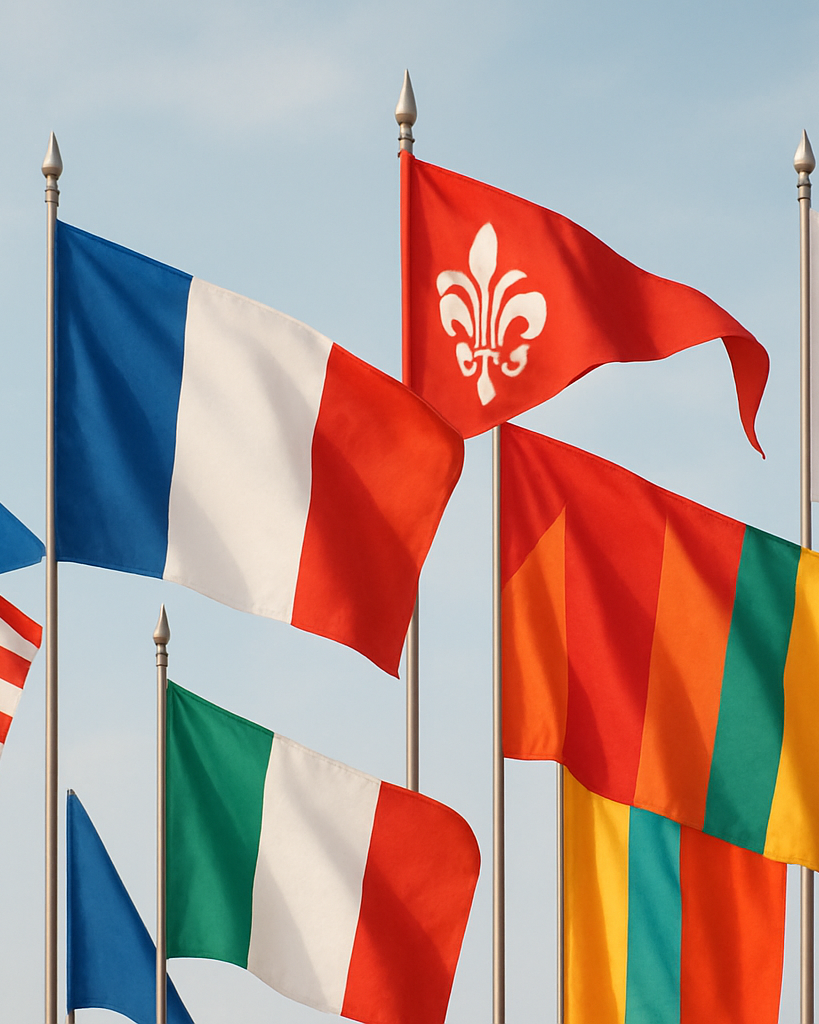



Street and campus pole banners are most commonly ordered in two standard sizes: 18 in × 36 in (46 cm × 91 cm) for light poles and pedestrian-scale streets, and 24 in × 72 in (61 cm × 183 cm) for arterial roads and campus main boulevards. Choosing the wrong size is the single most common mistake institutions make — a banner that is too narrow disappears at street level, while one that is too wide creates dangerous wind loading on older hardware. Browse the full range in the Logo Printed Pole Flags collection to see available formats and customization options before placing a bulk order.
What the Standard Sizes Are and Where Each One Is Used
The industry has settled on four widths — 18 in, 24 in, 30 in, and 36 in (46 cm, 61 cm, 76 cm, 91 cm) — paired with lengths that typically run 2× to 4× the width. Each pairing is matched to a specific deployment context, and mixing them up creates visual inconsistency across a streetscape. The table below summarizes the most widely adopted combinations.
- 18 × 36 in (46 × 91 cm): Downtown pedestrian zones, parking garage columns, interior campus pathways, and residential street lighting. The compact footprint suits 10 ft–14 ft (3 m–4.3 m) mounting heights and areas with heavy foot traffic where close-range readability matters more than distance visibility.
- 18 × 60 in (46 × 152 cm): Transitional format popular at college campuses between dormitories and academic buildings. The extra length gives room for a logo plus a tagline without widening into higher wind-load territory.
- 24 × 48 in (61 × 122 cm): Municipal main streets and shopping corridors. This is the most widely specified size in US city banner programs; the 2:1 aspect ratio fits most decorative bracket systems sold by American pole manufacturers.
- 24 × 72 in (61 × 183 cm): University entrance roads, sports stadium approaches, and arterial boulevards with 20 ft–30 ft (6 m–9 m) pole mounting heights. The 1:3 ratio maximizes vertical impact and remains within the wind-load ratings of most commercial light-pole bracket kits.
- 30 × 84 in (76 × 213 cm): Highway adjacent signage and large-format civic events. Requires heavy-duty welded bracket hardware and should be specified only after confirming pole wind-load ratings with the municipality or campus facilities team.
- 36 × 96 in (91 × 244 cm): Stadium concourses, convention centers, and covered walkways where wind is not a variable. Rarely permitted on open-air street poles without engineering sign-off.
Seasonal event banners — homecoming, commencement, holiday — are almost always ordered in the same size as the institution's permanent infrastructure so they drop straight into existing bracket hardware without hardware changes. Ordering outside the installed bracket size adds per-cycle labor costs that quickly exceed the savings from a smaller print run.
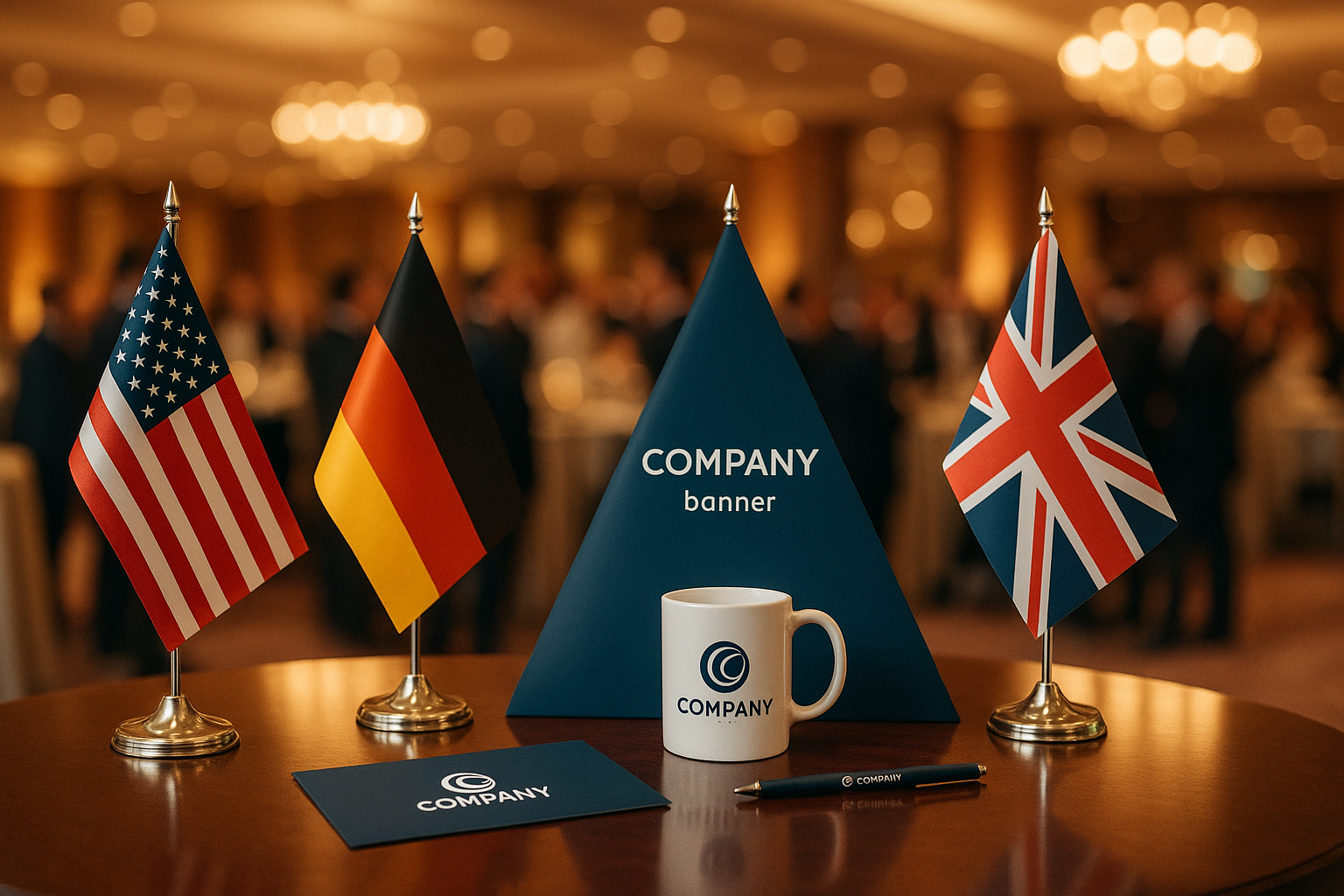
 The Logo Printed Pole Flag is engineered specifically for corporate buildings, municipal service areas, factories, and event venues that need a fully customized street-level identity. You supply your logo, emblem, or design at order time, and a digital proof is issued before any production begins — a workflow that eliminates color surprises on large banner runs. Because the print goes edge to edge, even a complex multi-color institutional seal reads cleanly from across a street or campus quad. For organizations that rotate seasonal graphics across the same poles, ordering multiple sets of identically sized panels is by far the most cost-efficient approach, and bulk pricing makes that realistic at most institutional budget scales.
How to Choose a Banner Size Based on Pole Height and Viewing Distance
A reliable rule of thumb is that effective text and logo legibility requires at least 1 in (2.5 cm) of letter height per 30 ft (9 m) of viewing distance — so a banner read from 90 ft (27 m) away needs letters no smaller than 3 in (7.6 cm) tall. That constraint, combined with mounting height, narrows the viable size range quickly. Start with the pole height, not with personal preference.
For poles with a mounting bracket at 10 ft–14 ft (3 m–4.3 m), an 18 × 36 in or 18 × 60 in banner sits at eye-to-shoulder level for a pedestrian, making the close-read experience excellent. On poles at 15 ft–20 ft (4.6 m–6 m), the 24 × 48 in and 24 × 60 in formats position the bottom edge around 8 ft (2.4 m) above grade — high enough to clear truck mirrors, low enough to be read without looking skyward. On 20 ft–30 ft (6 m–9 m) poles, the 24 × 72 in or 30 × 84 in formats keep the visual center of the banner in the driver's natural sightline at standard road speed.
Viewing distance also changes with audience type. A pedestrian walking at 3 mph (5 km/h) has several seconds to read a banner; a driver at 25 mph (40 km/h) has roughly 1.5 seconds. Campus and downtown pedestrian contexts can therefore support more complex artwork at smaller sizes; roadway banners should prioritize a single large graphic element over detailed text regardless of banner dimensions.
The Ratio Between Pole Height and Banner Width That Actually Works
Most civil engineers and outdoor display standards recommend that banner width should not exceed 15–20% of the pole's mounting height to keep wind-load forces manageable. On a 20 ft (6 m) mounting height, that translates to a maximum width of 36 in–48 in (91 cm–122 cm) — which maps neatly to the 24 in and 30 in standard widths that dominate the industry.
Wind loading increases with the square of wind speed and is proportional to the banner's frontal area. A 24 × 72 in (61 × 183 cm) banner presents 12 sq ft (1.1 m²) of frontal area; stepping up to 30 × 84 in (76 × 213 cm) increases that to 17.5 sq ft (1.6 m²) — a 46% jump in load on the bracket and pole. Municipalities in high-wind corridors (ASCE 7 Wind Zones III and IV — much of the Gulf Coast, Great Plains, and Pacific Northwest) routinely specify perforated or mesh fabrics that allow 30–45% wind pass-through, reducing effective load substantially without reducing perceived visual coverage at street level.
The US Flag Code (4 USC §§ 1–10) does not govern decorative pole banners directly, but most state municipal codes reference AASHTO sign-structure standards for any display attached to public infrastructure. Before ordering for a city-owned streetscape, always request a copy of the municipality's banner hardware specifications — bracket arm length, allowable banner width, and maximum banner weight per arm are usually documented.
 When the application calls for a taller vertical format on an institutional flagpole rather than a street light bracket, the Vertical Pole Flag is the appropriate product. Constructed from 110 gsm Raschel knitted polyester with UV-stable digital printing and reinforced edges, it is designed for long-term outdoor display on government facades, corporate entrances, and embassy buildings where durability is non-negotiable. The reinforced construction is particularly relevant in coastal or high-UV regions where cheaper fabrics typically show color degradation within 3–4 months; properly finished Raschel polyester typically holds color for 6 months to 2 years depending on sun exposure and cleaning frequency. If your campus or government site runs both flagpole-mounted verticals and street-pole banners simultaneously, coordinating the two formats under a unified print spec ensures consistent brand color across the entire installation.
How Indoor, Outdoor, and Desk-Scale Pole Banner Sizes Compare
Indoor pole banners, outdoor street banners, and desk-format flags are not interchangeable — they are sized for completely different viewing environments and mounting systems. An outdoor 24 × 72 in street banner placed indoors in a corridor looks overwhelming and cannot be suspended from standard interior hardware; an indoor 12 × 36 in (30 cm × 91 cm) retractable banner stand panel installed on a street pole is simply invisible from more than 15 ft (4.6 m) away.
Indoor pole banners for lobbies, trade show floors, and gymnasium spaces typically run 24 × 80 in (61 × 203 cm) on freestanding retractable stands, or 18 × 72 in (46 × 183 cm) on X-stands. They are often printed on lighter 75–90 gsm fabric because interior UV exposure is negligible and wind loading is zero.
Outdoor street and campus pole banners, as detailed above, run 18–30 in (46–76 cm) wide and 36–84 in (91–213 cm) long, on bracket-mounted hardware rated for wind and precipitation. Fabric weight typically runs 100–130 gsm for polyester flag fabric or a heavier vinyl-coated mesh for maximum durability in wind-prone locations.
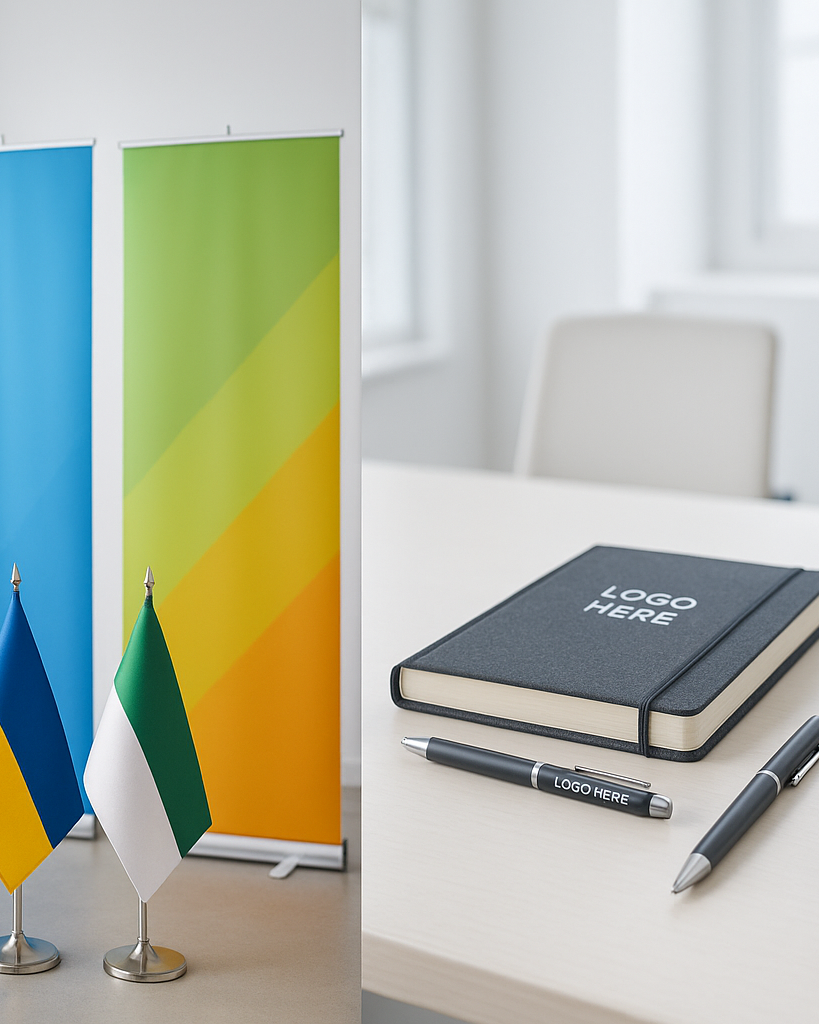
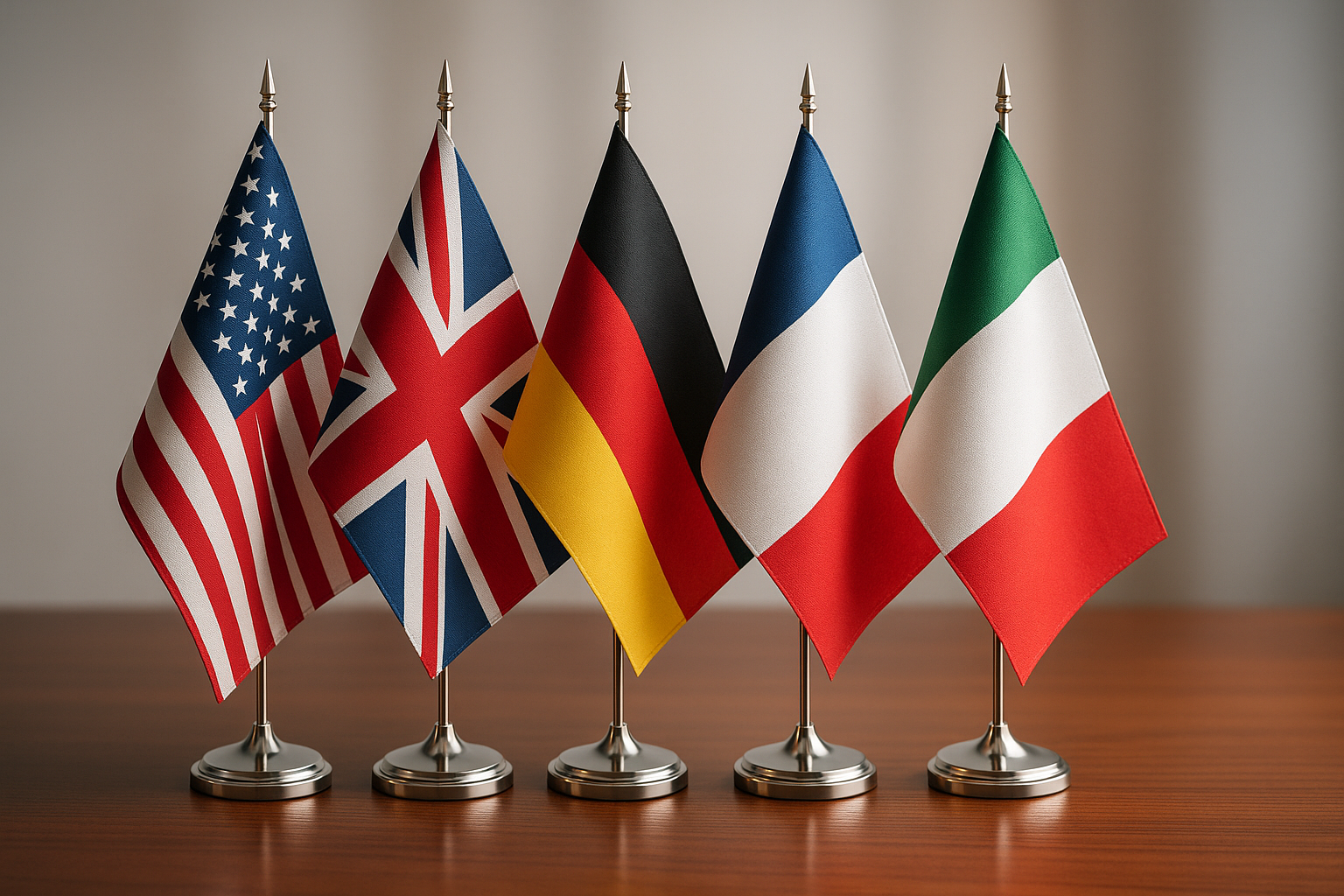
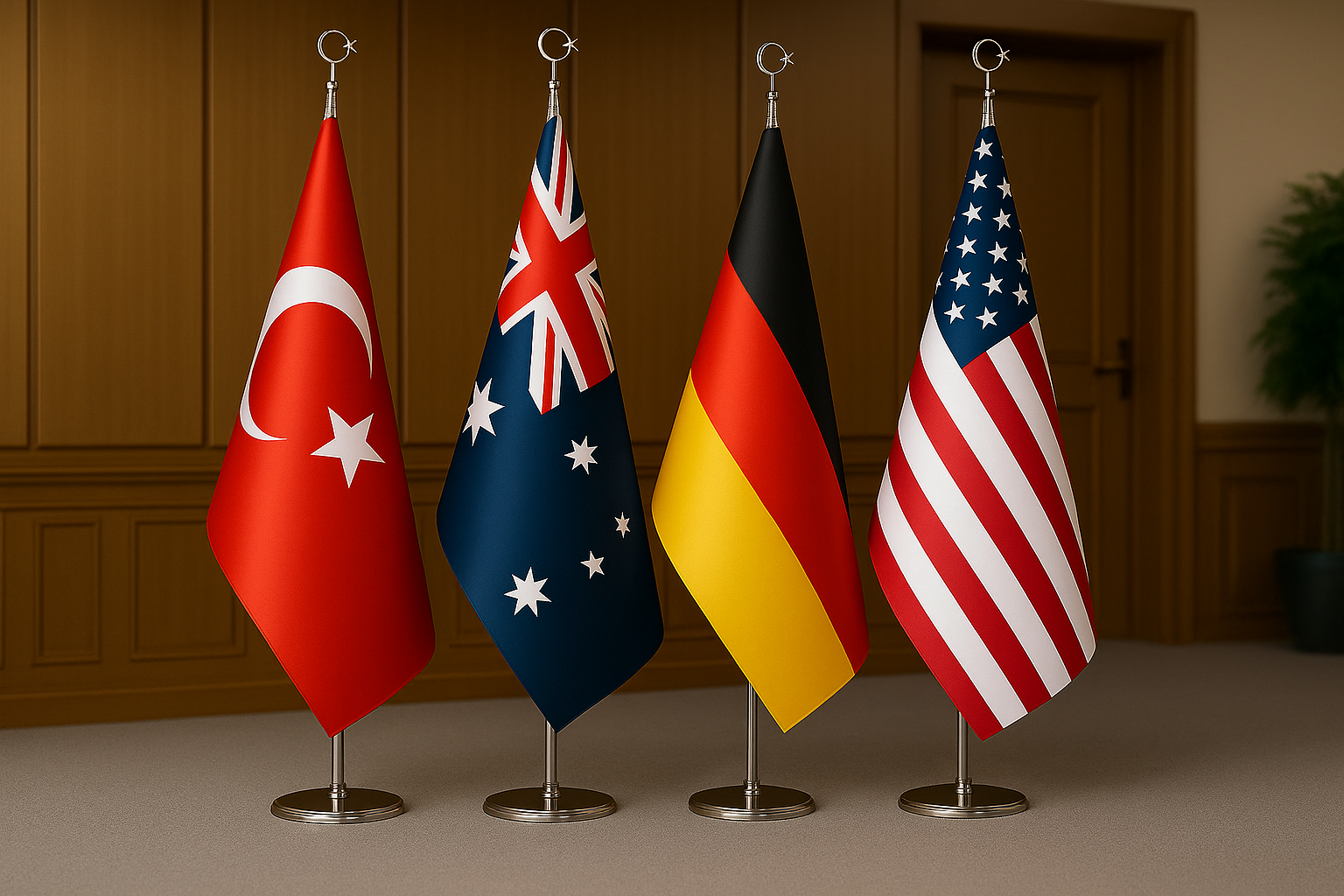
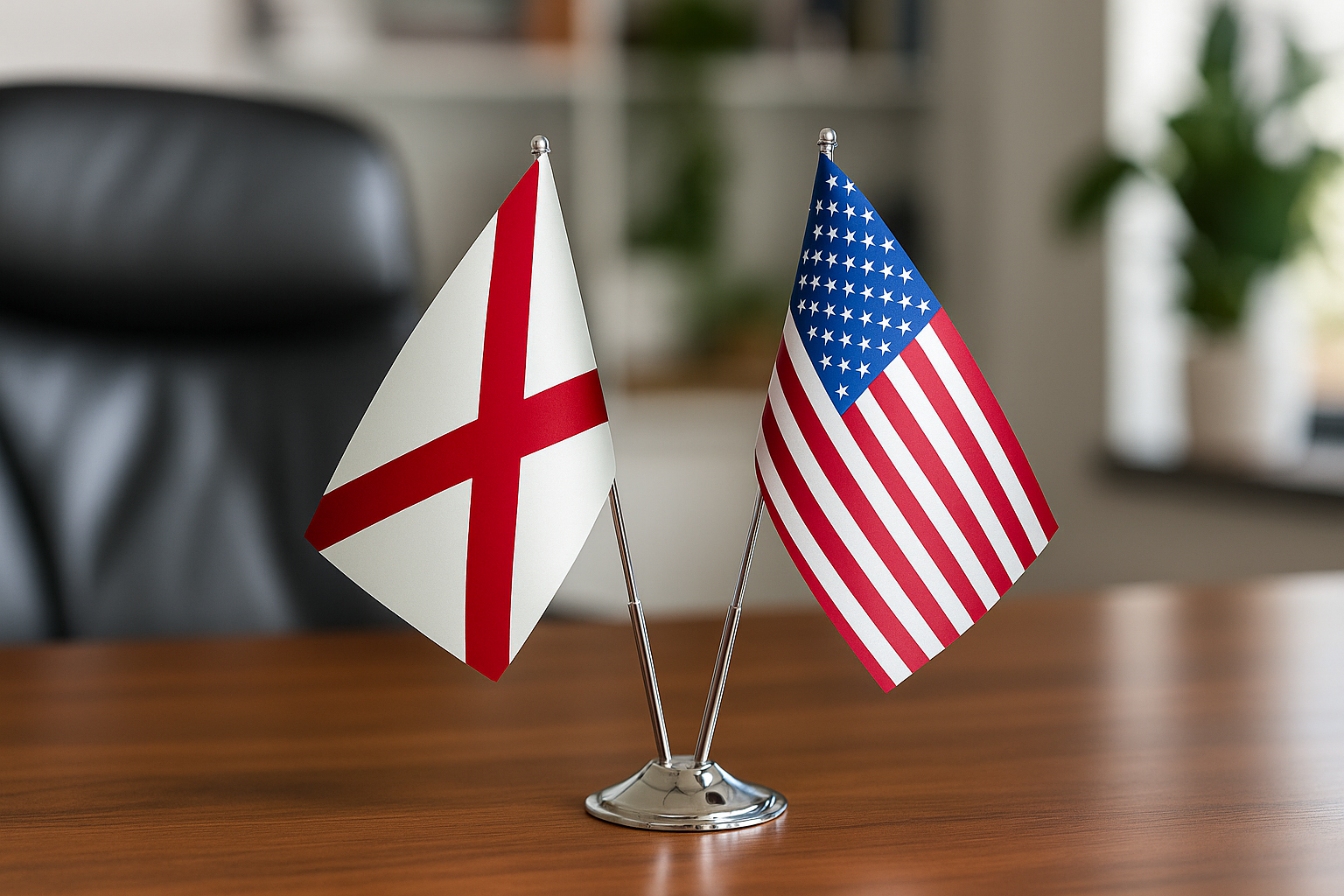
Desk and tabletop formats — typically 4 × 6 in (10 × 15 cm) or 6 × 9 in (15 × 23 cm) — serve entirely different functions: delegation meetings, executive offices, and conference tables. For country-flag versions in vertical orientation, explore the Vertical Country Flag collection, which covers national flag protocols for institutions hosting international guests.

Logo Printed Pole Flags
Custom-printed outdoor pole banners for streets, campuses, and corporate entrances — available in the standard sizes covered in this guide, with full-color UV-stable printing.
Browse Collection →Sizing Mistakes That Cost Institutions Time and Money
The most expensive pole banner mistake is ordering without confirming the installed bracket arm length — a banner that is 2 in (5 cm) wider than the bracket arm will buckle or tear at the top sleeve within weeks. Bracket arm lengths in North America are most commonly 18 in, 22 in, or 24 in (46 cm, 56 cm, 61 cm); the banner width must be equal to or slightly less than the arm length, not wider.
Other common errors include:
- Ignoring bleed on printed banners. Full-bleed printing requires 0.5 in–1 in (1.3 cm–2.5 cm) of bleed beyond the finished size. Designers who build artwork to the exact finished dimension without bleed produce banners with white edges after trimming — a problem that is very visible on a street pole.
- Specifying the same size for both single-sided and double-sided banners. A double-sided banner has a fabric interliner that adds thickness and weight; some bracket systems rated for a single-sided 24 × 72 in panel are over-loaded by the double-sided equivalent.
- Ordering seasonal quantities without a storage plan. Institutions frequently order 12-month programs all at once to hit bulk pricing thresholds, then store banners folded in unheated maintenance buildings. Polyester flag fabric should be stored rolled, not folded, at temperatures above 40°F (4°C) to prevent permanent crease lines that show under printing.
- Scaling artwork from a small logo file. A logo designed at 300 px wide for web use will produce a blurry print at 24 in wide output. Outdoor banners require artwork supplied at 100–150 dpi at final print size, or as a vector (AI, EPS, SVG) file. For guidance on installing banners once they arrive, the article on how to hang a banner without tearing it covers mounting techniques that protect the hardware attachment points.
- Underestimating UV fade timelines. Standard dye-sublimation on polyester is typically rated 80% UV resistance; in high-altitude or desert locations (Phoenix, Denver, Albuquerque), plan for a 6–9 month replacement cycle rather than the 12–18 months common in northern or coastal climates.
What size are light pole banners typically? +
What size are street light banners? +
How long do outdoor pole banners last? +
Do I need a permit to hang pole banners on city streets? +
Can pole banners be double-sided, and does that change the size? +
What file format should I supply for a custom pole banner design? +
How many pole banners should I order for a campus streetscape project? +
Getting pole banner sizes right the first time saves the cost of reprints, avoids bracket hardware damage, and produces the kind of cohesive streetscape visual that elevates an institution's public identity. For fully custom designs — your logo, colors, and institutional seal printed on production-grade outdoor fabric — the Logo Printed Pole Flag and the Vertical Pole Flag are the two products that cover the broadest range of campus and street applications. For US national identity displays alongside institutional banners, the Outdoor Vertical USA Flag provides a protocol-appropriate complement engineered for the same high-traffic outdoor environments. Bulk pricing is available for corporate and institutional orders — contact us with your pole count and bracket specifications for a project quote.


