

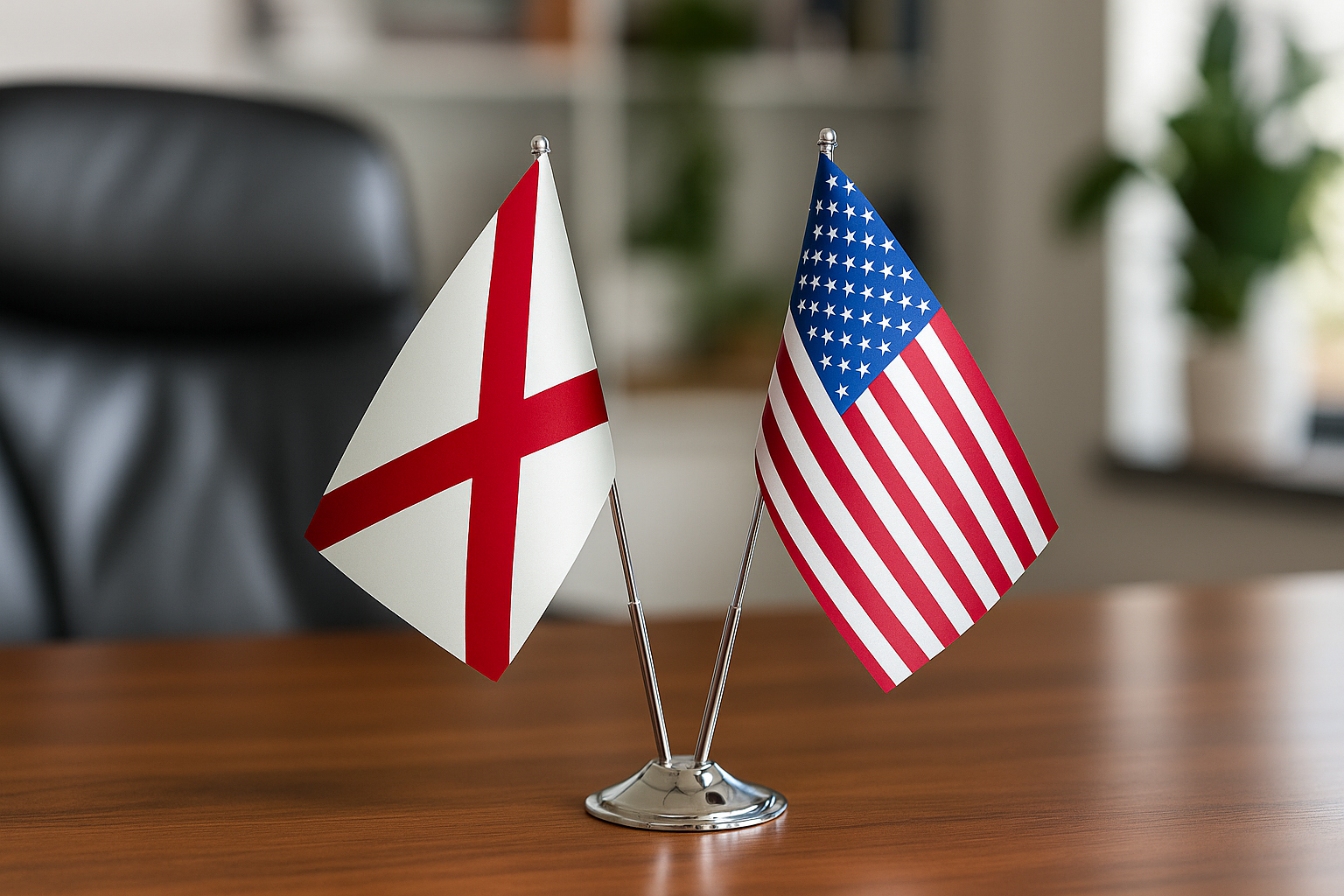



A wall bracket and a ground sleeve are both flag holders, but they suit completely different situations — a wall bracket mounts to a vertical surface and angles the flag outward, while a ground sleeve anchors the pole directly in soil or concrete. If you are still choosing between mounting hardware, the Flagpoles and Accessories collection shows every holder type Asya Bayrak offers, from bracket kits to freestanding bases, so you can compare before you buy.
Which flag holder is right for you at a glance
Wall brackets work best for homeowners, office buildings, and storefronts where drilling into a masonry or wood surface is acceptable and permanent installation is desired. Ground sleeves — flush-mounted pipes set into soil or concrete — suit open lawns, parade routes, and commercial properties where a tall vertical pole is the goal and the pole needs to be removable between uses. If neither surface is available, freestanding weighted bases fill the gap for indoor showrooms, trade fairs, and temporary outdoor events. Your best starting point is the surface you actually have: wall, ground, or open floor.
What makes a wall-mounted flag holder the stronger choice
Wall brackets keep the flag visible at eye level, angled outward at 30°, 45°, or 90° from the building face, which is ideal when lawn space is limited or local ordinances restrict ground installations. The hardware is completely weatherproof once installed correctly, and because the bracket transfers load into wall studs or masonry anchors, it can hold poles from 5 ft to 8 ft (1.5 m to 2.4 m) without wobbling. Installation takes roughly 30 minutes with a drill, a level, and appropriate anchors — the full process is covered in detail in the sibling article How to Mount a Flag Holder on a Wall, so this article will not repeat those steps.
The main limitation of a wall bracket is that it fixes the flag to one location permanently. If you need to relocate for an event or move the flag indoors during a storm, you must remove the entire pole from the bracket rather than simply lifting it out of the ground. Wall brackets also depend on structural integrity: a bracket bolted into hollow drywall without a stud or toggle anchor will fail within one season, especially in coastal areas where sustained winds regularly exceed 25 mph (40 km/h). For angle and sizing guidance specific to brackets, the article on flag holder angles and bracket sizes explains projection ratios and bracket dimensions in full.
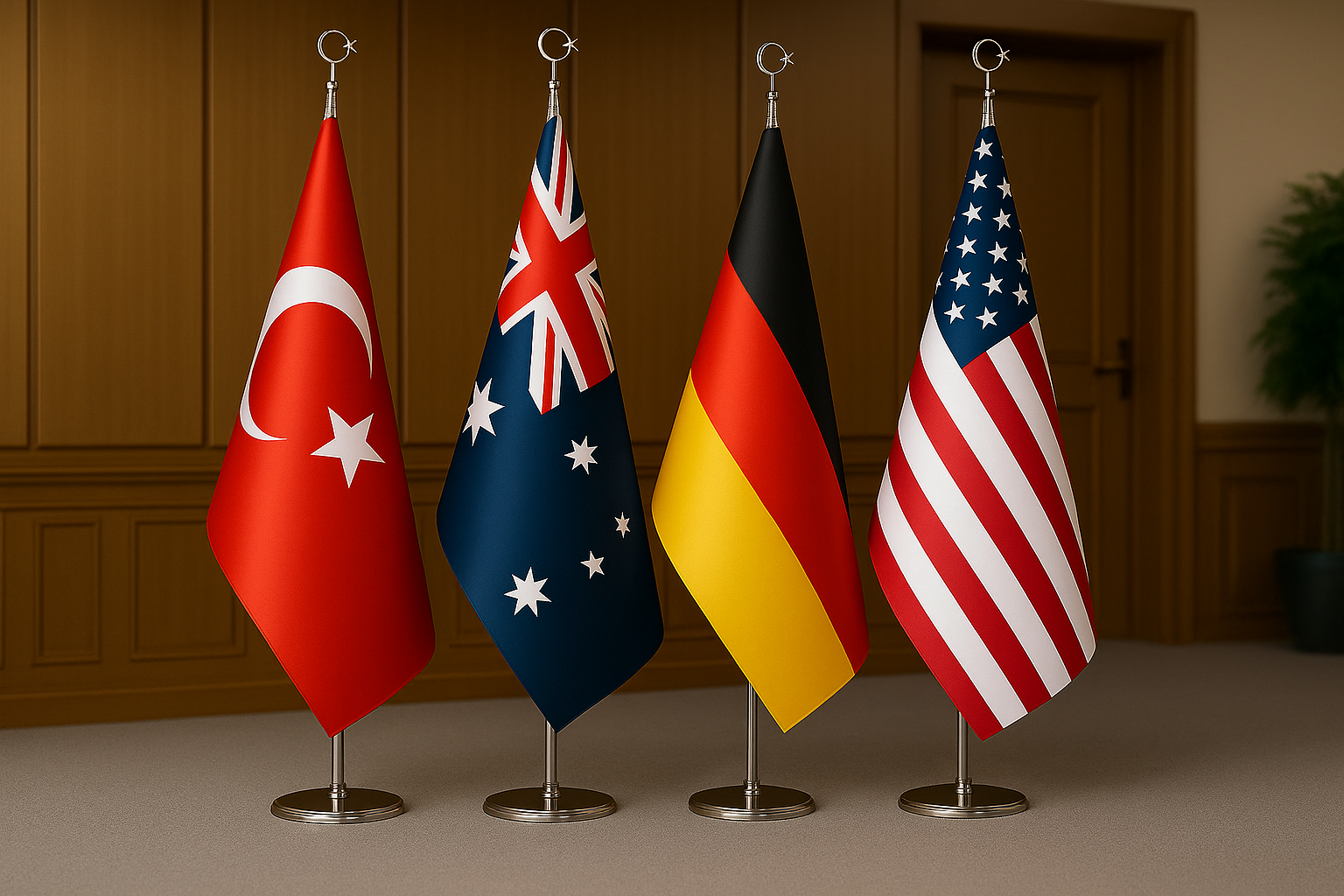
 The United States Wall-Mounted Telescopic Flagpole Set is a complete, ready-to-install kit that includes a durable aluminum telescopic pole, a sturdy wall bracket, and a United States flag — everything in one package. The telescopic design means you can extend or retract the pole length to suit your wall height, eliminating the guesswork of sourcing pole and bracket separately. It is an excellent choice for homes, offices, embassies, and cultural centers where a professional appearance matters but installation time needs to stay short. Because both the bracket hardware and the flag are matched to each other from the factory, there is no risk of buying a bracket rated for a lighter pole than the one you actually use.
Where a ground sleeve outperforms a wall bracket
A ground sleeve gives you a full-height vertical flagpole — typically 15 ft to 25 ft (4.6 m to 7.6 m) or taller — that dominates open space far more effectively than any angled wall bracket can. The sleeve is a steel or aluminum pipe, usually 24 in to 30 in (61 cm to 76 cm) long, set in a concrete footing below grade; the flagpole slides in and locks at the top. Because the pole is vertical and centered in open ground, it complies with the US Flag Code (4 USC § 7) guidance on displaying the national flag at its own height independent of a building — an important consideration for government buildings, schools, and HOA-governed communities.
The practical drawback is permanence and cost of installation. Setting a sleeve in concrete requires digging to below the local frost line (commonly 12 in to 48 in / 30 cm to 122 cm depending on the state), mixing concrete, and waiting 24–72 hours before loading the pole. If you are renting a property, a landlord is unlikely to approve ground excavation. Ground sleeves also offer no elevation advantage on flat lots — the flag flies at whatever height the pole provides, with no wall height adding to the visual impact.
Matching the flag holder type to your specific situation
Use case matters more than personal preference when choosing between a wall bracket, a ground sleeve, or a freestanding base. Below is a practical breakdown by scenario.
- Residential home with a small front yard: A wall bracket on the porch or garage face is the fastest installation. It keeps the flag clear of foot traffic and reads well from the street without requiring excavation.
- HOA or government property with open lawn: A ground sleeve in concrete is the standard solution. It meets flagpole etiquette expectations and handles larger flags — 4 ft × 6 ft (1.2 m × 1.8 m) and above — that are too heavy for most wall brackets.
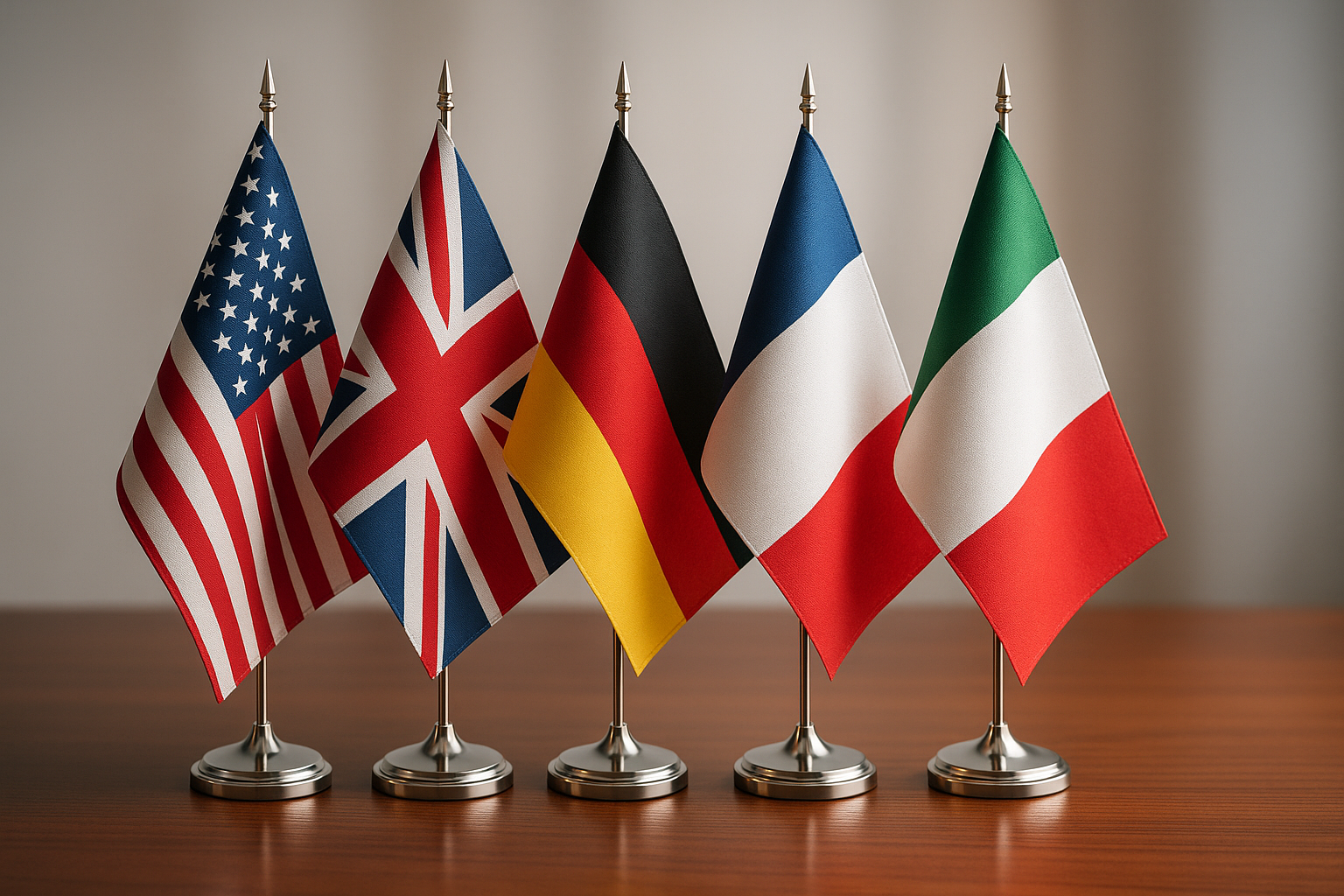
- Trade fair, storefront, or showroom: A freestanding weighted base is the right answer. No drilling, no permits, fully portable between venues. The Iron Base (40 × 40 cm / 16 × 16 in) keeps sail flags and standard poles upright indoors and in sheltered outdoor areas without any wall or ground contact.
- High-wind coastal or rooftop location: Wall brackets with 45° or 90° projection and rated hardware are preferred over ground sleeves here because they transfer lateral wind load directly into the building structure. Ground sleeves in exposed coastal soil can heave seasonally in freeze-thaw cycles.
- Temporary outdoor event: A heavy freestanding base beats both options. The 15 kg Rubber Base (50 × 50 cm / 20 × 20 in) adds substantial floor-level mass that keeps the pole stable on asphalt, concrete, and packed earth without anchoring into any surface.
For more context on sizing a pole to your property before you choose the mounting method, the article on what size flagpole suits a two-story house gives useful height guidelines that apply whether you are wall-mounting or ground-sleeving.
 The 15 kg Rubber Base is a free-standing base designed for flagpoles and sail (feather) flag poles that need stability without any permanent anchoring. Its 50 × 50 cm (20 × 20 in) footprint and substantial 15 kg dead weight keep the pole vertical on virtually any flat surface — indoors at trade fairs, on outdoor event plazas, and in front of retail storefronts. Because it is free-standing, the entire setup relocates in seconds: lift the base, carry it, place it. This portability makes it a frequent choice for businesses that display flags at multiple events throughout the year rather than at a single fixed location.
How lifespan and total ownership cost compare between the two holder types
Wall brackets typically outlast ground sleeves in above-ground hardware terms — a quality aluminum or galvanized steel bracket installed correctly into structural masonry lasts 10 to 20 years with minimal maintenance. The bracket itself does not corrode from soil contact, and there is no concrete footing to crack. What drives bracket replacement most often is a failed mounting point (improper anchors) or a bent sleeve from an accidental impact, not material degradation.
Ground sleeves are inherently buried in a corrosive environment. Soil acidity, ground moisture, and freeze-thaw cycling attack unprotected steel over 7 to 15 years depending on local climate and soil composition. Galvanized or stainless sleeves extend that lifespan considerably, and commercial-grade aluminum sleeves with welded caps are the longest-lasting option. The concrete footing itself is essentially permanent but can crack in expansive clay soils. The total ownership cost of a ground sleeve system is higher upfront because of concrete and labor, but it is spread across a longer use period if the hardware quality matches the installation environment.
Freestanding bases have the simplest maintenance story: wipe down, store indoors when not in use, and they last indefinitely. The tradeoff is that they are only appropriate for sheltered or low-wind conditions — a freestanding base is not a substitute for a properly anchored wall bracket or ground sleeve in sustained outdoor wind.

Flagpoles and Accessories
Every flag holder type in one place — wall brackets, telescopic pole kits, freestanding bases, and hardware for every mounting scenario.
Browse Collection →What to check before you buy any flag holder
Before ordering hardware, confirm three things: the pole diameter the holder accepts (most residential poles are 1 in / 25 mm or 1.25 in / 32 mm), the wind speed rating if stated by the manufacturer, and whether your wall or soil type matches the installation method. For wall brackets, always verify that the mounting screws land in a stud or in masonry — not drywall alone. For ground sleeves, check the local frost depth for your state from USDA Plant Hardiness Zone maps to set the sleeve below freeze-thaw movement. For freestanding bases, confirm the base weight is proportionate to the pole height: a 15 kg base like the rubber model is appropriate for event poles up to roughly 6 ft to 8 ft (1.8 m to 2.4 m) in calm to moderate wind conditions.
If you are setting up a garden-style feather flag rather than a traditional rectangular flag, the cost and hardware expectations differ — the article on garden flag stand and pole prices breaks that category down separately so you can budget accurately for feather flag systems specifically.
To explore the full range of flags and flag holders together — poles, brackets, bases, and accessories — visit the Flagpoles and Accessories collection, browse the Poles and Holders collection, or check the Bases and Stands collection for freestanding options. Bulk pricing is available for corporate orders requiring multiple bracket kits or base units across a single property or campus.


